REVIEW · LISBON
MAC/CCB: Entry Ticket to Lisbon’s contemporary art museum
Book on GetYourGuide →Operated by MAC/CCB – Museu de Arte Contemporânea e Centro de Arquitetura · Bookable on GetYourGuide
A modern art museum in Belém can feel like a time machine. With one ticket, you get four exhibitions that connect Portuguese and international contemporary art through permanent and temporary shows. My favorite part is the way it organizes major artists in context, so you’re not just looking at famous names without the why. The main drawback to plan for: the museum has a long list of items that are not allowed inside, so you’ll want to travel light.
I like how MAC/CCB also includes the Architecture Centre, so you get more than paintings on walls. The permanent Berardo display is arranged chronologically, which makes it easier to track how art ideas changed across decades. One practical consideration: your visit can work well over two days, but you’ll still need to manage your time inside several exhibition spaces.
In This Review
- Key Highlights You’ll Care About
- MAC/CCB in Belém: Contemporary Art That Also Talks Architecture
- One Ticket, Four Exhibitions: What You Actually Get for the Money
- The Collections: CACE, Teixeira de Freitas, and Berardo in One Route
- Permanent Berardo Collection: A Timeline You Can Walk Through
- Temporary Exhibitions and Educational Programming: Don’t Miss the Current Lens
- Architecture Centre Reopened in April 2025: Art, Space, and the Belém Garage
- How to Plan Your Two-Day Visit Without Rushing
- Practical Stuff Before You Go: Rules That Affect Your Bag
- Price, Value, and Who This Museum Ticket Makes Sense For
- Should You Book MAC/CCB?
- FAQ
- How much is the MAC/CCB entry ticket?
- What does the ticket include?
- Is the ticket valid for one day or two days?
- When is the museum open?
- Are there discounted admission rates for residents of Portugal?
- Is the museum wheelchair accessible?
- What items are not allowed inside?
- How many exhibitions can I access with one ticket?
- Does the MAC/CCB include an Architecture Centre?
Key Highlights You’ll Care About
- One ticket, four exhibitions covering permanent and temporary programming
- Berardo Collection in chronological order, making the art feel like a readable story
- Multiple collections under one roof: CACE, Teixeira de Freitas, and Berardo
- Architecture Centre reopened in April 2025 with a new flexible-space concept
- Guided tours and conferences run as part of the museum’s educational program
- Free Wi-Fi so you can check context, maps, and exhibition info on your phone
MAC/CCB in Belém: Contemporary Art That Also Talks Architecture
MAC/CCB (Museu de Arte Contemporânea e Centro de Arquitetura) sits in Lisbon’s Belém area, and it earns its reputation as one of Portugal’s most internationally oriented contemporary art stops. This place doesn’t treat contemporary art like a side exhibit. It frames it as a full cultural conversation—ideas, techniques, and design thinking included.
What I like for your visit is the museum’s mix of collections and formats. You’re not only seeing one theme. You’re moving through a collection built from major Portuguese contemporary voices and also internationally recognized artists. And because there’s an Architecture Centre on site, you can connect how artists and architects approach space, form, and public meaning.
If you’re the type who gets overwhelmed by big museums, this one helps you steer. The museum’s curatorial approach puts works in chronological context—especially in the Berardo permanent presentation—so you can follow artistic paths without guessing what to look for first.
A few more Lisbon tours and experiences worth a look


One Ticket, Four Exhibitions: What You Actually Get for the Money
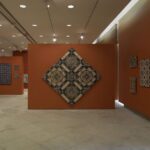
The entry ticket is designed to be simple: one admission covers access to all exhibitions included with your visit. The highlight is the promise of four exhibitions under that same ticket umbrella, mixing permanent and temporary displays.
At about $17 per person, it’s not just “a museum ticket.” It’s closer to a small art syllabus for two days. The value comes from variety plus structure: permanent galleries help you anchor what you’re seeing, while temporary exhibitions add current questions and newer directions in contemporary practice. You’re not stuck in one style or one era.
I’d also plan around the fact that the ticket is valid for two days. That matters if you like to go slow, read wall texts, and return to pieces you didn’t fully absorb the first time. If you only come for one block of time, you can still make it work—but two days gives you breathing room.
Two practical add-ons that matter day-to-day:
- Free Wi-Fi inside helps you reference artist names, movement context, or your own notes while you walk.
- The museum is wheelchair accessible, which is a big planning win if mobility is part of your checklist.
The Collections: CACE, Teixeira de Freitas, and Berardo in One Route
MAC/CCB is a “collections first” kind of museum. Rather than staging everything around a single theme, it brings together several major holdings, letting you compare approaches and see how contemporary art develops as a living practice.
Here’s what you’ll encounter:
- Portugal’s state Contemporary Art Collection (CACE)
- The Teixeira de Freitas Collection
- The Berardo Collection
What that means for you on the floor is useful. You can trace Portuguese contemporary art as its own stream, then cross into international figures who helped define major movements. The museum doesn’t treat these as separate worlds. It gives you the links—how styles rise, spread, and transform.
The Berardo collection is especially important to plan for. The works are arranged in chronological order, so your visit becomes easier to “read.” You’re basically walking through time, seeing shifts in modern and twentieth-century art practices, and how later contemporary ideas inherit or react to earlier ones.
Permanent Berardo Collection: A Timeline You Can Walk Through
If you only have time for one big commitment inside MAC/CCB, make it the Berardo permanent exhibition. It’s designed to do something practical: show you key turning points in art history through contemporary and twentieth-century works.
The chronological setup is the real advantage. Instead of treating famous artists as isolated moments, you experience how they fit into broader movements and timelines. That gives your eyes a stronger reference point as you move from room to room.
You’ll also notice the range of artists and media represented. The museum’s lineup includes names like:
- Pablo Picasso
- Salvador Dalí
- Marcel Duchamp
- Piet Mondrian
- Joan Miró
- Max Ernst
- Vieira da Silva
- Andy Warhol
- Donald Judd
- Bruce Nauman
- Lourdes Castro
- Helena Almeida
- Cindy Sherman
That list looks like a greatest-hits album, but the power here is context. You’re not just seeing big names. You’re seeing them placed near artistic movements and historical shifts that help explain what was changing at the time.
A smart way to use the timeline is to pick a “through-line” for yourself. For example, you can focus on how abstraction evolves, or how performance and identity themes show up in later decades. Since you can revisit over two days, you can even do this twice with two different “lenses.”
Temporary Exhibitions and Educational Programming: Don’t Miss the Current Lens
Temporary exhibitions are where MAC/CCB feels most alive. The museum presents changing contemporary shows through the lens of ongoing artistic practice, meaning you’ll often find new voices and updated questions alongside the permanent collections.
It’s also built for people who want to understand more than the basics. The museum offers a varied program of educational activities, including:
- conferences
- guided tours
- other learning activities
If you enjoy structure, guided tours can help you “get bearings” faster inside contemporary art rooms where your instinct might be to wander randomly. If you prefer quiet looking, you can still use the permanent displays to ground your understanding, then treat temporary exhibitions as experiments—short visits with big emotional or intellectual payoff.
One tip: because your ticket is valid for two days, you can choose to go to a guided tour (if it fits your schedule) on day one, then use day two to revisit what clicked. That’s a good way to convert “I saw it” into “I understood it.”
You can also read our reviews of more museum experiences in Lisbon




Architecture Centre Reopened in April 2025: Art, Space, and the Belém Garage
The Architecture Centre is not an afterthought. MAC/CCB’s mission is to strengthen the dialogue between visual arts, architecture, and performing arts, and the Architecture Centre is part of that larger cultural ecosystem.
A major update: the Architecture Centre reopened in April 2025 with an architectural project by the Swiss-Portuguese studio BUREAU. The concept is tied to space itself. The project reimagines the south garage of the Centro Cultural de Belém as a flexible area that can adapt for:
- exhibitions
- workspaces
- public events
- communal gatherings
For your visit, this matters because architecture isn’t just a topic here. It becomes part of how you experience the museum. Even if you’re not an architecture specialist, you’ll likely notice the difference between traditional gallery rooms and a space designed to shift roles. Contemporary art often benefits from this kind of environment, where the “container” affects the message.
Plan to give the Architecture Centre its own attention block rather than treating it as a quick detour. A good museum visit is about pacing, and architecture spaces can reward slower looking and more time reading the exhibit context.
How to Plan Your Two-Day Visit Without Rushing
Because your entry is valid for 2 days, you can make your visit comfortable instead of frantic. The museum is open Tuesday to Sunday, 10:00 a.m. to 6:30 p.m. That’s a wide window, but busy days happen. If you can choose, I’d treat your first day as orientation and your second day as deeper learning.
A practical pacing approach that usually works well:
- Day 1: Start with the Berardo permanent exhibition so the chronological order sets your mental map.
- Day 2: Focus on temporary exhibitions and anything you want to revisit, including architecture-related programming in the Architecture Centre.
Even if you’re not a slow reader, the chronological structure rewards you. Your eyes get trained to recognize patterns: changes in style, shifts in themes, and the way different artists responded to the world around them.
If you love “big art names,” you might be tempted to chase famous names first. I’d resist that urge. Instead, treat famous artists as milestones and let the timeline and movements explain why they matter. The museum is built for that kind of approach.
Practical Stuff Before You Go: Rules That Affect Your Bag
Museums are fun until you hit the entry rules. MAC/CCB has clear restrictions, and they can change how you pack for the day.
Not allowed inside:
- weapons or sharp objects
- pets (assistance dogs allowed)
- selfie sticks
- smoking indoors
- food
- tripods
- backpacks
- umbrellas
- walking sticks
- alcohol and drugs
- explosive substances
So, pack like you’re going to a gallery, not like you’re going on a day hike. Bring what you can carry comfortably and easily. If you’re traveling with cameras or extra gear, assume you’ll be happier with simple setups.
Also expect standard security checks. If you show up with a backpack, umbrella, or tripod, you may lose time sorting it out at the entrance. The museum has rules for a reason, and the fastest way to have a good visit is to meet them halfway.
The museum also notes it’s wheelchair accessible, which is great for planning. If you use mobility aids, it’s worth checking details with the venue before you arrive, since some items like walking sticks may be restricted.
Price, Value, and Who This Museum Ticket Makes Sense For
At about $17, the ticket price is strong considering what you’re getting: multiple collections, permanent and temporary exhibitions, plus the Architecture Centre part of the complex. You’re also paying for structure. The chronological presentation makes the art feel less random, which is a real value driver for visitors who want meaning without needing a personal art tutor.
This museum ticket is a good fit if you:
- want contemporary art with historical context
- like to compare Portuguese and international artists in one place
- enjoy architecture as part of cultural experience
- plan to spend time reading and revisiting over two days
It’s also worth considering if you’re doing Lisbon’s Belém area. The museum gives you a serious indoor cultural break that still feels modern and international.
If you’re only into one narrow style of contemporary art, you might find the breadth a lot. But the collections are presented in a way that still helps you navigate. The easiest strategy is to commit to the Berardo timeline first, then choose one or two temporary themes to chase.
Should You Book MAC/CCB?
If you want a contemporary art museum visit that teaches you something while you enjoy it, I’d book it. The combination of one ticket covering multiple exhibitions, the Berardo timeline in chronological order, and the Architecture Centre (reopened with a new BUREAU project in April 2025) makes the experience feel bigger than the price suggests.
Skip it only if you know you dislike museum rules and you’re likely to show up with restricted items like backpacks or umbrellas. Or if you only have a few hours and hate splitting attention across permanent plus temporary spaces, you may feel pressure to rush.
FAQ
How much is the MAC/CCB entry ticket?
The price provided is $17 per person.
What does the ticket include?
The ticket includes entrance to the museum and access to all exhibitions included with your visit, plus free Wi-Fi.
Is the ticket valid for one day or two days?
Your ticket is valid for 2 days.
When is the museum open?
It’s open Tuesday to Sunday, from 10:00 a.m. to 6:30 p.m.
Are there discounted admission rates for residents of Portugal?
Yes. Reduced rates are available for residents in Portugal. You need to present valid ID proving Portuguese residency at the museum reception.
Is the museum wheelchair accessible?
Yes, it is listed as wheelchair accessible.
What items are not allowed inside?
The listed restrictions include no pets (assistance dogs allowed), no selfie sticks, no smoking indoors, no food, no tripods, no backpacks, no umbrellas, no walking sticks, no alcohol or drugs, and no weapons or sharp objects.
How many exhibitions can I access with one ticket?
The highlights state one ticket gives access to four exhibitions.
Does the MAC/CCB include an Architecture Centre?
Yes. The museum visit includes the Architecture Centre as part of MAC/CCB, including its reopened facilities as described.