REVIEW · CAIRO
Full Day Tour To Giza Pyramids And The Egyptian Museum
Book on Viator →Operated by Corsinitravel Egypt · Bookable on Viator
Cairo can feel loud and fast, then Giza slows everything down. This full-day tour lines up the Giza Pyramids and the Egyptian Museum with a professional Egyptologist-style guide, hotel pickup, and timed visits so you’re not wasting hours in transit.
I especially like that you get admission tickets included at both stops, plus a guide who can explain what you’re looking at without turning it into a lecture. I also like the small scale: a maximum of 4 travelers, so questions don’t get lost in the shuffle.
The one thing to watch is that this is a long, sun-and-walking day (about 6 to 8 hours total), and lunch isn’t included—so you’ll want a plan for food and breaks.
In This Review
- Key highlights worth your time
- 8:30am pickup to Giza: a Cairo day that’s built for sanity
- Giza Pyramids (2 hours): Cheops, Chephren, and Mykerinus with context
- What works well in the 2-hour window
- The main consideration
- The Egyptian Museum (2 hours): 5,000 years of artifacts and the Tutankhamun focus
- Why the museum stop is valuable after Giza
- A possible drawback
- Small group pacing: the difference between a checklist and a guided day
- Guide quality is the real “upgrade”
- Timing, transport, and what you should do to feel comfortable
- What I’d pack (practical, not fancy)
- Price check: is $120 good value for pyramids plus museum?
- Who this tour suits best (and who might want a different plan)
- Should you book this Giza and Egyptian Museum day tour?
Key highlights worth your time
- Cheops, Chephren, and Mykerinus: the core pyramid trio at Giza, with an Egyptologist-style approach
- Timed stops (about 2 hours each): less waiting, more seeing
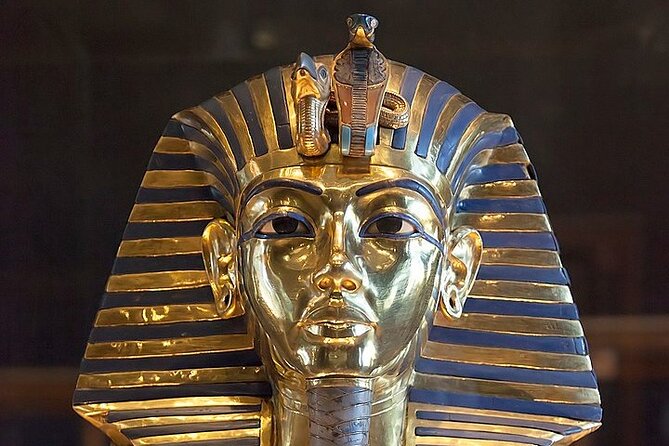
- Egyptian Museum ticket included: you’ll tackle major collections and the famous Tutankhamun treasure focus
- Hotel pickup and drop-off: fewer Cairo logistics headaches
- Small group (max 4): better pacing and more chance to ask questions
- Guides with strong field skills: names you may encounter include Samy, Mario, Mohamed, Said Elgammal, Ahmed, Aima, and Ayman
8:30am pickup to Giza: a Cairo day that’s built for sanity
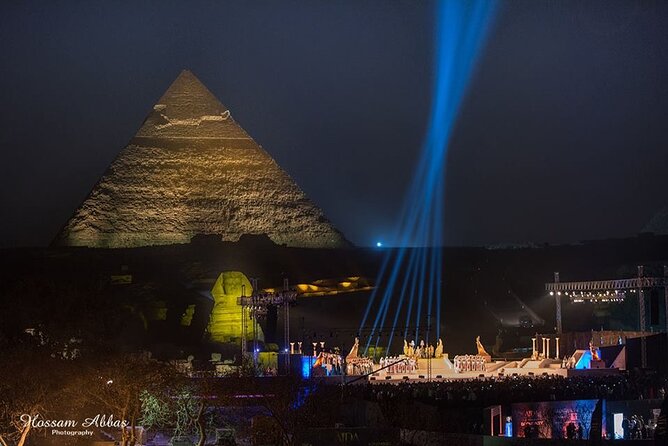
The tour starts at 8:30am, which matters more than it sounds. Cairo days can get intense quickly, and an early start helps you spend more time in the sites and less time in traffic and waiting.
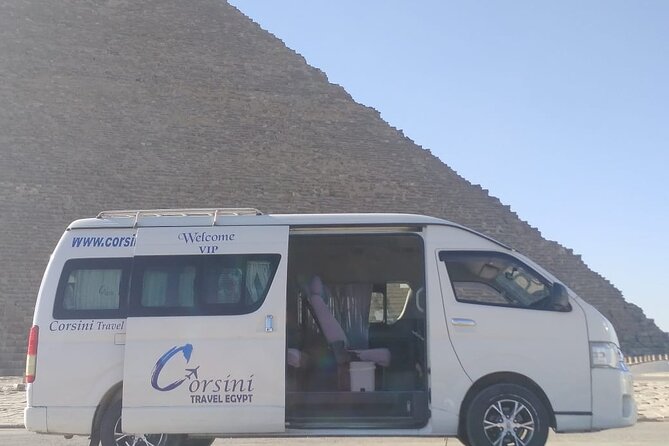
You’ll be picked up from your hotel and brought to Giza in an air-conditioned vehicle. Then you return to your hotel after the museum stop. That round-trip convenience is a real value add here, especially if you’re not trying to figure out transport when the city is already buzzing.
Also, this runs about 6 to 8 hours total. That’s long enough to feel like a real “Egypt day,” but not so long that you’re stuck for an entire afternoon with nothing but heat and fatigue. If you tend to get grumpy when plans drift, the timed structure helps keep things under control.
One more practical detail: you’ll receive a mobile ticket, and confirmation comes at booking. That’s useful if you’re trying to keep everything organized while you’re moving between cities or dealing with lots of booking pieces.
You can also read our reviews of more museum experiences in Cairo



Giza Pyramids (2 hours): Cheops, Chephren, and Mykerinus with context
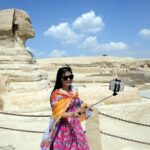
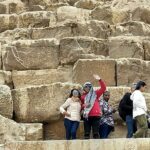
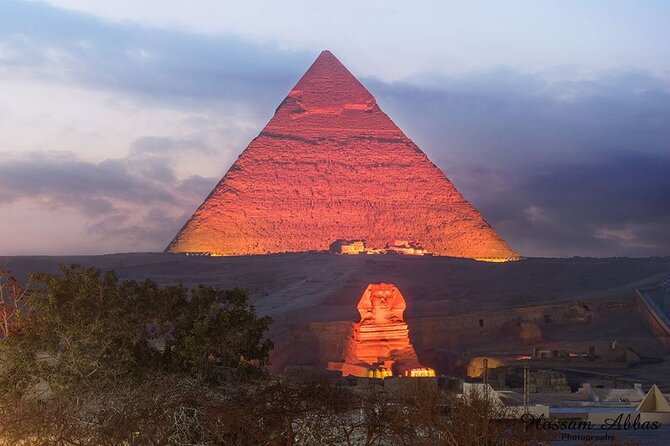
Your first stop is the Pyramids of Giza, including Cheops, Chephren, and Mykerinus. These aren’t just famous shapes from a postcard. The tour frames them in the context of the Fourth Dynasty of the Old Kingdom, which gives you a stronger sense of what you’re looking at besides the scale.
The experience is built around an Egyptologist Tour Guide plus a driver who handles timing. That combination is key. At Giza, it’s easy to rush and miss the meaning of things—like how the site area relates to the larger world of ancient Egypt. A guide who can explain that as you go helps you “see” instead of just “look.”
You’ll also learn that the pyramid complex isn’t only pyramids. The grounds include cemeteries and the remains of a workers’ village. That’s an important shift in perspective: these monuments weren’t floating in isolation. They were part of a living production landscape tied to labor, planning, and daily life.
What works well in the 2-hour window
Two hours sounds short until you remember what makes Giza tricky: you’re dealing with sun, crowds, and constant “stop, look, take a photo, move again” rhythm. A guide-managed pace helps you hit the big moments without feeling like you’re trapped in line after line.
The main consideration
This is still a site outdoors for much of the time. You’ll want to treat it like a heat-and-crowds challenge. Wear something breathable, and plan for plenty of walking. Also, while the admission ticket is included, you may still want to budget time (and energy) for photo stops and short pauses.
The Egyptian Museum (2 hours): 5,000 years of artifacts and the Tutankhamun focus
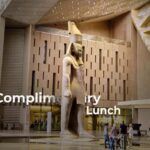
After Giza, you head to the Museum of Egyptian Antiquities (often called the Egyptian Museum). This part of the day is where the trip gains depth. Pyramids give you scale and atmosphere. The museum gives you objects you can actually study—tools, art, gold, and everyday clues.
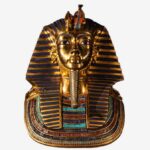
The museum is described as presenting artifacts from the Pharaonic period, with a rare collection spanning 5,000 years of art. The tour also highlights the scale: over 250,000 artifacts displayed, including a dedicated exhibit focusing on Tutankhamun’s treasure gold.
That Tutankhamun mention is a big deal for first-timers. It’s one of the fastest ways to get emotionally hooked, because you’re not just hearing names—you’re seeing the physical results of royal power and burial beliefs.
A few more Cairo tours and experiences worth a look





Why the museum stop is valuable after Giza
If you do Giza first, you’ll likely leave the pyramid area with questions. The museum helps you answer them with objects tied to the same world—beliefs about the afterlife, craftsmanship, and how Egyptians expressed power through art and materials.
Two hours is enough to get oriented and hit the major highlights, especially with a guide who can steer you toward the most meaningful displays rather than letting you wander aimlessly through huge galleries.
A possible drawback
Museums can feel overwhelming when you first walk in. With only 2 hours, you won’t see everything. That’s not a failure; it’s the trade-off for a day tour that also includes Giza. If you’re someone who wants deep, slow study, you may want to plan a separate museum visit later.
Small group pacing: the difference between a checklist and a guided day
This tour caps out at 4 travelers. That small number changes the vibe fast. You’ll typically get a smoother flow at both stops, and the guide has more room to answer questions without the group getting left behind.
Across the guide names in the feedback—Samy, Mario, Mohamed, Said Elgammal, Ahmed, Aima, and Ayman—the theme is consistent: people talk about clear explanations and strong attention to guests’ needs. Some also mention the guide adding humor, which matters more than it sounds in Egypt, where heat, crowds, and constant movement can wear you down.
Guide quality is the real “upgrade”
The tour includes more than transportation and tickets. The guide is the product that turns the day from “I went places” into “I understood what I saw.” That’s especially true at Giza, where the background details—period, dynasty, site layout—make the experience click.
If you’re traveling alone, on a first trip, or you just want your questions answered fast, a guided structure is worth real money.
Timing, transport, and what you should do to feel comfortable

Here’s how the day likely feels in practice: travel from your hotel, an organized 2-hour Giza window, then the 2-hour museum visit, and then back again. That rhythm is built to keep the day moving.
Because lunch isn’t included, you should think ahead. The tour doesn’t mention meals or coffee/tea, so you’ll want to bring a plan—either eating near the stops if it works with timing, or keeping snacks handy so your energy doesn’t crash mid-afternoon.
Also, the tour notes that it requires good weather. If weather is bad, you may be offered a different date or a full refund. That’s important for planning because Giza is outdoors, and museum time alone can’t replace the outdoor part of the day.
What I’d pack (practical, not fancy)
- Sun protection (hat/sunglasses/sunscreen)
- Comfortable shoes for uneven ground and walking
- Water and a light snack, since lunch and drinks aren’t included
- A small bag for phone and essentials (you’ll be stopping and starting)
Price check: is $120 good value for pyramids plus museum?
At $120 per person, this tour isn’t the cheapest option in Cairo. But it’s also not “pay extra and hope for the best” pricing. You’re getting several big value pieces together:
- Hotel pickup and drop-off
- Air-conditioned vehicle
- Egyptologist Tour Guide
- Admission tickets included for both Giza and the museum
- A small group size (max 4)
- A schedule that covers two major attractions in about 6 to 8 hours
When admissions and logistics are included, the real cost is often less than it looks, especially if you’d otherwise pay for museum entry plus hire transport plus try to manage timing yourself.
The only notable cost gaps are personal needs like lunch and drinks. Since the tour doesn’t include those, the “true” total depends on what you choose to eat.
If you want a clean, structured day without Cairo transportation stress, $120 can feel fair—particularly for first-time visitors who want to see the essential sights with real context.
Who this tour suits best (and who might want a different plan)
This tour fits well if you want a classic “first Cairo Egypt” day: Giza pyramids in the morning, followed by the Egyptian Museum while your interest is still hot.
It’s also a good fit if you prefer structure: timed visits, pickup included, and tickets handled. That’s ideal for people who hate last-minute scrambling.
It might be less ideal if you love slow museum time or you want a lot of extra add-ons (long camel rides, extended Sphinx time, or deep-curation style study). With only 2 hours for each stop, you’ll see highlights—but you won’t become a museum expert by the end of the day.
That said, even if you later return to Egypt, this kind of tour gives you a foundation. You’ll come back to the sites with better questions, and that makes any future visit more satisfying.
Should you book this Giza and Egyptian Museum day tour?
I’d book it if you want the big two Cairo experiences—Giza and the Egyptian Museum—handled in a straightforward way with guide support, pickup, and admissions included. The small group size and the strong guide reputation in the feedback make it more likely you’ll feel guided rather than rushed.
I would pause before booking if you’re sensitive to long walking in the heat, or if you know you’ll want lunch and drinks covered for comfort. Since lunch and coffee/tea aren’t included, plan for your own breaks.
One last thought: if you’re planning around weather, keep your flexibility in mind. The tour requires good weather, and outdoor timing is the heart of the day.
If you want a focused, efficient day that helps the pyramids make sense and the museum feel personal, this is a solid pick.