REVIEW · AMSTERDAM
Amsterdam: Museum of the Canals Ticket with Audio Guide
Book on GetYourGuide →Operated by Museum of the Canals / Grachtenmuseum · Bookable on GetYourGuide
Amsterdam’s canals tell stories you can walk through. This Museum of the Canals ticket uses a multimedia show plus an audio guide to explain why Amsterdam built its famous network—and why it still matters.
What I like most is the setting: a beautiful 17th-century canal house on the Herengracht, with period-style rooms that make the history feel physical. I also love that the audio tour gives you a clear thread through the museum, so the canals stop being just scenery and start making practical sense.
One drawback to consider: the multimedia presentation may feel dated to some people, with an animated component that can seem like it belongs to an earlier era. If you’re very focused on up-to-the-minute tech, you might wish for more modern effects.
In This Review
- Key Highlights You’ll Actually Care About
- Museum of the Canals: A Canal House That Explains Itself
- What You’ll See Inside: Permanent Exhibits and Temporary Rooms
- The Audio Guide: How to Get More Out of Every Room
- Amsterdam’s Canal Logic: Turning Scenery Into Understanding
- Multimedia and the 2026 Reality Check
- Where It Fits in Your Day: A 1-Day Plan That Stays Flexible
- Price and Value: Is $22 Worth It?
- Who This Works Best For
- Accessibility: Easy to Plan With
- Should You Book the Museum of the Canals Ticket?
- FAQ
- How much does the Museum of the Canals ticket cost?
- How long is the ticket valid for?
- What’s included with the ticket?
- Is food and drinks included?
- What languages are offered for the audio guide?
- Is the museum wheelchair accessible?
- Where is the museum located?
- Is there free cancellation?
- Can I reserve now and pay later?
Key Highlights You’ll Actually Care About
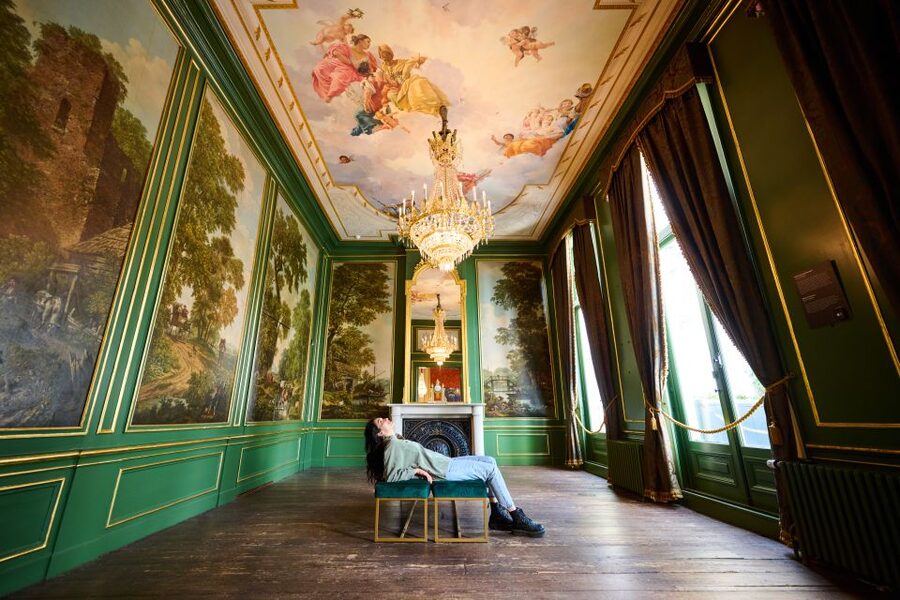
- 17th-century canal house: You’re not just reading about Amsterdam’s water city—you’re inside the kind of place that grew with the canals.
- Herengracht location: Central and easy to pair with a walk through canal-side neighborhoods before or after the museum.
- Multimedia canal story: The exhibition frames canal history through how people and goods moved across the city.
- Permanent + temporary exhibits: You get the core canal narrative and extra rotating content.
- Multilingual audio guide: Dutch, English, German, French, Spanish, Italian, Russian, Japanese, and Chinese help you tune the visit to your language comfort.
Museum of the Canals: A Canal House That Explains Itself
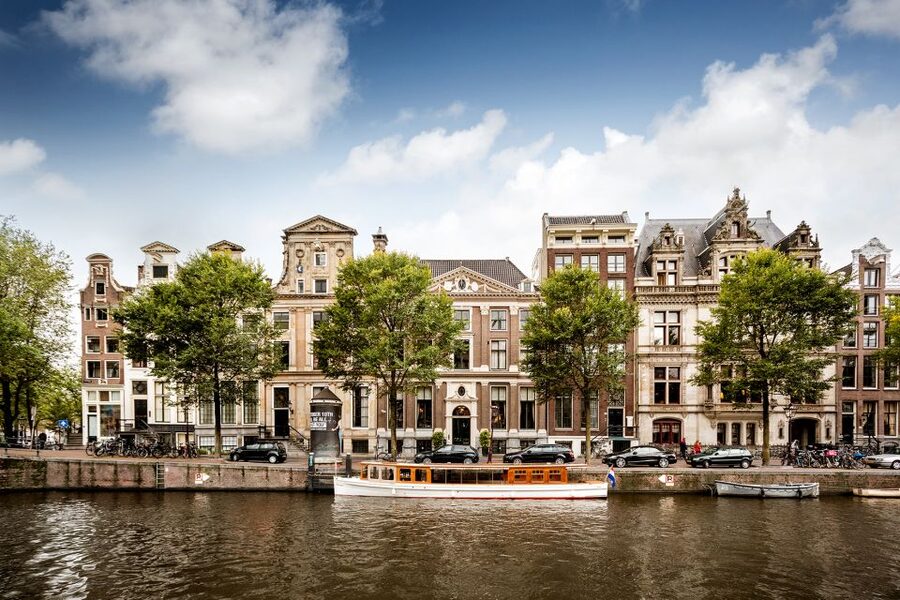
The Museum of the Canals, or Grachtenmuseum, is housed in a 17th-century canal house on the Herengracht, right in Amsterdam’s city center. That matters more than it sounds. In places like this, the building isn’t just a container—it’s part of the argument. You see the kind of architecture that made money, trade, and housing possible during the canal era.
I also like the way the museum’s format supports an easy self-guided pace. You’re not forced into one strict show-and-run schedule. Instead, you start with the museum’s broader explanation (multimedia) and then use the audiotour to connect details room by room. It’s a smart way to turn what could be a passive exhibit into something you can follow even if you’re short on time.
A few more Amsterdam tours and experiences worth a look



What You’ll See Inside: Permanent Exhibits and Temporary Rooms
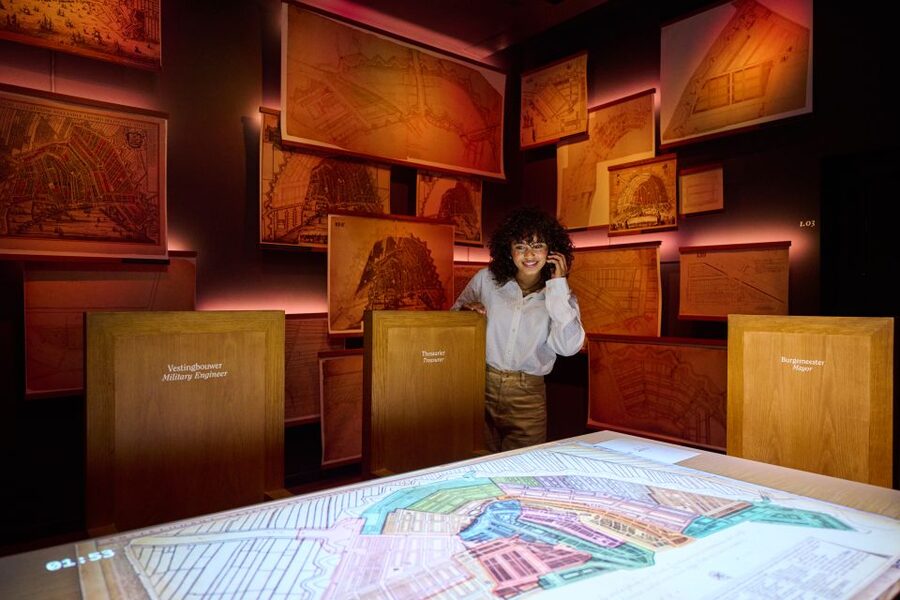
Your ticket covers both the permanent exhibition and temporary exhibitions. The permanent part is the anchor: it explains the evolution of Amsterdam through the lens of its canals—the core “why” behind the city’s layout and influence.
Here’s the practical takeaway: canals are easy to appreciate as a scenic postcard, but the museum pushes you toward understanding function. The exhibition looks at the canals as a system that moved people and goods, and as a shaping force for neighborhoods and daily life. Once you get that logic, you’ll start spotting canal patterns during your walks outside the museum.
The temporary exhibits add variety. They’re not described in detail here, so you should treat them as a bonus layer. If you’re the type who likes at least one fresh surprise on top of the main story, this setup is a good fit.
The Audio Guide: How to Get More Out of Every Room
The audiotour is included, and it’s available in a wide range of languages: Dutch, English, German, French, Spanish, Italian, Russian, Japanese, and Chinese. That broad language coverage is genuinely useful in Amsterdam, where even basic signage can push you to switch between languages quickly.
Since the audiotour accompanies the museum content, your best strategy is to use it as your navigation tool for meaning, not just translation. Move slowly enough to let the audio add context. When the audio explains why canals were built or how they supported movement, you’ll notice how the museum reinforces those points with the building’s period rooms.
One more thing: an audio guide is great for balancing attention. If you’re not into watching multimedia for long stretches, you can spend more time listening and less time staring at screens. If multimedia is your thing, you can reverse that balance. Either way, the audio keeps you anchored.
Amsterdam’s Canal Logic: Turning Scenery Into Understanding
The museum’s central message is straightforward: canals are the heart of Amsterdam, and to really get the city, you need to understand why they were built and why they still matter.
What that means in real life is this: canals weren’t just decorative. They helped shape how the city worked—how people moved, how goods reached the right places, and how neighborhoods grew around a water-based network. When you grasp that, Amsterdam becomes easier to read on your feet. Streets, bridges, and waterfront buildings stop looking random.
I also appreciate the museum’s future-looking angle. The canals aren’t presented as a museum piece that’s finished and gone. They’re framed as a continuing part of Amsterdam’s life. That’s a helpful mindset shift. You’ll leave thinking about the canals not only as a past achievement, but as ongoing infrastructure.
Multimedia and the 2026 Reality Check
A big part of this experience is the multimedia presentation that helps you travel back roughly 400 years. That’s a good way to set the stage fast. A visual intro gives your brain something to organize around—then the audio guide can fill in the details without feeling like random facts.
That said, there’s a downside that you should factor in. One criticism you’ll want to know upfront is that the animation may feel dated, especially if you’re used to modern interactive museum tech. If you’re sensitive to that, plan to rely on the audio tour and the physical canal house rooms as the main attraction.
In other words: don’t come expecting a high-production, brand-new digital world. Come for the story of the canals and the period rooms that make the story feel anchored.
You can also read our reviews of more guided tours in Amsterdam






Where It Fits in Your Day: A 1-Day Plan That Stays Flexible
This ticket is valid for 1 day, so you can choose a time slot based on what works with your Amsterdam schedule. Since the museum is in the center, it’s a natural stop on a walking day.
I’d think of it like this:
- Use the museum to learn the canal logic behind the city.
- Then spend the rest of your day walking nearby canals with a sharper eye.
You don’t need an ultra-packed itinerary to benefit here. The value is in pacing. If you rush, you’ll just see a canal house and some screens. If you give yourself time for the audio and the period rooms, the experience turns into a kind of city-translation tool.
Also, food and drinks aren’t included, so plan to grab a snack before or after. Even a short break can help you stay focused—this museum rewards attention.
Price and Value: Is $22 Worth It?
At about $22 per person, this ticket is priced like a mid-range museum experience. Is it worth it? For me, the value comes from the combination:
- A 17th-century canal house setting
- A structured story about Amsterdam’s canal system
- An included audio guide in many languages
- Access to both permanent and temporary exhibitions
If you love canal culture already, this ticket will feel efficient: you’ll get context quickly and then apply it outside. If you’re more neutral on history, you’ll still likely enjoy it more than you expect because the canals are the organizing principle of Amsterdam—and the museum explains that clearly.
If you’re mainly chasing high-tech visuals, the price might feel less like a bargain, especially given the note about older-feeling animation. But for the overall “understand the city from the inside” goal, $22 is a reasonable trade.
Who This Works Best For
This is a strong match if you:
- Want a better grasp of why Amsterdam looks the way it does
- Like museums where the building and subject matter connect
- Prefer an audio-led visit you can control at your own speed
- Want both the core story and extra rotating content through temporary exhibits
It’s also a good choice if you’re visiting with someone whose interests are broad. The canals touch urban planning, daily life, architecture, and trade. Even if you don’t love every exhibit, the canal theme keeps everything connected.
Accessibility: Easy to Plan With
The museum is wheelchair accessible. That’s important for planning, especially in Amsterdam where many attractions can be tricky depending on building layout. If mobility access matters for your group, this is a reassuring feature noted for the experience.
Should You Book the Museum of the Canals Ticket?
If you want a practical way to understand Amsterdam beyond canals-as-a-view, I’d book it. The strongest reasons are the Herengracht 17th-century canal house setting, the included audio guide across many languages, and the museum’s focus on what canals did and why they still matter.
If you’re very tech-sensitive and need everything to feel brand-new, you might find parts of the multimedia experience less satisfying. In that case, plan to lean on the audio and the period rooms, not the screens.
Overall: for most people, this is a smart, on-theme way to spend a slice of a day in Amsterdam—and it tends to pay off quickly the moment you step back outside.
FAQ
How much does the Museum of the Canals ticket cost?
The price is listed as $22 per person.
How long is the ticket valid for?
The ticket is valid for 1 day.
What’s included with the ticket?
You get entrance to the Museum of the Canals, including the permanent and temporary exhibitions, plus an audio tour.
Is food and drinks included?
No, food and drinks are not included.
What languages are offered for the audio guide?
The audio guide is available in Dutch, English, German, French, Spanish, Italian, Russian, Japanese, and Chinese.
Is the museum wheelchair accessible?
Yes, it’s wheelchair accessible.
Where is the museum located?
It’s located on the Herengracht in Amsterdam (city center).
Is there free cancellation?
Yes. You can cancel up to 24 hours in advance for a full refund.
Can I reserve now and pay later?
Yes. The offer is reserve now & pay later, meaning you can book your spot and pay nothing today.