
REVIEW · OSLO
The Fram Museum Admission Ticket
Book on Viator →Operated by Frammuseet · Bookable on Viator
Oslo has one museum that feels like a time machine. With prepaid entry, you can step onto original ships and hear how Norwegian crews tackled the High North. It’s built for hands-on learning, from ships you can explore to a short film that sets the tone fast.
I love how much you get from your ticket in a short visit. Two big winners are the chance to walk through the ships (including life below deck) and the Gjøa-focused exhibits that connect exploration history to the real challenges facing today’s Arctic.
One possible drawback: it can get busy, and you’ll want a plan if you like reading carefully—some parts depend on what’s running that day (like cinema access).
In This Review
- Key Things to Know Before You Go
- Fram Museum Admission Ticket: What You’re Really Paying For
- Inside the Fram and Gjøa Buildings: Why Walking the Ships Matters
- The Big Expeditions Exhibits: Fram Expeditions, Northwest Passage, and More
- High North Today: Polar Bears, Ice Melt, and the Gas-and-Oil Reality Check
- N25 Flight 4D Cinema: When You’ll See It and What It Adds
- A Smart 1–3 Hour Plan That Doesn’t Leave You Feeling Rushed
- Price and Value: Is $19.38 a Good Deal?
- Location, Timing, Mobile Ticket, and the Small-Group Feel
- What’s Included vs Not Included: Plan Your Day Accordingly
- Who Should Book This Ticket (and Who Might Skip It)
- Should You Book the Fram Museum Admission Ticket?
- FAQ
- How long should I plan to visit the Fram Museum with this ticket?
- What is included with the admission ticket?
- Is the experience offered in English?
- What are the opening hours?
- How will I receive the ticket?
- Can I cancel for a full refund?
Key Things to Know Before You Go

- Original ships inside the museum: You can move around the vessels, not just view them behind glass.
- Gjøa and the Northwest Passage story: The museum highlights Gjøa’s role as the first ship through the whole Northwest Passage.
- Ten-language explanations: Text is available across many languages, so you’re not stuck with just one.
- N25 Flight 4D cinema included: You get a polar-introduction film on a set schedule.
- High North issues aren’t ignored: Polar bears, ice melt, plus gas and oil show the science-and-society side.
- Small group cap (14): Your visit stays manageable, which helps if you’re trying to take your time.
Fram Museum Admission Ticket: What You’re Really Paying For
For about $19.38, you’re not buying a long guided tour. You’re buying entry to a museum that’s built around real artifacts—two ships you can explore and exhibitions that explain the why behind the voyages. The ticket is offered in English, and it uses mobile ticket entry, which is exactly what you want in a place where schedules matter.
The total visit window is about 1 to 3 hours, which matches how the museum is laid out: you can rush through in roughly an hour, but the best experience happens when you slow down and read. If you’re the type who likes to linger over maps, routes, and ship details, plan closer to the 2–3 hour end.
This is also a good value for families. The museum is structured so kids can physically walk the ships while adults read the ship history and expedition context. You won’t feel like you’re “dragging” anyone.
A few more Oslo tours and experiences worth a look



Inside the Fram and Gjøa Buildings: Why Walking the Ships Matters
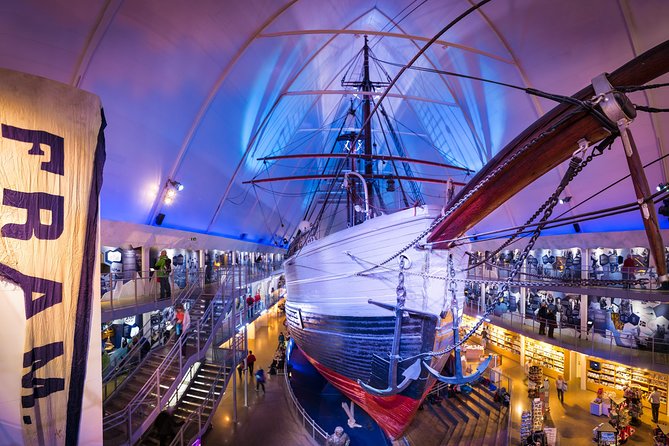
The museum’s most powerful hook is simple: the ship is there. Not a model. Not a replica behind a barrier. You can walk through the Fram and explore the Gjøa connection through the museum spaces.
That changes everything. On land, it’s easy to imagine harsh winters and tight living quarters. Inside the ship, you’re faced with the scale of the rooms, the way people would move around daily, and how survival and routine were tied together. It makes the stories more believable because you can physically understand the limits.
One detail I’d pay attention to is the museum’s ship-to-ship layout. The June 2013 Gjøa building links to the Fram building via an underground tunnel. That tunnel isn’t just a shortcut. It’s part of the experience flow, and it’s the kind of “cold” transition that makes you feel like the Arctic is creeping into the building.
Practical tip: if you’re short on time, don’t start in every room at random. Start with the ship spaces first, then circle back for the wall texts once you know what you’re looking at.
The Big Expeditions Exhibits: Fram Expeditions, Northwest Passage, and More
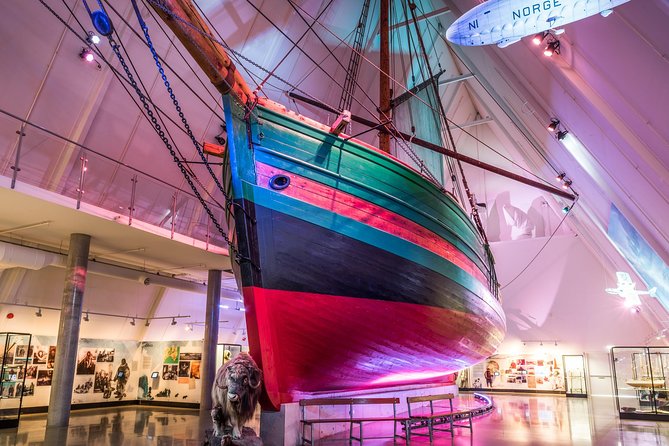
The main Fram building covers the three great Fram expeditions, with explanatory texts available in ten languages. The writing isn’t just trivia; it gives you a framework for understanding what the crews were trying to accomplish and why the ship design mattered.
Then the museum expands outward in the Gjøa building. This section is built around Gjøa’s historic claim to fame: it was the first ship to navigate the whole Northwest Passage. That’s an important storyline because it shifts the museum from “polar theater” to real navigation, real route decisions, and real risk.
You’ll also see brand new historical exhibitions tied to multiple eras of polar exploration, including:
- expeditions of Gjøa and Maud
- aircraft N24 and N25
- the airship Norge
- John Franklin’s legendary expedition
- voyages of Henry Larsen and Eivind Astrup
Why this matters for you: it prevents the museum from feeling stuck in one century. You see how Arctic exploration evolved—from ships to aircraft and airships—and how the tools changed, even when the environment stayed unforgiving.
If you’re a map person, this museum rewards you. You’ll likely spend time moving between maps, timelines, and ship-room context. That’s exactly how to make a 2-hour visit feel fuller without turning it into an all-day marathon.
High North Today: Polar Bears, Ice Melt, and the Gas-and-Oil Reality Check
Not every polar museum stops at history. This one continues into current issues facing the High North, including:
- polar bears
- ice melting
- gas and oil
That modern section works best if you treat it like a “why it still matters” chapter. It connects the bravery-and-science stories from the expeditions to the present-day stakes people are dealing with now.
The tone is educational rather than political, and it’s a solid contrast to the physical experience of walking a ship. You’ll leave with both sides: how people lived in extreme conditions, and what those conditions are changing into.
If you’re traveling with teens, this is also a nice way to keep them interested. The modern topics can be discussed like a science lesson, while the ships keep it hands-on.
N25 Flight 4D Cinema: When You’ll See It and What It Adds
Your ticket includes N25 Flight 4D Cinema. This isn’t a random add-on; it’s part of the museum’s way of resetting your perspective before you go deeper into the exhibits.
The cinema uses a 116-seat setup, and the museum shows a polar introduction movie every 15 minutes. That schedule detail matters if you’re trying to time your visit. If you walk around for an hour and then realize you missed the right moment, you might end up waiting longer than you planned.
What the cinema does well is set mood and context. Some visitors also mention storm-and-ice related effects while seated, which helps explain why the ship experience can feel so real. It’s the kind of feature that gives you a mental “weather map” before you look at how explorers handled that weather.
Best approach: if you’re the kind of person who likes orientation, plan to catch the film early—then your ship rooms and expedition stories connect faster.
You can also read our reviews of more museum experiences in Oslo

A Smart 1–3 Hour Plan That Doesn’t Leave You Feeling Rushed
Because your ticket covers a self-guided visit (with cinema included), you get to choose your pace. But the museum is packed with small details, so a loose plan helps.
Here’s a simple flow that fits the way the museum is set up:
- Start with the ship walk-through areas so you understand the scale of what you’re seeing.
- Then move into the main exhibits for the Fram expeditions and the Gjøa story.
- Fit the 4D cinema when it’s convenient, using the every-15-minutes schedule to your advantage.
- Finish with the modern High North issues if you still have energy (or save it if you prefer a “last chapter” feeling).
If you only have about 1 hour, focus on the most central story threads: Fram expeditions in the main building and the Gjøa-focused areas. Don’t get stuck reading every panel if time is tight.
If you have closer to 3 hours, you’ll likely enjoy lingering with maps, route explanations, and timeline sections. That’s where the museum earns its reputation as a place you can spend real time in without it feeling repetitive.
Price and Value: Is $19.38 a Good Deal?
At around $19.38, this ticket pricing sits in the “worth it if you’ll actually use it” category. Here’s why the value can be strong:
- You’re not paying just for exhibits behind glass. You get access to walkable ships, which is the main reason this museum feels different.
- You also get a cinema feature (N25 Flight 4D) included in the admission, so you’re not hunting for separate attractions.
- The museum is in English and uses additional text support (ten languages in the main exhibition), so you’re less likely to feel shut out.
What could make it feel less valuable: if you’re the type who hates crowds, or if you show up with only 30–45 minutes and can’t use the ship access fully. In that case, you may spend money on entry but not get enough time to justify it.
My rule for you: if Oslo is your base and you want one polar-history anchor, this is a good pick. If you’re doing multiple museums in one day and you tend to skim, you might feel pressure to shorten your visit.
Location, Timing, Mobile Ticket, and the Small-Group Feel
The museum runs from 10:00 AM to 5:00 PM, Monday through Sunday, and the hours listed cover 09/01/2021–02/04/2027. So you can usually fit it into a normal travel day without needing an early start.
It’s also near public transportation, which is a big deal if you don’t want to build your day around one museum stop. Many visitors note that it can feel a bit remote, so give yourself extra time for getting there and back, especially if you’re juggling other Oslo plans.
Ticket handling is simple: you’ll get a mobile ticket. That means fewer printouts and less friction when you arrive.
Two more practical notes:
- The experience is capped at a maximum of 14 travelers, which should help keep the ship-walking areas from feeling totally chaotic.
- Service animals are allowed, with an ID requirement. If you travel with a service animal, this is worth keeping in mind ahead of time.
What’s Included vs Not Included: Plan Your Day Accordingly
The ticket includes:
- Gjøa
- N25 Flight 4D Cinema
What’s not included:
- Food and drinks
That last point sounds obvious, but it affects your pacing. If you’re visiting during a time when you’re hungry, you’ll need to decide whether to stop for a meal near the museum or build your visit around a café break elsewhere in Oslo.
Because the visit can realistically run 2–3 hours depending on how much you read and explore, I’d plan a food window before or after, not in the middle—unless you’re comfortable grabbing something quick nearby.
Also keep an eye on timing. One outlier experience was described as tickets showing an earlier open time, then the museum being closed, which threw off the day. That’s not something you can control, but it’s a reminder to double-check opening status close to your visit.
Who Should Book This Ticket (and Who Might Skip It)
You should book if:
- you like ships, real artifacts, and understanding how people lived
- polar exploration is your thing, from sea voyages to the airship and aircraft eras
- you want a museum you can do at your own pace but still feel guided by exhibits and cinema
You might skip or reconsider if:
- you strongly dislike crowds and long walks inside tight spaces
- you’re visiting only one museum and you mainly want art or modern design
- you only have a short window and you tend to skim everything quickly
This is also a strong family choice. Ship walk-through areas and short films make it easier for kids to stay engaged without turning it into a lecture.
Should You Book the Fram Museum Admission Ticket?
Yes, with an easy condition: if you’ll spend real time inside and take the ship walk seriously, this ticket is a smart use of your Oslo day. The biggest value is that you get access to the original ships and can move through how the crew lived, not just read about it.
If you’re trying to choose between “one polar museum” and “skip museums,” this is an easy pick. If you’re trying to do a museum sprint across Oslo, at least plan to catch the 4D film and hit the core ship spaces. That way your money and time both land well.
FAQ
How long should I plan to visit the Fram Museum with this ticket?
Plan for about 1 to 3 hours. Most people spend around that range depending on how much time they take to read exhibits and walk through the ships.
What is included with the admission ticket?
The ticket includes Gjøa and the N25 Flight 4D Cinema.
Is the experience offered in English?
Yes, it’s offered in English.
What are the opening hours?
The museum lists hours from 10:00 AM to 5:00 PM, Monday through Sunday.
How will I receive the ticket?
You’ll receive a mobile ticket, and confirmation is received at the time of booking.
Can I cancel for a full refund?
Yes. You can cancel up to 24 hours in advance for a full refund. If you cancel less than 24 hours before the start time, the amount paid isn’t refunded.