REVIEW · OSLO
Oslo: Oslo Discovery Tour with 2 Museums Included
Book on GetYourGuide →Operated by H.M.Kristiansens Automobilbyrå AS · Bookable on GetYourGuide
Oslo can feel huge fast, but this tour keeps you moving. You’ll cover major landmarks by comfortable coach and finish with two museums on the Bygdøy Peninsula.
I really like two parts: the photo stop at the Holmenkollen Ski Jump with big-city fjord views, and the guided walk through Vigeland Sculpture Park with a real sense of Gustav Vigeland’s life and work.
One heads-up: you do some walking on steps and uneven ground, and the museums are time-efficient rather than slow and leisurely.
In This Review
- Key takeaways before you go
- Getting your bearings on Oslo’s best-known sights by coach
- Holmenkollen: the ski jump views that make Oslo feel Nordic
- Vigeland Sculpture Park: walking through one artist’s idea of life
- Bygdøy Peninsula museums: polar adventures plus a seasonal culture stop
- Fram Museum: the polar ship you can actually see
- Norwegian Folk Museum in summer, Kon-Tiki Museum in winter
- The people factor: guides like Anitta, Harold, Elena, and others
- Price and value: bundling sights, walking, and two museums
- What to watch for during the 5.5 hours
- Should you book Oslo Discovery Tour with 2 Museums Included?
- FAQ
- What museums are included?
- Which museum do I visit in summer vs. winter?
- Are there changes on specific days or months?
- How long is the tour?
- Where do I meet the guide?
- Is lunch included?
- How much walking is involved?
- Is the tour guided in English?
Key takeaways before you go
- Holmenkollen photo stop: quick but dramatic views from the ski-jump hill
- Vigeland Park guided walk: better than wandering alone, especially for first-timers
- Fram Museum included: you get the polar-ship story with the ticket handled
- Seasonal museum choice: Folk Museum in summer, Kon-Tiki in winter
- Lots of sights by coach: you’ll see downtown highlights without planning routes
- Hearing tip: the walking portion can get noisy in bigger groups, so choose your spot
Getting your bearings on Oslo’s best-known sights by coach
This is the kind of Oslo day that works when you want big-picture orientation fast. You meet at Haakon VIIs gate 1 (near the toy shop Sprell), then hop onto a modern, air-conditioned coach marked Oslo Sightseeing. Your voucher gets exchanged on the bus, and you’re off.
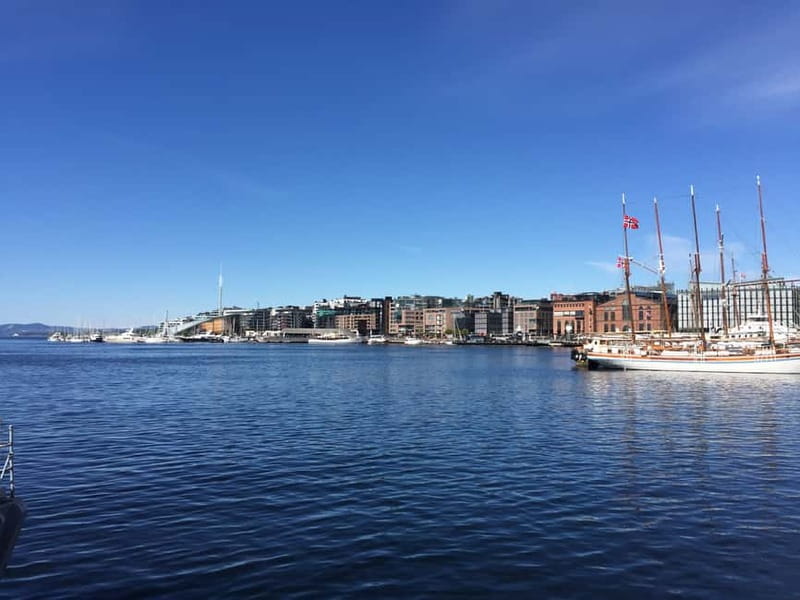
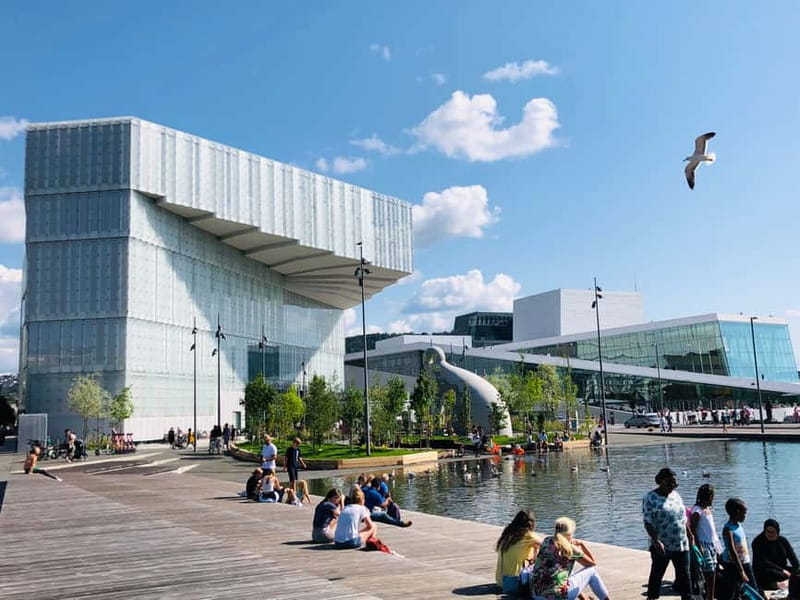
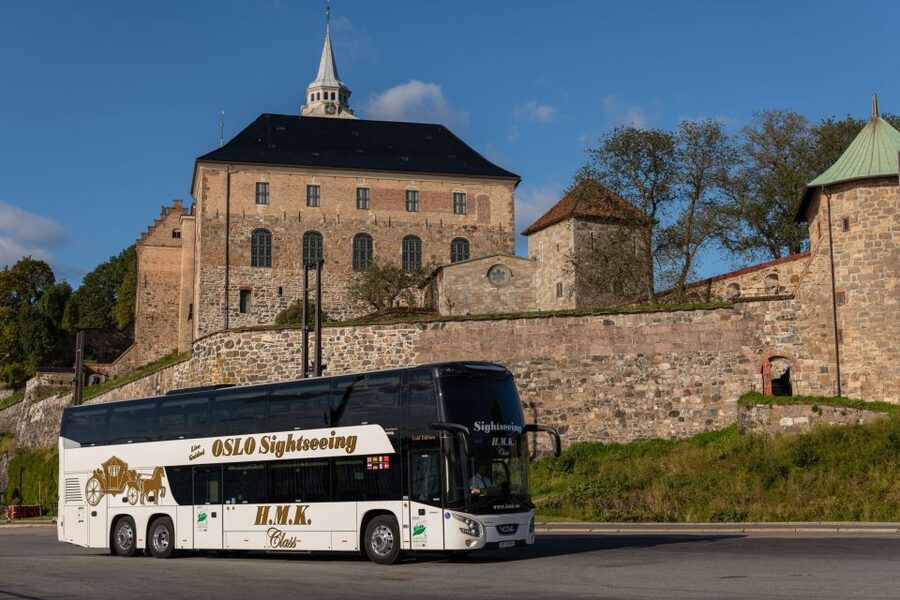
The driving route is built around Oslo’s signature mix: royal-style buildings, government architecture, waterfront development, and the cultural stops that anchor the city center. From the coach, you’ll pass the Royal Palace, City Hall, the Parliament building, and the Old Town area with Akershus Fortress and Castle. That matters because Oslo isn’t just one “main square.” It’s a chain of districts, and a loop like this helps you understand how everything fits together.
There’s also a practical rhythm to it. You get to ride between stops while a live English guide fills in context. Then you get brief moments to look, photograph, and mentally label what you’re seeing. For first-time visitors, that labeling step is huge. It’s the difference between vaguely seeing buildings and actually knowing what they are.
If you like museums but hate decision fatigue, you’ll appreciate how the tour folds in transportation, timing, and entry. One review highlighted how people loved the mix of bus time plus walking time, and that’s the sweet spot here: you aren’t stuck only on the pavement, and you aren’t stuck only looking out a window either.
You can also read our reviews of more museum experiences in Oslo



Holmenkollen: the ski jump views that make Oslo feel Nordic
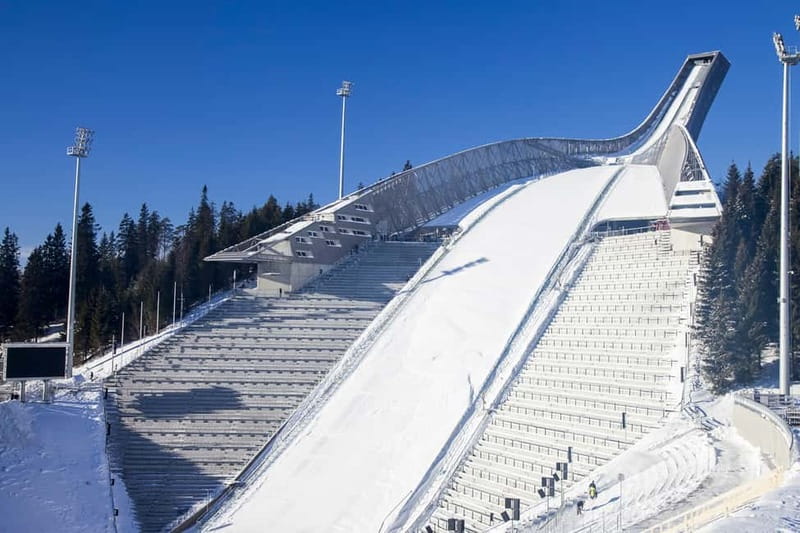
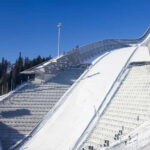
After downtown, the tour heads up toward the Holmenkollen area. This is where Oslo’s “winter-sport Norway” personality shows up in real, physical form. The ski jump sits on top of the hill, and you get a photo stop at Holmenkollen Ski Jump rather than just seeing it from a distance.
Even if you’re not a sports person, this stop hits because of the scale. You’re looking at a structure designed for one purpose, on a spot built for views. The coach and the guide set you up for it: you get the panoramic context over the city and the fjord, then you’re there long enough to take photos and enjoy the air.
What I like about this part is that it breaks the tour’s pace in a good way. Downtown is all stone-and-stories. Holmenkollen adds a dramatic “up there” feeling, so the whole day stops being only about buildings.
Cold weather tip: bring a layer. Reviews mentioned weather can be cold, windy, and rainy. Even when the stop is brief, you’re standing outside for photos.
Vigeland Sculpture Park: walking through one artist’s idea of life
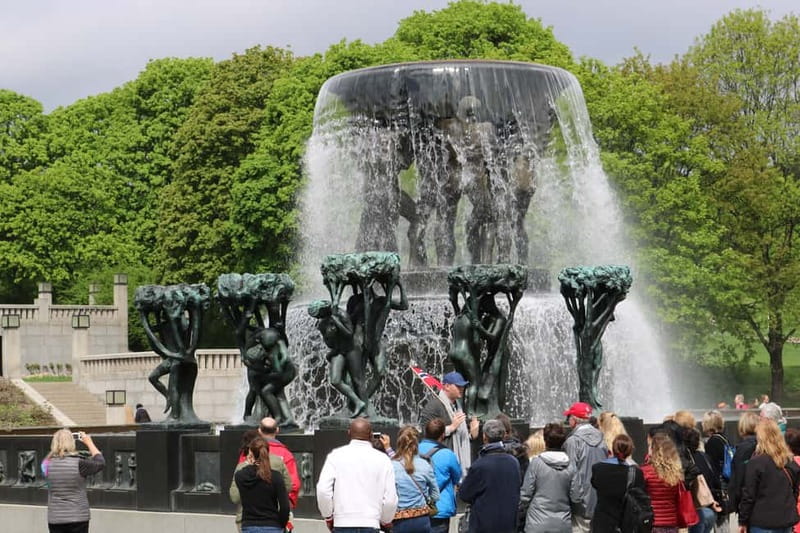
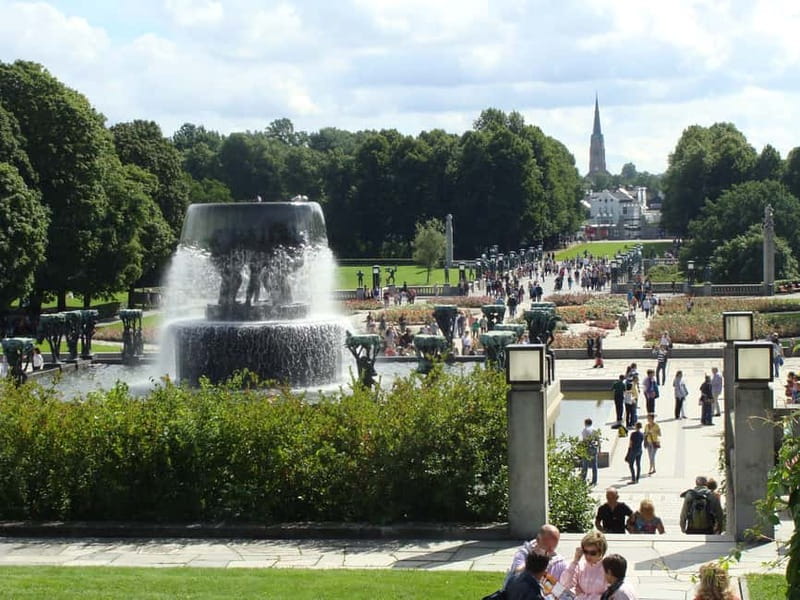
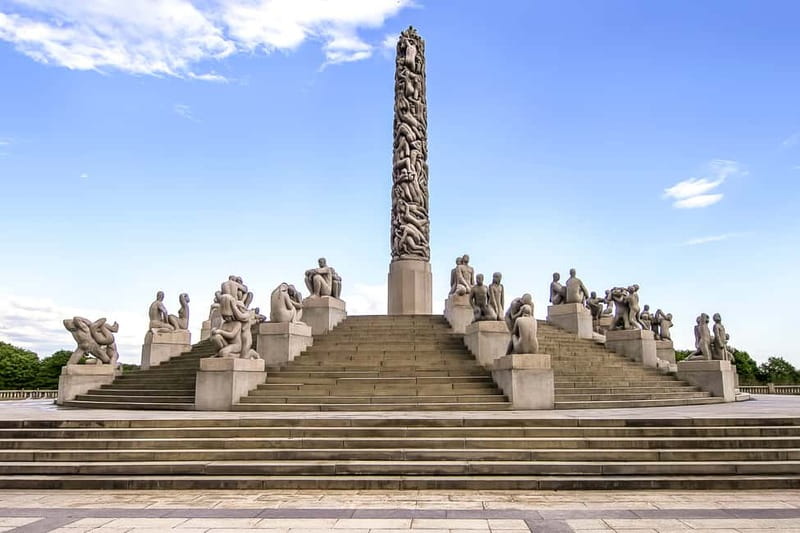
Next comes the part many people remember most: Vigeland Sculpture Park. This is where the tour swaps speed for meaning. You get a guided walking tour in the park, which includes interpretation you’d likely miss if you just wandered through on your own.
The park is tied directly to Gustav Vigeland, Norway’s most prolific sculptor. The setting is built for strolling, but it’s not a “flat sidewalk” experience. There’s uneven terrain and some steps, so wear shoes that handle scuffs and slick patches.
What makes the guided component valuable is the way it connects the art to the artist’s life and themes. You’re not only looking at figures; you’re learning what they represent and why Vigeland kept returning to certain ideas—human development, relationships, motion, and emotion. The park contains more than 200 groups of sculptures cast in bronze or carved in granite, and the guide helps you avoid the common trap: seeing a lot but understanding little.
One more practical point: the group can be large, and walking tours can get loud. If you’re near the front, you’ll likely hear better. A review also noted the walking part could be hard to hear with a group gathered close together, so position yourself where you can catch the guide’s words.
Bygdøy Peninsula museums: polar adventures plus a seasonal culture stop
After the park, you head to the Bygdøy Peninsula, a scenic part of Oslo where several museums cluster. This is a smart end to the day. Instead of cramming more downtown monuments, you shift into indoor storytelling—perfect when the weather turns.
Fram Museum: the polar ship you can actually see
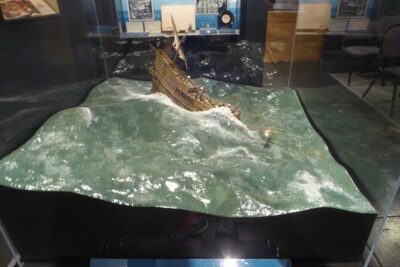
The Fram Museum is included on this tour, and you get the entrance ticket bundled. The headline is the original polar ship Fram. It’s known for being exceptionally strong as a wooden ship that sailed farthest north and farthest south—so you can stand there and connect the idea of exploration to the physical reality.
For me, the value is that you’re not just looking at artifacts. You’re learning about the Norwegian polar expeditions in a structured way. The museum is a strong finish because it gives you something to remember that isn’t purely architectural. It’s a story of engineering, survival, and ambition—very Norway, very specific.
If you’re the type who likes history tied to objects, this is where your attention usually locks in. And since the ticket is handled, you can spend your brain on the content, not the logistics.

Norwegian Folk Museum in summer, Kon-Tiki Museum in winter
This tour chooses one of two museum experiences depending on the season:
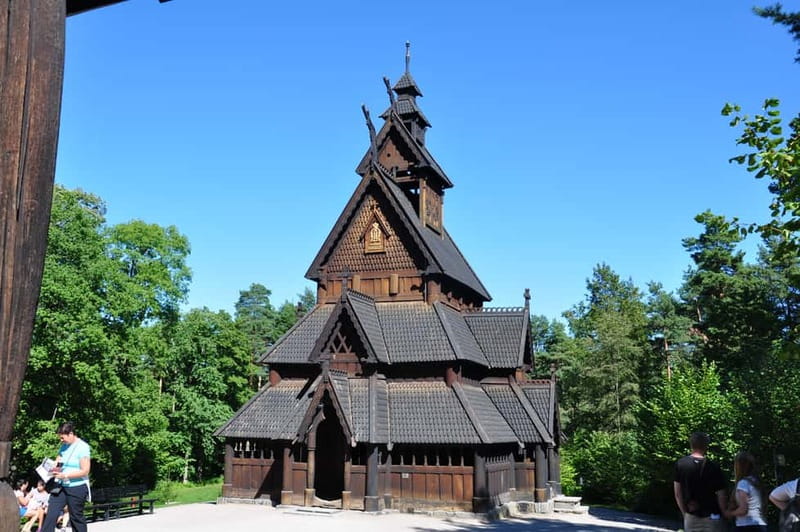
- In the summer season, you visit the Norwegian Folk Museum, including its outdoor collection of old Norwegian houses and a picture-perfect stave church.
- In winter, you visit the Kon-Tiki Museum, centered on the balsa raft that crossed the Pacific Ocean in 1947.
The big idea here is variety. You’ll go from the polar-world of Fram into either everyday historical Norway (Folk Museum) or an exploration story that’s more global and pop-culture famous (Kon-Tiki). The switch makes sense because the tour is trying to keep the outdoor portion aligned with conditions.
One operational detail you should know: on Mondays in April and October, and during the season November to March, the Kon-Tiki Museum with the Kon-Tiki raft will be visited instead of the Folk Museum. So if you’re traveling shoulder-season, the museum choice can flip.
Outdoor museum walking note: the Folk Museum includes an open-air setup with uneven terrain and steps. If you choose the summer version, treat it like a museum walk outdoors, not a quick gallery stop. If you’re going in cooler months, you’ll likely appreciate that Kon-Tiki is inside and easy on your feet.
The people factor: guides like Anitta, Harold, Elena, and others
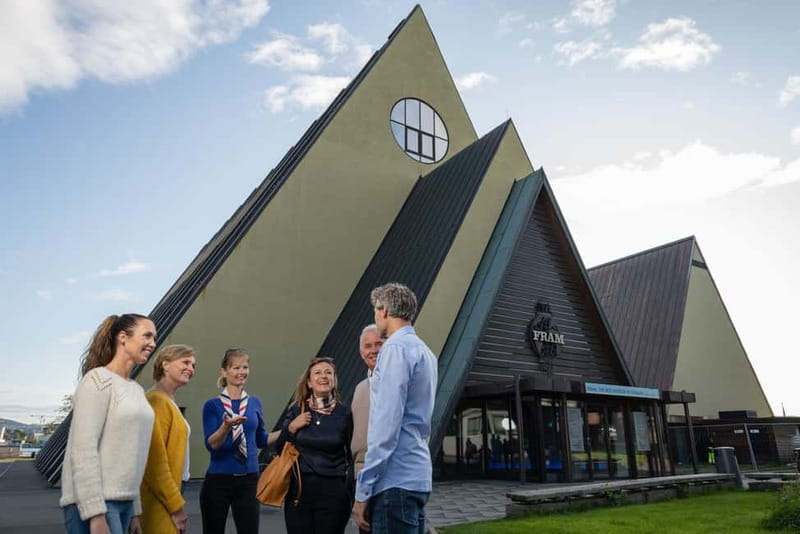
A coach tour lives or dies on the guide’s storytelling. In the feedback for this experience, names like Anitta, Harold, Elena, Randi, Christopher (often shortened to Chris), Siri, and Margaret come up as standout guides. The shared pattern is that they mix history with humor and pace the day so you don’t feel rushed the whole time.
A key point: good guiding here isn’t only about facts. It’s about knowing what to point out from the bus and how to frame what you’ll see later in the park and museum. Reviews also mention the guide’s enthusiasm and how they kept the information easy to follow. That matters because this is a packed program, and you’ll remember more if the guide helps you connect dots.
If you want the best version of this tour, arrive on time and stay alert early in the day. The guide’s main job is to give you context while you’re moving, not to explain everything after you’ve already passed it.
Price and value: bundling sights, walking, and two museums
At about $98 per person for roughly 5.5 hours, the value comes from what’s included rather than what’s excluded. You get:
- a guided, panoramic sightseeing tour by coach
- a guided walking tour in Vigeland Sculpture Park
- photo stop at Holmenkollen Ski Jump
- entrance tickets for Fram Museum and the seasonal museum
- a live English guide
Lunch isn’t included, and you’re not doing hotel pickup/drop-off. But for many people, the trade-off is that you save time. You also avoid spending energy figuring out transport between districts and museum entrances.
One review summed up the feeling well: the tour cost can feel close to buying things separately, but you get a “managed day” with a guide and a modern bus. That’s the real benefit. You’re paying for a tight route, not just sightseeing.
Who gets the most from it? If you want to see Oslo’s big highlights without stitching together buses, walking maps, and museum tickets yourself, this is a solid match.
What to watch for during the 5.5 hours
This day is efficient. That’s good, but it also sets expectations.
You’ll be on your feet during the park and potentially at the open-air Folk Museum in summer. The tour description calls for a moderate amount of walking on steps and uneven terrain. So wear sturdy shoes and bring a jacket even if the day starts mild.
Time is also tight inside the museums. The experience includes entrance tickets, but it doesn’t suggest you’ll have hours and hours. If you’re the kind of person who reads every sign in detail, consider using this as a primer and then returning later on your own. You’ll get the main story today either way.
Finally, plan for weather. Reviews mention cold, windy, and rainy conditions. Oslo weather can change fast. Bring layers, and keep a small umbrella or rain jacket in mind if you’re going outside during photo stops or the park walk.
Should you book Oslo Discovery Tour with 2 Museums Included?
I think this tour is worth booking if you’re on a first visit and want a guided route that hits the landmarks most people come to Oslo for, plus museum time that’s actually included. The Vigeland Sculpture Park guided walk and Fram Museum entry are the two “core value” pieces, and Holmenkollen adds a memorable Oslo-only view.
I’d skip it or add backup planning if you want slow museum wandering, or if uneven terrain is a problem for you. Also, if you’re picky about hearing details during walking segments, choose your spot near the guide so you don’t miss the stories.
If your goal is a smart, time-efficient Oslo day with real context, this is a strong option.
FAQ
What museums are included?
The tour includes the Fram Museum plus either the Norwegian Folk Museum or the Kon-Tiki Museum, depending on the season.
Which museum do I visit in summer vs. winter?
In summer, you visit the Norwegian Folk Museum. In winter, you visit the Kon-Tiki Museum.
Are there changes on specific days or months?
Yes. On Mondays in April and October, and during the season November to March, the Kon-Tiki Museum is visited instead of the Norwegian Folk Museum.
How long is the tour?
The duration is about 5.5 hours. Starting times depend on availability.
Where do I meet the guide?
Meet at Haakon VIIs gate 1, 0161 Oslo, Norway, at the bus station nearby the toy shop Sprell.
Is lunch included?
No, lunch is not included.
How much walking is involved?
There is a moderate amount of walking, including steps and uneven terrain in Vigeland Sculpture Park and in the open-air Folk Museum (during the summer season).
Is the tour guided in English?
Yes, the tour includes a live guide in English.