REVIEW · CENTER FOR PUPPETRY ARTS
Center for Puppetry Arts: Worlds of Puppetry Museum
Book on GetYourGuide →Operated by Center for Puppetry Arts · Bookable on GetYourGuide
Puppets are the fun kind of history. At the Center for Puppetry Arts, you can wander a Worlds of Puppetry Museum that mixes world traditions with a major Jim Henson collection, all at a pace you control. I especially like how the museum combines real artifacts with hands-on moments, and how it lets you step into the story of familiar characters through staged settings and display cases. One thing to consider: the museum rotates many puppets for preservation, so the exact items you see may not match what you expect from photos online.
If you want a calm visit with your own rhythm, this works well. You’ll start with the broader puppetry traditions in the Global Collection, then move into the Henson-focused galleries and the Interactive TV Studio where you can put on your own show. The tradeoff is that it is self-guided rather than performance-based, so plan to spend time reading, watching, and moving through exhibits instead of waiting for scheduled entertainment.
In This Review
- Key things I’d make a point to see
- Entering the Center: lobby start and a self-guided game plan
- The Global Collection: puppets as tools for teaching and communication
- The Jim Henson Interactive Collection: office to Television Studio
- Interactive TV Studio: put on your own puppet show
- What the museum includes versus what it doesn’t
- Price and value: why $17 can feel like more than a museum ticket
- Rotating puppets and why your photos might not match
- Practical tips: how to get the most from a self-guided museum
- Who should book this museum (and who might prefer something else)
- Should you book Worlds of Puppetry Museum?
- FAQ
- How much does the Center for Puppetry Arts: Worlds of Puppetry Museum cost?
- How long is the experience?
- Is the museum visit self-guided?
- What is included with the ticket?
- Are performances included?
- Is flash photography allowed?
- Do children need tickets?
- Is there free parking?
- Is the museum wheelchair accessible?
Key things I’d make a point to see
- The Global Collection by continent, with teaching-focused puppets and hands-on interactives
- Jim Henson’s work in chronological form, including environments like Jim’s Office and the Television Studio
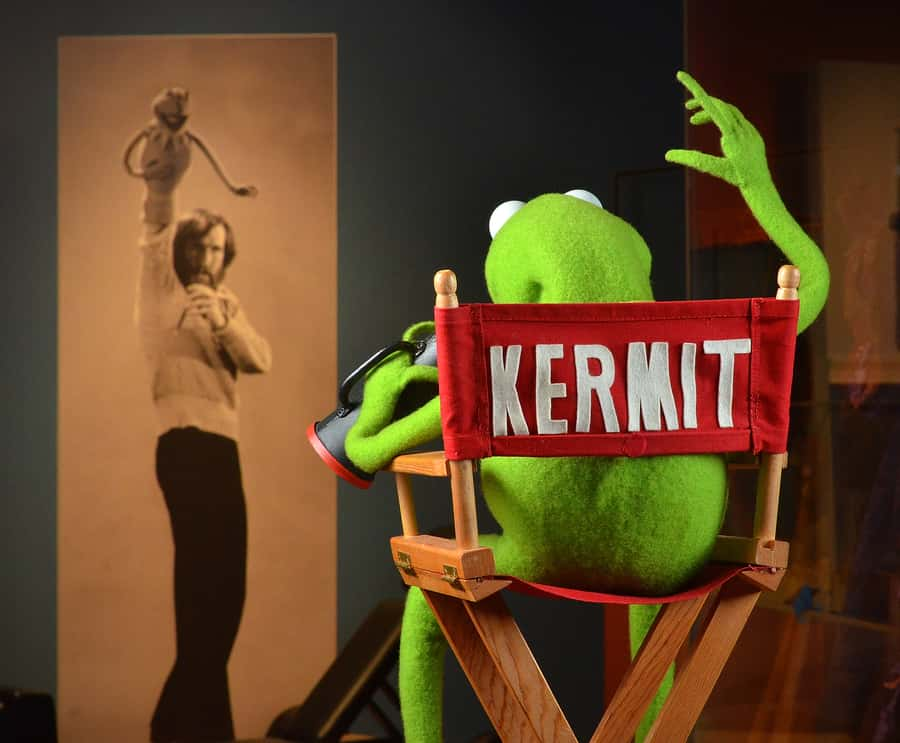
- Iconic characters up close, including puppets such as Kermit the Frog and Miss Piggy
- The Interactive TV Studio, where you create your own puppet show moment
- Rotating displays, meaning the museum experience changes and you might see different puppets than expected
Entering the Center: lobby start and a self-guided game plan
You enter at the Center for Puppetry Arts lobby, then you’re on your own to explore. That sounds basic, but it matters. A self-guided museum lets you linger with whatever pulls you in, whether that’s the smaller regional displays in the Global Collection or the big-name Henson world where the exhibits feel like you’re walking through a creative universe.
You’ll also want to know the practical house rules before you arrive. Flash photography isn’t allowed, so if you’re used to rapid point-and-shoot photos, plan for slower phone-free viewing and normal lighting. If you’re the type who saves your camera for one or two favorite rooms, you’ll be fine.
One more good planning detail: free onsite parking is available, which is a big relief for an indoor day-trip. And tickets are required for everyone ages 2 and up, so it’s worth checking your group list early.
The Global Collection: puppets as tools for teaching and communication
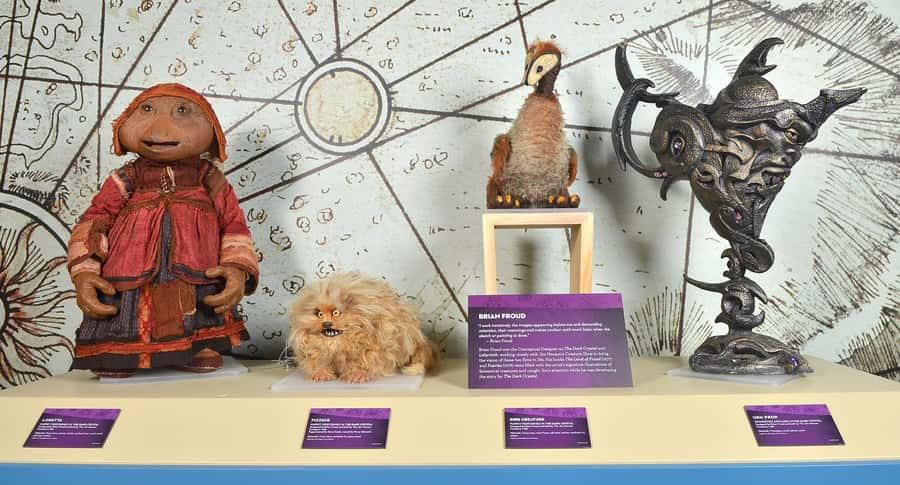
The heart of the museum’s world-building is the Global Collection, where puppetry traditions are presented across major regions. What I like here is the museum’s framing. Instead of treating puppets like random art objects, it explains how puppets have served as teaching and communication tools in different cultures.
The collection is organized by continent, so you’re not stuck trying to connect the dots from a single hallway. You move from region to region and start to notice patterns: different materials, different performance styles, and different ways puppets helped people share stories. Along the way, you’ll see artifacts displayed with contextual backdrops and interactives designed for people who learn by doing, not just reading.
This is a smart choice for families, too. Kids often get bored when exhibits stay purely text-based. Here, the museum leans into hands-on interactives, which gives you permission to slow down and participate instead of sprinting through rooms.
The Jim Henson Interactive Collection: office to Television Studio
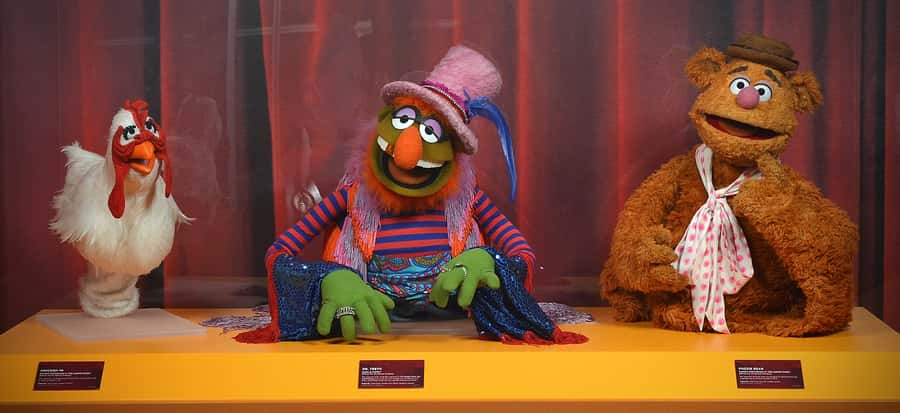
When you shift from the Global Collection to the Interactive Jim Henson Collection, the museum changes tone. You’re no longer asking how puppets work in different cultures. Now you’re watching how one creator’s imagination became a full ecosystem of characters, sets, and performances.
The museum presents Henson’s world in a chronological way, which helps you understand the scale of his output. Instead of jumping straight to the most famous faces, you can follow the progression of ideas and environments that shaped how the work came to life.
Two specific exhibit areas are worth your attention because they help you picture the behind-the-scenes magic. The museum includes environments such as Jim’s Office and the Television Studio. Even if you’re not a puppetry “insider,” these settings make the exhibits easier to understand. You get a sense of process: how creative work becomes characters, how characters become stories, and how stories become repeatable performances.
And yes, you’ll encounter recognizable icons—Kermit the Frog and Miss Piggy are mentioned among the display highlights. If you love Muppets-style humor or grew up on that kind of TV tone, seeing these puppets up close tends to hit a different way than watching them on a screen.
Interactive TV Studio: put on your own puppet show
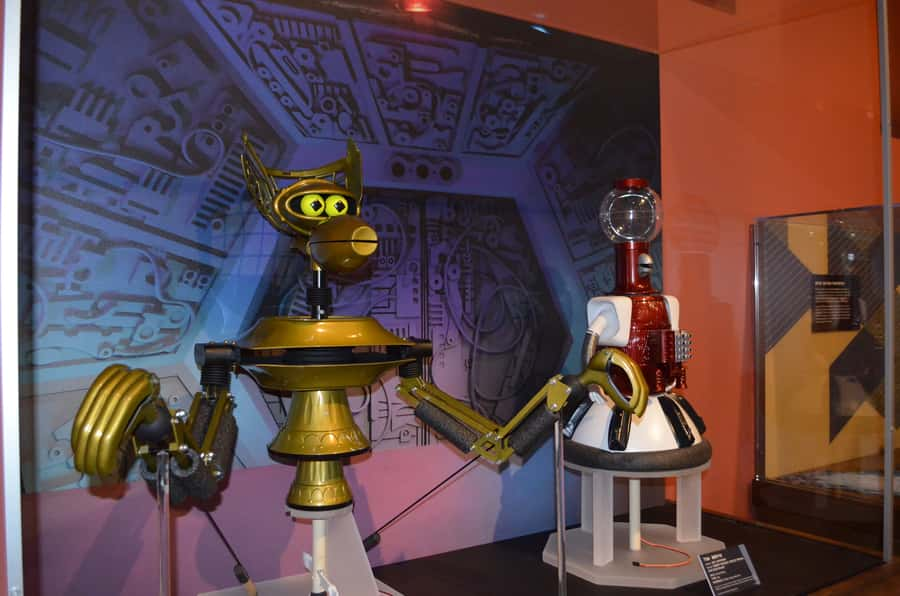
The museum’s biggest hands-on payoff is the Interactive TV Studio. This is where you don’t just look at puppets—you participate in the performance moment.
The idea is simple: you get to put on your own puppet show. That may sound like a small add-on, but it changes the whole experience. Exhibits explain how puppets move, how voices and motions can create personalities. Then the studio gives you that immediate cause-and-effect: you move the puppet, you see how it comes across, and you get to experience the performance vibe without needing any special background.
It’s also a helpful stop for mixed-age groups. For some people, reading about puppetry traditions is fun. For others, the “I want to do it” part matters more. The TV Studio gives both types a reason to stay engaged.
If you’re visiting with kids, this is the room where you’ll likely spend the most time, because it’s the least passive. For adults, it’s a break from exhibit reading without being childish.
What the museum includes versus what it doesn’t
This experience includes entrance into the Center for Puppetry Arts, Worlds of Puppetry Museum. That’s important because it means you’re not buying a guided show or a ticketed workshop package.
What’s not included: a performance or a Create-A-Puppet Workshop. So if your dream of the day is to learn crafting skills or attend a scheduled puppet show, you’ll want to plan that separately.
The good news is that the museum still fills your day. The galleries have enough structure to keep you moving, and the interactives give you that hands-on satisfaction even without a workshop ticket.
Price and value: why $17 can feel like more than a museum ticket
At $17 per person for museum entry, this is priced like a straightforward attraction ticket. But the value comes from variety.
You get two major experience tracks in one visit:
- The Global Collection that frames puppetry as global communication and teaching
- The Jim Henson collection that connects a major creative legacy to real puppets, props, costumes, and artifacts
Then you add the Interactive TV Studio where you make your own puppet show moment. That mix—world traditions plus one of pop culture’s most recognizable puppet worlds—means the museum doesn’t rely on one audience type.
If you’re a puppet enthusiast, this visit is practical because it gives you up-close displays of familiar characters and behind-the-scenes creative context. If you’re visiting with someone who isn’t a diehard fan, the Global Collection gives them an accessible reason to care: it’s about stories and communication, not only celebrity characters.
Some of the best value comes from time spent per ticket. This museum doesn’t ask you to choose between content and fun. It has educational exhibits plus interactive participation in the same day.
Also, there are free additional events and activities year round. The exact program isn’t listed here, but the key point is that your museum entry might not be the only thing happening that day. If you’re planning around a specific date, it’s worth checking what’s running when you arrive.
Rotating puppets and why your photos might not match
One of the most useful “know before you go” details is that the museum regularly rotates puppets for preservation and to keep the experience dynamic. That means what you might see in online photos can differ from what’s currently on display.
This is not a bad sign. It’s actually a good one. Rotations usually mean the museum is actively maintaining delicate items and preventing wear-and-tear. It also means people who visit more than once have a reason to return.
Still, for planning, treat the museum as an experience you’ll enjoy even if your exact favorites aren’t in the same gallery moment you expected. You’ll still find the major themes: Global Collection traditions, the Henson timeline, and interactive TV studio participation.
Practical tips: how to get the most from a self-guided museum
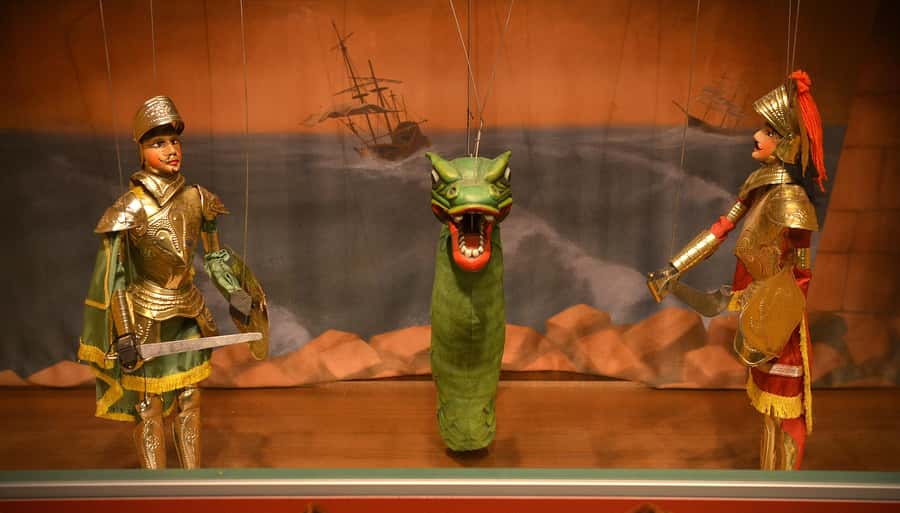
Because it’s self-guided, your best strategy is to give yourself permission to choose your pace. Here’s a simple way I’d do it:
Start with the Global Collection if you like context. You’ll set your mindset for how puppetry works as communication across different regions. Then move to the Henson galleries when you’re ready for a more recognizable pop culture storyline.
Save the Interactive TV Studio for when you want a break. Doing it too early can make you forget to connect what you’re seeing with what you later learn in the galleries. Doing it too late can make it feel rushed. Either way, it’s the part of the day that turns the museum into an activity, not only a walk-through.
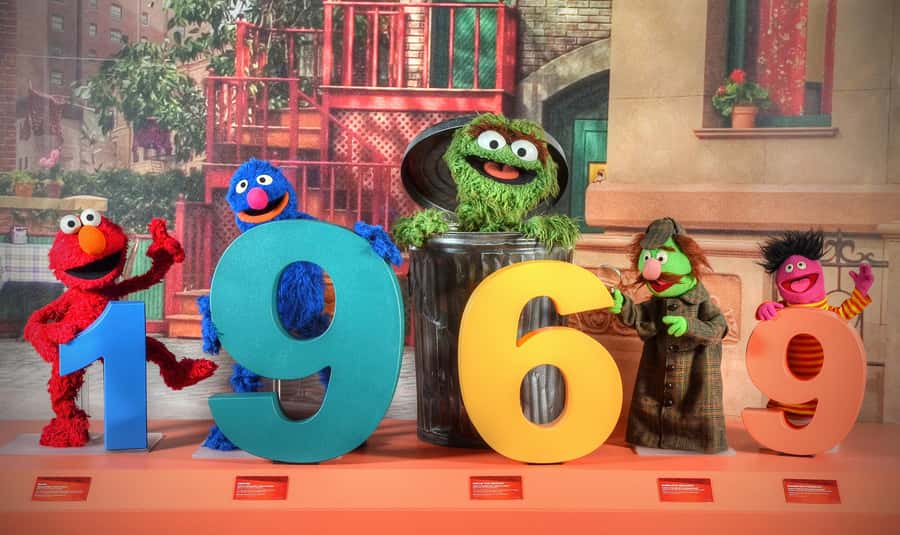
If your group includes someone who cares a lot about specific franchises, the museum’s Henson section is where those connections are strongest. Reviews mention the kind of worlds people love, such as Sesame Street, The Dark Crystal, and Labyrinth, along with other puppetry universes like Fraggle Rock. Even if the exact displays shift, you’re likely to find plenty of recognizable tone and character style in that zone.
Who should book this museum (and who might prefer something else)

This museum fits best if you like any of the following:
- Puppets as art and storytelling tools
- Pop culture nostalgia tied to characters you already know
- Families who want hands-on experiences without adding another outdoor attraction
- People who prefer indoor activities that are still educational
It can also work if you’re visiting someone who loves creative process. The museum doesn’t just show the finished puppet. It aims to show you how the world around the puppets forms—settings, props, and the environments that made performances believable.
If you dislike self-guided experiences or you’re only interested in live performances, this may feel too quiet for you, because the ticket described here is museum entry rather than a performance. And if you’re expecting a workshop, note that a Create-A-Puppet Workshop is not included with the basic admission.
Should you book Worlds of Puppetry Museum?
I’d book it if you want a one-day plan that’s different from the usual indoor list, and you care about both culture and entertainment. At $17, you’re not paying premium prices for a niche obsession—you’re paying for two big themes plus the chance to make your own puppet show in the studio.
Skip it only if live performances or hands-on crafting is the whole point for your trip. This museum is at its best when you like to read, watch, look closely, and then try the interactive part.
If you’re going, aim to visit with an open mindset. Puppets are silly on the surface, but the museum shows you how serious the craft and the communication can be.
FAQ
How much does the Center for Puppetry Arts: Worlds of Puppetry Museum cost?
Admission is listed at $17 per person.
How long is the experience?
It’s valid for 1 day.
Is the museum visit self-guided?
Yes, you explore on your own through the Worlds of Puppetry Museum.
What is included with the ticket?
Your ticket includes entrance into the Center for Puppetry Arts, Worlds of Puppetry Museum.
Are performances included?
No. Performance or Create-A-Puppet Workshop options are not included with museum entry.
Is flash photography allowed?
No, flash photography is not allowed.
Do children need tickets?
Yes. All adults and children ages 2 and up must have a ticket.
Is there free parking?
Yes, free parking is available onsite.
Is the museum wheelchair accessible?
Yes, the experience is wheelchair accessible.