REVIEW · SPLIT
Split: Olive museum Klis with Olive Oil Tasting
Book on GetYourGuide →Operated by Stella Mediterranea d.o.o. · Bookable on GetYourGuide
Olive oil gets serious real fast here. At Stella Croatica in Klis, you get a guided look at how a family estate turns local plants into products, then you finish with a hands-on extra virgin olive oil tasting that teaches you what quality actually feels and tastes like. I like the clear, practical way the session is run, and I also like the setting: you’re not just staring at labels—you walk through the olive oil museum and herb spaces that explain where the products come from.
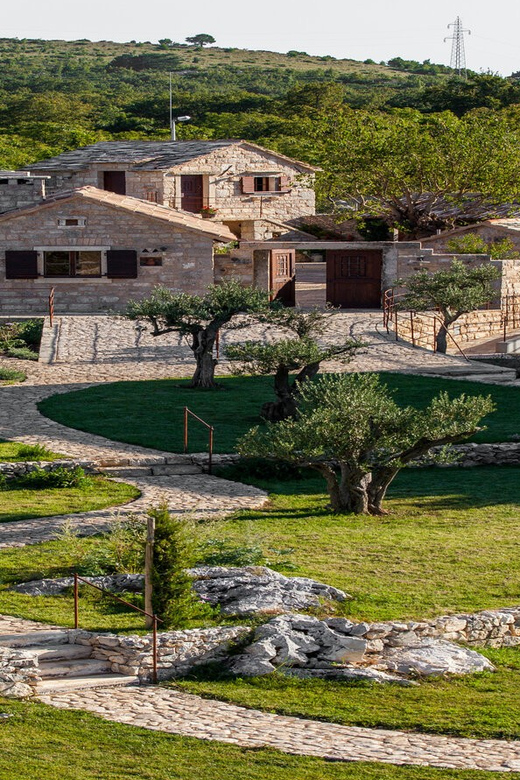
One thing to weigh: this visit is mostly education indoors (museum + workshop). If you’re expecting to stroll through huge outdoor olive groves or see fields at the site, you may find the outdoor scenery more limited—though the grounds and herb garden are still nice.
In This Review
- Key things to know before you go
- Touring Stella Croatica in Klis: more than a quick stop
- Dalmatian herbs and essential oils: why it’s tied to the tasting
- The 500-species botanical collection: a walk with purpose
- Inside the Olive Oil Museum: the meaning behind liquid gold
- Extra virgin olive oil tasting: the skill you can use at home
- Handmade sweets, cosmetics testing, and the shop at the end
- Price and value: is $18 a fair deal?
- Who this is best for (and who should skip)
- Should you book this olive museum and tasting in Klis?
- FAQ
- Is this tour guided?
- What does the olive oil tasting include?
- Are traditional sweets included?
- Can I try or test natural cosmetics?
- What language is the tour in?
- Can I record video during the experience?
- Are food and drinks allowed during the experience?
- Where do I meet the host?
- How much does it cost?
- Does it end back at the meeting point?
Key things to know before you go
- Stella Croatica estate tour led by a guide, starting with traditional making of local products
- 500-species botanical collection you can walk through with ideas on what plants are used for
- Olive Oil Museum finalist (European Museum of the Year Award 2023), focused on Croatia’s “liquid gold”
- Interactive tasting workshop that trains your nose and palate like a pro
- Two oils tested side-by-side, both labeled extra virgin, so you learn by comparison
Touring Stella Croatica in Klis: more than a quick stop
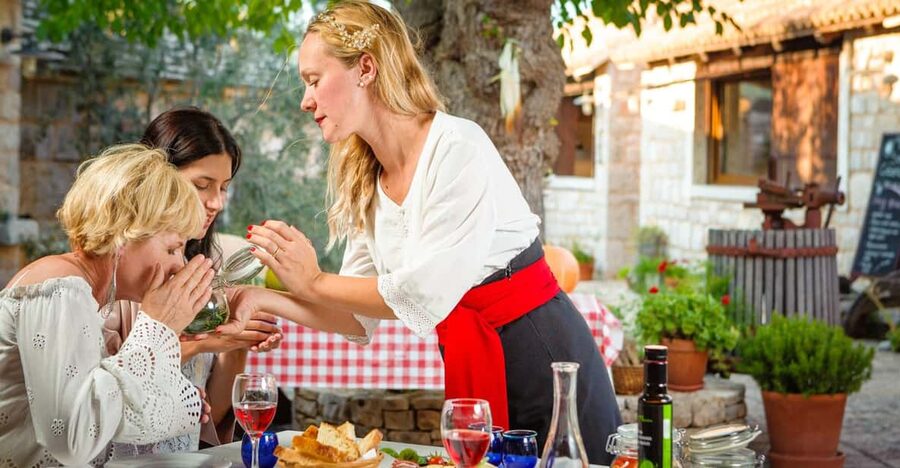
The experience starts the practical way: you follow the signs from the main road to Stella Croatica, step into the main building, and wait for your host. That matters because the visit isn’t a loose self-guided wander. You’ll move through a planned flow—factory-type production, botanical learning, museum time, then tasting—so you’re not guessing what’s important.
What I liked right away is the sense that this is run by people who still use these products. Early on, you’ll watch local ladies producing and packing traditional goods made from figs, almonds, oranges, and lavender. It’s not just a “look, don’t touch” scenario. You get a feel for how plants turn into real, packaged items you’d buy after the tour.
This is also a good fit for short attention spans. Even if you’re not a deep food person, the visuals help: you see ingredients turning into products, and you keep moving rather than sitting through long explanations.
If you’re bringing kids, this part can work well because it’s concrete. A nine-year-old can understand figs and oranges. The later tasting lesson is more abstract, but it’s explained clearly enough to keep families engaged.
You can also read our reviews of more food & drink experiences in Split
Dalmatian herbs and essential oils: why it’s tied to the tasting
After the traditional product segment, the tour shifts into herbs and essential oils. You’ll learn how essential oils are extracted from typical Dalmatian herbs, and how they’re then used in making natural cosmetics. Think of it as the “same plants, different outcome” idea.
Why does that matter for an olive oil workshop? Because it trains your brain to stop treating food and cosmetics as totally separate worlds. Here, both come from the same raw material category: plants grown locally, processed intentionally, then turned into products people use daily.
You’re also building context for how quality is made, not just marketed. If you’re the kind of person who wants to buy better products, that connection is useful. You start asking: What’s the source plant? How was it processed? What should the end product smell or taste like?
One practical note: since essential oils and herb smells are part of the experience, wear something comfortable. You don’t need to be “perfume-sensitive,” but you’ll likely spend time in scent-rich rooms.
The 500-species botanical collection: a walk with purpose
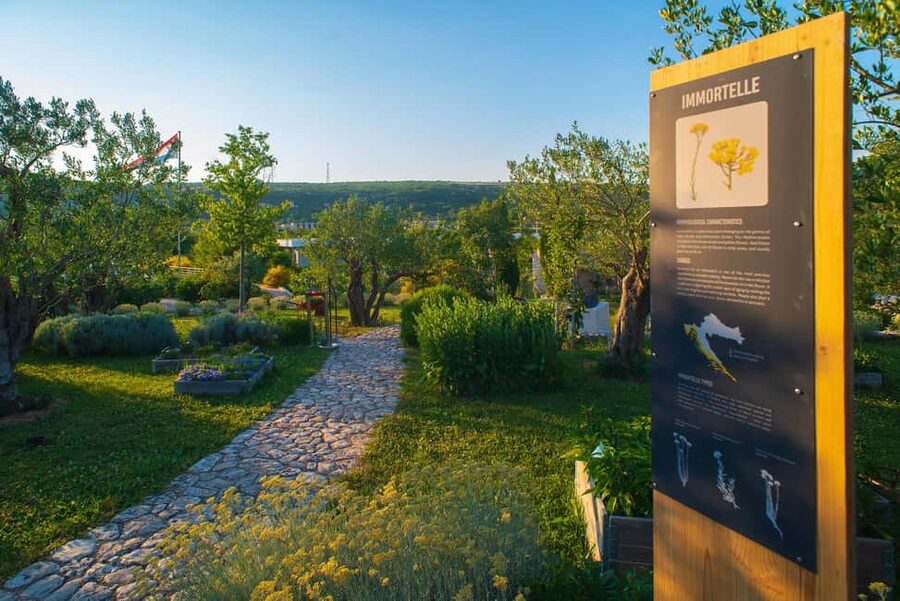
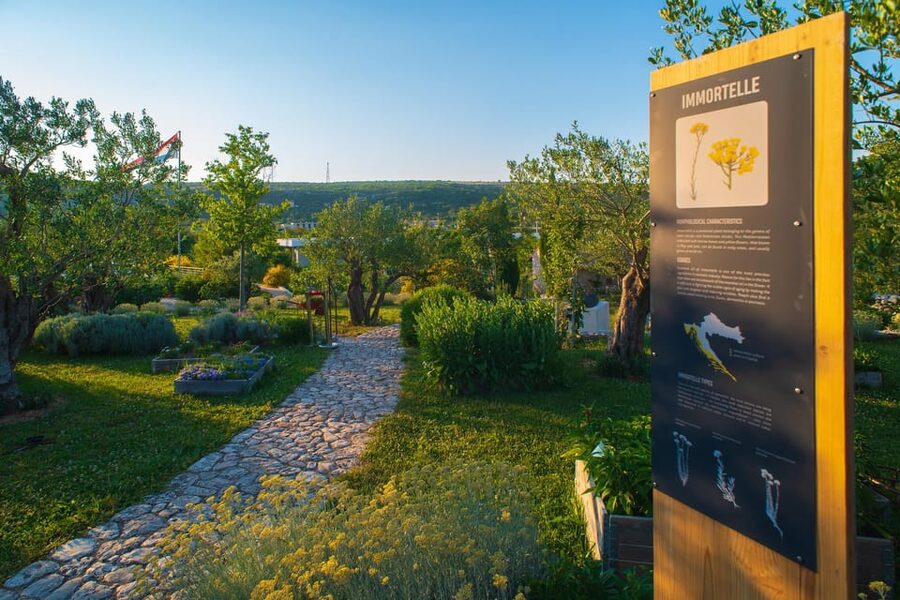
Next comes the botanical collection—500 species. This isn’t just a pretty garden loop. You’re taught what some of the plants can be used for, which keeps it from turning into a random stroll.
I like botanical collections most when they come with real-world uses. Here you don’t only get names; you get function: herbs that become products, plants that have practical value. That means you leave with ideas, not just trivia.
Also, this is where you can slow down a bit. You’re walking, and you’re seeing plants at closer range than you’d see in a museum-only experience. If you’ve ever toured a museum and felt like you learned nothing you could picture in your everyday life, this garden section helps fix that.
In terms of drawbacks, the garden is described as a cute but small area in some cases, so your “big outdoor scenery” expectations should stay realistic. But it still adds a grounded, local feel to the day.
Inside the Olive Oil Museum: the meaning behind liquid gold
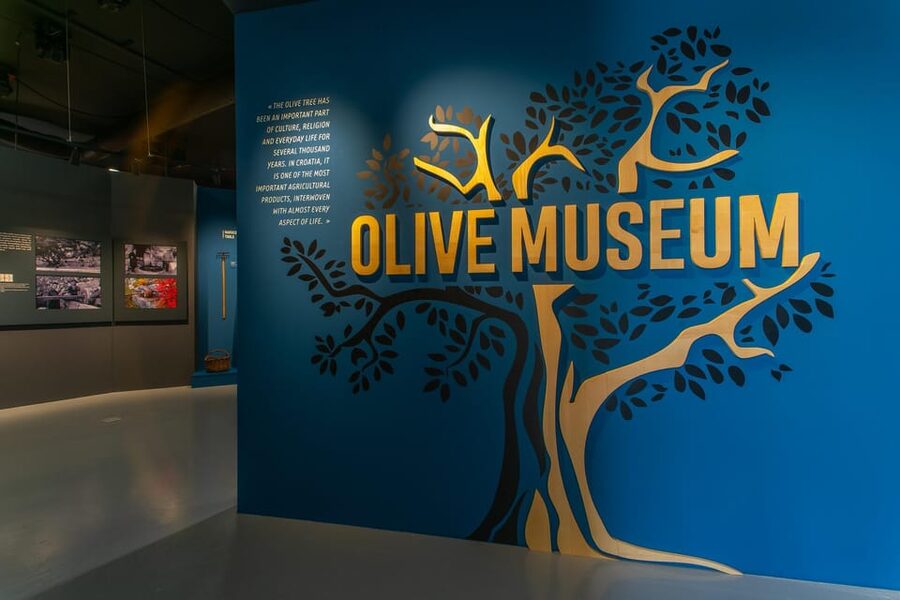
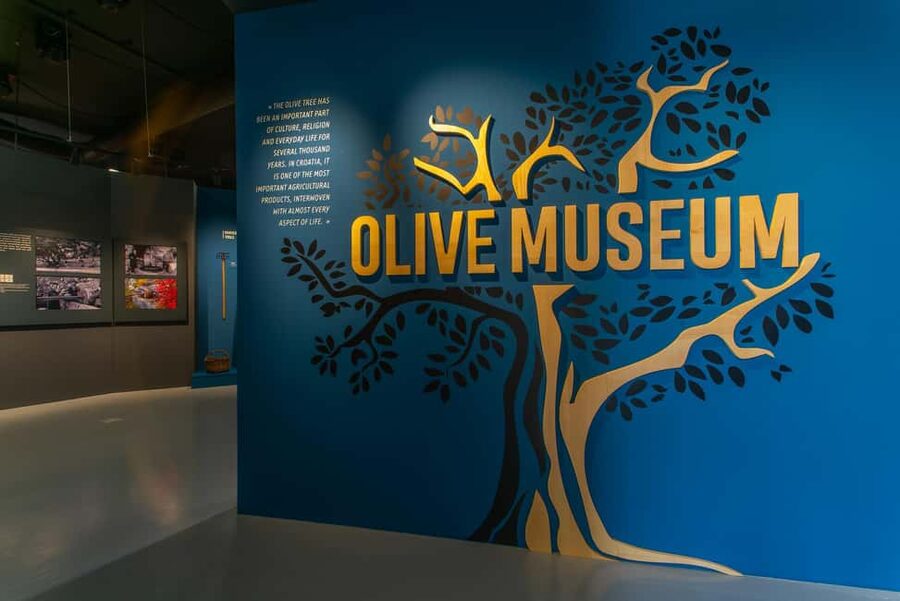
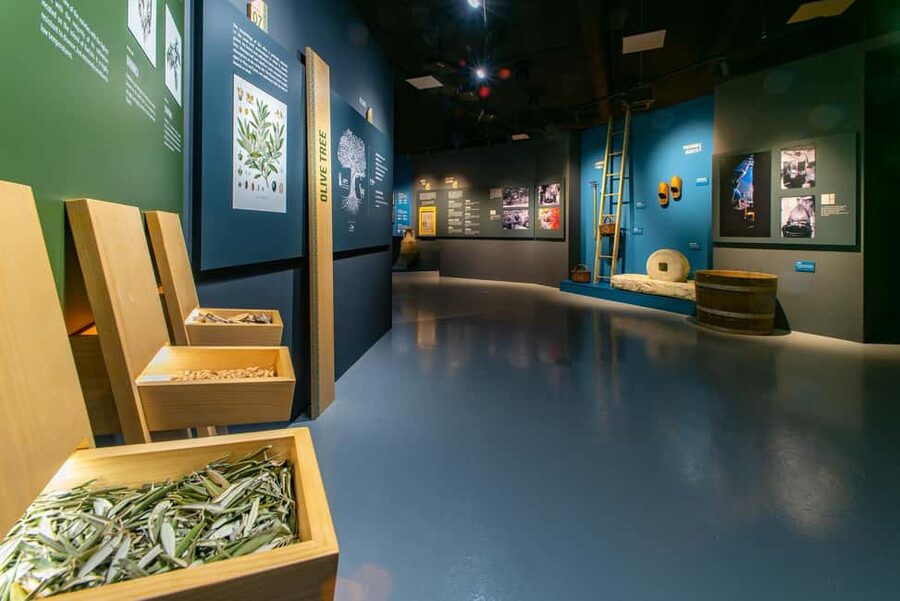
Then you enter the Olive Oil Museum and learn about Croatia’s “Liquid Gold.” The museum is listed as a finalist for the European Museum of the Year Award 2023, which tells you it’s built to do more than show a few bottles behind glass.
What you’ll get here is education focused on olive oil as a product category: how it’s grown and understood in Croatia. The pacing is guide-led, so you’re not just reading labels. You’ll also move into the museum area after already seeing the estate’s plant-based production, which makes the museum feel like the natural continuation of the story.
One thing to flag based on the overall shape of the experience: there aren’t olive fields or olive trees in the immediate site area in the way you might hope for. So if your dream is to tour an olive grove while learning, this isn’t that kind of property. It’s more about structured learning and guided context.
That said, this indoor focus is exactly why the workshop part works. You arrive with context, then you get trained how to evaluate the real product.
Extra virgin olive oil tasting: the skill you can use at home
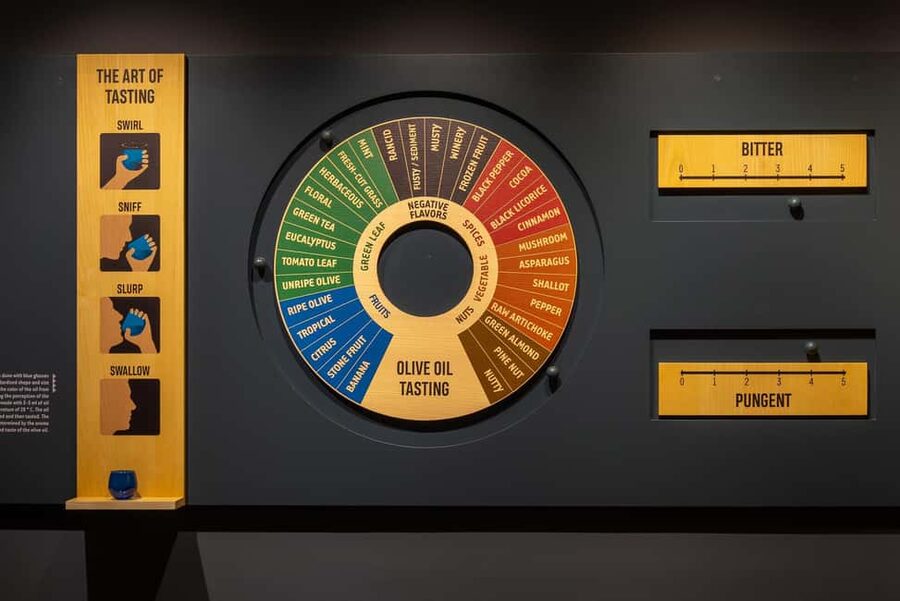
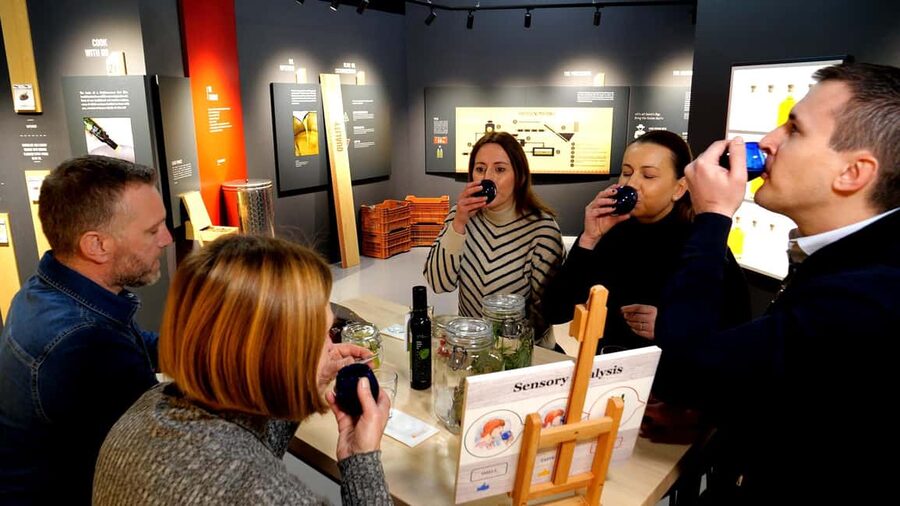
Now for the main event: the tasting room. Here, you’ll be educated on how to recognize extra virgin olive oil through an interactive setup. The goal is simple: learn the basics, then taste two different oils and train your palate to spot differences.
What makes this section valuable is the method. You’re not just sipping and hoping. You learn a tasting approach, and after the basics, you do the classic comparison exercise. Both samples are labeled extra virgin, which gives you a sharper lesson: if two are labeled the same, what makes one stand out in quality?
You’ll taste two olive oils, and you’ll also use “sniff and taste” techniques that mirror how professional tasters evaluate oils. In practice, that means you pay attention to aroma first, then taste, and then you reflect on what quality signals are coming through.
I especially like that this tasting teaches you something you can take to your next grocery store or specialty shop. Even if you can’t become a full olive oil judge overnight, you can still start buying with better questions:
- Does the aroma feel fresh instead of flat or off?
- Does it taste clean and well-balanced?
- Does the oil feel like an actual ingredient, not just a generic cooking fat?
If you’ve ever been frustrated by olive oil marketing, this is a good reset. You learn to treat olive oil like a real food product with real quality range.
You can also read our reviews of more museum experiences in Split




Handmade sweets, cosmetics testing, and the shop at the end
In addition to the tasting, the experience includes handmade traditional sweets. This is a nice “fuel” part of the visit because tasting can work your senses. A small sweet offset after sniffing and tasting helps keep the experience comfortable and not overly intense.
You’ll also do natural cosmetics testing as part of what’s included. That connects back to the earlier herb essential oil explanation. You’re basically seeing the full pipeline from plant → oil → product, not only hearing it.
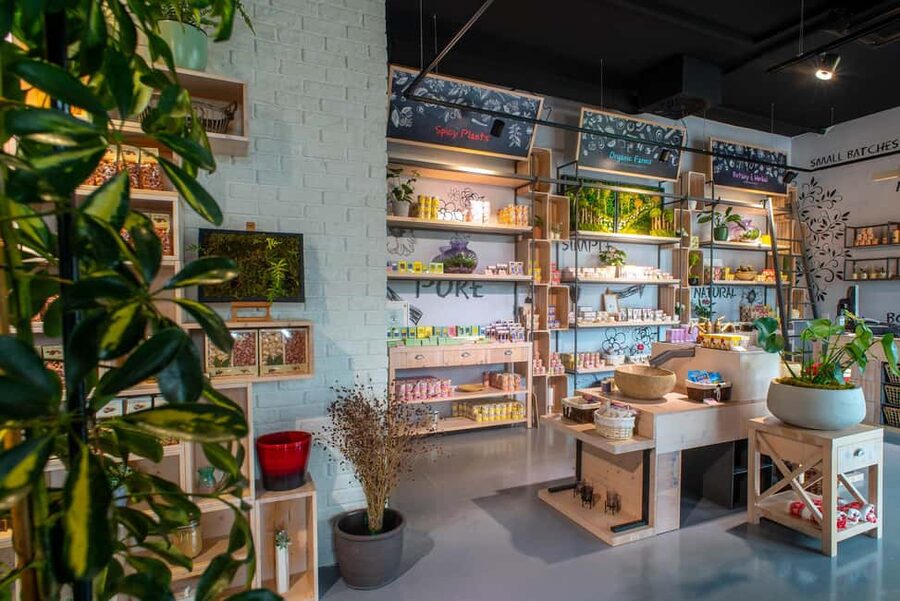
After the guided segments, you’ll have time to explore in your own rhythm and possibly purchase items from the concept store. There’s even mention of shopping under factory prices, which is one of the big practical upsides of doing a tour at an estate. You’re not just paying for information—you can leave with real products made where you visited.
If you do plan to buy, go after you finish the tasting and museum parts. You’ll understand what you’re buying more clearly, and you’ll be able to choose based on the quality logic you just learned.
Price and value: is $18 a fair deal?
At $18 per person, this workshop is one of those prices that feels almost too reasonable for what’s included: guided tour access to Stella Croatica and the Olive Oil Museum, tasting of two olive oils, traditional sweets, and testing natural cosmetics.
Here’s how I’d judge value in real terms:
- You’re paying for a structured learning format, not only entry to a museum.
- You’re getting a guided tasting workshop that teaches a skill, and that usually costs more than a standard attraction ticket.
- You’re also getting additional included elements (sweets and cosmetics testing), which round out the experience.
If your goal is only to see a museum without any tasting skill-building, you might feel like it could be skipped. But if you want a hands-on olive oil lesson—especially the kind where you compare quality even when products share the extra virgin label—the price feels fair.
One more value point: the visit has a high rating (4.9 out of 5 based on 51 reviews), which usually means the format lands well. Just keep the earlier consideration in mind: the main charm is the guided education and tasting, not big outdoor olive-grove scenery.
Who this is best for (and who should skip)
This experience is a strong match if you’re:
- Curious about food quality and want a practical tasting framework
- Buying gifts or souvenirs and want to understand what’s behind the products
- Traveling with families who can handle a guided visit plus a workshop-style activity
- Interested in local herbs and how they show up in both food and cosmetics
You might want to skip or adjust expectations if you:
- Only care about outdoor scenery and want olive trees/fields visible on-site
- Prefer entirely self-guided museums where you control the pacing
- Don’t want tasting at all (the tasting is a core part)
Should you book this olive museum and tasting in Klis?
Yes, I’d book it—if you want a structured, learn-by-doing olive oil experience. This is the kind of tour that pays off the moment you’re tasting, and it keeps paying off after you leave when you try to pick better oils later.
Book it especially if you’re okay with a mostly indoor, guide-led format and you’re excited to compare two extra virgin oils using a real tasting method. If you’re chasing outdoor olive-grove views as the main goal, temper expectations and look for a different kind of olive region visit.
If you want my simple rule: choose this one for the tasting skill. Skip it if you mainly want scenery.
FAQ
Is this tour guided?
Yes. You’ll join a guided tour of Stella Croatica and the Olive Oil Museum.
What does the olive oil tasting include?
You’ll taste two different olive oils, and both are labeled extra virgin. You’ll also learn how to recognize quality extra virgin olive oil through an interactive experience.
Are traditional sweets included?
Yes. Traditional sweets are included as part of the visit.
Can I try or test natural cosmetics?
Yes. Testing natural cosmetics is included.
What language is the tour in?
The tour is in English.
Can I record video during the experience?
No. Video recording is not allowed.
Are food and drinks allowed during the experience?
No. Food and drinks are not allowed.
Where do I meet the host?
You meet at Stella Croatica. Follow the signs from the main road, enter the main building, and wait for your host to arrive.
How much does it cost?
The price is $18 per person.
Does it end back at the meeting point?
Yes. The activity ends back at the meeting point.