REVIEW · KEY WEST
Skip the Line: Mel Fisher Maritime Museum Admission Ticket and Audio Tour
Book on Viator →Operated by Mel Fisher Maritime Museum · Bookable on Viator
Treasure stories start with court battles. This Mel Fisher Maritime Museum ticket is a smart way to see shipwreck artifacts up close, plus an English audio tour you can use at your pace. The big draw is the Atocha and Henrietta Marie shipwreck galleries, and I also like how the exhibits pair drama with plain explanations (including shipwreck science). One possible drawback: some sections deal directly with the transatlantic slave trade, so it may not fit every kid’s comfort level.
You also get real scheduling freedom. The museum is open Tuesday through Sunday from 10:00 AM to 4:00 PM, so you can plan it around beaches, naps, and the general Key West weather.
Finally, this is set up for small groups. With a maximum group size of 15, you’re less likely to feel swallowed by crowds while you work through the stories.
In This Review
- Key Points at a Glance
- Skip-the-Line Entry and the Audio Tour: What This Ticket Really Delivers
- How Much Time You’ll Need (1 to 4 Hours) in Key West Reality
- Mel Fisher’s Story Starts With a Fight: Why the Opening Sets the Tone
- Spanish Treasure Galleons Galleries and the Atocha Focus
- Slave Ship and Key West African Cemetery: History That’s Not Wrapped Up Nicely
- Henrietta Marie (1699) Relics, Excavation Timing, and the Shackles Detail
- Coins, Pirates, and the Science of Shipwrecks: Why This Museum Goes Beyond Treasure
- Practical Tips for Using the Included Audio Tour in Real Life
- Price and Value: Is $19.50 a Good Deal in Key West?
- Who Should Book This Ticket (And Who Might Skip It)
- Should You Book This Skip-the-Line Ticket and Audio Tour?
- FAQ
- What’s included with the admission ticket?
- Is the audio tour available in English?
- How long should I plan to spend at the museum?
- What does the ticket cost?
- What are the opening hours?
- Do I need a printed ticket?
- Is the DVD included?
- Can I cancel and get a full refund?
Key Points at a Glance
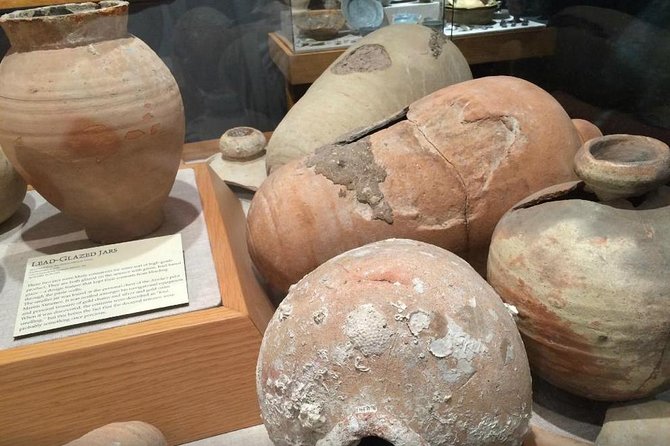
- Skip-the-line entry with a mobile ticket helps you get into the museum when you arrive
- Atocha and Henrietta Marie galleries focus on major Spanish treasure and an English slave ship wreck
- Audio tour included in English means you can read less and listen more
- A respectful look at the transatlantic slave trade is built into the Slave Ship and Key West African Cemetery exhibits
- Conservation and shipwreck science show how history is preserved, not just displayed
- Lab tours and videos can add depth if you want more than the standard self-guided visit
Skip-the-Line Entry and the Audio Tour: What This Ticket Really Delivers
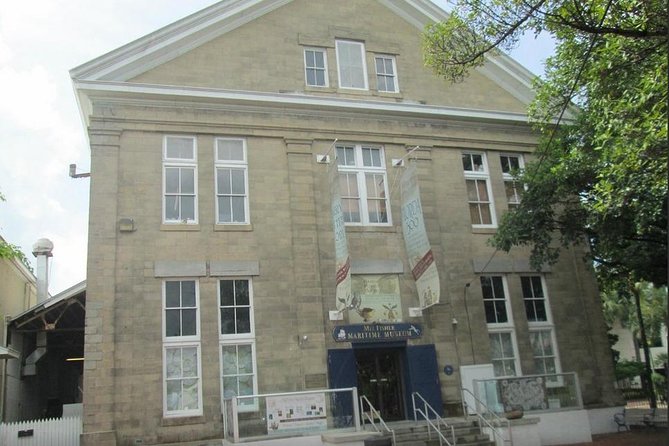
You’re paying for two things: admission and an included audio tour that carries you through the galleries. In practice, that matters in museums where the walls can feel like information overload. Here, you get a guided voice track so you can stop, look, rewind in your head, and move on when you’re ready.
The ticket also uses a mobile format, which is convenient in Key West—especially if you’re bouncing between daytime plans and you don’t want to manage extra paperwork. And since this is a self-paced museum experience (with the audio guiding you), the visit stays flexible rather than forcing you into a rigid group route.
The title says skip the line, and while the details of the exact entry process aren’t described here, the intent is clear: you shouldn’t have to waste your limited vacation time waiting. For a museum that can take 1 to 4 hours, saving even a chunk of time can make a difference.
A few more Key West tours and experiences worth a look

How Much Time You’ll Need (1 to 4 Hours) in Key West Reality
The stated duration is roughly 1 to 4 hours. I like that range because Key West days are rarely “museum-first.” Some people want a focused hour and move on; others want to sit longer with each display.
If you’re aiming for a solid visit, here’s a practical way to think about it:
- 1 to 2 hours works if you listen to parts of the audio while skimming the main galleries
- 2 to 3 hours is a comfortable pace if you spend real time on the shipwreck exhibits and watch at least some video components
- 3 to 4 hours makes sense if you want the science/conservation angle and any lab tour opportunities
This is also a good “heat break” plan. One review specifically notes it’s worth a couple hours from the warmth—exactly the kind of value you want when the sun gets aggressive.
Mel Fisher’s Story Starts With a Fight: Why the Opening Sets the Tone
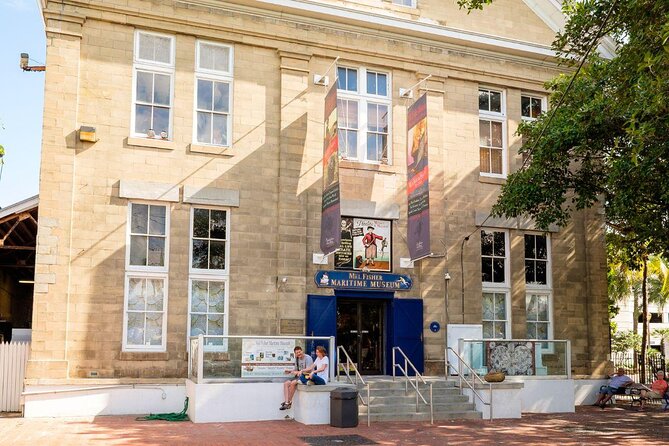
Your first stop is the Mel Fisher Maritime Heritage Museum, and the opening storyline is not gentle or generic. It starts with Mel Fisher’s battles with the government to retain the artifacts he and his crew found—right up to the U.S. Supreme Court.
That context is more than a neat backstory. It frames why these artifacts matter and why the museum exists in the first place. Without that, shipwreck treasure can feel like pure spectacle. With it, you see the tension between discovery, ownership, and the work of preserving history.
If you’re bringing kids, this is one of the best parts to start with. Court drama isn’t everyone’s first thought for a museum, but it gives the whole collection a human story you can explain in plain terms: someone makes a discovery, then society has to decide what happens next.
A small caution: if you’re sensitive about heavy historical topics, this is where you’ll start noticing the museum doesn’t avoid difficult themes—it sets you up for them.
Spanish Treasure Galleons Galleries and the Atocha Focus
After the origin story, you move into the Spanish Treasure Galleons galleries, which highlight treasure recovered by Mel Fisher and his crew. This is where the museum leans into the “wow” factor: recovered objects that have survived centuries underwater.
The exhibit presentation here is also practical. One highlight from earlier visits is that the first-floor displays tied to the Atocha shipwreck are well laid out, with signage that helps you follow what you’re looking at. That matters because shipwreck artifacts can be hard to interpret without context—so good labeling is not a small detail. It’s the difference between seeing objects and understanding what they were, where they came from, and why they were significant.
There’s also a broader set of themes alongside pure treasure:
- Spanish coins in the New World
- real pirates of the Caribbean as part of the museum’s storytelling
- and the way these stories connect to trade, conflict, and the movement of goods
There’s even a mention of 30 years of treasure, which suggests the museum highlights its long-term legacy as the story continues from discovery to preservation.
Slave Ship and Key West African Cemetery: History That’s Not Wrapped Up Nicely
This is where the museum gets serious. The Slave Ship and Key West African Cemetery exhibits look at the transatlantic slave trade and Key West’s specific connection to it.
I appreciate that this isn’t treated like a side topic. The museum builds a stark, focused experience around the reality of people harmed by the systems that profited from human suffering. One key point from what you’ll encounter is that the museum centers artifacts tied to the wreck story and uses them to support the historical narrative, not just shock value.
If you’re planning this with children, I’d treat this as a “talk before you go” moment. Explain that some parts of history involve slavery and that the goal is to understand, remember, and learn. Then follow your kid’s cues: if they want to keep moving, you can; if they want to stay, let them.
This is also a practical reason to choose the audio tour rather than just reading labels. When the topic is heavy, listening can help people process at their own speed.
You can also read our reviews of more museum experiences in Key West


Henrietta Marie (1699) Relics, Excavation Timing, and the Shackles Detail
The museum’s other major anchor is the wreck of the Henrietta Marie, an English merchant slave ship dating to 1699. The wreck was discovered in 1972, but it wasn’t fully excavated until years later, and the exhibits connect that timeline to how the site was studied and understood.
One of the most memorable objects you’ll see are shackles, presented in the context of the enslaved people the ship carried. Importantly, the museum treats this subject with care. If you’re worried about respectful handling, this is the kind of exhibit where the museum’s tone matters.
You’ll also find videos and investigative material tied to how researchers work with a wreck site. That helps if you want something more than “artifact in a glass case” storytelling. Instead, you learn how the facts are built—piece by piece—through excavation and study.
If you’re the sort of person who likes to know how we know what we know, this section is a strong reason to plan more than the bare minimum hour.
Coins, Pirates, and the Science of Shipwrecks: Why This Museum Goes Beyond Treasure
Not all shipwreck museums stop at artifacts. This one includes the mechanics behind discovery and preservation.
There’s specific attention to:
- Spanish coins and their place in the New World story
- pirates as real historical actors in the Caribbean era, connected to the wider story of treasure and conflict
- and the science of shipwrecks, which turns curiosity into understanding
This is where the museum feels more like a learning center than a display hall. You’re not just looking at things that happened long ago—you’re seeing how underwater finds become evidence, then become history you can interpret.
Even better, the museum includes a conservation angle. You can take a lab tour and see how history is revealed through conservation every day. That’s a rare add-on that makes the experience feel alive: the past isn’t finished. It’s still being worked on.
Practical Tips for Using the Included Audio Tour in Real Life
The audio tour is included and in English, which is ideal if you want a guided experience without downloading extra apps or buying add-ons.
Here’s how to use it so it doesn’t become background noise:
- Start the audio when you’re standing directly in front of the first key gallery, not halfway through.
- Pause when the narrator points out what to look for—especially in the shipwreck sections where details matter.
- If you’re with kids, let them choose where to stop listening. Museums work better when you follow interest instead of forcing a full track.
Also, don’t feel trapped by the audio. Use it as a spine for the stories, then spend more time where your attention catches. The Atocha-focused displays and the Henrietta Marie-focused sections both have enough structure that you can linger without getting lost.
If you prefer to reduce reading fatigue, the audio approach is a good fit—especially on hot days when you’d rather sit and listen than squint at small text.
Price and Value: Is $19.50 a Good Deal in Key West?
At $19.50 per person, this ticket is priced like a real museum experience with a built-in add-on. You’re not just buying entry; you’re also getting one audio tour included.
That matters because audio tours can easily raise the cost of a museum visit elsewhere. Here, the audio is part of the package, which makes it easier to justify taking your time. You’ll likely stay for at least a couple hours if you want to hear the shipwreck stories clearly and read the main labels in between.
Also, the museum has a maximum group size of 15, which generally helps people feel less rushed. That’s value too. A museum visit can go badly when you’re pressed through like a queue. This setup is designed to keep the experience calmer.
If you’re on a short Key West timeline, you can treat it as your “one good museum day” activity—something indoor that connects treasure with serious history.
Who Should Book This Ticket (And Who Might Skip It)
I think this museum ticket is a great match if you:
- want an indoor Key West plan that takes 1 to 4 hours
- like shipwreck stories with real artifacts and supporting science
- enjoy audio guidance that helps you follow the exhibits
- want a structured way to introduce kids to museums and history
You might hesitate if:
- your group isn’t comfortable with exhibits dealing with the transatlantic slave trade
- you only want light, purely entertaining vacation activities
- you’re looking for a guided tour that includes a live guide standing with you throughout (this package is built around the audio track)
Should You Book This Skip-the-Line Ticket and Audio Tour?
Yes—if you want a museum visit that feels more like a guided story than a random walkthrough. The combination of the Supreme Court origin story, major shipwreck galleries, and the audio tour in English gives you multiple ways to connect with the exhibits without feeling overwhelmed.
For the best experience, plan for at least 2 hours, and be ready to spend real time on the Henrietta Marie section. If you bring kids, talk ahead about difficult history so the visit lands well, not awkwardly.
If you’re doing Key West on a tight schedule, this is a smart pick because it’s indoors, flexible, and includes the one thing that makes museum time worthwhile: context.
FAQ
What’s included with the admission ticket?
The package includes one audio tour in English.
Is the audio tour available in English?
Yes. The included audio tour is offered in English.
How long should I plan to spend at the museum?
It’s listed as about 1 to 4 hours.
What does the ticket cost?
The price is $19.50 per person.
What are the opening hours?
For both 2025 and 2026, it’s open Tuesday through Sunday from 10:00 AM to 4:00 PM.
Do I need a printed ticket?
The ticket is described as a mobile ticket.
Is the DVD included?
No. A DVD is available to purchase, but it isn’t included.
Can I cancel and get a full refund?
Yes. Free cancellation is allowed up to 24 hours in advance for a full refund.