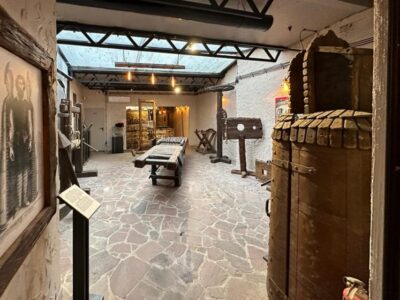
REVIEW · KEY WEST
Key West Shipwreck Treasure Museum Tickets
Book on GetYourGuide →Operated by Historic Tours of America** - Key West · Bookable on GetYourGuide
Shipwrecks come to life in Key West. At the Key West Shipwreck Treasures Museum, you’ll see genuine artifacts pulled from real wrecks around the Keys, not replicas or vague displays. It’s the kind of museum where maritime history is told through objects you can actually point to and around stories you can feel.
I especially like the interactive moment where you can lift a 64-pound silver bar recovered from the 1656 wreck of the Nuestra Señora de las Maravillas. And the setting adds extra charm: the museum is built like the 19th-century warehouse connected to wrecker-tycoon Asa Tift, so it feels like the action is still happening. One thing to plan around is the museum’s presentation schedule, which runs on a repeating timetable and ends at 4:40 PM—arrive too late and you may miss the main show you hoped for.
Key highlights you shouldn’t miss
- Two floors of real recovered wreck artifacts from Key West and the Florida Keys
- Lift the 64-pound silver bar salvaged from the Nuestra Señora de las Maravillas (1656)
- Historic Asa Tift warehouse layout that makes the exhibits feel connected to the trade
- Costumed storytellers plus audio-visual presentations that run on a set schedule
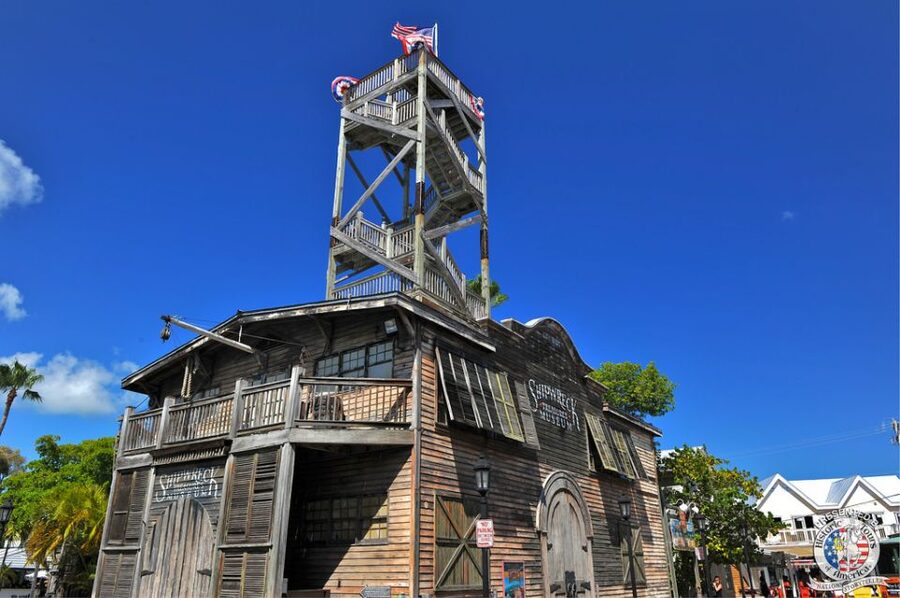
- A 65-foot look-out tower with views across the entire island
- Wheelchair access on the main floor only, so plan your route with mobility in mind
In This Review
- Where the museum fits in your Key West day near Mallory Square
- Asa Tift’s warehouse feel: how the museum is built
- Two floors of real shipwreck artifacts: what you’ll see
- The 64-pound silver bar lift: the interactive moment that grabs attention
- Presentations every 20 minutes: how to plan around the show schedule
- The 65-foot look-out tower: your reward for finishing the exhibits
- Tickets and value: is $19 worth it?
- Who should book (and who should think twice)
- Should you book Key West Shipwreck Treasure Museum tickets?
- FAQ
- Where is the Key West Shipwreck Treasure Museum?
- How much are tickets?
- How long does the experience take?
- What’s included with admission?
- Are there scheduled presentations?
- What famous wreck does the silver bar come from?
- What wrecks and time periods can I see artifacts from?
- Is there a lookout tower?
- Is the museum wheelchair accessible?
- Is English spoken during presentations?
Where the museum fits in your Key West day near Mallory Square
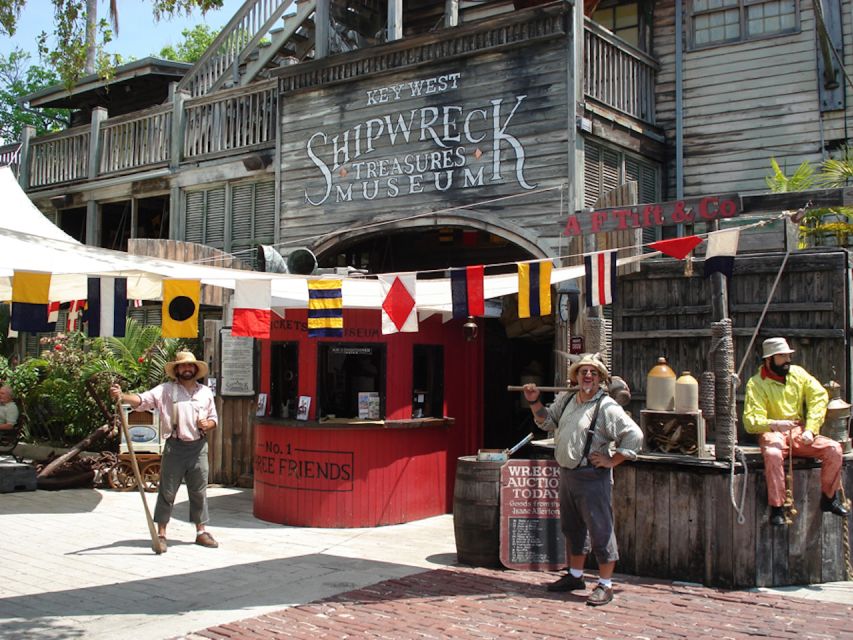
If you like starting your Key West mornings easy and finishing with a view, this museum works well. It’s at 1 Whitehead Street, Mallory Square, which puts it in the same area as a lot of walking and sightseeing. That location is handy because you can pair it with the rest of your day without needing extra transportation.
Parking is available at Mallory Square or in the Westin Parking garage, which can save you time if you’re driving in. Since the museum runs presentations throughout the day, I like using it like an anchor stop: arrive, catch a show, wander the exhibits between or after.
The museum calls it a 1-day experience, and in practice that’s right. You’ll need enough time to see both floors, do the interactive moments, and still have time to climb up for the look-out.
Asa Tift’s warehouse feel: how the museum is built
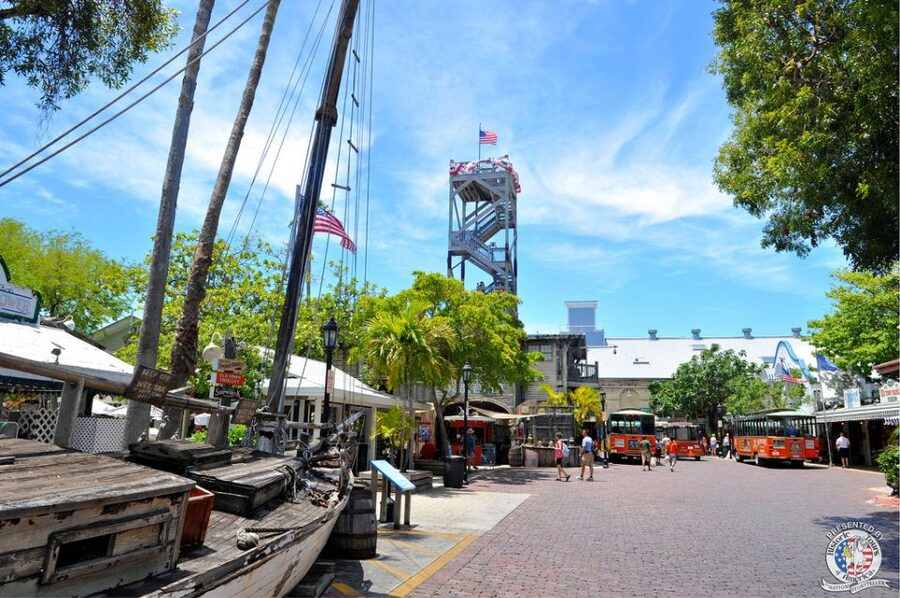
The museum isn’t just a room with glass cases. The whole place is designed as a recreation of the 19th-century wrecker tycoon Asa Tift’s warehouse, which matters more than it sounds. When a museum is themed to a real working space, you naturally slow down. You start reading everything like you’re learning a trade, not just collecting facts.
That design also helps the exhibits feel grouped and logical. Two floors of artifacts are presented in a way that supports the storyline: ships traverse the Florida Straits, the Keys’ reefs turn trips into disasters, and salvaging becomes a major industry. You walk through those ideas in order instead of jumping randomly between centuries.
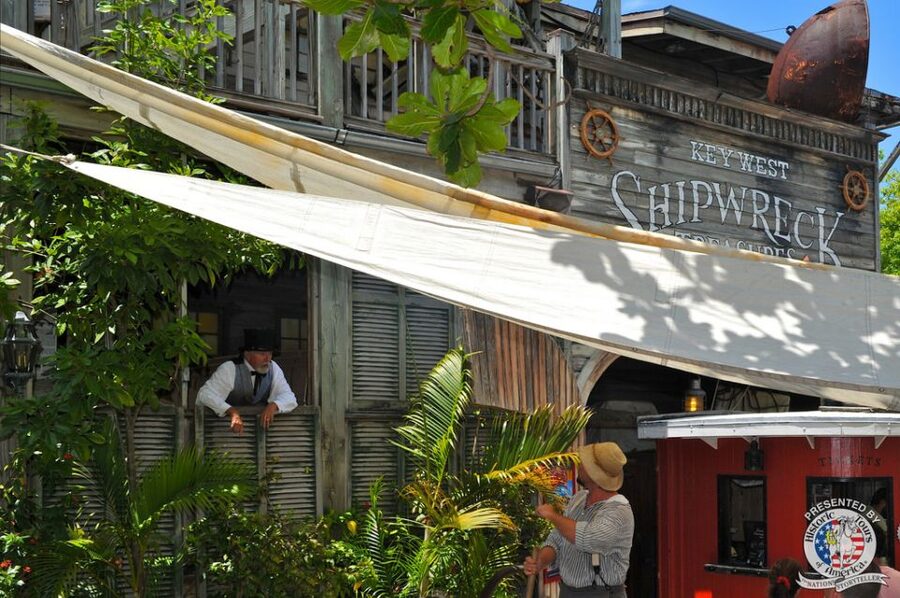
You’ll also find interactive learning through audio-visual displays and storytellers in period costumes. The costumes aren’t there just for photo ops. They make the museum’s tone less academic and more like a dramatized account of what it took to survive and profit off wrecks in that era.
A few more Key West tours and experiences worth a look

Two floors of real shipwreck artifacts: what you’ll see
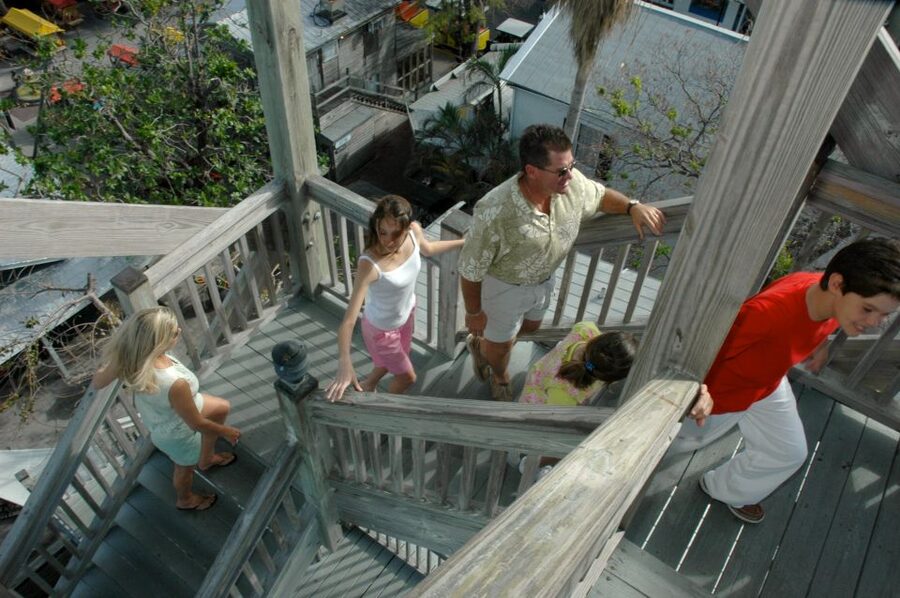
The big promise here is simple: authentic recovered artifacts from real shipwrecks around Key West and the Florida Keys. That changes the experience. When you’re looking at something that was actually pulled from the sea, the museum feels less like storytelling and more like evidence.
On the earlier side, expect artifacts connected to Spanish fleets from the 1600s and 1700s. You’ll also see pieces tied to a much later wreck: the Isaac Allerton, wrecked in 1856. The spread across centuries is useful because it shows that shipwrecking in this area wasn’t a one-time event. The Florida Keys remained risky transit territory for a long stretch of time.
You’ll also learn about the core idea behind Key West’s economy during the 1800s: wrecking and salvaging—the recovery of ships and their cargo—became a foundation for local wealth. The museum’s exhibit flow leans into that cause-and-effect story: more wrecks meant more work, and more work meant more money. It’s a practical way to understand how a coastal town could grow quickly from a dangerous coastline.
If you like museums where you can connect objects to a timeline, this setup will feel satisfying. If you prefer only modern exhibits, you might need a little extra patience for the older material.
The 64-pound silver bar lift: the interactive moment that grabs attention
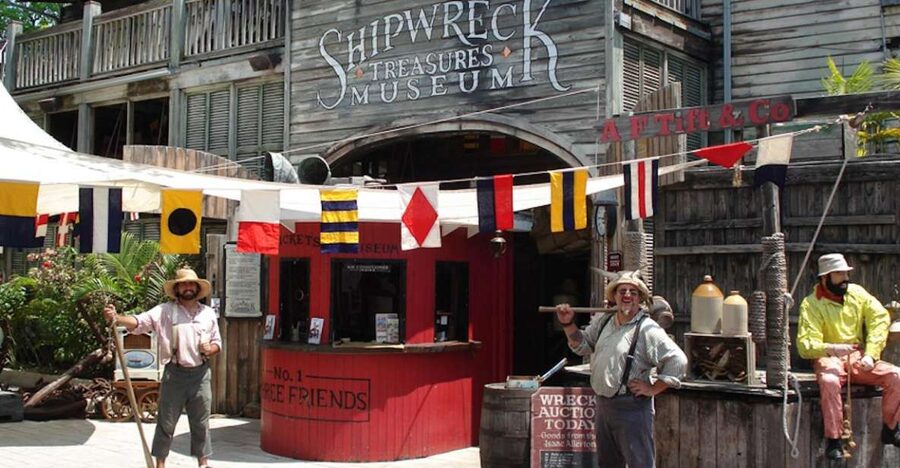
The highlight for many visitors is the chance to lift a 64-pound silver bar recovered from the 1656 Nuestra Señora de las Maravillas. This is the kind of interactive feature that does more than entertain. It gives you physical context for the scale of what was at stake in these recoveries.
Instead of only reading about treasure, you experience weight. That makes later details sink in better. When you learn about salvage efforts, cargo, and value, your brain already has an internal reference for how heavy and real the “treasure” was.
Practical tip: treat this moment as a short workout and a timing tool. If you’re visiting on a day that also includes other walking, plan a quick break afterward. It can be tempting to run straight from the bar lift into the next room without a pause.
Also, don’t expect this to replace the rest of the museum. The real payoff is how the bar ties into the broader exhibit—Spanish maritime travel, wrecks on reefs, and the salvaging ecosystem that grew around those risks.
Presentations every 20 minutes: how to plan around the show schedule
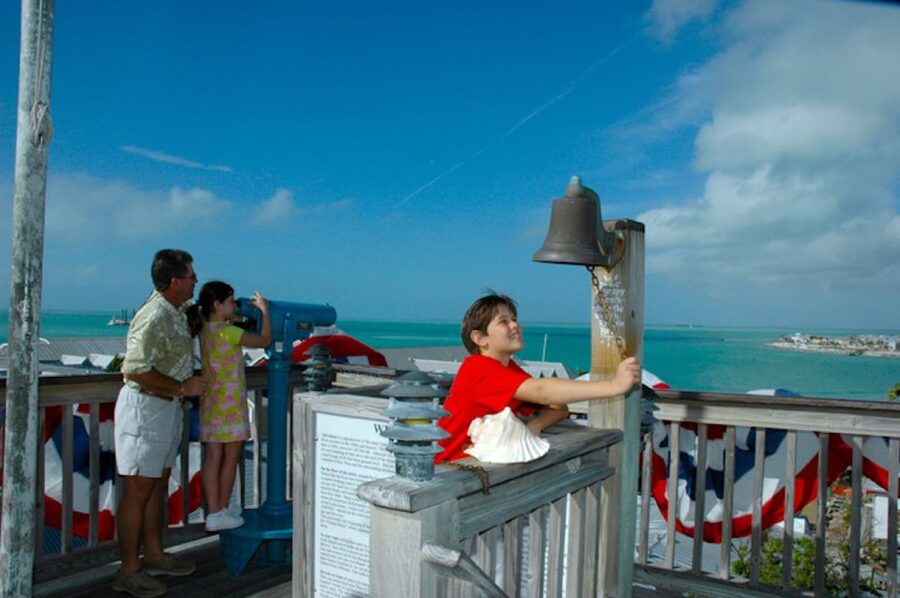
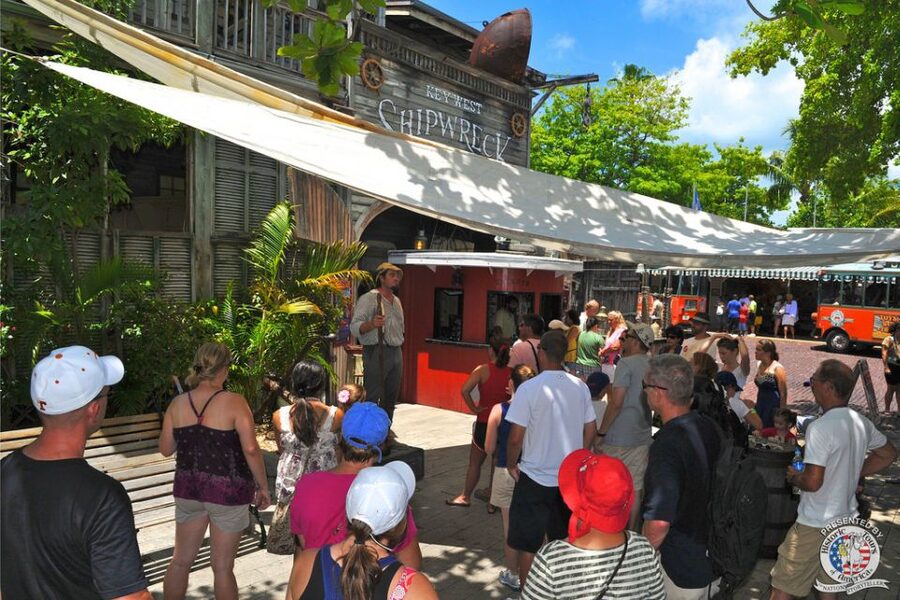
The museum includes presentations, and they run on a predictable cycle: shows start every 20 minutes, at the hour, 20-past, and 20-to. The last show is 4:40 PM.
That schedule changes how you should plan your visit. If you want the full experience, don’t just arrive and wander for hours. Arrive with enough time to catch a presentation early enough that you can still browse after. If you land in the final stretch of the day, you may end up skipping the show and relying only on the exhibits.
These presentations are a big part of what makes the museum feel alive. You get audio-visual displays alongside storytellers dressed in period costume, so the museum doesn’t stop at facts on labels. It turns maritime history into scenes and explanations that are easier to remember.
Language is English, so if English is comfortable for you, you’ll get more from the dialogue than you would with a purely silent exhibit.
The 65-foot look-out tower: your reward for finishing the exhibits
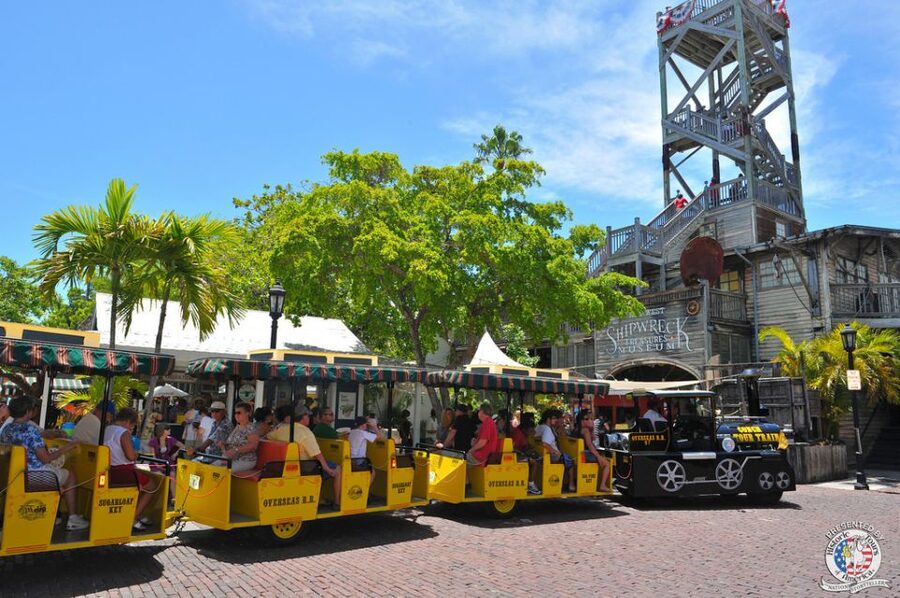
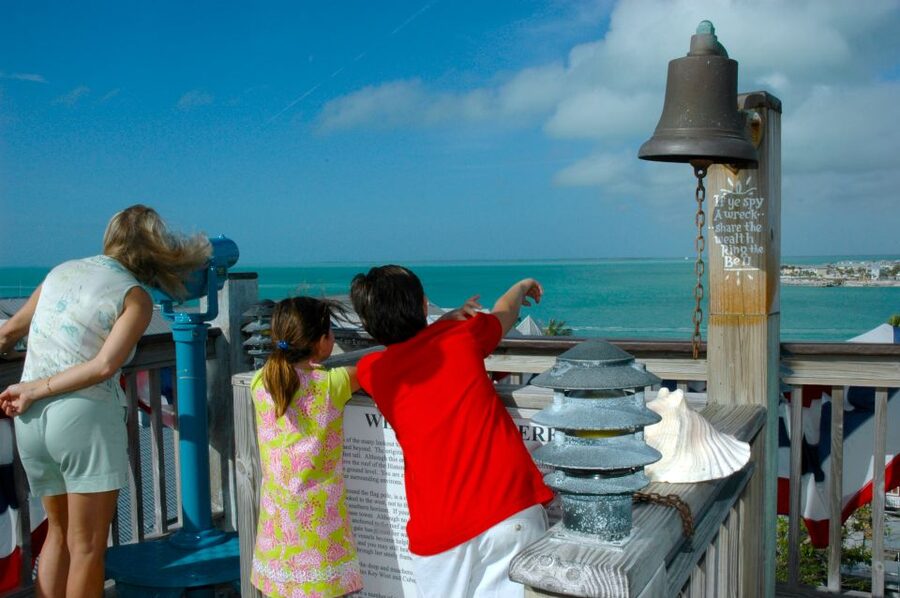
After you’ve spent time with artifacts and presentations, head up for the 65-foot look-out tower. The museum’s promise is straightforward: you’ll get to see the entire island from the top.
This matters because Key West’s story is tied to its geography. When you can visually connect the coastline, the layout, and the sense of distance across the island, the shipwreck history stops being abstract. The reefs and transit routes make more sense when you can picture where ships were going—and what dangers were nearby.
I treat the tower as a “reset moment.” It breaks up the museum pace, gives you a change of light for photos, and helps you end the visit with a bigger feeling of place than you get from indoor rooms.
A practical note: the museum states wheelchair access on the main floor only. If you or someone in your group needs to remain on that level, plan your route with that limitation in mind. The tower is a major feature, but access beyond the main floor isn’t guaranteed by the information provided.
You can also read our reviews of more museum experiences in Key West


Tickets and value: is $19 worth it?
At $19 per person for a 1-day admission, this museum sits in a fair middle zone for Key West. The value comes from what’s included: museum entrance and presentations. You’re paying not just for rooms of artifacts, but also for show-style storytelling and the interactive silver-bar experience.
The best value angle here is the mix:
- Two floors of genuine recovered artifacts (not just one room)
- A hands-on interactive moment with a memorable weight-based experience
- A 65-foot lookout tied to the area’s geography
- Period-costume storytellers plus audio-visual learning
If you’re the type of person who enjoys reading labels but also likes moments you can actually do, this works well. If you only want a quick photo stop, you might not feel your money’s worth. But if you’re spending a day in this area anyway, it’s easy to justify.
Also, Key West museums tend to compete with a lot of other fun plans—beach time, sunset walks, and boat trips. This one is different because it adds context to the island. It helps you understand why the sea shaped the town’s economy.
Who should book (and who should think twice)
I’d book this if you like maritime history, treasure-and-salvage stories, or museums with hands-on moments. It’s also a good choice for groups because the exhibits are spread across topics and the presentations happen repeatedly through the day, so people can find a rhythm.
If you’re visiting with kids, I’d plan carefully. The museum includes interactive and show elements, but it can feel like a lot for very young children who have short attention spans. With older kids, you can make it work by treating it like a series of “missions”: one room, one artifact, one show, then the tower.
This is also a strong option for solo travelers who like structured discovery. You can go at your own pace, then use the show times as a guide to keep the day moving.
If you don’t want to climb or you need full accessibility beyond the main floor, factor that in. The information provided says wheelchair access is for the main floor only, so you should plan around that.
Should you book Key West Shipwreck Treasure Museum tickets?
Yes—if your idea of a good Key West day includes real artifacts, story-driven presentations, and a payoff view from a 65-foot tower. The $19 price makes sense because you get more than one kind of experience: two floors of recovered treasures, a hands-on silver-bar moment, and a show schedule that’s built into your visit.
Skip it (or at least scale down expectations) if you only want quick sightseeing, hate timed presentations, or are traveling with very young kids who won’t handle indoor exhibits and story explanations for long stretches. Also, if mobility is a concern, remember that accessibility is stated for the main floor only.
If you’re in the Mallory Square area, you’re already close. I’d treat this museum like a smart weather-proof anchor: even if your outdoor plans change, you can still get a full, satisfying Key West experience inside.
FAQ
Where is the Key West Shipwreck Treasure Museum?
It’s located at 1 Whitehead Street, Mallory Square, Key West, FL 33040.
How much are tickets?
Tickets are $19 per person.
How long does the experience take?
It’s listed as a 1-day experience.
What’s included with admission?
Admission includes museum entrance and presentations.
Are there scheduled presentations?
Yes. Presentations start every 20 minutes, at the hour, 20-past, and 20-to. The last show is 4:40 PM.
What famous wreck does the silver bar come from?
The museum has an interactive moment where you can lift a 64-pound silver bar salvaged from the 1656 shipwreck Nuestra Señora de las Maravillas.
What wrecks and time periods can I see artifacts from?
You can see pieces connected to Spanish fleets from the 1600s and 1700s and artifacts from the Isaac Allerton, wrecked in 1856.
Is there a lookout tower?
Yes. There’s a 65-foot look-out where you can see the entire island.
Is the museum wheelchair accessible?
The museum is wheelchair accessible on the main floor only.
Is English spoken during presentations?
Yes. The host or greeter and presentations are in English.