REVIEW · ROME
Rome: Skip the line Vatican Museums & Sistine Chapel Tour
Book on GetYourGuide →Operated by Tourismotion · Bookable on GetYourGuide
The Vatican feels smaller with a plan. I love the skip-the-line entry that gets you into the Vatican Museums faster, and I also love the live guide plus earphones that keep the art stories clear as you move room to room, ending with Michelangelo in the Sistine Chapel.
One thing to consider is the pace: it’s a 3-hour guided route with lots of standing and walking in tight corridors, so it’s not a great fit if you need extra mobility support.
In This Review
- Key tour takeaways
- Skip the Ticket Crush: Why line-skip matters here
- Starting spots: Viale Giulio Cesare vs Cortile del Belvedere
- Cortile del Belvedere: Sculpture stops that connect to Michelangelo
- Vatican Museums main route: a smart, guided hit list
- Gallery of Maps: Renaissance geography before modern cartography
- Gallery of Tapestries: seeing craft like a story
- Raphael Rooms: School of Athens and the art of meaning
- Belvedere Courtyard echoes: anatomy, proportion, and emotion
- Sistine Chapel: 30 minutes that can feel like a lifetime
- Group size and the headset: the difference between seeing and rushing
- Price and value: is $71 a good deal?
- Who should book this Vatican Museums and Sistine Chapel tour
- Should you book this skip-the-line Vatican and Sistine Chapel tour?
- FAQ
- How long is the Rome Skip the Line Vatican Museums & Sistine Chapel Tour?
- Which languages are available for the live guide?
- What’s included in the price?
- How much time is spent in the Sistine Chapel?
- Where do we meet the group?
- Do I need to bring ID?
- What should I wear or avoid wearing?
- Is the tour wheelchair-friendly or stroller-friendly?
- Is free cancellation available?
Key tour takeaways
- Line-skip gets you moving fast before the Vatican crowd wave fully swallows the day.
- Small-group feel helps you actually hear the guide and keep track of what to look for.
- Headsets (earphones) make narration workable even in echo-y spaces.
- You hit the major zones: Maps, Tapestries, Raphael Rooms, sculpture stops, then the Sistine Chapel.
- 30 minutes in the Sistine Chapel gives you a real chance to slow down in the right place, not just pass through.
Skip the Ticket Crush: Why line-skip matters here
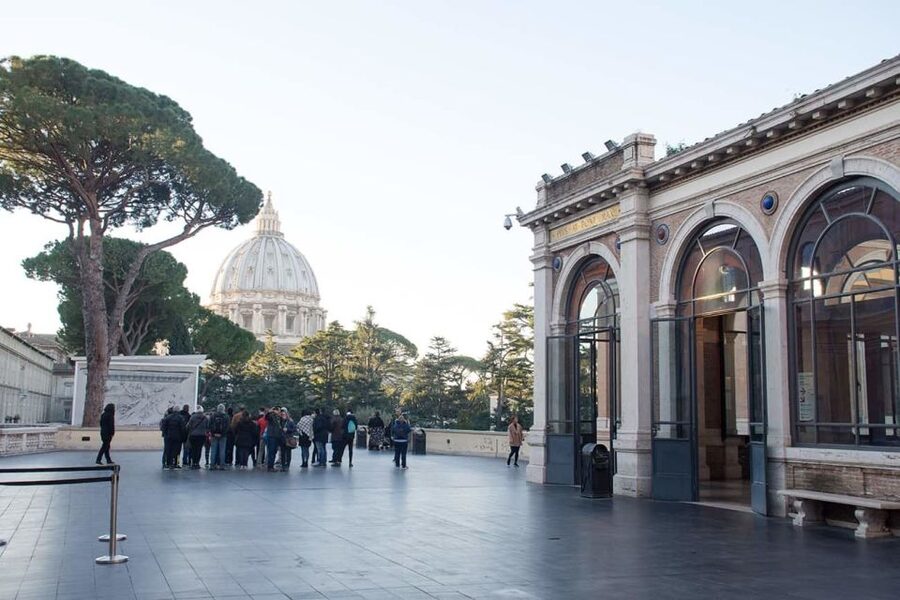
The Vatican Museums don’t do “casual.” If you show up unplanned, you can end up doing the world’s most confusing waiting line, then rushing the art anyway. This tour’s biggest value is that it’s built for people who want to spend their energy on galleries and frescoes, not queueing.
You’re also not going in blind. With a licensed guide leading the route, you’re not just looking at rooms—you’re learning what each stop is meant to show and why artists did what they did. That is especially important for the Vatican, where it’s easy to see ten masterpieces and remember none of the meaning.
The line-skip is also a timing cheat. You get inside while the day is still moving, not when you’ve already lost half your visit to entry lines. For a 3-hour format, that difference is huge.
You can also read our reviews of more museum experiences in Rome
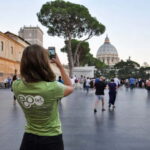
Starting spots: Viale Giulio Cesare vs Cortile del Belvedere
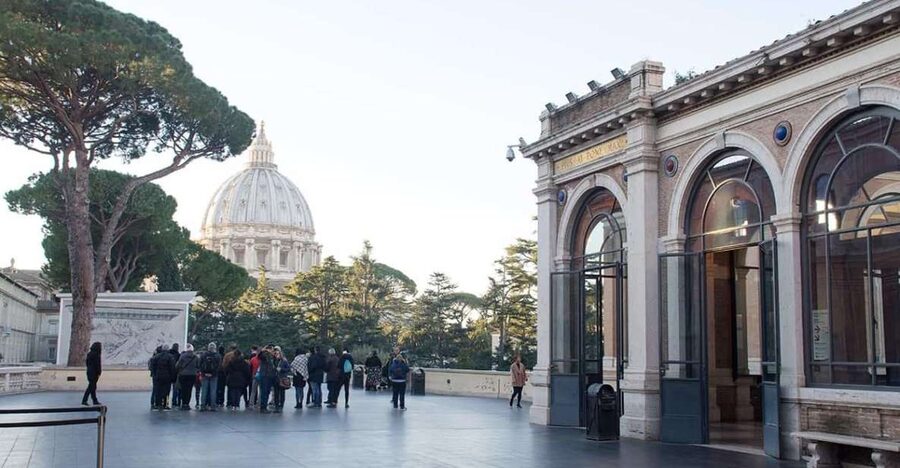
Your meeting point can vary depending on the option you book. You may meet at Viale Giulio Cesare, 229, or you may meet at Cortile del Belvedere. Either way, the key is this: confirm your exact start location ahead of time, then plan to arrive early enough to find the group quickly.
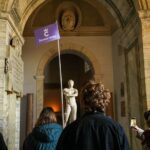
Why this matters: the Vatican is a maze, and the day can feel like a relay race between entrances, security, and meeting points. When you start in the right place, the guide can get the group organized sooner, and you spend more time in galleries instead of searching for the right flag.
If you’re the kind of traveler who likes to orient first (where the stairs are, what the exits look like), start at Cortile del Belvedere. It sets the tone for the sculpture-focused stop that comes early in the experience.
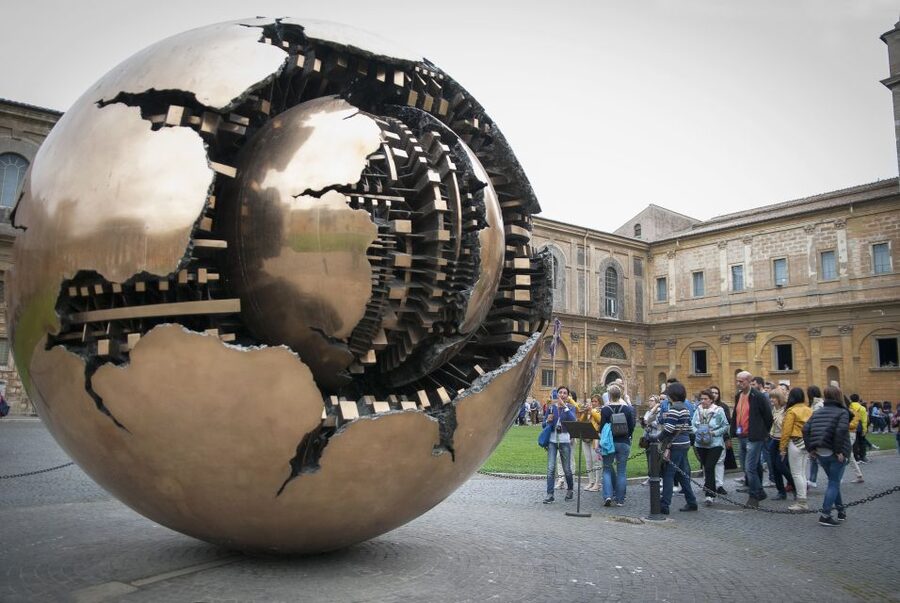
Cortile del Belvedere: Sculpture stops that connect to Michelangelo
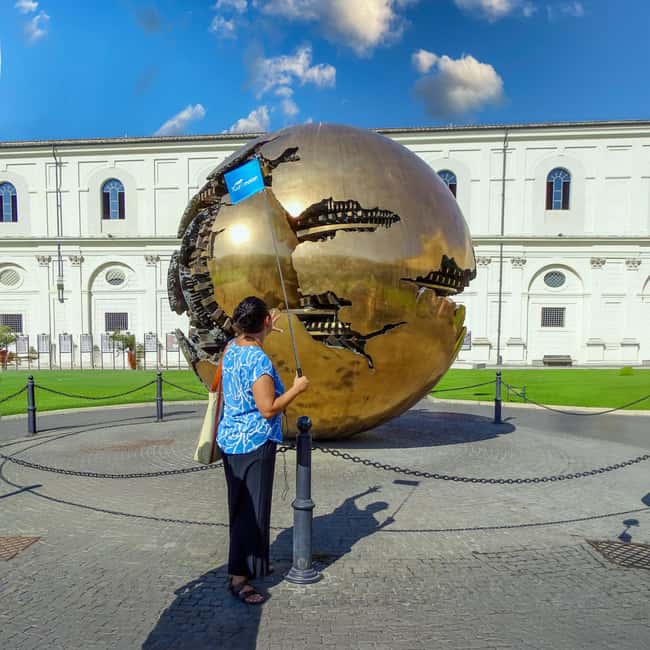
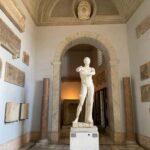
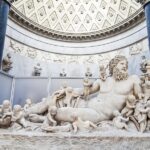
Before you even reach the famous ceiling, you’re given a strong art “setup” through sculpture at Cortile del Belvedere. This is where you start to see the Vatican Museums as more than a museum of paintings. Sculptures here helped shape how Renaissance artists understood the human body and classical form.
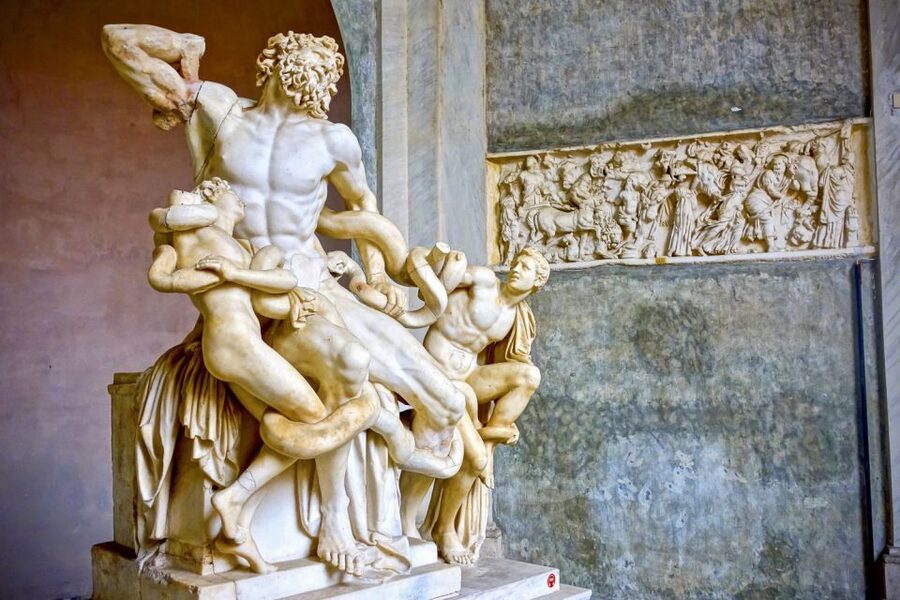
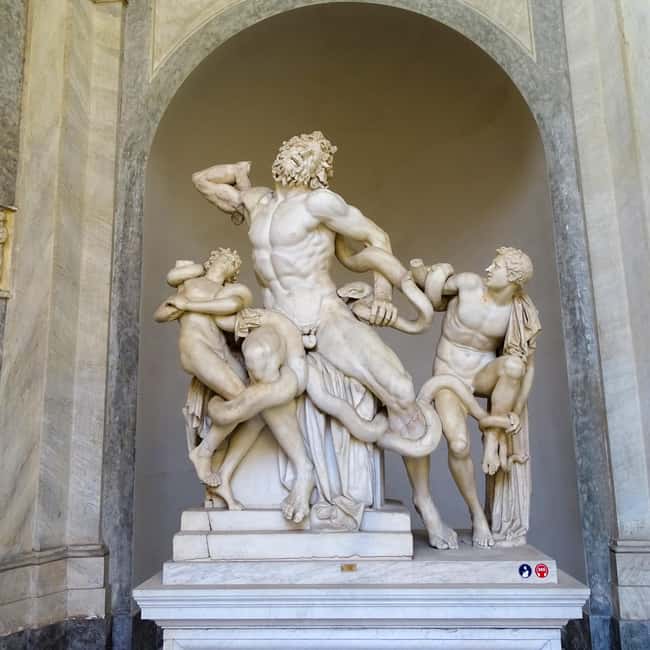
A couple of names you’ll want to watch for: Laocoön and His Sons, and the Belvedere Torso—the torso that famously helped influence Michelangelo’s thinking about anatomy. Even if you’re not a hardcore art-history person, these stops give you a physical sense of the skills Renaissance artists were trying to master.
Also, this is where your guide’s storytelling becomes practical. Instead of just hearing facts, you’ll get clues on what to focus on—turning, posture, proportion, and how emotion is built into stone. It makes what comes next in the Vatican feel less random.
Vatican Museums main route: a smart, guided hit list
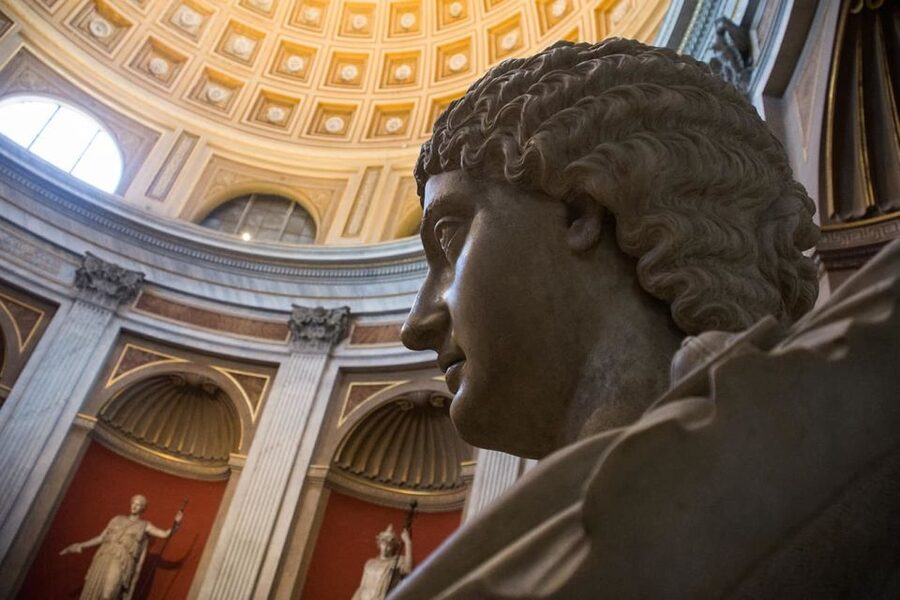
After the first courtyard stop, the tour moves through the Vatican Museums with guided narration, covering a route designed around the highlights most people came for—without wasting time repeating steps.
This is where the small-group format helps. Even in a busy museum, a guide can keep the group together and point you toward specific things to notice. That matters because the Vatican can pull your eyes in ten directions at once: huge rooms, dense walls, and crowds that shift as you move.
In the main route, you’ll run into the sections that connect major ideas across time:
- Renaissance rooms with clever geometry and symbolism
- Transitional spaces where the art changes mood
- Sculpture areas that help you understand why the Renaissance cared so much about classical models
If you like your sightseeing to feel like a guided story instead of a checklist, this pacing is a big reason the tour works for many people.
Gallery of Maps: Renaissance geography before modern cartography
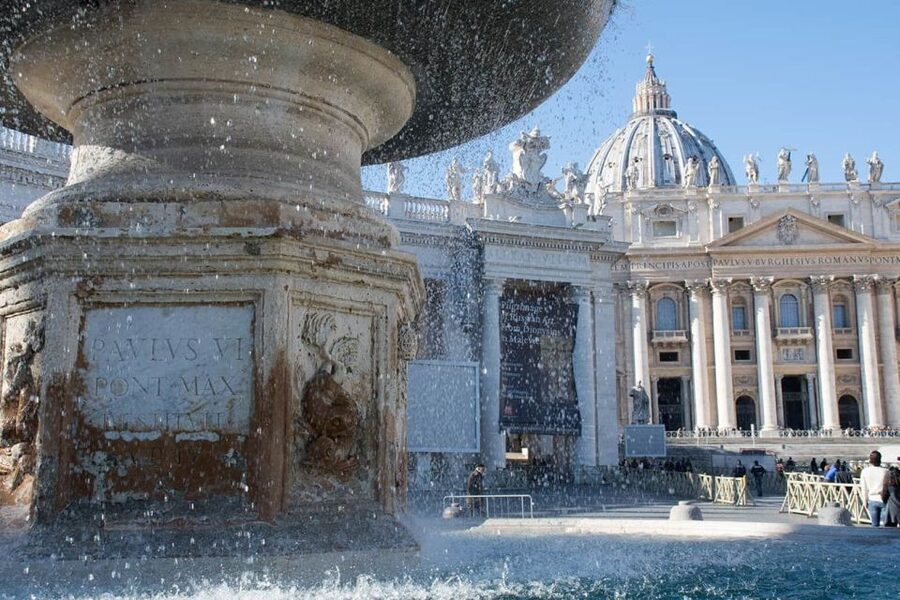
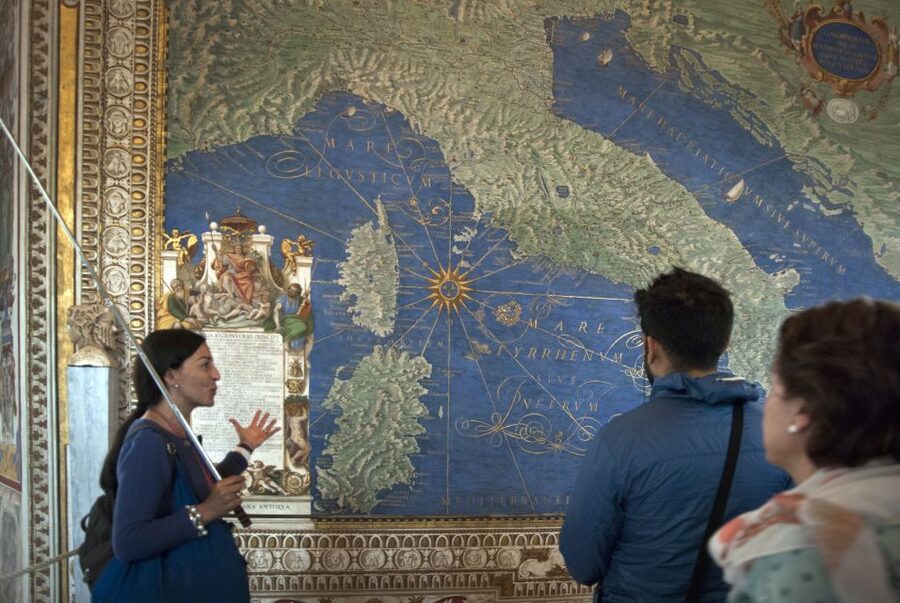
One of the most fun stops for curious travelers is the Gallery of Maps. The concept is simple, but the payoff is big: you’re looking at how 16th-century artists represented Italy’s geography long before modern mapping got its current form.
What I love about this stop is the way it trains your eye. Instead of thinking of maps as neutral, you start noticing the artistry in how places are framed—how perspective and decoration guide your attention. A good guide turns the room into a lesson you’ll actually remember, not just a wall of detail.
If you’ve ever wondered why Renaissance culture felt like it was built from both science and art, this gallery helps answer it. It’s not just information; it’s communication. The guide’s job is to show you what the artists were trying to say with the layout.
A few more Rome tours and experiences worth a look
Gallery of Tapestries: seeing craft like a story
Next comes the Gallery of Tapestries, where the focus shifts from painted illusion to woven detail. Tapestries can look impressive from a distance, but up close they become a lesson in how skill shows up in tiny decisions.
This is one of those stops where your guide can make a major difference. Instead of rushing past, you get directed to details that change what you see. You start understanding what the images are doing—how the composition leads your attention, and how the textile format affects the way scenes are read.
Also, this gallery is a reminder that the Vatican’s “famous art” doesn’t only mean ceiling frescoes. The Museum experience is broader than most first-time visitors expect. You leave the room with a stronger sense of how the Vatican collected and displayed artistry across multiple mediums.
Raphael Rooms: School of Athens and the art of meaning
After the craft-focused galleries, you step into the Raphael Rooms, known for masterpieces like the School of Athens. This is where perspective and symbolism matter in a very human way. You aren’t just admiring figures—you’re learning how the painting organizes ideas.
When the guide explains what’s happening, the scene stops being only iconic and becomes something you can “read.” You’ll also hear about the stories inside the work, including how symbolism points to what Raphael wanted viewers to notice.
There’s also a stop connected with the Room of the Fire in the Borgo, where historical significance shows up through composition and scene design. It’s a good reminder that Renaissance artists weren’t working in a vacuum. Their paintings respond to politics, culture, and the image of power.
If you like learning one room at a time, this portion is where the tour earns its keep.
Belvedere Courtyard echoes: anatomy, proportion, and emotion
By the time you reach the sculpture focus again in the wider route, you’ll get more out of it than you would on a quick pass. Seeing classics like Laocoön and His Sons and the Belvedere Torso makes the later ceiling imagery feel connected to real artistic training.
This is the kind of stop where I think a guide’s pacing matters. Stand too long and you lose the flow; move too quickly and you miss what changes between angles. Your guide helps you hit the right viewpoints so you’re not wandering like a tourist with a map.
If you want a souvenir memory that isn’t just a photo, pay attention to how emotion is built into bodies. That’s a Renaissance obsession for a reason. The best part is that you can feel the technique even without a degree in art history.
Sistine Chapel: 30 minutes that can feel like a lifetime
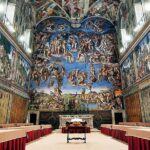
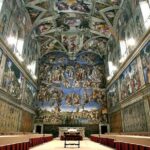
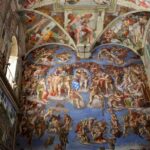
Then you reach the big finale: the Sistine Chapel. The tour includes 30 minutes inside, which is a meaningful amount of time for a room that demands a different pace. The atmosphere is quieter, and that changes how the art hits you.
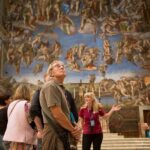
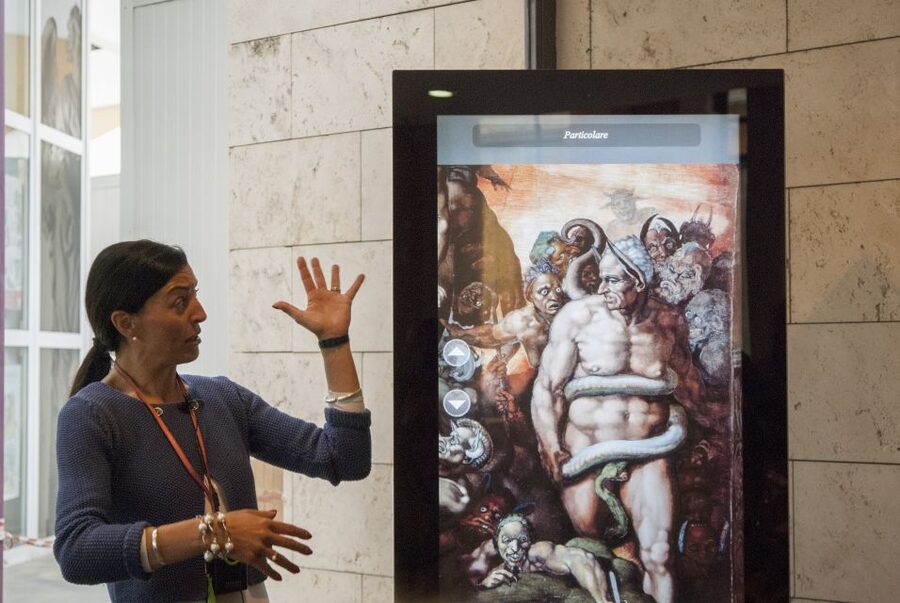
The guide helps you focus on the ceiling stories, including The Creation of Adam. You also get context that makes The Last Judgment less like a blur of figures and more like an organized message full of symbolism.
Two practical tips help you get the most from those 30 minutes:
- Take a moment to find a stable spot where you can look upward without constantly shifting.
- Listen for the guide’s pointers, then re-check your view using those cues.
One small caution: the Vatican has tricky acoustics. With headsets, you’ll usually be fine, but in some spots it can still be harder to hear clearly. If that happens, move a few steps to where sound carries better and re-center yourself.
Group size and the headset: the difference between seeing and rushing
This tour is designed as an intimate small-group experience. That’s not just marketing. In a place like the Vatican, it’s the difference between feeling lost in crowds and moving with purpose.
The included headset system matters too. It’s how you keep your attention on what’s in front of you instead of playing a guessing game with everyone else’s volume. Guides have a way of pointing out the kind of details that you’d never notice alone—corner symbolism, composition choices, and why certain figures appear where they do.
Some visitors have mentioned that hearing can be affected by the room’s acoustics, but the overall approach is still built around keeping the narration usable. If you want the best audio, stand where you can face the guide comfortably and avoid drifting out of the group.
Price and value: is $71 a good deal?
At $71 per person for a 3-hour tour, the value comes from three places:
- Time savings: skip-the-line access is the fastest way to buy back hours in a crowded museum complex.
- Expert guide + earphones: you’re paying to turn galleries into a coherent story, not just a photo walk.
- Ticket coverage: you get entrance to the Vatican Museums and access to the Sistine Chapel.
Is it worth it for everyone? If you’re the type who enjoys art deeply, a guided route helps you notice things you’d otherwise miss. If you’re more of a “see it, snap it, move on” visitor, you might feel the time is tight—three hours can pass quickly in such a large site.
Still, for many first-timers, this price is a smart trade: you pay to reduce the Vatican’s biggest headache (lines and confusion) while still hitting the core highlights.
Who should book this Vatican Museums and Sistine Chapel tour
This tour fits best if you:
- want guided context for the big names (Maps, Raphael Rooms, Sistine Chapel)
- appreciate small-group pacing so you can keep up
- like having earphones to hear stories clearly while walking
- plan to visit the Vatican as a “highlights plus meaning” day
It may not fit you if:
- you need wheelchair access or extra mobility support, since it’s not suitable for wheelchair users
- you’re traveling with a stroller, since the tour is not suitable for strollers and corridors can feel tight
- you want lots of free time in each room. This is a guided route with a set rhythm
Also, check the dress code before you go. Shoulders and knees need to be covered to access places of worship. That means no shorts, no short skirts, and no sleeveless shirts.
Should you book this skip-the-line Vatican and Sistine Chapel tour?
If you want the Vatican experience to feel like smart sightseeing instead of stress management, I think this is a good booking. The skip-the-line access plus a professional local guide is exactly what turns “overwhelming” into “manageable,” especially when you only have about half a day.
Book it if you care about understanding what you’re seeing in the Gallery of Maps, the Raphael Rooms, and the Sistine Chapel. The 30 minutes in the chapel is long enough to slow down, as long as you stay present and focused.
Skip it only if you’re determined to wander solo, or if mobility needs make a tight, standing-heavy route unrealistic. For most people with average walking ability, this is one of the easier ways to get maximum meaning out of a complex, crowded site.
FAQ
How long is the Rome Skip the Line Vatican Museums & Sistine Chapel Tour?
The tour lasts about 3 hours.
Which languages are available for the live guide?
The live guide is available in Spanish and English.
What’s included in the price?
You get an entrance ticket to the Vatican Museums, access to the Sistine Chapel, an expert guide, earphones, and helpline and assistance.
How much time is spent in the Sistine Chapel?
The Sistine Chapel portion is listed as 30 minutes with a guided visit.
Where do we meet the group?
The meeting point can vary depending on the option booked. You may meet at Viale Giulio Cesare, 229, or at Cortile del Belvedere. Drop-off is listed near Piazza Pio XII, 1.
Do I need to bring ID?
Yes. You should bring your passport or ID card (and children need the same).
What should I wear or avoid wearing?
To access places of worship, you need clothing that covers shoulders and knees. Shorts, short skirts, and sleeveless shirts are not allowed.
Is the tour wheelchair-friendly or stroller-friendly?
No. The tour is not suitable for wheelchair users, and it is not suitable for strollers.
Is free cancellation available?
Yes. You can cancel up to 24 hours in advance for a full refund.