REVIEW · ROME
Rome: Gladiator Show and Museum Tickets
Book on GetYourGuide →Operated by Gruppo Storico Romano · Bookable on GetYourGuide
A gladiator arena 3.5 km from the Colosseum. This Rome evening pairs a small gladiator-focused museum visit with a staged fight show, complete with music, lights, and audience call-outs.
I really like two parts of the experience: the real weapons and armor (handled by historical reenactors) and the fact that the ticket includes the museum visit plus a pre-show cocktail/refreshment moment in the Legion setting.
One consideration: the venue sits away from central dinner options, so plan transport ahead. If you wait until after the show, getting back can be more “taxi time” than “walk it off.”
In This Review
- Key highlights to know before you go
- Your night schedule: what happens from 20:45 to around 22:00
- The museum stop: Museo Storico – Didattico del Legionario Romano (what it’s for)
- Armory of the Legion: cocktail time and what to expect
- The show itself: fights, dances, Vestals rites, and pantomime
- Gladiator fight energy (and why it feels intense)
- Ancient dances and ceremony-style segments
- Audience participation: you’re not just a spectator
- Real weapons and armor: impressive, but how to approach it
- Can you take photos, and will you feel welcome?
- Getting there from central Rome: bus options, walking reality, and taxis
- Public transit and walking
- After the show: plan transport before the last scene
- Wheelchair accessibility
- Price and value: is $29 fair for this kind of night?
- Who should book this gladiator show, and who might skip it?
- A quick booking checklist (so Rome doesn’t mess with your timing)
- Should you book it?
- FAQ
- How long is the Rome Gladiator Show and Museum ticket?
- What time does the event entrance start?
- Where do I meet for the show?
- What is included with the $29 ticket?
- Is the show wheelchair accessible?
- Can I take pictures during the event?
- When do shows run in 2026?
- Is there a cancellation policy for a refund?
- Who operates the show?
Key highlights to know before you go
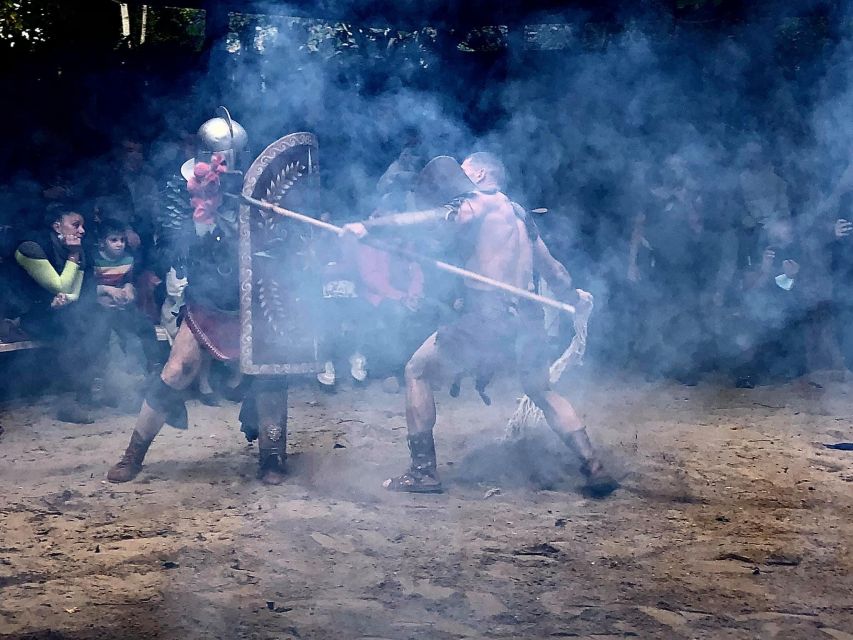
- Real weapons and armor handled by historical reenactors for a more intense, physical feel
- Museo Storico – Didattico del Legionario Romano to set context before the fighting starts
- Vestals rites, ancient dances, pantomime—the show mixes action with ceremony and performance
- Audience participation with multiple moments to involve the crowd
- Photo-friendly event where you can take pictures during the experience
- A short, contained evening (about 1.5 hours, starting with an 20:45 entrance)
Your night schedule: what happens from 20:45 to around 22:00
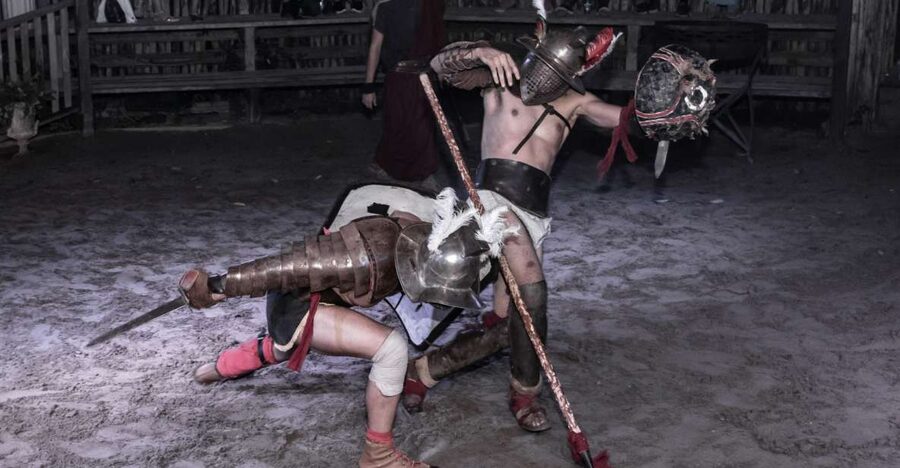
This is a tightly timed evening event, and that’s part of its charm. You typically arrive for an 20:45 entrance, then the whole experience runs about 1.5 hours, finishing around 22:00.
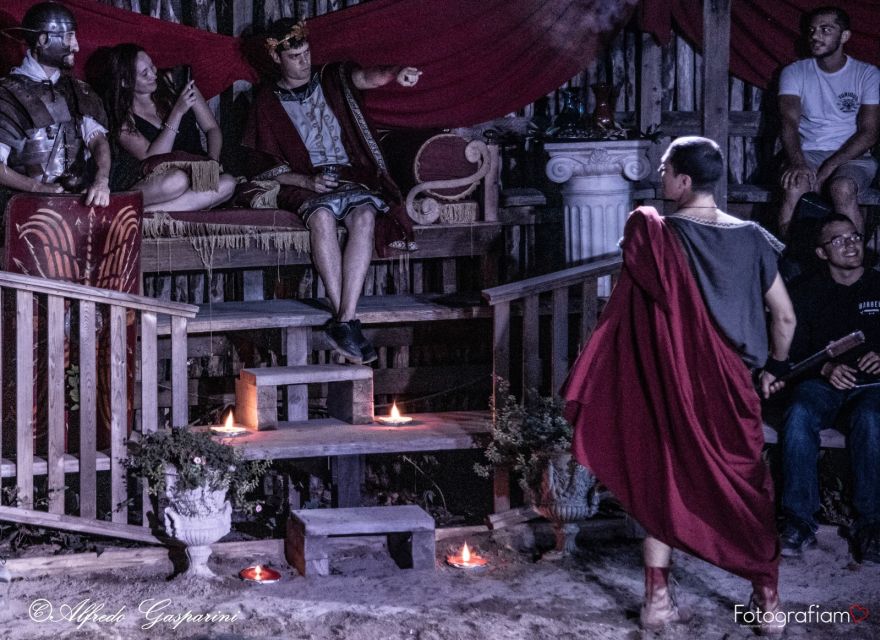
The flow usually goes like this: you start with a museum-style legions overview (the Museo storico – didattico del legionario romano), then you move into the themed Legion area for a cocktail/refreshment moment. After that, the actual show begins, with a variety of segments—think fight choreography, dance, ceremony-style bits, and a pantomime/comedy warm-up before things get serious.
The upside of this structure is that you’re not stuck waiting all night. It’s also easier to fit into a Rome itinerary than a long evening activity. The drawback is simple: you’ll want dinner either before you go or be ready to travel a bit after it ends.
A few more Rome tours and experiences worth a look


The museum stop: Museo Storico – Didattico del Legionario Romano (what it’s for)
Don’t think of this stop as a big museum in the way the Vatican or the Capitoline Museums are. It’s more of a focused, educational setup—a mini visit meant to give you the basics so the show lands better.
Here’s what you get from the museum component: a clearer picture of Roman soldier life and training, plus the ceremonial context behind what you’ll see later. In practice, this makes the fighting more meaningful. Instead of only watching swordplay and shouting, you understand why the reenactors are using specific uniforms, roles, and performance beats.
A couple notes to manage expectations. One review pointed out that groups can be large during the museum portion, which can limit how much you personally absorb. So if you’re the type who likes to read every placard slowly, arrive a little mentally prepared for a “watch and learn” style visit rather than a quiet, browse-every-cabinet museum hour.
Armory of the Legion: cocktail time and what to expect
Right after the museum segment, you shift to the Armory of the Legion for a cocktail/refreshment moment. The format seems casual and social—more “Roman-themed before-show mingle” than a formal dinner.
From the details provided, you can expect nibbles/snacks and wine. One review mentioned wine with honey, which fits the Roman-style flavor story they’re telling. This is the kind of small extra that turns a show ticket into something that feels like an event evening, not just a performance you sprint to and leave.
If you’re wondering about food expectations: don’t plan this as a full dinner replacement. One review explicitly cautioned that it’s not dinner; restaurants are outside for the real meal. I’d treat the snacks as a bonus so you can enjoy the show without getting shaky-hungry halfway through.
The show itself: fights, dances, Vestals rites, and pantomime
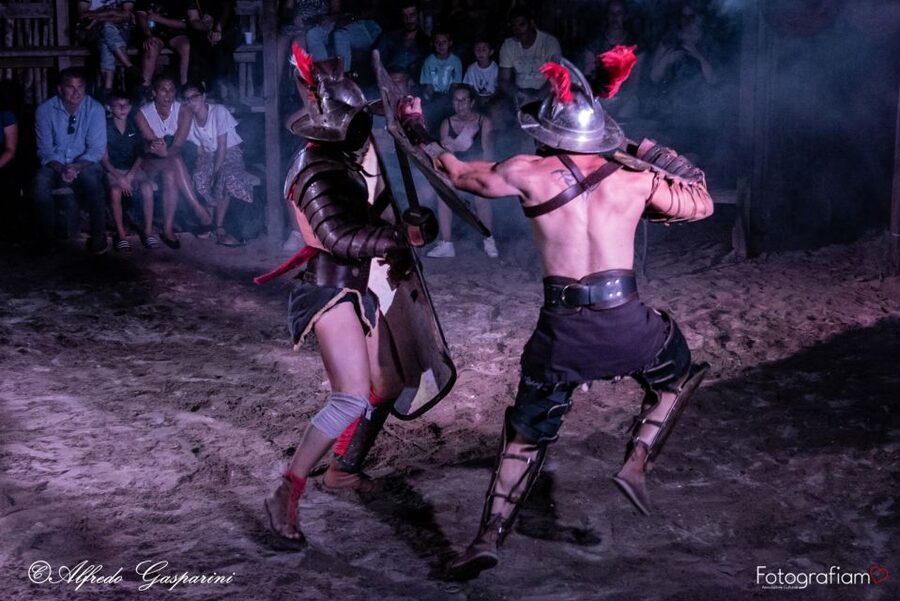
The main event is a structured mix. The ticket isn’t only for a gladiator fight scene. It’s built around multiple performance elements that try to recreate pieces of Roman public spectacle.
Gladiator fight energy (and why it feels intense)
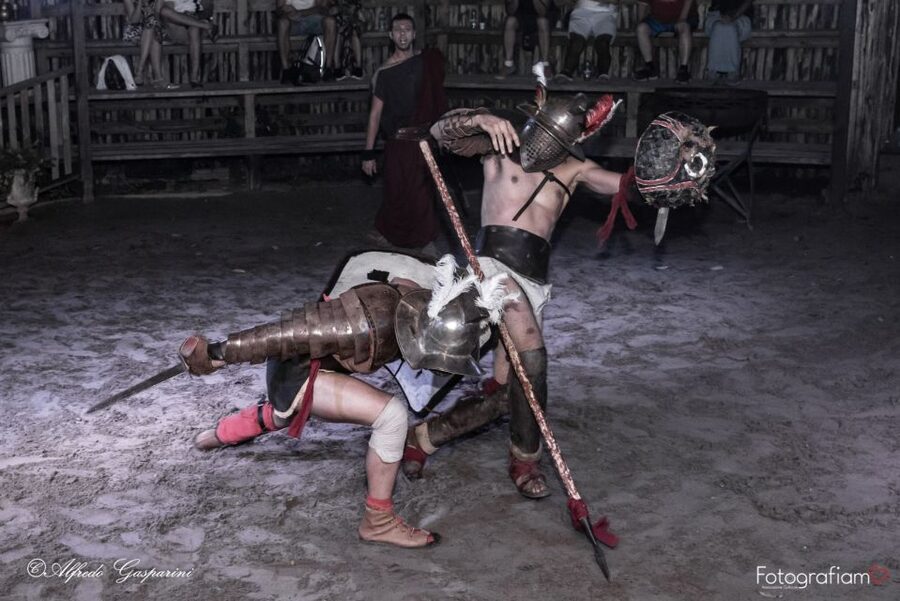
You’ll see a gladiator fight demonstration in an equipped arena-like setting. The most repeated theme in the reviews is intensity. People described it as realistic enough that they momentarily wondered if the action was genuinely dangerous—and it’s clear the performers are trained and confident.
Just know what that means for you: if you don’t like staged violence at all, you might prefer a different Roman evening activity. But if you’re curious about how the spectacle worked—how training, weapons, crowd energy, and performance combine—this format gives you that.
You can also read our reviews of more museum experiences in Rome



Ancient dances and ceremony-style segments
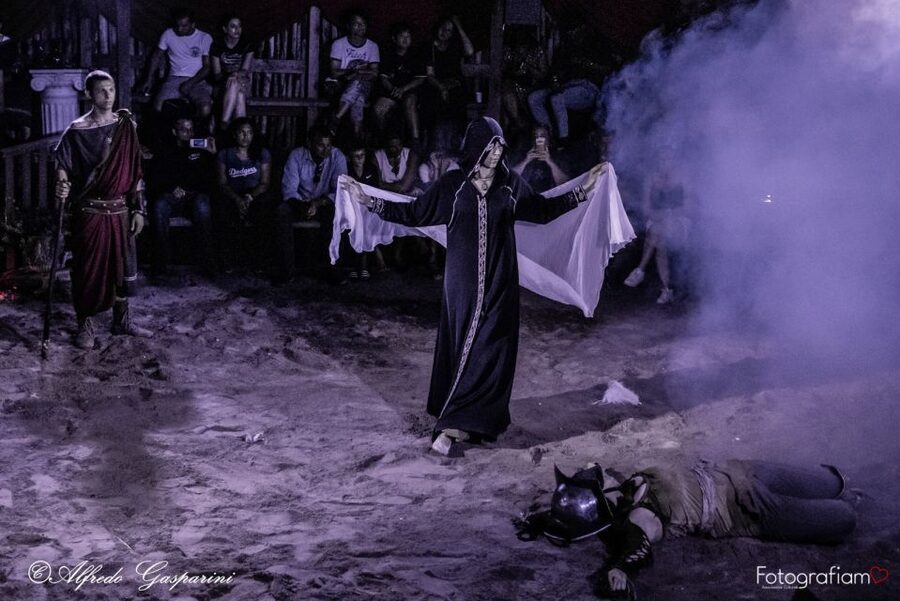
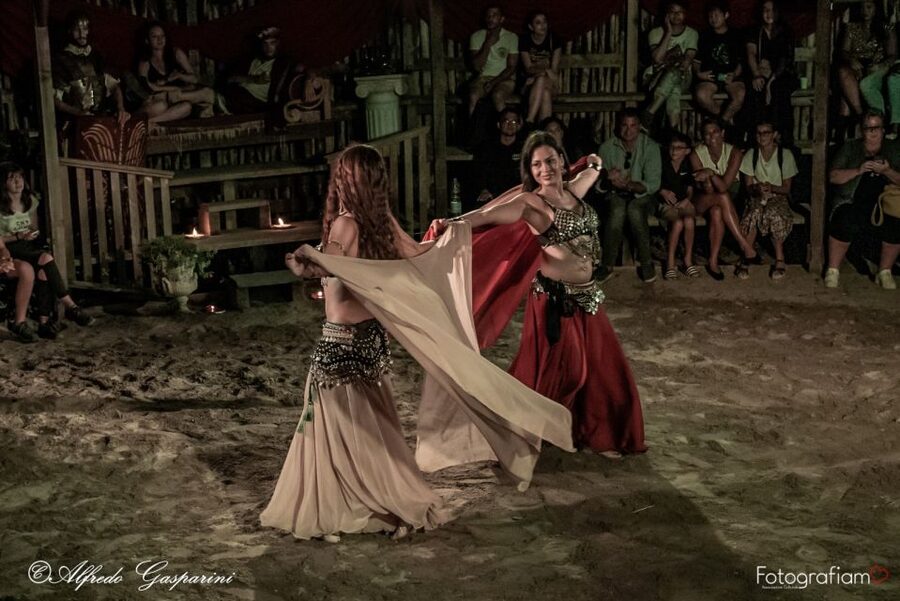
Along with fighting, the show includes Ancient Dances, plus segments described as Vestals rites and pantomime. This matters because Roman “gladiator day” wasn’t only blood sport. It was part theatre, part ritual, part city entertainment.
I like this mix because it keeps the pace moving. You’re not watching the same thing on repeat. You’re getting rhythm: serious, funny, ceremonial, and then action again.
Audience participation: you’re not just a spectator
A major selling point is how often the cast involves the crowd. Multiple reviews mention audience participation and crowd engagement throughout the show, not just a single gimmick at the end.
In practical terms, this makes the experience more memorable for groups and families. It also explains the atmosphere: people aren’t quiet museum visitors; they’re part of the show’s energy.
Real weapons and armor: impressive, but how to approach it
The show is performed by historical reenactors using real weapons and armor. That word—real—is doing heavy lifting here.
Why I think it’s valuable: when props are too soft or too obviously fake, you stop caring about the storytelling. When armor and weapon handling look convincing, your brain fills in the history. Even if you know it’s a reenactment, it still feels like Roman public spectacle.
One note: there’s no claim in the information provided that these weapons are bladed in a live-combat way. It’s a performance. Still, the reactions described in reviews suggest the choreography is fast and aggressive-looking. Go in with the mindset of a dramatic show, not a movie special effect.
Can you take photos, and will you feel welcome?
If photography matters to you, this is one of those rare experiences that doesn’t feel strict about it. The event states you can take all the pictures they want.
On top of that, reviews highlight how friendly the cast is: welcoming arrivals, time to chat, and a “help you leave safely” vibe. One review even mentioned staff staying with the group afterward to make sure they got their Uber safely.
That friendly care makes a difference because the experience has a “small production” feel. You’re not getting lost in a crowd the way you might around the biggest attractions. Instead, you’re interacting with the people performing.
Getting there from central Rome: bus options, walking reality, and taxis
Location matters here. The venue is about 3.5 km from the Colosseum, which means it’s not a quick hop on foot from the main sights.
Public transit and walking
One review noted buses 118 and 218, with a walk of about 5 minutes from the stop. That’s a workable plan if you’re comfortable with bus schedules and a short walk at night.
But another review raised a more practical warning: sidewalks can be limited in places and the approach can involve longer walking. If you’re traveling with kids, strollers, or you just dislike walking after dark, I’d plan to use bus/taxi rather than assuming it’s an easy stroll.
After the show: plan transport before the last scene
Here’s the big logistics takeaway from the experience details: the area doesn’t sound like it’s packed with convenient services nearby, and one review mentioned there was no public transport after the show finished (bus not running anymore). That’s why many people seem to use taxis after.
There’s also a helpful hint: the venue staff reportedly can help arrange a taxi afterward in some situations. In other words, even if you plan to take public transit to arrive, consider confirming your return plan before the show ends.
Wheelchair accessibility
Good news: the activity is listed as wheelchair accessible. If you have mobility needs, it’s still smart to ask in advance about the exact route from the bus stop or drop-off point, since the last stretch may involve sidewalks and road crossings.
Price and value: is $29 fair for this kind of night?
At $29 per person, this isn’t a bargain-basement show, but it also isn’t priced like a major theatre production. The value is in what you get for the money: museum visit + show + refreshments in one evening.
Here’s how I’d judge the value:
- If you only want the fight and nothing else, you might feel it’s a bit much.
- If you want an entire Roman-themed evening with context first, then action, then refreshments—that price starts to look reasonable.
- If you’re traveling as a family, the reviews repeatedly say it works well for kids and adults, which can make the cost feel more justified versus a separate “adult show + kid entertainment” day.
Also, remember this isn’t dinner. The snacks and wine help the show feel like an event, but you’ll likely still want a proper meal before or after. That’s not a dealbreaker—it’s just how to budget your evening.
Who should book this gladiator show, and who might skip it?
This experience makes the most sense if you want entertainment with historical flavor—especially if you like interactive storytelling and performance rather than pure archaeology.
You’ll likely enjoy it if:
- You want something fun for families and mixed ages
- You like fast-paced shows with audience participation
- You’re okay with a staged, high-energy reenactment using real armor and weapons
- You want an easy “one ticket” evening that includes a short educational stop
You might skip it if:
- You’re hoping for a big museum day or serious artifact viewing
- You prefer quiet, self-guided sightseeing over crowd involvement
- You hate any “violent” themed performance, even if it’s clearly theatrical
A quick booking checklist (so Rome doesn’t mess with your timing)
- Plan to arrive close to the 20:45 entrance time so you don’t feel rushed for the museum and refreshment portion.
- Eat a real dinner before you go, or accept that the included food is more like snacks.
- Decide your return plan early—especially if you’re relying on buses after around 22:00.
- If you’re bringing kids, it’s worth noting the show is described as suitable for all ages in the reviews, but you’ll still be dealing with loud music, crowd energy, and fight-themed scenes.
Should you book it?
If you want a lively Roman evening that combines a short legions museum visit with an action-heavy reenactment, I think it’s a smart use of time. The price feels fair for the mix you get—show plus context plus refreshments—and the strongest praise focuses on energy, interaction, and the performers’ commitment.
I’d book it if your goal is fun with a Roman theme and you’re okay handling the simple logistics of getting to an out-of-the-way venue at night. I wouldn’t book it if you’re only interested in major museums, quiet galleries, or you need lots of dining options right near the attraction.
FAQ
How long is the Rome Gladiator Show and Museum ticket?
The total duration is about 1.5 hours.
What time does the event entrance start?
Entrance is listed at 20:45, with the event ending around 22:00.
Where do I meet for the show?
Meet at Rome Gladiator School – Gruppo Storico Romano.
What is included with the $29 ticket?
The ticket includes the Museo storico – didattico del legionario romano visit and the gladiator show, plus a cocktail/refreshment in the Armory of the Legion.
Is the show wheelchair accessible?
Yes, it is listed as wheelchair accessible.
Can I take pictures during the event?
Yes. The information provided states you can take all the pictures you want.
When do shows run in 2026?
Shows run from May to September in 2026.
Is there a cancellation policy for a refund?
Yes. Free cancellation is available up to 24 hours in advance for a full refund.
Who operates the show?
The show is realized by historical reenactors under Gruppo Storico Romano.