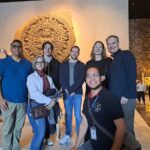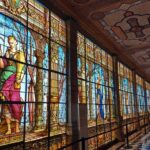
A museum this big needs a guide with a plan. This private tour at the Museo Nacional de Antropología turns the galleries into a clear story of Mesoamerica, not just a wall of labels. I really like how the archaeologist frames what you see by culture and time, with the point that pre-Hispanic Mexico goes well beyond the Maya and Aztecs.
Two things I love: you get professional archaeology context tied to religion, politics, economy, architecture, and traditions, and you also get digital support material to help meanings stick. One possible drawback: since this is a 3-hour deep guided pass through major halls, you may not have time to slow-walk every single object on your own after the tour.
In This Review
- Key highlights to look for
- Why this private archaeologist tour beats wandering solo
- Where you start: Polanco’s Anthropology Museum meeting point
- How the tour works inside the museum (and what you’ll actually see)
- Mesoamerica beyond the usual names
- The guide experience: David Huesca, aka Pakalito
- Making sense of symbolism and meaning in the galleries
- The pacing: 3 hours in a museum that could swallow a day
- Is it worth $98 per person? A value check
- Who should book this tour (and who might skip it)
- Should you book this Anthropology Museum private tour?
- FAQ
- What’s the duration of the private tour?
- What is included in the price?
- Is food and drink included?
- What language is the tour offered in?
- Where does the tour start and end?
- What are the museum tour operating hours?
- What’s the cancellation policy?
- Is this tour suitable for people with mobility needs?
- Are service animals allowed?
Key highlights to look for
- A young archaeologist format that explains Mesoamerica as one interconnected story over time
- Main exhibition halls only, on purpose so you don’t waste time guessing what matters most
- Symbolism explained in plain language, including religion and political ideas behind the art
- Digital iPad-style visuals and activities to make big ideas easier to grasp
- Works for different ages and levels, from history fans to kids who need more interaction
- Private group attention, so you can ask questions and get stops adjusted to you
Why this private archaeologist tour beats wandering solo
The Museo Nacional de Antropología is famous for a reason, but it’s also massive. On your own, it’s easy to see a lot and understand very little, especially when the museum’s signage can be overwhelming. A private archaeologist guide solves that problem by giving you a route and a lens—so each room has a job.
What makes this experience especially practical is the mission your guide uses: to show you how Mesoamerica’s past is bigger than the usual highlights. Yes, you’ll likely touch on big names like the Maya and Aztecs, but the guiding idea is diversity—different regions and cultures with their own timelines, beliefs, and design styles. That alone changes how the museum feels.
The other big advantage is the tone. Your guide isn’t just listing facts. They’re connecting what you’re looking at to why it mattered: religion, power, trade, and how people built their worlds.
You can also read our reviews of more private tours in Mexico City
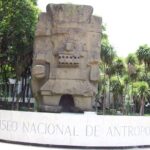


Where you start: Polanco’s Anthropology Museum meeting point
You’ll meet at Museo Nacional de Antropología, right in the Bosque de Chapultepec area (Av. P.º de la Reforma s/n, Polanco, Bosque de Chapultepec I Secc). This is a smart base because you can pair the tour with other things in Chapultepec the same day if your schedule allows.
The tour runs Tuesday through Saturday, 9:00 AM to 3:00 PM, and it usually lasts about 3 hours. A full morning or early afternoon slot matters here because you want enough energy to concentrate through multiple main halls.
One more practical point: this tour is listed as near public transportation and includes the entrance ticket. That removes two common “time traps” on museum days—figuring out transit and waiting at entry.
How the tour works inside the museum (and what you’ll actually see)
You’re essentially getting an archaeologist-led route through the museum’s main exhibition halls. The guide uses a “young archaeologist” approach—fast enough to keep momentum, but detailed enough to make the objects meaningful. Instead of saying, That looks important, you get why it’s important.
Expect a guided flow where each stop builds context. You’ll talk about cultures and regions, then connect them to what’s on display. That includes the mechanics of life in the past: how people organized society, how they expressed political power, and how beliefs shaped art and architecture.
A key promise of this tour is that it’s not just about naming cultures. You’ll also look at possible meanings. That matters because museum objects often have symbols and motifs that don’t translate cleanly from a placard. With a guide, you’re not just reading—you’re learning how to read.
Mesoamerica beyond the usual names
This is where the tour really earns its price. If your goal is to understand Mexico City’s archaeology at a human level, you need more than a quick primer on the loudest civilizations. This guide’s focus is pre-Hispanic history as a web—cultures interacting across time, with their own rhythms and innovations.
Your archaeologist will aim to show the variety of cultures in the past and explain how processes change over time. In practice, that means you should hear not just what one empire did, but how styles and ideas shift from place to place and generation to generation.
It also helps you when you visit other sites later. One of the most useful advantages of a museum guide is pattern recognition. After you see how the guide explains symbols, political themes, and architecture here, later trips—like other famous ruins—start to feel less like a random collection of stone and more like a continuation of the same themes.
The guide experience: David Huesca, aka Pakalito
In the reviews you’ll see a consistent theme: this is an expert presenter with personality. David Huesca, often called Pakalito, comes across as both professional and genuinely enthusiastic. People praise his ability to bring the museum to life without turning it into a performance.
Here’s what stands out in how he teaches. He uses visual explanations and digital tools—often described as iPad-style visuals—to clarify ideas that are hard to get from labels alone. That’s especially helpful in a museum where not everything is in English and where some object explanations can be dense.
He’s also described as patient and interactive. If you ask questions, he responds directly. If you’re traveling with kids, the guide seems to adjust to keep children engaged instead of treating them like they’re along for the ride.
One small detail that signals professionalism: when people arrive late due to traffic, the guide has been reported to continue past the scheduled time to make up missed minutes. That’s not something to plan around, but it does show the commitment to keeping the experience intact.
You can also read our reviews of more museum experiences in Mexico City



Making sense of symbolism and meaning in the galleries
Many museum tours stop at dates and names. The best ones teach you how to look. This guide leans hard into interpretation—what symbols might mean, how religious ideas show up in art, and how political beliefs can be read through design.
That approach is valuable because it changes your attention. Instead of scanning for the one most famous artifact, you start noticing patterns: repeated motifs, stylistic differences between regions, and how materials and construction methods communicate status or belief.
You’ll also get explanations that connect the big ideas to the specific objects in front of you. Reviews highlight symbolism in particular, which is exactly what you want in a museum like this. Symbols are often the reason people remember an exhibit after the trip is over.
The pacing: 3 hours in a museum that could swallow a day
Three hours sounds short until you realize how exhausting a huge museum can be. The trick is having someone plan the order and keep the group moving without feeling rushed.
This tour aims to balance coverage with understanding. Many people emphasize that the guide helps you navigate the collection so the museum doesn’t feel like an overwhelming wall of stuff. In other words, you don’t just cover highlights—you learn why those highlights were chosen.
Also, it’s not just speed. Reviews mention breaks and a pace that works for different group needs. If you have older family members or kids who need a breather, that flexibility makes a difference.
One practical tip: wear comfortable shoes. Even with a guided route, museum walking adds up. Also, bring a small day bag for water and personal items since foods and drinks aren’t included.
Is it worth $98 per person? A value check
At $98 per person for about 3 hours, you’re paying for three things: expert interpretation, private pacing, and included entrance. The ticket is part of the deal, so you’re not double-paying just to get in.
The question is whether you’d get similar value with an audio guide. You can certainly see the museum yourself, but the difference here is the mental work. A guide helps you understand the connections between cultures, rather than leaving you to piece them together from placards.
This also tends to be money well spent if you’re traveling as a couple or family and you want one shared, meaningful experience. Multiple reviews call it a highlight of the trip, with people learning a lot and enjoying the guide’s storytelling style.
If your main goal is to photograph everything and read nothing, this might feel like it’s steering you. But if you want understanding, structure, and interpretation, the price starts to make sense fast.
Who should book this tour (and who might skip it)
This tour is a great fit if you want a strong first impression of Mexico City’s museum archaeology. It’s also a good match if you’re curious about Mesoamerica as a whole, not only the most famous names.
It’s especially useful for people who:
- feel overwhelmed by huge museums
- want explanations in English with real context
- are traveling with kids and need an engaging approach
- plan to visit other sites later and want the museum to prepare you
You might skip it if you’re the type who prefers complete freedom—slow scanning, minimal talking, and no planned route. You’d still enjoy the museum, but you wouldn’t get the “why” that makes the guided experience click.
Should you book this Anthropology Museum private tour?
If you want your visit to feel like understanding, not just sightseeing, I’d book it. The strongest reasons are the archaeologist-led interpretation, the structured route through the main halls, and the guide’s ability to explain symbolism and context in a way that works for both adults and kids.
Also, it’s a nice way to start your Mexico City trip. When you return to the same themes later—at other ruins or exhibits—you’re more likely to notice patterns and understand what you’re looking at.
If you’re on the fence, choose this only if you actually care about the meaning behind the objects. If you do care, this is one of the best ways to turn the Museo Nacional de Antropología into a coherent story.
FAQ
What’s the duration of the private tour?
It runs about 3 hours.
What is included in the price?
The tour includes a professional archaeologist guide, the private tour, the entrance fee, and digital support material.
Is food and drink included?
No. Foods and drinks are not included.
What language is the tour offered in?
The tour is offered in English.
Where does the tour start and end?
It starts at Museo Nacional de Antropología (Av. P.º de la Reforma s/n, Polanco, Bosque de Chapultepec I Secc, Miguel Hidalgo, 11560 Ciudad de México, CDMX). It ends back at the meeting point.
What are the museum tour operating hours?
Tuesday through Saturday, 9:00 AM to 3:00 PM.
What’s the cancellation policy?
You can cancel for a full refund up to 24 hours in advance. If you cancel less than 24 hours before the start time, no refund is provided.
Is this tour suitable for people with mobility needs?
The experience notes travelers should have a moderate physical fitness level.
Are service animals allowed?
Yes, service animals are allowed.