REVIEW · NAPLES
Naples: National Archaeological Museum Tour & Digital Guide
Book on GetYourGuide →Operated by inStazione · Bookable on GetYourGuide
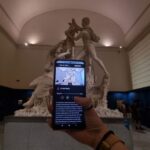
This museum turns a phone into your curator, and that makes the day feel flexible. I love the priority entrance that helps you start quickly, and I love the self-paced digital guide approach for serious looking time in a big building. The main drawback to plan around is technical: this experience runs on your smartphone, so if the app or ticket details don’t load as expected, you’ll lose time.
In one day, you’re set up to work through major highlights that span Roman finds from Pompeii and Herculaneum, plus the famous Farnese masterpieces the Bourbons inherited. You also have a chance to take in panoramic views of the valley and the ancient-temple vibe tied to Concordia, Juno, and Zeus—so you’re not only stuck inside cases all day.
If you hate smartphone-heavy experiences, this might feel like extra work. If you like studying at your own pace with clear audio in your pocket, it’s a smart way to tackle a museum that can otherwise swallow your day.
In This Review
- Key things I’d plan for before you go
- Why MANN in Naples is worth carving out a full day
- Getting your smartphone ready: the part that makes or breaks the experience
- Priority entrance: how the start of your visit should feel
- Farnese Collection: the sculpture rooms that set the tone
- Pompeii and Herculaneum treasures: frescoes, mosaics, and real daily life
- Egyptian Section and temporary exhibitions: an easy second track
- The Secret Cabinet: see the ancient world without the filter
- Panoramic temple views and that ancient-valley atmosphere
- Price and value: is $40 a smart deal?
- Who this tour fits best (and who should skip it)
- My practical “do it right” plan for a smooth day
- Should you book this MANN digital guide tour?
- FAQ
- What’s included in the tour price?
- Do I need to bring earphones?
- How do I get the digital guide and tickets?
- Will the museum Wi‑Fi work?
- Is the museum visit wheelchair accessible?
- Are pets allowed inside?
Key things I’d plan for before you go

- Priority entrance for a fast start: you’re not waiting around at the door.
- Digital guide that’s meant to run independently: audio lives on your phone after you download it.
- Farnese Collection rooms: the Bourbon inheritance of major sculpture groups is a centerpiece.
- Herculaneum and Pompeii finds: frescoes, mosaics, statues, and both precious and everyday objects.
- Egyptian Section plus temporary exhibitions: you can hit a second major collection while you’re already there.
- Secret Cabinet for the adult-side of antiquity: plan for a separate space with “obscene” finds.
Why MANN in Naples is worth carving out a full day
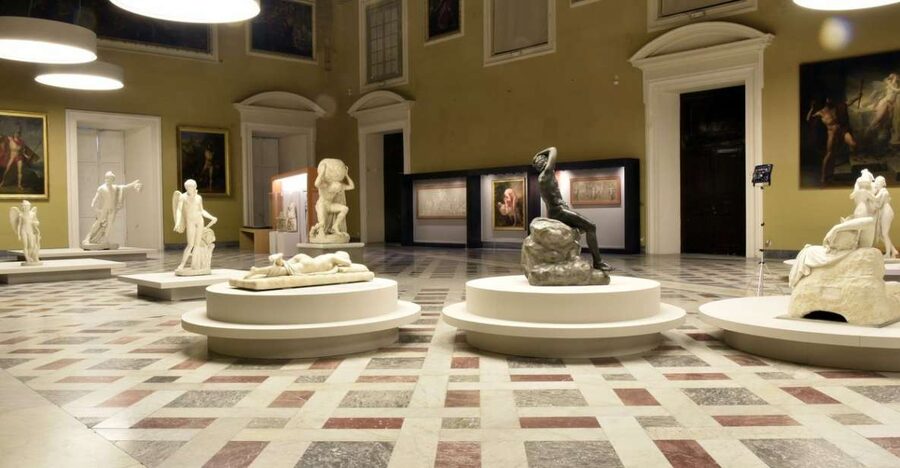
The National Archaeological Museum (MANN) in Naples is one of Italy’s heavy hitters. It’s a big museum, but it’s not random. The collections are organized so you can follow major threads—Roman life and art, the Farnese legacy, and even Egyptian material—without needing to be an expert before you arrive.
What I like about this style of tour is that it treats the museum like a place to think with your eyes. You’re not rushed through highlights by a person talking at you. Instead, you’re given a smartphone audio guide and a priority ticket, so you can decide what deserves your extra minutes.
There’s also a practical realism to the plan: you’ll be moving room to room across a very well-known building where time can disappear fast if you’re not focused. A self-paced guide is ideal if you want to pause, back up, read, and take in details—like the texture in a mosaic or the scale of a sculpture group.
You can also read our reviews of more guided tours in Naples


Getting your smartphone ready: the part that makes or breaks the experience

This tour includes a smartphone digital guide you download before your visit. A key detail: the team contacts you the day before via WhatsApp or email, then sends your tickets and the instructions to download the audio.
Here’s what you need to do to make this go smoothly:
- Download the audio guide contents before you start (the museum doesn’t have free Wi‑Fi, and mobile coverage can be unreliable).
- Bring a charged smartphone so you don’t end up hunting for signal or battery while you’re inside.
- Expect that you’ll want earphones, but earphones are not included. If you don’t have your own, bring them.
One important heads-up comes from a real booking issue that can happen with phone-based products: in that case, the PDF opened to reservation information only (not the actual ticket), and the app email didn’t include the login code, so the audio guide couldn’t be used. They eventually gained entry after extra back-and-forth with museum staff. The lesson for you is simple: double-check your ticket and your app access the day before, not ten minutes before you enter.
If everything is correct, the payoff is great. You’ll hear explanations that help you see what you might otherwise overlook—especially in dense rooms packed with sculptures and artifacts.
Priority entrance: how the start of your visit should feel
The experience includes your museum ticket entrance (and the description also frames it as priority entry). In plain terms, that means you’re less likely to lose your morning to lines.
When you have priority access, the best strategy is to go in with a plan:
- Don’t try to see everything in one rush.
- Pick your “must-see” sections first, then flex the rest.
- Give yourself time for the big showpieces—these collections don’t work well if you skim.
If you arrive late—after 6 p.m.—the reservation is processed the following morning after 8 a.m. So if you’re traveling with tight connections, aim to get there earlier in the day to avoid waiting for the next processing window.
Farnese Collection: the sculpture rooms that set the tone
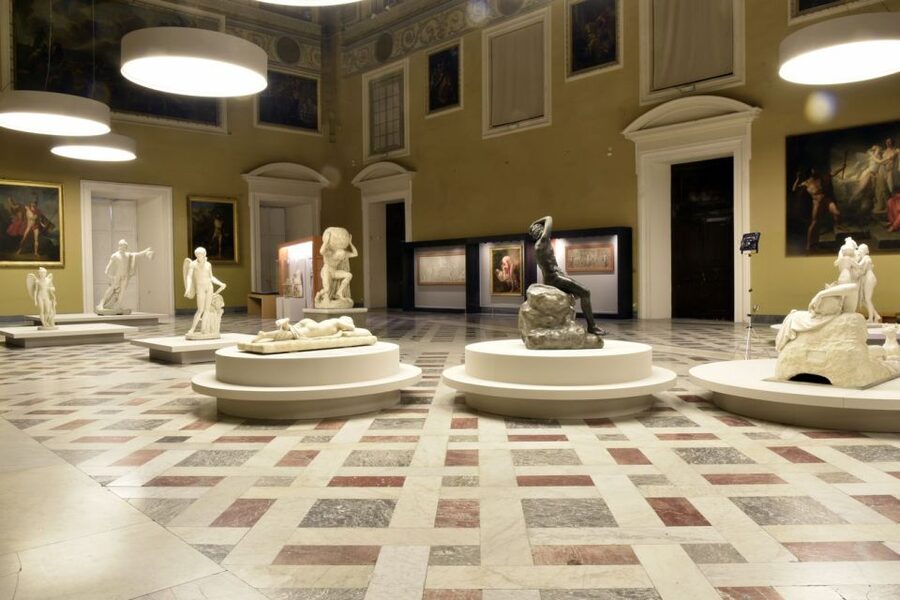
One of the major reasons people come to MANN is the Farnese Collection material. The museum houses masterpieces the Bourbons inherited from the Farnese group—so you’re not just looking at Roman art, you’re seeing how later rulers collected and preserved it.
When you walk into these rooms, pay attention to how sculpture groups are meant to be read. From a distance they look like “great statues,” but up close you start noticing:
- the way bodies relate to each other in a group composition,
- how surfaces show age and restoration work,
- and how the museum display helps you connect figures to stories.
This is one of the experiences where I think the audio guide earns its keep. A self-paced audio track can point your attention to the right details without you needing to hunt for labels every minute.
It’s also a good early target in your day. If you leave the Farnese rooms for last, you risk arriving at the end of your energy with too little time to really look.
Pompeii and Herculaneum treasures: frescoes, mosaics, and real daily life
The museum’s Roman-material highlights include celebrated finds from Herculaneum and Pompeii. The audio guide is built to help you experience these as more than famous objects behind glass.
What you can expect in these sections includes:
- frescoes,
- mosaics,
- statues,
- plus both precious and everyday objects.
I love this mix because it changes how you think about the ancient world. Statues alone can feel distant. But when you’re also shown mosaics and objects that reflect ordinary life, the gap shrinks. You start noticing how people decorated rooms, what kinds of materials mattered, and how art and function overlapped.
A practical tip: don’t get stuck in front of one item for too long. With Roman collections, you often get a stronger effect by moving along a “cluster” of related artifacts, then circling back if one item genuinely pulls you in.
You can also read our reviews of more museum experiences in Naples

Egyptian Section and temporary exhibitions: an easy second track
After the Roman highlights, the museum includes a splendid Egyptian Section plus temporary exhibitions that can be scheduled throughout the year.
This is a smart section to hit mid-visit. You’ll get a change of material and style, which can keep your brain from burning out on one era only. If you’re the type who likes to compare how different civilizations represented power, everyday life, and belief, you’ll likely enjoy letting these collections sit side by side in your memory.
Because temporary exhibitions can change, you’ll want to follow the audio guide’s cues. The guide approach works well here: it can steer you toward what’s especially worth your attention during your dates.
The Secret Cabinet: see the ancient world without the filter
Inside MANN, there’s a Secret Cabinet that welcomes the “obscene” finds—evidence of ancient customs around eroticism.
This isn’t a casual add-on. It’s a specific, separate part of the museum experience, and it will affect the tone of your visit. If you’re comfortable with that subject, it can be genuinely fascinating, because it gives context to how open (and sometimes surprisingly practical) ancient art could be.
If you’re not comfortable with it, you still should plan around it. At minimum, know it exists so the visit doesn’t feel like a surprise you didn’t want.
Either way, the digital guide is useful because it helps you make sense of what you’re seeing instead of just reacting to the label.
Panoramic temple views and that ancient-valley atmosphere
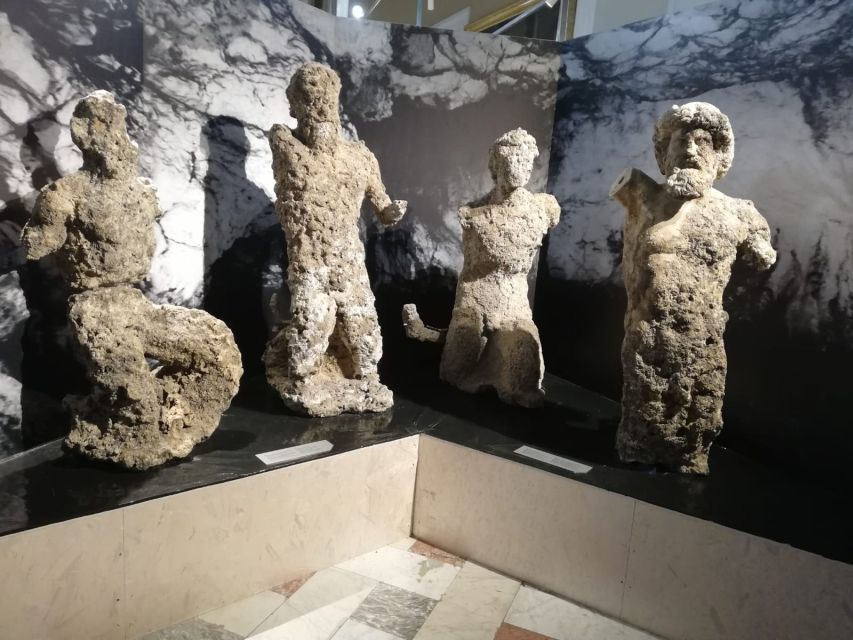
Your highlights include taking in panoramic views of the valley and ancient temples—specifically tied to the Temples of Concordia, Juno, and Zeus.
The practical takeaway for you: build in a moment to look up, not only at artifacts. These kinds of views help your brain connect “museum objects” with “places where things were built.” Even if your time indoors is the main event, these panoramas give the day a sense of geography.
If you’re the kind of traveler who remembers places by silhouette and sightlines, this part can land well. If you’re mostly focused on artifacts only, treat it as a short refresh and don’t let it steal your schedule from the core galleries.
Price and value: is $40 a smart deal?
At about $40 per person for a one-day museum visit, the value depends on what you want out of the experience.
Here’s what you’re paying for:
- Ticket entrance to a major museum,
- a smartphone digital guide you download ahead of time,
- and the overall setup that lets you explore at your own pace.
I think this price works best if you:
- enjoy self-guided museum time (not a timed march),
- want audio context without hiring a live guide,
- and can follow the app instructions reliably.
If you expect a person to lead you room to room, this likely won’t match your expectations—this is about autonomy. Also, since earphones aren’t included, factor in the cost or inconvenience of having your own.
Where the value can wobble: if your phone setup fails (missing login code, ticket details not matching what you can access at entry), you may end up spending energy fixing the problem instead of sightseeing. That doesn’t make the experience “bad,” but it does mean you should arrive prepared and double-check your download the day before.
Who this tour fits best (and who should skip it)
This experience is a good fit if you like:
- museums with major collections (Farnese, Pompeii/Herculaneum finds, Egyptian materials),
- reading and looking at your own speed,
- audio guidance that keeps you oriented without crowd pressure.
You might also love it if you’re traveling solo or with a small group that won’t benefit from one guide’s pacing.
You may want to choose another format if:
- you rely on working Wi‑Fi inside buildings (this museum doesn’t offer free Wi‑Fi),
- you don’t want to manage smartphone downloads,
- or you’re traveling with a low-battery phone and no charger plan.
My practical “do it right” plan for a smooth day
If I were helping you schedule your time, I’d do it like this:
1) Start with your priority galleries first
Hit Farnese and the major Roman finds early, when your energy is highest.
2) Use the audio as a pathfinder, not a substitute for looking
Let it guide what to notice, but keep your eyes on objects too.
3) Build in breaks between big rooms
Even short resets help you retain what you saw—especially when you’re jumping across eras.
4) Don’t skip the Secret Cabinet if you’re comfortable
If you want the full picture of ancient customs, give it time so you’re not rushing.
5) Keep a buffer for app issues
Not because you expect them, but because it’s smart. Confirm access the night before.
Should you book this MANN digital guide tour?
I’d book it if you want a classic Naples museum day with self-paced freedom, and you’re willing to do the small prep work that makes the audio guide work inside. For a major site like MANN, the mix of priority entry and a phone-based guide is a practical value, especially at $40.
I’d hesitate if you know your smartphone setup tends to be fragile, or if you can’t download before you go. The experience is designed to work without museum Wi‑Fi, and a few tech-related hiccups can turn your day frustrating if you don’t have access to the login code or the right ticket info.
If you like big collections and you’re comfortable navigating a museum with your own pace, this is a solid way to see MANN without feeling rushed. Just treat your phone setup like part of the itinerary, because it is.
FAQ
What’s included in the tour price?
Your ticket entrance is included, along with a smartphone digital guide that you download directly onto your mobile phone.
Do I need to bring earphones?
Earphones are not included. If you want to hear the audio clearly, bring your own earphones.
How do I get the digital guide and tickets?
The day before your visit, the team contacts you via WhatsApp or email and sends your tickets and instructions for downloading the audio guide to your phone.
Will the museum Wi‑Fi work?
No. The ruins and museums don’t have free Wi‑Fi, and mobile network coverage is not always good. Download the guide contents before you start.
Is the museum visit wheelchair accessible?
Yes, the experience is listed as wheelchair accessible.
Are pets allowed inside?
Pets are not allowed.