REVIEW · NAPLES
Naples: LAPIS Museum Guided Visit in Italian
Book on GetYourGuide →Operated by Campania Overland · Bookable on GetYourGuide
Naples’ underground water works are weirdly beautiful. In the LAPIS Museum tour, I like how you’re led through the old aqueduct and cistern world under the Basilica of Pietrasanta, using smart lighting to make the space readable. You also get a quick ride down by an archaeological elevator, so the whole thing feels more physical than a typical museum walk.
What I especially enjoy is the view concept: you see Naples from below, inside the basilica’s basement spaces. And I also like that you’re not just staring at stone—you’re shown a working story of hydraulic engineering, first described through the Museo dell’Acqua di Napoli and then carried into the underground path called the Submerged Decumanus.
One thing to consider: this isn’t built for everyone. The experience is not suitable for mobility impairments or wheelchair users, and it’s 75 minutes spent moving through an underground route.
In This Review
- Key highlights at a glance
- Why the LAPIS Museum tour feels like a time shift in Naples
- Starting point inside the Basilica: Museo dell’Acqua di Napoli
- The Submerged Decumanus underground walk (and why it’s not just pretty)
- The Greco-Roman cisterns: seeing water infrastructure, not generic ruins
- The 35-meter archaeological lift: the part that makes it feel real
- Naples views from below: what that highlight really means
- Value, timing, and group size: is it worth $15?
- Who should book (and who might skip it)
- Quick practical tips before you go
- Should you book the Naples LAPIS Museum guided visit?
- FAQ
- How long is the LAPIS Museum guided visit?
- Is the tour guided in English?
- What’s the group size?
- How far down does the elevator go?
- Is this experience suitable for wheelchair users?
- Can I cancel for a refund?
Key highlights at a glance
- Basilica of Pietrasanta underground route with the Submerged Decumanus path
- Museo dell’Acqua di Napoli focus on water systems, not generic “ruins”
- Ancient elevator ride down to 35 meters (about 20 seconds)
- Greco-Roman cisterns paired with technical lighting that reveals vaults and volumes
- Small group size limited to 10 participants, keeping it feel personal
Why the LAPIS Museum tour feels like a time shift in Naples
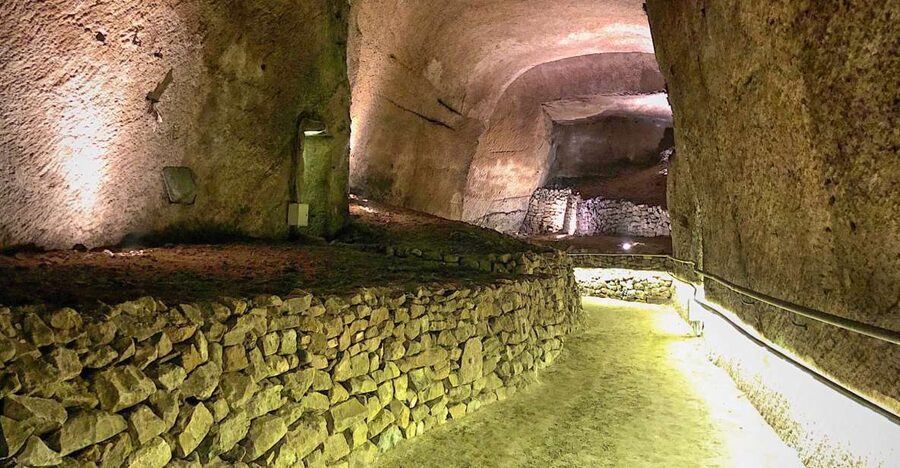
This is not a slow “look at artifacts” tour. It’s more like a guided walkthrough of how Naples managed water—then gets you into the exact places where that system still shows its structure. The Lapis Museum sits inside the Basilica of Pietrasanta, and the underground path is the main character of the visit.
I like the pacing too. A 75-minute visit is long enough to follow the story, but short enough that you’re not stuck underground for ages. Since the group is capped at 10, you’re less likely to feel swallowed by crowds, which matters when everyone’s trying to take in the same rooms.
Your main mindset shift: don’t expect a typical “museum room.” You’re moving through spaces that were built to hold water and runoffs, and the lighting is there to help you read the geometry of the vaults and walls.
You can also read our reviews of more guided tours in Naples



Starting point inside the Basilica: Museo dell’Acqua di Napoli
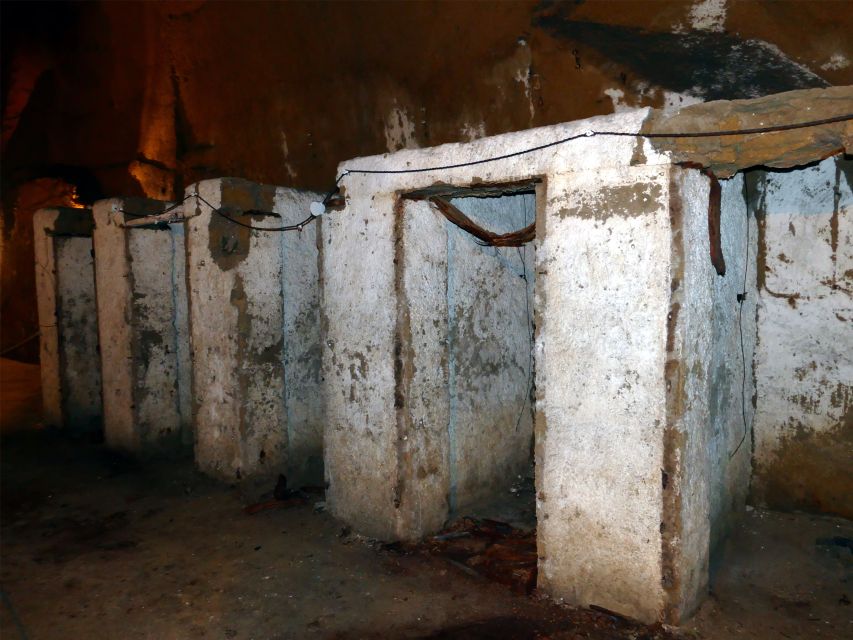
The tour’s flow starts in the Water Museum hub inside the basilica. This is where the underground route makes sense. Instead of wandering, you get oriented around the way the complex functions: the cisterns and related water spaces are brought back into operation and explained through what you can see below.
What’s useful for you here is that you’re given context before you go deeper. The complex was built in the mid-seventeenth century by architect Cosimo Fanzago, on top of older remains tied to an ancient temple of the goddess Diana. That layered construction helps you understand why the spaces feel both historical and engineered—someone built it to last, and then later generations adapted it.
In practical terms, this section matters because it frames what you’ll see next. If you show up without context, you might miss how the underground route connects. With context, you’ll notice patterns: where water would have collected, how the system ties together, and why the route is designed the way it is.
The Submerged Decumanus underground walk (and why it’s not just pretty)
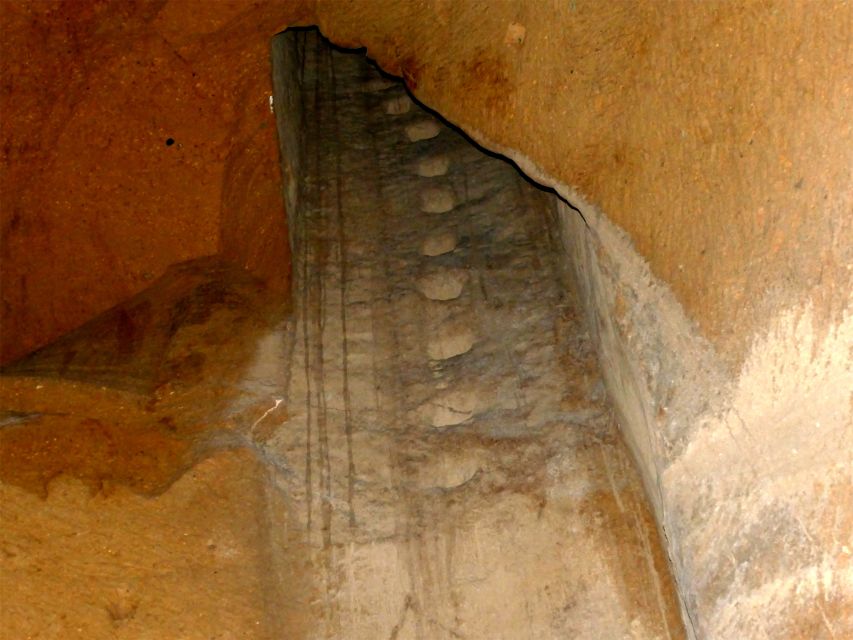
Once you’re set, the tour takes you along the Submerged Decumanus—an underground path inside the basilica. This is one of the key reasons the experience earns a strong 4.7 rating: people clearly feel the visit changes how they see Naples.
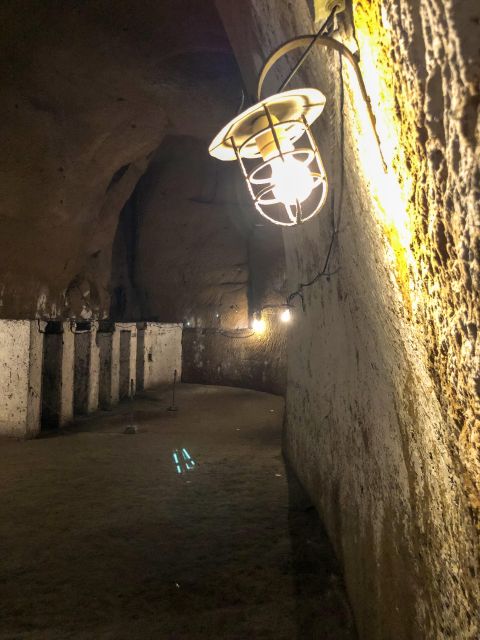
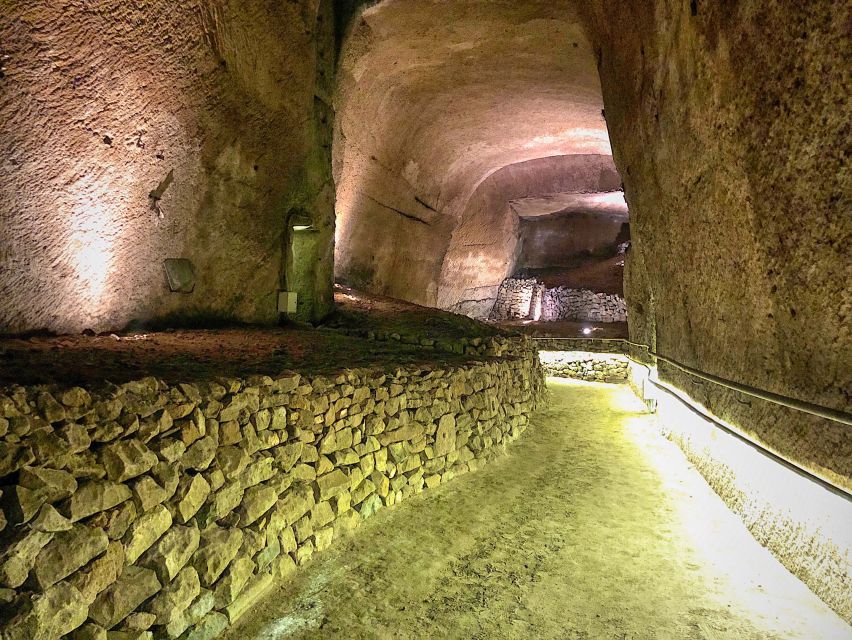
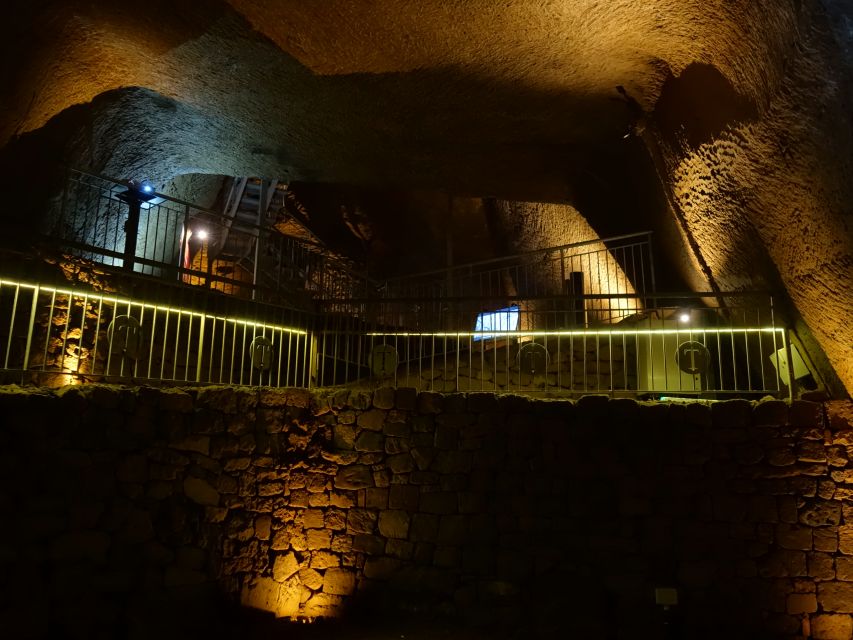
Here’s what’s special: the cisterns are functioning spaces again, with runoffs finding their way into the system, and the tour experience is enhanced by a technical lighting system. The lighting isn’t just decoration. It emphasizes volumes and vaults, so you can actually understand the scale and shape of the rooms.
If you like architecture, this is where you’ll start spotting details quickly. Rounded vaults, the way ceilings curve, and how the lighting moves your attention from one surface to another—those are the cues that help you “read” what you’re standing in.
Potential drawback: because it’s an underground circuit with lighting, your phone photos might come out darker than you expect, depending on camera settings. I’d treat photos as secondary and focus on watching how the guide explains what the lights are meant to show.
The Greco-Roman cisterns: seeing water infrastructure, not generic ruins
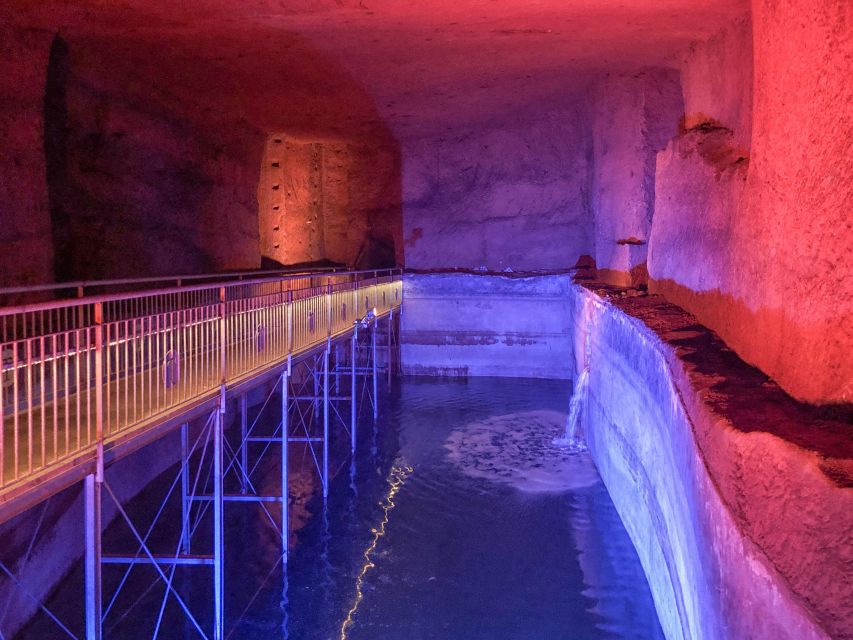
A big part of the experience is the Greco-Roman cisterns, which form the backbone of the underground story. You’re guided through areas that were built for water storage and control, and now they’re being reactivated as part of the museum concept.
This matters because it turns “old stone” into something functional in your mind. You start imagining water flow and storage—where water would have gone, how the system might have handled runoffs, and why the rooms need to be shaped the way they are.
It also helps that the tour is anchored in the museum’s water theme rather than mixing topics. The focus stays consistent: underground water works, how they were built, and how they’re presented today. That’s a big part of why this visit works well in a short time window like 75 minutes.
The 35-meter archaeological lift: the part that makes it feel real
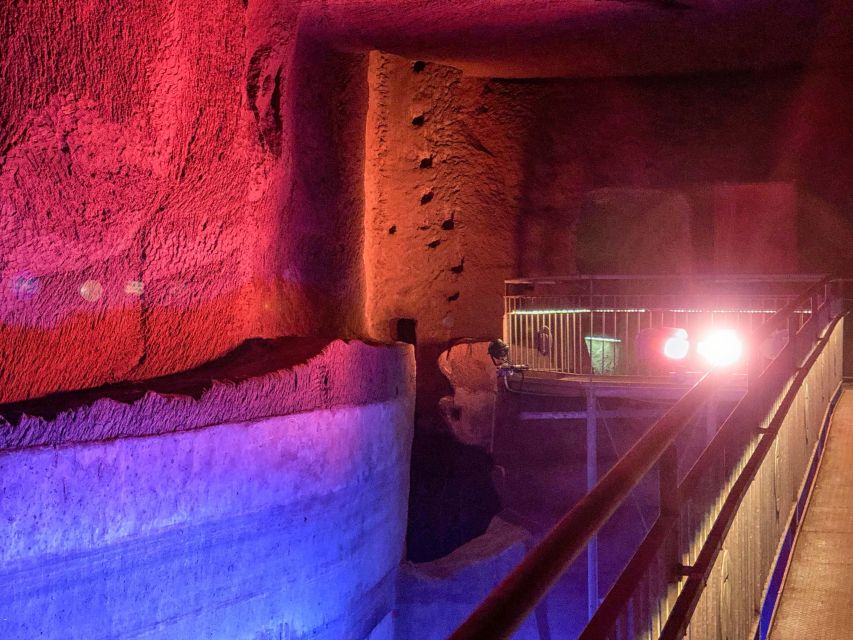
One of the most memorable moments is the ancient elevator ride down to 35 meters. According to the tour details, it’s designed to connect the crypt environment with the subsoil and does it in about 20 seconds. That’s quick, but the effect is the point: you get the sensation of dropping from the normal world into the older one.
I like this segment because it’s not just symbolic. It’s a physical movement that matches the tour theme—water systems, buried spaces, and engineering that ran below street level. When you see the depth stated clearly, it also changes how you interpret the rooms. You’re not just “in a basement.” You’re far below the surface.
Small practical note: you’ll want to follow the guide’s lead on where to stand and how to move, since this is a structured museum route. Keep your pace steady and watch for any group timing cues.
You can also read our reviews of more museum experiences in Naples






Naples views from below: what that highlight really means
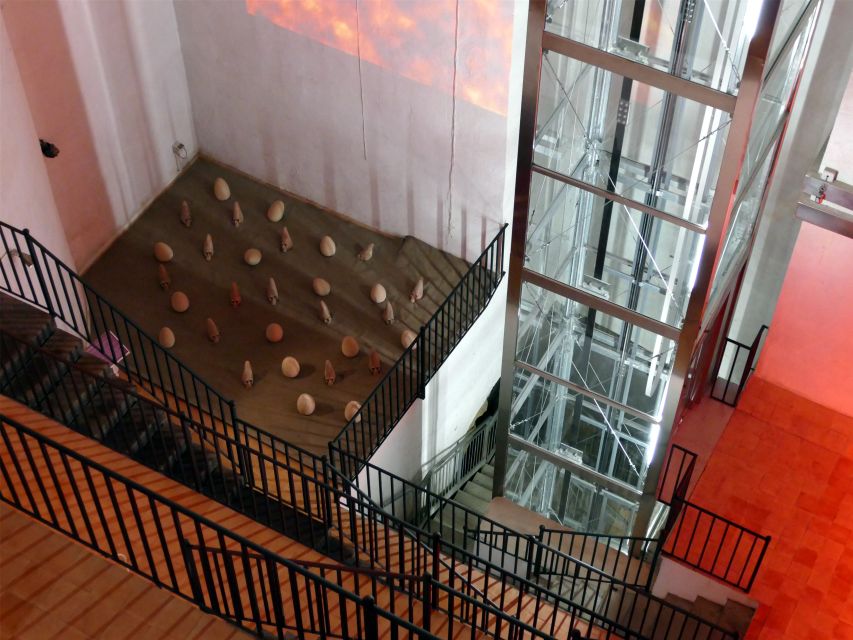
The tour highlights include admiring Naples in the basement of the Basilica of Pietrasanta. That wording can sound abstract, but here’s how to think about it while you’re there: your perspective is shifted. You’re seeing the city’s underground story from inside a monumental space that’s part church, part museum, and part engineering site.
It’s a good change of pace if you’ve been walking Naples above ground all day. Instead of only street-level chaos and busy viewpoints, you get a controlled, guided “side view” of the city’s geography and construction.
Also, the lighting does some of the work for you. The guide’s explanations plus colored illumination can make the space feel more legible, so the underground doesn’t just become dark and damp-looking. You’ll likely notice the guide pointing out volumes and vault lines as the light shifts attention.
Value, timing, and group size: is it worth $15?
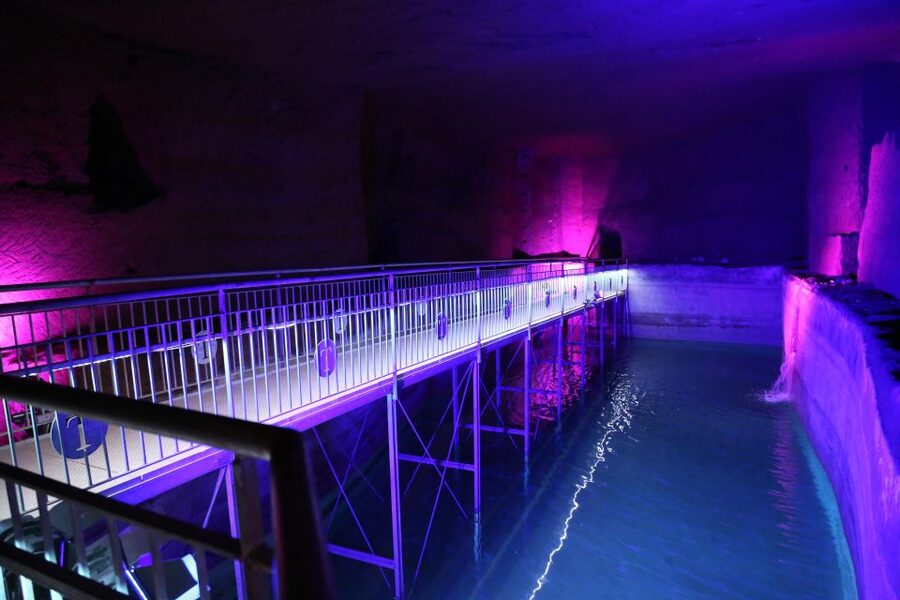
At $15 per person for 75 minutes, I’d call this a strong value—especially if you’re the type who likes real built-environment stories. You’re not just paying for entry; you’re paying for a guided structure that explains what you’re seeing: the museum concept, the Submerged Decumanus route, and the purpose of the hydraulic project.
A few value factors you should weigh:
- Duration is efficient. 75 minutes fits easily into a Naples day without swallowing your schedule.
- Group size stays small. With a max of 10 participants, it’s easier to follow explanations and hear details.
- It’s not accessible to everyone (more on that below), so for people who can do it comfortably, the experience is more “worth it per minute.”
If you only have time for one museum in the historic center, this one wins when you’re interested in engineering, architecture, or the idea of Naples as a city built on layers.
Who should book (and who might skip it)
This tour is a good match if you:
- like architecture and underground infrastructure
- want something different from typical street wandering
- prefer guided storytelling in Italian (the tour is Italian-speaking)
It may be a poor match if you:
- need wheelchair access or have mobility limitations (the experience is not suitable for wheelchair users or people with mobility impairments)
- don’t like enclosed underground spaces or moving along a structured route for 75 minutes
Also, if you’re a late-planner, note that booking must happen no later than 24 hours before your desired visit.
Quick practical tips before you go
- Dress for an underground setting. Even when it’s not described as freezing, basements can feel cooler than the street.
- Expect a guided pace. This is a walkthrough with cues, not a free-form wander.
- Bring your patience for lighting and timing. The rooms are designed to be experienced in order, and the lighting helps the guide’s explanations land.
And if you care about entry timing: the tour includes guidance about contacting the mobile number for issues related to meeting point info, delays, or entrance time changes for the day of your visit.
Should you book the Naples LAPIS Museum guided visit?
I’d book it if you want a Naples experience that goes under the city and explains what you’re seeing in a focused way. The combination of the Museo dell’Acqua di Napoli, the Submerged Decumanus route, the Greco-Roman cisterns, and the 35-meter elevator makes this more than a “quick ticket.”
Skip it if mobility access is an issue for you, or if you strongly dislike underground spaces. Otherwise, this is one of those Naples activities that rewards curiosity. You’ll come away thinking differently about how the city works—especially water—because you saw the places where that story is built.
FAQ
How long is the LAPIS Museum guided visit?
The tour lasts 75 minutes.
Is the tour guided in English?
No. The tour guide speaks Italian.
What’s the group size?
It’s a small group, limited to 10 participants.
How far down does the elevator go?
The archaeological elevator descends to 35 meters (to connect the crypt environment with the subsoil in about 20 seconds).
Is this experience suitable for wheelchair users?
No. It’s not suitable for wheelchair users or people with mobility impairments.
Can I cancel for a refund?
Yes. You can cancel up to 24 hours in advance for a full refund.