REVIEW · BARCELONA
Barcelona: Picasso Walking Tour with Picasso Museum Tickets
Book on GetYourGuide →Operated by TourzUP · Bookable on GetYourGuide
Picasso’s art is easier to enjoy with a plan. This Barcelona experience ties a quick walk in Picasso’s old stomping grounds to skip-the-line entry at the Museu Picasso, so you spend less time sorting logistics and more time looking closely. I like that the format is small-group (up to 8) and that, even when the tour is guided, you still get time to explore at your own pace.
Two things I really like: first, you get an outside guide (if you choose that option) for a short briefing that helps you make sense of what you’re about to see. Second, once you’re inside, you’re not stuck on a rigid route—you have around 90 minutes to follow your own curiosity through early works, Blue and Rose periods, and Cubism.
One possible drawback: the museum time is self-guided after the ticket handoff. If you’re hoping for a full guided walkthrough inside the museum galleries, this package is not that kind of tour—so you’ll want to read signs carefully or consider an audio guide if you like extra context.
In This Review
- Key things to know before you go
- A 2-hour Picasso hit: how the experience flows
- The outside guide briefing: getting bearings fast
- Inside the Museu Picasso: what to look for in each section
- Early works and changing style
- Blue Period: sadness you can actually read
- Rose Period: a brighter shift with circus characters
- Revolutionary Cubism: turning form into puzzles
- More than painting: sculptures, ceramics, and Picasso’s workshop
- Sculptures and ceramics: texture and materials matter
- Picasso’s workshop: a rare look at process
- Skip the ticket line, then go at your pace: value for $37
- The small, practical stuff that affects your day
- Who should book this Picasso package (and who should skip it)
- Potential snags: what to double-check before you rely on this
- Should you book this Barcelona Picasso walking tour?
- FAQ
- Where is the meeting point?
- How long is this experience?
- Is there a guided tour inside the museum?
- What is included in the price?
- What language options are available for the guide?
- Is this tour suitable for wheelchair users?
Key things to know before you go
- Skip-the-line entry so you can start seeing works sooner
- Small group up to 8 for a calmer, more personal start
- Optional outside guide: guided briefing lasts about 30 minutes
- Self-paced museum time: you explore the galleries on your own after tickets
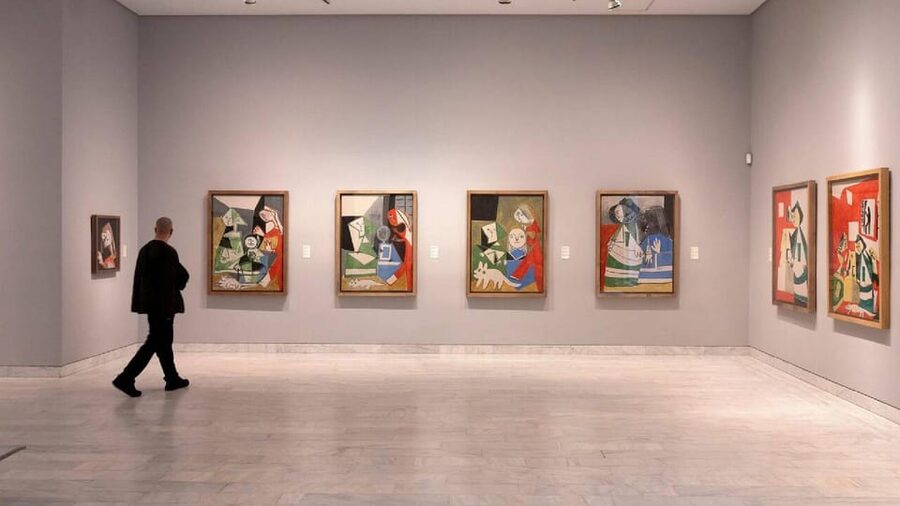
- Blue, Rose, Cubism, plus ceramics and sculptures for a full sweep of Picasso’s range
- Museum shop stop for Picasso-themed gifts before you head out
A 2-hour Picasso hit: how the experience flows
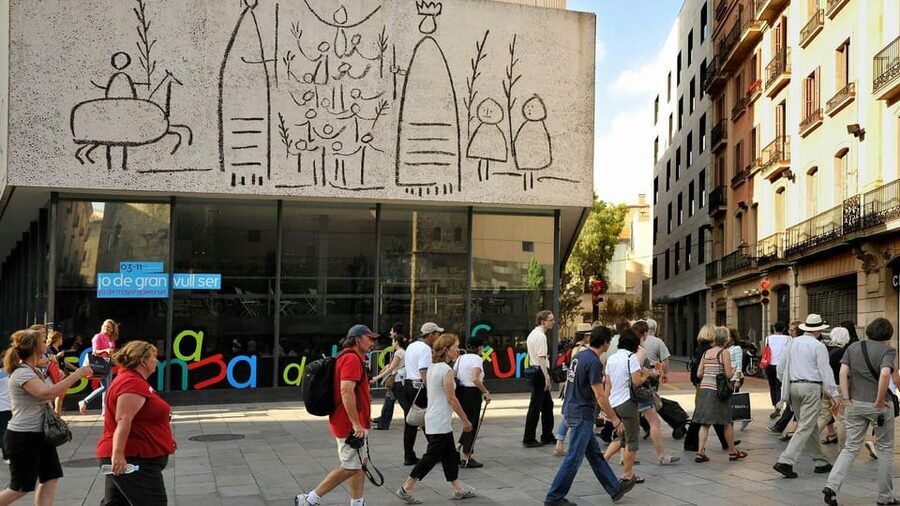
This is designed to fit into a short window: about 2 hours total. The meet-up is at the Picasso Museum in Barcelona, then, depending on the option you pick, you either get a brief guided introduction outside or you go straight to your own visit with tickets.
Here’s the rhythm that matters: you start with a 30-minute briefing (only if you choose the guided option). After that, you go inside using your tickets and spend roughly 90 minutes self-guided. That mix is the whole concept—help you get oriented, then let you roam.
The small group size (limited to 8 participants) is another real-world plus. Big tours can turn art into a sprint. Here, you get enough breathing room to stop, look, and actually notice shifts in Picasso’s style.
A few more Barcelona tours and experiences worth a look


The outside guide briefing: getting bearings fast
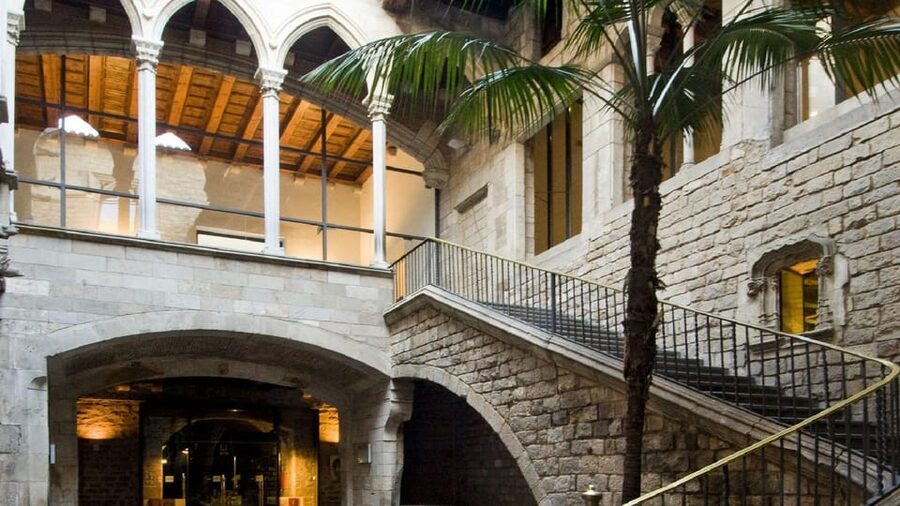
If you select the guided option, a guide meets you with your tickets and gives a short introduction before you enter. Expect a quick walk and commentary about the area’s historical importance—basically, setting the stage so the museum doesn’t feel like a stand-alone box of paintings.
That 30-minute start is most useful for two types of visitors. If you love history, you’ll appreciate the context of how Picasso’s Barcelona shaped his world. If you’re just starting with Picasso, you’ll benefit from having someone point out what to look for while you’re surrounded by so many styles.
The format is also intentionally not overbearing. The guide provides the briefing and handles ticket access, but you’re not tied to them inside. That can be a relief if you’ve ever been on a museum tour where you spend more time listening than seeing.
Inside the Museu Picasso: what to look for in each section
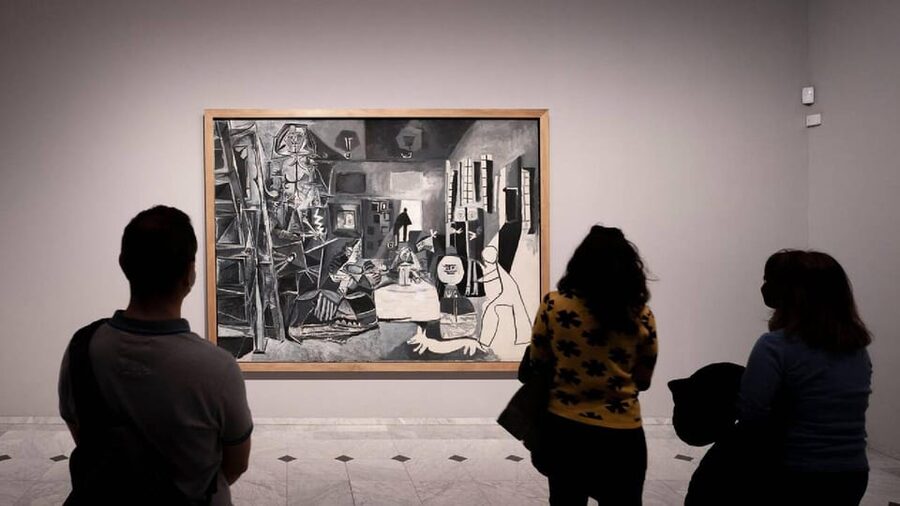
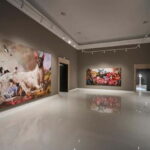
Once you’re in, the museum experience becomes your choice. You don’t have to follow a strict route, but you do get the advantage of knowing what themes you’ll encounter. Here’s how I’d focus your looking time so you get more than a quick glance.
Early works and changing style
You’ll start with Picasso’s younger years—paintings, sketches, and drawings that show his style moving over time. This is where you can spot habits forming: how he simplified shapes, how he experimented, and how his drafts weren’t just practice but part of his creative thinking.
If the works feel hard to decode on first pass, that’s normal. The information provided suggests that you may need an audio guide to understand objects better. Even if you don’t use one, do this: spend a little extra time on sketches. You’ll often learn more about an artist’s process from pencil lines than from polished final images.
Blue Period: sadness you can actually read
The museum’s Blue Period collection is known for its “sad beauty.” You’ll see artworks tied to themes of poverty, hurt, and isolation. To appreciate it, don’t just look at the color—look at the mood Picasso builds with posture and faces.
A practical tip: give yourself permission to slow down here. Blue Period works reward patience because the emotional tone is carried by small details. If you rush, it turns into “pretty blue paintings.” If you slow down, it becomes storytelling.
You can also read our reviews of more walking tours in Barcelona


Rose Period: a brighter shift with circus characters
Then comes the Rose Period gallery, where you’ll see a change: brighter colors and themes of love and happiness. One standout area mentioned is how circus artists and harlequins influenced this stage.
This is a good section to compare with Blue Period. Ask yourself what changed besides the palette. Are figures lighter? Are expressions warmer? Is the mood less heavy? Even without art-history training, you can track evolution by asking simple visual questions.
Revolutionary Cubism: turning form into puzzles
The Cubism exhibition is where Picasso treats reality like something you can reorganize. Expect geometric shapes, multiple viewpoints, and broken-up forms. If you’re new to Cubism, it can feel chaotic at first. That’s the trap: you’re looking for a recognizable subject the way you would in a landscape painting.
Instead, try reading Cubism like a construction. Look for angles that suggest different views at once. Notice how planes overlap and how edges create the illusion of motion or complexity. The payoff is big: you’ll start to see that the artwork isn’t confused—it’s structured differently.
More than painting: sculptures, ceramics, and Picasso’s workshop
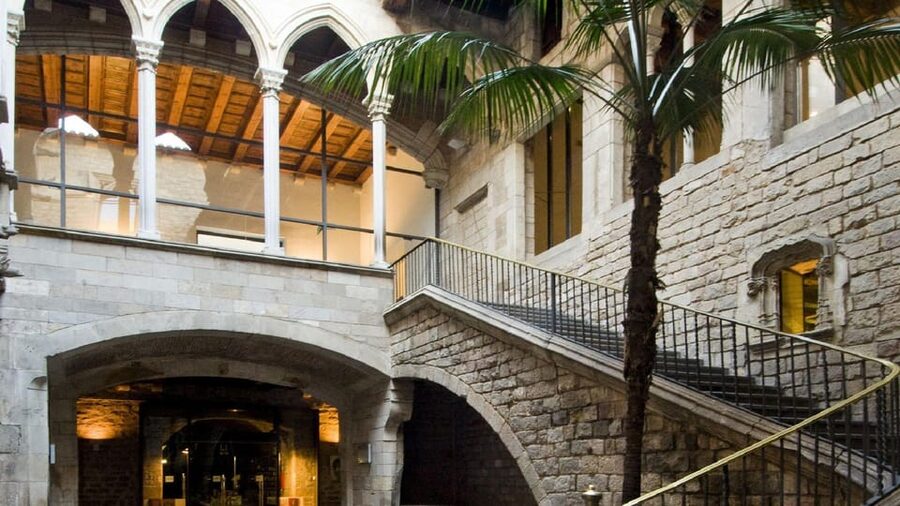
One reason this visit is stronger than a basic “see the famous paintings” stop is the variety. After the major painting-focused galleries, you get time with sculptures and ceramics, which bring a three-dimensional side of Picasso’s imagination.
Sculptures and ceramics: texture and materials matter
You’ll see works that use materials creatively, where you can literally see how Picasso turned ideas into forms you could walk around (or at least view from multiple angles). If you tend to think of Picasso as a painter first, this portion helps correct that.
The best way to enjoy sculptures and ceramics is to look for contrast: how surface textures change, how forms hold together, and how shapes create meaning beyond color. Even if you don’t understand everything, you’ll feel the thinking.
Picasso’s workshop: a rare look at process
The museum also includes Picasso’s workshop, presented as a glimpse into the studio space where he produced well-known works. This is valuable because it’s not just about the finished pieces—it’s about the idea of making.
I like workshop-style exhibits because they help you connect dots between sketches, experiments, and final art. If you want a “why this matters” moment, this is the section that can deliver it.
Skip the ticket line, then go at your pace: value for $37
The price here—about $37 per person—is largely about what you’re actually buying: entry tickets plus an optional outside guide. You’re not paying for a long inside-guided tour. You’re paying for smoother access and a smart orientation before self-guided exploring.
So how do you judge value? Ask what would cost you more in your own planning:
- If you had to buy tickets and still fumble for timing, the skip-the-line benefit can be worth real money in time and stress saved.
- If you’re someone who likes context but hates being herded, the outside briefing can be the best “middle ground.”
The self-guided part is the trade-off. Since the guide does not go inside with you, your experience depends on how you like to explore. If you read labels and you don’t mind going slowly, you’ll likely enjoy the freedom. If you prefer constant explanation, you may wish you’d chosen a different kind of tour elsewhere—because this one doesn’t cover the museum galleries with a guide.
Finally, don’t skip the museum shop. It’s listed as part of the experience flow, and it’s an easy way to turn inspiration into a gift. The shop is themed around famous Picasso works, so it tends to be practical if you’re picking up something small for friends at home.
The small, practical stuff that affects your day
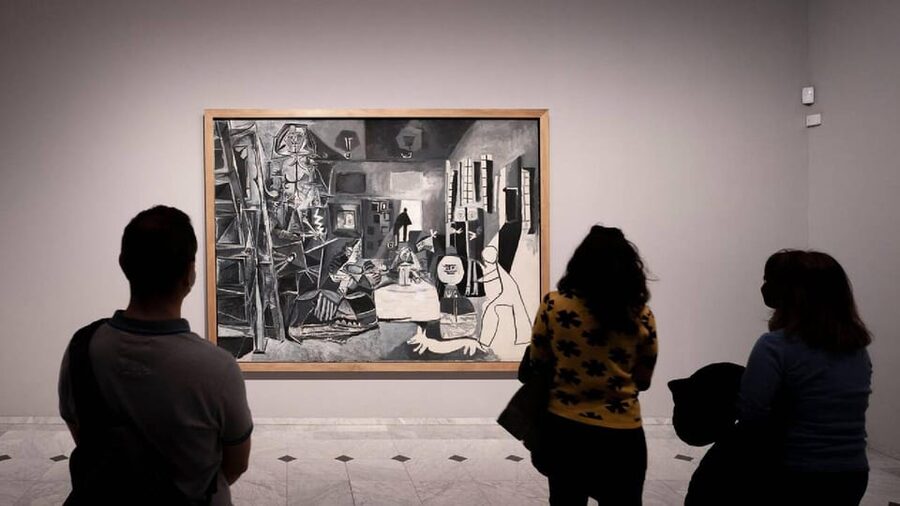
This tour is built around a few rules that shape your comfort level.
Wear comfortable shoes. You’ll be walking outside for the briefing portion and moving through galleries inside. Also plan for comfortable clothes, because museums are long and your energy matters.
Some things are not allowed: pets, food and drinks, and luggage or large bags. If you’re arriving with a big backpack, think through how you’ll manage it before you meet up. A tight bag situation can ruin the start of a museum day.
Language support is English and Spanish, so you’ll be covered for the briefing and orientation.
Group size and pacing are part of the experience too. With limited to 8 participants, you’ll have fewer crowds pushing you away from artworks. That can make a noticeable difference at a museum dedicated to one of the most visited modern artists in the world.
Who should book this Picasso package (and who should skip it)
This is best for:
- History buffs and art lovers who want Picasso’s story told through the museum’s major phases
- People who like orientation first, then freedom
- Visitors who appreciate early works, Blue and Rose periods, plus the jump into Cubism and sculpture
It may be a poor fit if you:
- Want a full, inside-the-gallery guided lecture. The guide briefing happens outside, and then you explore on your own.
- Need step-free or wheelchair-friendly routes. The experience is not suitable for wheelchair users and not suitable for people with mobility impairments based on the provided info.
If you’re the type who enjoys reading wall text but also wants a little help, this is a decent match. If you want maximum handholding, consider an option that includes a guided walk through galleries.
Potential snags: what to double-check before you rely on this
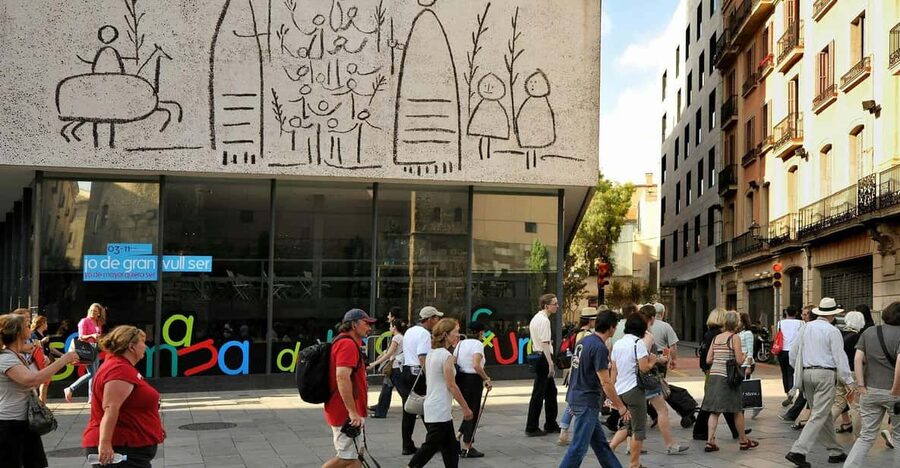
There are two practical concerns worth taking seriously.
First: museum closures happen. One booking experience described getting a message the day before about closure on the booked date. Before you commit your day, confirm the museum is open for the dates and times you plan to attend, especially if your trip is tightly scheduled.
Second: make sure you understand what kind of guidance you’re buying. Another booking experience described arriving and only getting museum tickets, with no tour or guide experience provided as expected. The lesson here is simple: if you care about the outside guide briefing, double-check that you selected the guided option, not tickets only.
If you choose the tickets-only route, that’s fine—but then you’re fully self-led. You’ll want to plan how you’ll approach the galleries so you don’t end up speed-walking through major Picasso periods without absorbing them.
Should you book this Barcelona Picasso walking tour?
If your goal is to see the Museu Picasso in a time-efficient way, while still getting a short orientation outside, I’d say this booking style makes sense. The value is strongest when you want skip-the-line entry and you’re comfortable exploring once inside.
I’d book it if you:
- Like small groups and dislike long, rigid museum routes
- Want a guided start but not a guided finish
- Are excited by the range: early works, Blue and Rose periods, Cubism, ceramics, sculpture, and the workshop
I’d skip or reconsider if you:
- Need a fully guided museum walkthrough
- Have mobility constraints that make museum visits difficult
- Can’t afford schedule surprises, since the museum’s opening status can affect plans
If you do book, your best move is to arrive wearing good walking shoes and treat the first 30 minutes as your “map.” Then inside, slow down for Blue and Rose, and approach Cubism like a visual puzzle—you’ll get more out of it.
FAQ
Where is the meeting point?
Meet at the Picasso Museum in Barcelona.
How long is this experience?
The duration is 2 hours.
Is there a guided tour inside the museum?
A guided tour inside the museum is not included. If you choose the guided option, the guide accompanies you only until you receive your tickets, and you explore inside on your own.
What is included in the price?
Entry tickets are included, and an outside guide is included if you select the guided option.
What language options are available for the guide?
The guide is available in English and Spanish.
Is this tour suitable for wheelchair users?
No. It is not suitable for wheelchair users and people with mobility impairments based on the provided information.