REVIEW · MADRID
Madrid: Reina Sofía Museum Ticket with In-App Audio Guide
Book on GetYourGuide →Operated by Naturanda Turismo Ambiental · Bookable on GetYourGuide
If you like your art visits self-guided, this one’s built for you. The Reina Sofía ticket gets you into one of Madrid’s key 20th-century Spanish art spaces fast, then lets you choose the pace with an in-app audio guide.
What I like most is how it centers on the big names you came for, especially Picasso’s emotional weight—Guernica—while still giving you room to wander. I also like that it’s a skip-the-line setup, so you can spend less time in queues and more time looking. One thing to keep in mind: the audio guide depends on an internet connection, and some visitors run into download/connectivity problems.
The museum sits in a landmark building in the Atocha area: a neoclassical former General Hospital that became the Reina Sofía in 1992. And it’s not just one building—there are also two other Reina Sofía venues in Parque de El Retiro (Palacio de Cristal and Palacio de Velázquez) that can turn a good museum day into a really satisfying Madrid stroll.
In This Review
- Key highlights to know before you go
- Reina Sofía in Atocha: why this museum earns your time
- Skip-the-line entry and the in-app audio guide that you control
- Picasso’s Guernica: the emotional center you’ll remember
- Dalí, Miró, and the 20th-century Spanish art story
- When parts of the museum aren’t available: renovations and artwork mismatches
- Adding Parque de El Retiro: Palacio de Cristal and Palacio de Velázquez
- Price and value for about $35: when it’s a great deal
- The real logistics: tickets, email link timing, and meeting-point clarity
- Who should book this Reina Sofía ticket
- Should you book this Reina Sofía ticket?
- FAQ
- What is included with the Reina Sofía ticket?
- How long is the experience valid for?
- Where is the museum located?
- Do I need an internet connection for the audio guide?
- Which languages are available for the audio guide?
- Are headphones included?
- Is the in-app audio guide the museum’s official one?
- Does the ticket include access to other Reina Sofía venues in Parque de El Retiro?
- How and when do I receive my tickets?
Key highlights to know before you go
- Skip-the-line entry: separate entrance helps you start sooner
- In-app audio, multiple languages: Spanish, English, French, Italian
- Self-paced layout: no group schedule to follow
- Must-see centerpieces: Picasso’s Guernica, Dalí’s Rostro del gran masturbador, works by Joan Miró
- Plan for tech reality: internet is required for the audio content
- Optional Retiro add-ons: Palacio de Cristal and Palacio de Velázquez for temporary exhibitions
Reina Sofía in Atocha: why this museum earns your time
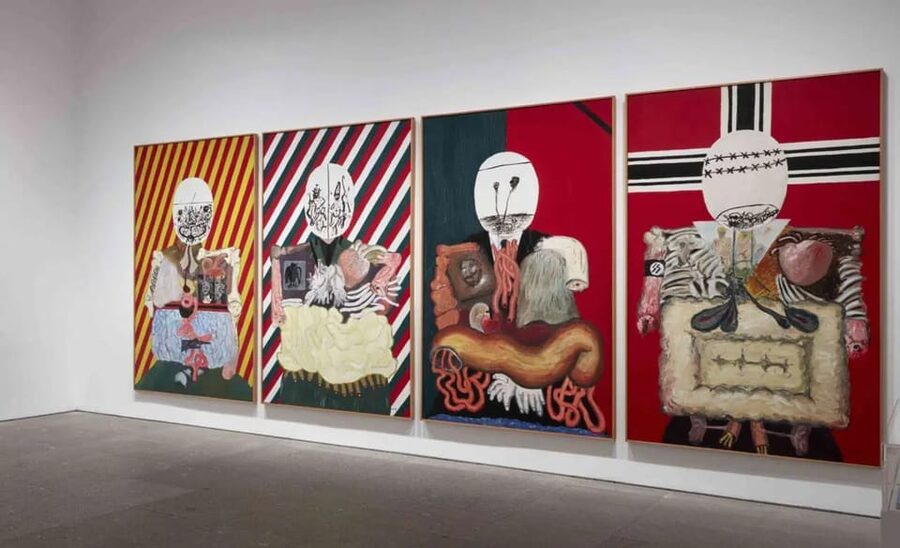
The Museo Nacional Centro de Arte Reina Sofía is anchored in Madrid’s Atocha neighborhood, and it lives inside an 18th-century neoclassical structure that originally served as the General Hospital. The museum opened in 1992, and it has a clear mission: show Spain’s modern and contemporary creativity, with special attention to 20th-century work.
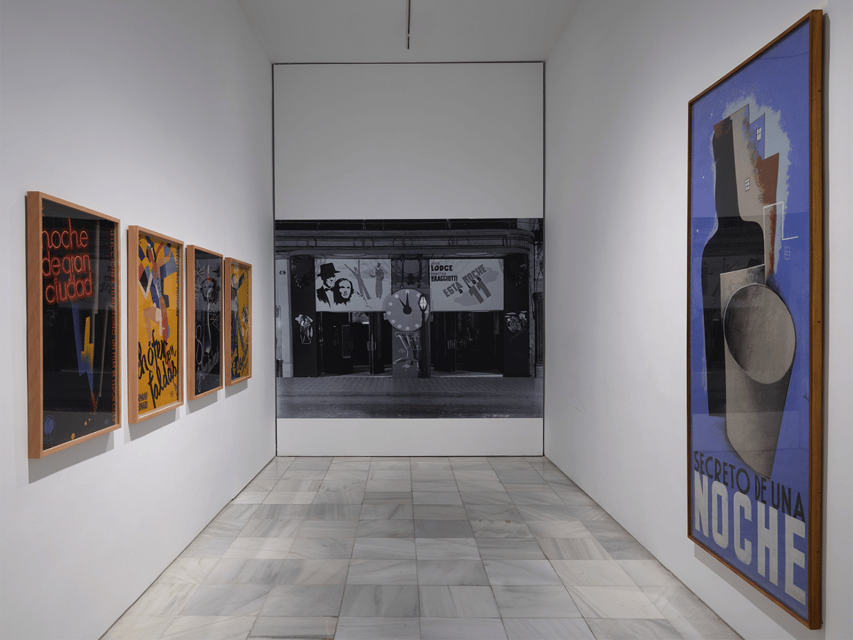
This matters because the Reina Sofía isn’t trying to imitate a “greatest hits” art gallery from every era. It has a focused lane: Spanish art in the 1900s, where movements, politics, and personal expression collide. When you walk in, you’re essentially stepping into a timeline—painting, sculpture, and ideas—rather than a random assortment of masterpieces.
And yes, you’re there for the headline works. But what makes the visit worthwhile is that the museum is built for looking long enough to notice how artists think. One moment you’ll feel pulled in by a single image; the next, you’ll see how other works echo the same questions from different angles.
A few more Madrid tours and experiences worth a look
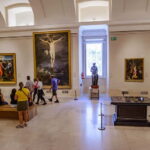


Skip-the-line entry and the in-app audio guide that you control
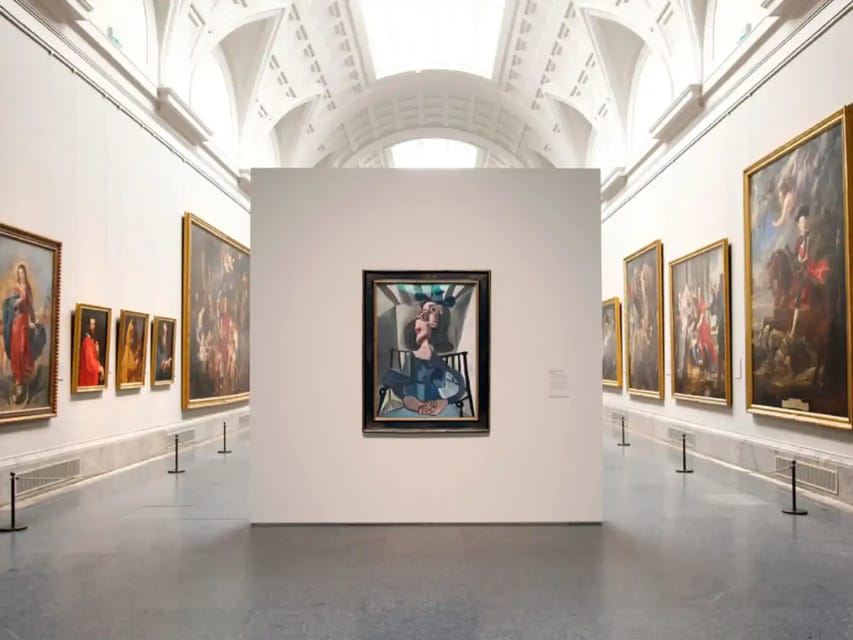
Your ticket includes entry to the Reina Sofía, plus an in-app digital audio guide available in Spanish, English, French, and Italian. The big practical win is the skip-the-line benefit: you enter via a separate entrance, which can save serious time during busy periods.
The guide is designed for a self-paced visit. That’s a blessing if you hate being marched around. You can linger in front of Guernica as long as you need, then speed up when you’ve got the gist and want to keep moving.
Two important details shape how well this experience goes:
- Internet connection is required to access the audio content.
- Headphones are not included. Bring your own wired headphones or a Bluetooth option you know works with your phone.
Also, the audio guide included here is not the museum’s official audio guide. It’s an extra resource meant to enhance your visit. I like that you get something built in. Still, if you’re the type who depends heavily on structured museum audio, you should be ready for the possibility you may want the official one later.
Picasso’s Guernica: the emotional center you’ll remember
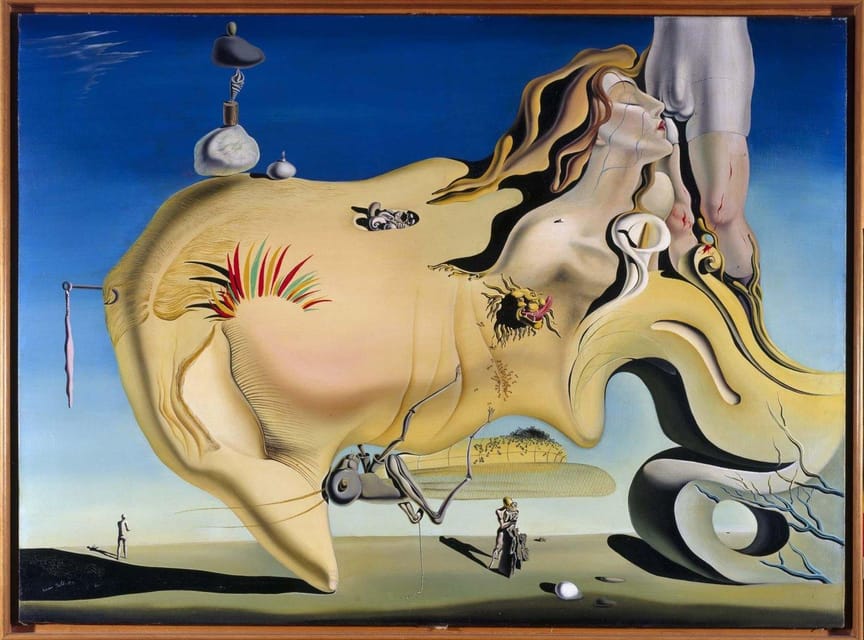
If you’re visiting Reina Sofía for one work, make it Picasso’s Guernica. Even without getting technical, the reason people line up for this piece is simple: it hits emotionally, and it’s hard to forget once you’ve stared at it long enough.
What I like about having this as a must-see focal point is that it gives your whole museum day a spine. You can use Guernica as your mental starting point, then keep asking yourself what other artists at the museum are responding to—war, memory, identity, and the raw human side of modern life.
Practical tip: don’t treat Guernica like a quick stop. The ticket is set up for you to go at your pace, so plan to actually watch your own reaction change as you look.
Dalí, Miró, and the 20th-century Spanish art story
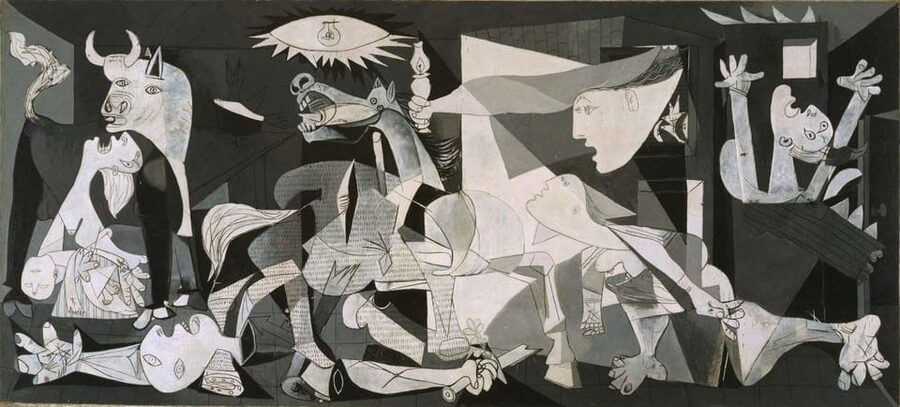
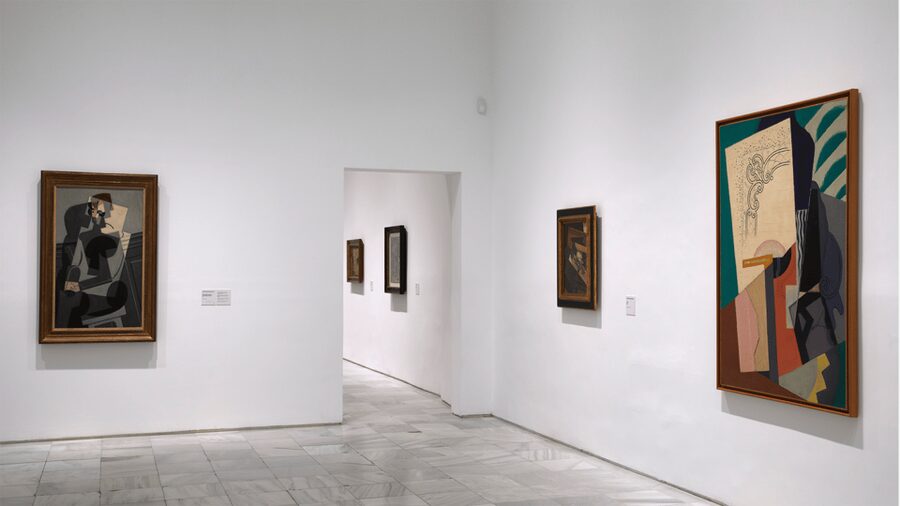
The museum’s permanent collection is built around 20th-century Spanish art, and the ticket description highlights major names, including Salvador Dalí and Joan Miró. Dalí’s Rostro del gran masturbador is the kind of artwork that can feel strange, funny, unsettling, or all three at once—often because it’s trying to provoke more than it’s trying to decorate.
Joan Miró is another anchor. His work tends to feel like it’s balancing dream logic with a sharp sense of composition. In the Reina Sofía context, Miró also helps you see that Spanish modern art isn’t one single style. It’s multiple languages, used at the same time in the same country.
One note to keep your expectations realistic: the in-app audio content may describe artworks that don’t happen to be available at the moment of your visit. That can happen with temporary changes, renovations, or galleries being closed. So keep your eyes open for what’s actually on the walls and in the rooms you reach, then use the audio as a helper, not the only map.
When parts of the museum aren’t available: renovations and artwork mismatches
A couple of real-world issues can change the feel of your visit, and it’s better to know them up front than to be surprised mid-day.
Some visitors have run into situations where renovations affected access—like an étage (floor) not available to visit. Others reported that the app’s descriptions didn’t line up with what they could see on-site, including cases where an artwork mentioned in the app wasn’t present in the museum at the time.
Here’s how you keep the day smooth even if that happens:
- Be flexible in your route. If a section is closed, don’t spend time rerouting with frustration—just continue where you can.
- Treat the audio guide as a companion, not an absolute checklist.
- If something doesn’t match, shift your goal from collecting facts to having a strong visual experience.
This museum is still worth your time even if the plan you imagined needs a reset.
You can also read our reviews of more guided tours in Madrid




Adding Parque de El Retiro: Palacio de Cristal and Palacio de Velázquez
One of the best ways to make a Reina Sofía day feel “Madrid” rather than just “museum” is to use the included extra venues at Parque de El Retiro.
The Reina Sofía has two additional locations in the park:
- Palacio de Cristal (with distinctive glass architecture)
- Palacio de Velázquez (a historic pavilion)
Both can host temporary exhibitions and artistic installations, and pairing the main museum with these park venues makes practical sense. You get a change of pace: modern art ideas continue, but the setting is lighter and more open, and you can take a break between rooms without leaving the Reina Sofía umbrella.
If you only have energy for one extra venue, pick the one that sounds most appealing to you (glass and reflections for Palacio de Cristal, or the classic pavilion vibe for Palacio de Velázquez). The point is to use the park context to breathe, then return to looking with fresher eyes.
Price and value for about $35: when it’s a great deal
At around $35 per person, this ticket can be good value—especially because you get three things that matter in a museum visit:
- Entry to the Reina Sofía
- Skip-the-line access via a separate entrance
- An in-app audio guide in multiple languages
But value depends on how you personally like to visit museums.
This package is often a strong choice if you:
- Prefer self-guided exploring over group tours
- Want a guided layer without committing to a full official audio system
- Can reliably connect your phone to the internet when you need the audio content
It becomes less of a value win if you:
- Depend on offline audio or you know you’ll have trouble getting a connection
- Prefer a very structured museum audio track and don’t want to switch afterward
One recurring theme is that some visitors ended up buying the museum’s official audio guide when the included in-app guide was late to download or didn’t work smoothly. If you want a “no friction” visit, it may be worth planning for that possibility.
The real logistics: tickets, email link timing, and meeting-point clarity
This experience is designed around email delivery. You receive your entry tickets the day before your visit, and you should check your email for the materials you need.
If you’re the type who likes to run on autopilot, don’t do that here. Meeting-point clarity can make or break the start of your day, and there have been cases where the meeting-point details weren’t clear enough, leading to confusion and lost time.
My advice is simple:
- Check your email the day before and again the morning of.
- Screenshot or save your ticket details.
- Give yourself extra time before you need to be inside the museum.
Since the whole point is to skip the line, you don’t want the day’s first bottleneck to be figuring out where to go.
Who should book this Reina Sofía ticket
I’d steer you toward this ticket if you fit one (or more) of these profiles:
- You want independent pacing and don’t want to follow a group schedule.
- You’re excited about Spanish modern art and want a visit focused on the 20th century.
- You’re comfortable using your phone for an in-app audio guide and you can manage internet access on-site.
- You’d rather spend your energy on the artwork than on logistics.
I’d hesitate if:
- You strongly dislike relying on internet for your audio.
- You’re traveling with low battery anxiety and don’t want to handle connectivity or app access.
- You’d be upset if some app descriptions don’t match what’s available during renovations or closed areas.
Should you book this Reina Sofía ticket?
Book it if you want a museum day with skip-the-line speed and enough structure to guide your looking, without locking you into a group tour. It’s a solid way to see the essentials of Spanish 20th-century art, with Guernica as the emotional anchor and optional Retiro venues to round out your day.
Don’t book it expecting perfection from a phone-based audio app. Bring headphones, have a plan for internet access, and treat the in-app guide as a helpful extra. If you do that, you’ll likely get a visit that feels personal, flexible, and very Madrid.
FAQ
What is included with the Reina Sofía ticket?
The ticket includes entry to the Museo Nacional Centro de Arte Reina Sofía, a digital in-app audio guide in multiple languages, and skip-the-line access via a separate entrance.
How long is the experience valid for?
The ticket is valid for 1 day.
Where is the museum located?
The museum is in the Atocha area of Madrid, in the Community of Madrid, Spain.
Do I need an internet connection for the audio guide?
Yes. An internet connection is required to access the audio content.
Which languages are available for the audio guide?
The audio guide is available in Spanish, English, French, and Italian.
Are headphones included?
No. Headphones are not included.
Is the in-app audio guide the museum’s official one?
No. The in-app audio guide is not the museum’s official guide; it’s an extra resource intended to enhance your visit.
Does the ticket include access to other Reina Sofía venues in Parque de El Retiro?
The Reina Sofía has two additional venues in Parque de El Retiro (Palacio de Cristal and Palacio de Velázquez) that host temporary exhibitions and installations. Your experience information references these venues as part of the overall Reina Sofía locations.
How and when do I receive my tickets?
You receive your entry tickets the day before the tour. You should check your email for the tickets.