
REVIEW · DUBAI
Dubai: Museum of the Future Admission Ticket
Book on GetYourGuide →Operated by Museum of the Future · Bookable on GetYourGuide
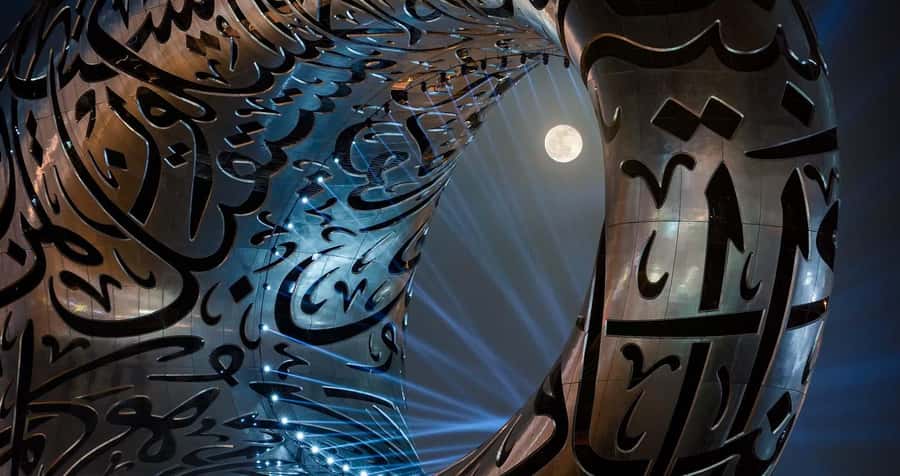
Dubai’s sci‑fi ring is pure drama. The Museum of the Future takes you 50 years ahead with themed rooms built to make you think about AI, climate, health, and how cities run. I especially like the building itself—the huge ring design, Arabic script that doubles as windows, and the night lighting that looks straight out of a film.
Two more things I’m firmly in favor of: the chance to see future tech ideas up close with staff who can make each stop feel clear and fun (guides like Baba and Ibrahim get named for that energy), and the option to use skip-the-line access so you spend less time waiting and more time looking. The main drawback to plan for is value: at this price the museum is often busy, and if you go at peak times without faster entry, it can feel like you’re paying premium money to fight a crowd.
In This Review
- Key Things to Know Before You Go
- A 50-Year Walk Into Tomorrow (Inside Dubai’s Sci‑Fi Ring)
- Ticket Price and Time: When $46 Feels Worth It
- Planning Your Arrival Without Getting Stuck in Logistics
- Inside the Museum: How the Visit Flows
- The Big Themes: AI, Robotics, and Human Augmentation
- Space Travel, Climate Change, and Wellness/Spirituality Rooms
- Education, Smart Cities, Energy, and Transportation Futures
- Kids, Teens, and the Bottom-Floor Play Zone
- The Open-Air Viewing Platform and the Building Outside
- What to Expect From Staff and Guides
- Getting the Most Out of Your 1.5 Hours
- Should You Book This Museum of the Future Ticket?
- FAQ
- How long is the Museum of the Future visit?
- How much does admission cost?
- Is skip-the-line entry included?
- What should I bring for children?
- Is the museum wheelchair accessible?
- Are selfie sticks allowed?
- Can I get there by public transport?
Key Things to Know Before You Go
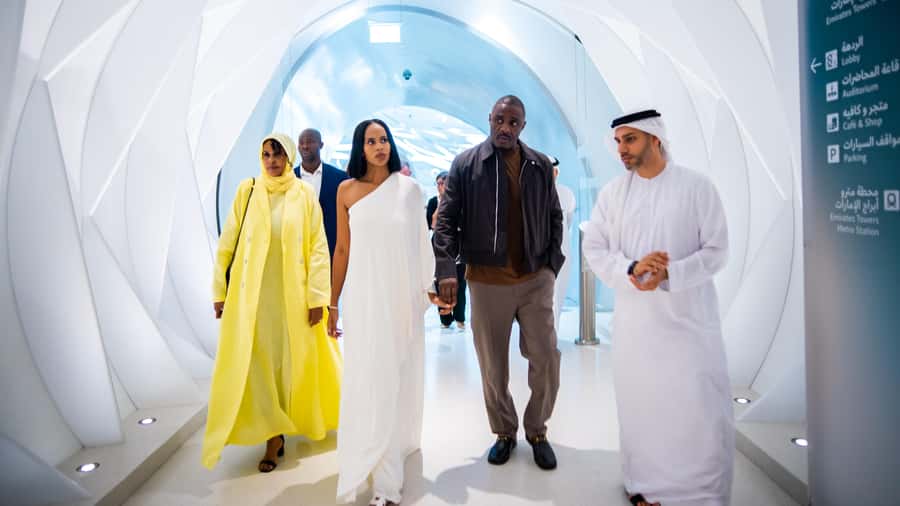
- 50-year time jump: The whole museum is themed around what comes next, not history class.
- Built for hands-on thinking: You’ll move through future-focused environments instead of watching only static displays.
- Skip-the-line can be the smart play: If you’re on a tight schedule, faster entry reduces stress.
- The building is part of the show: The ring shape and exterior lighting are worth factoring in.
- Top viewing platform: The open-air views add a big payoff to your ticket.
- Rules matter for families: No selfie sticks, and minors must be accompanied by an adult with a ticket.
A 50-Year Walk Into Tomorrow (Inside Dubai’s Sci‑Fi Ring)

The Museum of the Future is an unusual kind of stop in Dubai. Instead of asking you to admire the past, it asks what happens next—how technology could reshape space travel, climate, medicine, education, and even daily life.
The iconic building helps sell the idea before you even enter. That ring shape, covered in Arabic script that functions like windows, looks futuristic in daylight and almost unreal at night when it’s lit up on the skyline. If you’re the type who enjoys architecture as much as exhibits, you’ll get real value from the visit even beyond the displays.
A few more Dubai tours and experiences worth a look



Ticket Price and Time: When $46 Feels Worth It
The listed price is about $46 per person, and the visit is designed for around 1.5 hours. That timing matters because the museum is packed with concept-driven zones. If you give yourself too little time, you’ll sprint through and miss the parts that connect the themes.
Here’s the value math I’d use for you:
- If you’re traveling on a fixed schedule, skip-the-line can turn the ticket into “pay for peace of mind.”
- If you’re flexible and going at a calmer time window, general entry may feel fine, but you’ll want to expect lines inside at elevator points.
- If your option includes a retail voucher (depending on the ticket tier), it can soften the cost a bit. Some people report credits in the gift shop area, but don’t count on a specific amount unless it’s clearly stated with your chosen option.
Also note: this experience is non-refundable, so don’t book it for a day you might realistically miss.
Planning Your Arrival Without Getting Stuck in Logistics
This museum doesn’t provide transportation, so you’ll need to get there on your own by metro, taxi, or car. That’s pretty normal for Dubai, but it affects how you plan your timing. I’d treat your entry time like an appointment, not a suggestion.
The meeting point can vary by option booked. Some people find that the right place is at the counter inside the museum rather than a precise street address, so when you book, check your confirmation carefully and aim to arrive a little early. That extra buffer helps you avoid that awkward moment of standing outside wondering where the line starts.
Inside the Museum: How the Visit Flows
Think of the experience as a sequence of future-themed environments. You don’t just read signs and move on—you’re guided through spaces designed to make the concepts feel tangible.
A lot of the museum’s “wow” comes from how it starts. People describe it as feeling like you’re being launched toward a space station, which sets the tone right away. After that opening move, you spend your time working through different topic areas rather than following a single traditional timeline.
Most rooms have staff who help you make sense of what you’re seeing. Guides are part of the experience, and some visitors specifically mention the way guides made the rooms more exciting and understandable.
The Big Themes: AI, Robotics, and Human Augmentation

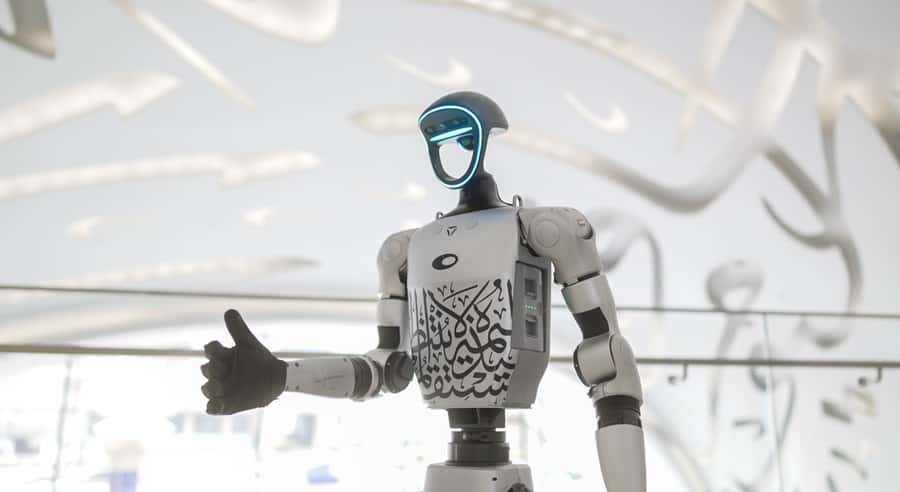
If your interest is future tech, you’re going to like the museum’s focus areas. The ticket includes time to explore themes like robotics and artificial intelligence, plus ideas around human augmentation—the concept that people might use technology to expand abilities beyond today’s limits.
What I like about framing these topics this way is simple: it’s not just about gadgets. The museum repeatedly connects tech to choices, ethics, and real-world outcomes. That’s why people leave feeling inspired rather than just entertained.
You should also expect lots of interactive or hands-on moments. The museum is built for exploration, and that suits a wide range of ages. Even if you’re not a “science museum” person, the pacing makes it easier to stay engaged.
You can also read our reviews of more museum experiences in Dubai






Space Travel, Climate Change, and Wellness/Spirituality Rooms
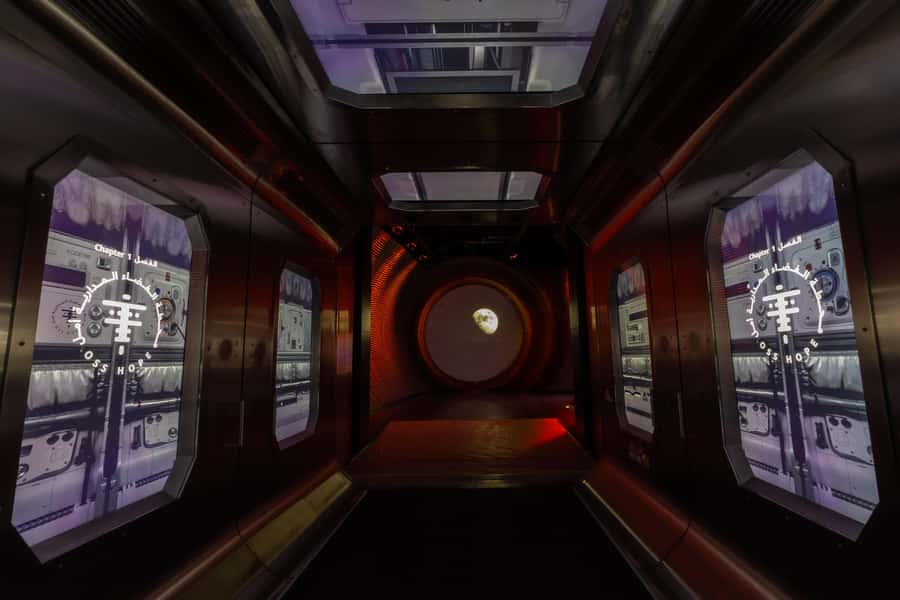
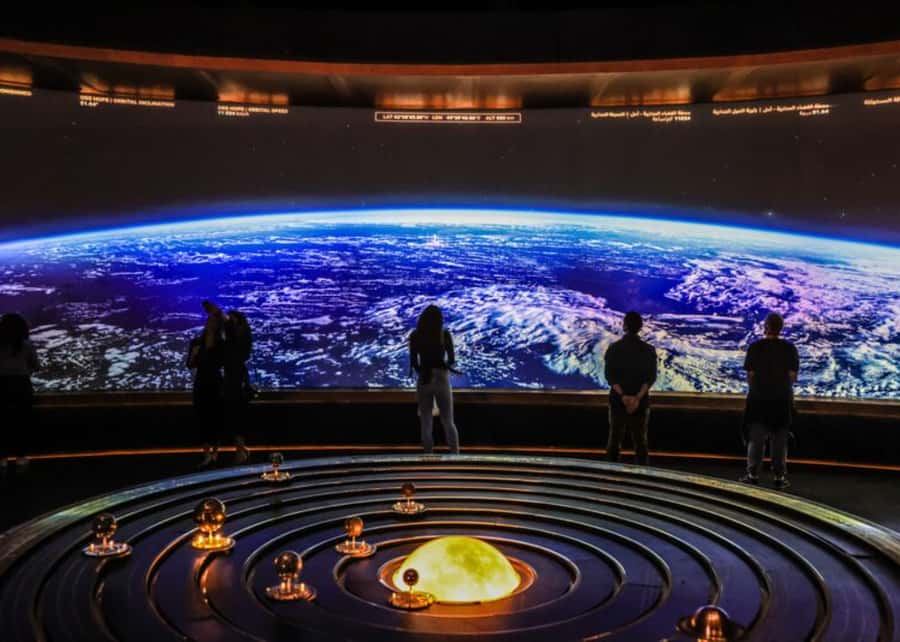
The museum doesn’t stick to one branch of science. You’ll see concepts tied to space travel, climate change, and health and wellness—and it also includes a spirituality-focused angle.
That combination is unusual, and it’s part of what makes the visit feel more like a set of “future conversations” than a museum with one clear subject. The tone is optimistic and forward-looking, which can be a relief if you’ve been spending your Dubai days on more typical sightseeing tracks.
One practical tip: don’t treat each room like a checklist. Spend a little extra time on the parts that trigger questions for you. The museum is designed to spark thinking, so if you rush, you lose the best payoff.
Education, Smart Cities, Energy, and Transportation Futures
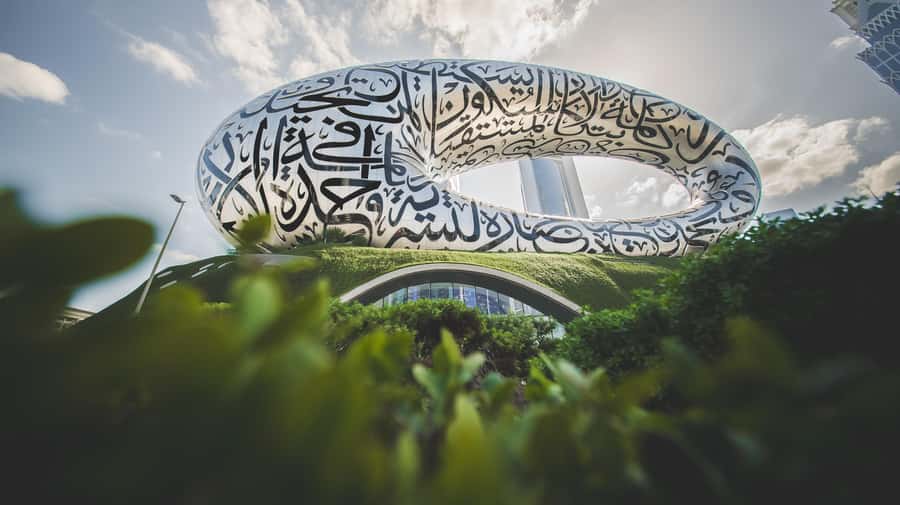
Another major theme is how everyday infrastructure could change. The museum points you toward the future of education, smart cities, energy, and transportation.
This section can be surprisingly relevant even if you’re just visiting for a day. Dubai itself is a city built around ambitious planning and big tech experiments, so these exhibits land with extra meaning here. You’ll likely notice how the museum turns abstract ideas into something you can picture in real streets, real classrooms, and real commutes.
If you’re the type who likes to understand how cities function, this is where the ticket can start to feel more than just sci‑fi fun.
Kids, Teens, and the Bottom-Floor Play Zone
The museum works well for families. Visitors mention a bottom area where kids can explore, and the overall experience is designed to keep younger minds from zoning out.
If you’re traveling with children, remember the ticket rules:
- Children up to age 4 can enter free, but they need to visit the counter for age verification.
- All children must be accompanied by an adult with a paid ticket.
- Bring passport or an ID card for children.
Also, there’s a clear “no nonsense” rule list: selfie sticks are not allowed, and unaccompanied minors aren’t allowed. That’s worth taking seriously because it affects how your family moves through the museum.
The Open-Air Viewing Platform and the Building Outside
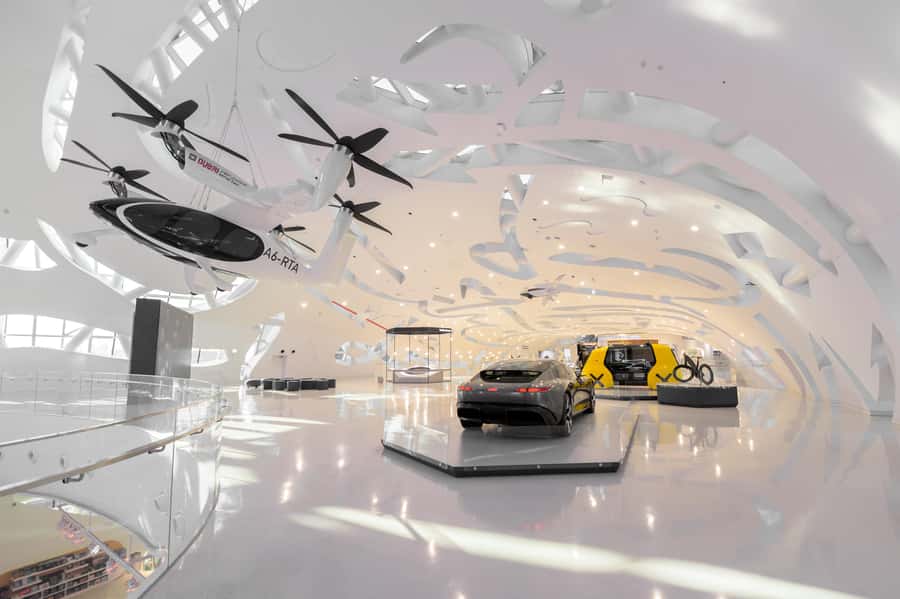
One of the most repeatedly praised parts is the viewing platform area, including the open roof feeling on the building’s base structure. Even people who focus more on the architecture than the exhibits say the views are part of the cost’s payoff.
If you like photos, plan for the lighting conditions. The building looks dramatic at night, and visitors specifically call out that nighttime photo moment as a ticket plus. For best results, coordinate your timing so you catch the glow rather than only the daytime facade.
What to Expect From Staff and Guides
A big advantage here is how guided the experience can be. People mention guides in each room, with staff taking time to make the experience welcoming and explain what matters.
Two guide names come up in the experience feedback: Baba and Ibrahim. Even if you don’t get the same guide, the pattern is clear—staff are part of the show, not just security at the door.
If you’re unsure what you’re looking at, ask. That’s the kind of museum where questions get you better answers, not side-eye.
Getting the Most Out of Your 1.5 Hours
To use your time well, do this:
- Start with the sections that match your interests first (AI/robotics, space travel, or city futures).
- Don’t rush the viewing platform. It’s a major moment, not an afterthought.
- If you bought skip-the-line, take the extra time savings and use it inside, not for slow walking in the entrance area.
It’s also a good idea to go in with realistic expectations. This isn’t a dusty museum where everything is quiet and labeled like a textbook. It’s more like moving through future scenario stations, with a lot of concept-driven thinking.
And yes, the museum can be busy. If you want smoother movement, consider getting there when doors first open.
Should You Book This Museum of the Future Ticket?
Book it if you want a high-impact Dubai experience that mixes architecture with big ideas in about 1.5 hours. It’s especially worth it if:
- You like tech themes like AI, robotics, and human augmentation.
- You’re visiting with teens or kids who need interactive variety.
- You want a future-minded alternative to more traditional museums.
Skip it (or choose your entry option more carefully) if:
- Your schedule is extremely tight and you’re not taking advantage of skip-the-line.
- You’re sensitive to crowds, because the building and exhibits can draw serious daytime demand.
- You mainly want classic historical displays. This museum is about what might happen next, not what already happened.
If you do book, my one practical recommendation is simple: don’t treat it like a free walk-in. Choose the option that fits your timing, arrive with your ID ready for kids, follow the rules (no selfie sticks), and leave space for the viewing platform. That combo is how you turn a sci‑fi ticket into a genuinely memorable stop.
FAQ
How long is the Museum of the Future visit?
The ticketed experience is listed as about 1.5 hours, with starting times depending on availability.
How much does admission cost?
The price is listed at about $46 per person.
Is skip-the-line entry included?
It depends on the ticket option you select. Some options include skip-the-line entry.
What should I bring for children?
You should bring passport or an ID card for children. Children up to age 4 can enter free, but they must verify age at the counter.
Is the museum wheelchair accessible?
Yes. The venue is listed as wheelchair accessible.
Are selfie sticks allowed?
No. Selfie sticks are not allowed.
Can I get there by public transport?
Yes. The museum doesn’t provide transportation, but you can reach it by metro, taxi, or car.