REVIEW · DUBAI
Dubai: Old Town, Creek, Museums, Souks, & Street Food Tour
Book on GetYourGuide →Operated by MAGIC LAMP TOURISM L.L.C · Bookable on GetYourGuide
Old Dubai has a way of turning the volume down. This tour maps the city’s older neighborhoods—Al Seef and Al Fahidi—then carries you through the souks and out onto the Dubai Creek with a traditional Abra ride. With guides like Seef and Hamza leading the way, you get the story behind what you’re seeing, not just the photos.
What I like most is the built-in human layer: real cultural context tied to everyday details like Arabic coffee, dates, and how people once lived in the heritage houses. I also like that you’re not left to figure out the souks alone; the route includes shopping time plus tips to avoid tourist traps and help you bargain with confidence. One thing to note: this is a walking tour, and the day includes market stops where facilities can be hit or miss—one guest specifically flagged the public toilets near the spice market as not great.
In This Review
- Key Things You’ll Really Notice on This Tour
- Old Dubai to Al Seef: The Creek Makes It Make Sense
- Al Fahidi and Al Bastakiya: Heritage Houses That Feel Lived-In
- Al Fahidi Fort and Grand Souk Breaks: Old Meets Shopping Reality
- Dubai Creek Abra Ride: The Quick Boat Moment With Big Payoff
- Spices Souk + Gold Market: Shopping With Guardrails
- Dubai Spice Souk
- Dubai Gold Souk
- Food and Drinks You’ll Actually Get (Not Just See)
- Price: How an $18 Tour Covers Real Costs
- Who This Tour Fits Best (And Who Should Skip It)
- Guides Matter Here: The Names You’ll Keep Hearing
- Should You Book This Old Town, Creek, Souks, and Street Food Tour?
- FAQ
- How long is the Dubai Old Town, Creek, Souks, & Street Food Tour?
- Where do I meet the guide?
- Does the tour include a boat ride on the Dubai Creek?
- What food and drinks are included?
- Which souks and markets do you visit?
- What’s included in the heritage and museum part?
- Is hotel pickup available?
- What should I bring, and what’s not allowed?
Key Things You’ll Really Notice on This Tour
- Al Seef along Dubai Creek: see the old waterfront vibe before you jump into the markets
- Heritage houses in Al Fahidi and Al Bastakiya: step into restored homes and learn daily-life details
- Abra boat ride: a short, scenic crossing that makes the Creek feel personal
- Souk “how-to” moments: you’re given guidance on shopping, pricing, and what to watch for
- Street food + juice tastings: quick bites and sweet drinks help you learn Arabic cuisine fast
- Guide energy: names like Francis, Ramadan, Abdul, and Islam come up often for keeping the group moving and engaged
Old Dubai to Al Seef: The Creek Makes It Make Sense
If you only see Dubai from the shiny highways or malls, you miss the logic of the city. The starting point here helps fix that fast: you begin in the Al Seef area right by the Dubai Creek, where the waterfront once worked like a main street. Walking along the Creek, you’ll feel how Dubai’s older districts were built around water, trading, and movement of people and goods.
Al Seef also gives you an easy “transition” into heritage mode. You’re not wandering through a random back alley. You’re in an area designed to show older-style architecture and a living connection to the water. That matters because it sets you up to understand what comes next: why the neighborhoods feel tight, why markets cluster, and why the souks still draw crowds.
This is also where the guide’s role starts to matter. You’ll hear history tied to real people—how the region’s leaders and traditions shaped daily life. Guides named in guest experiences (for example Seef and Francis) tend to blend facts with practical explanations, which is exactly what you want when your brain is trying to connect “what I see” with “what it means.”
Practical tip: wear comfortable shoes early. The day is a series of short walks, photo stops, and crowd navigation, not one long sightseeing bus ride.
You can also read our reviews of more food & drink experiences in Dubai
Al Fahidi and Al Bastakiya: Heritage Houses That Feel Lived-In
Next you move into Al Fahidi, with time at Al Bastakiya as part of the broader old-town area. This is the section where the tour earns its keep. Instead of only looking outward at old buildings, you get to learn from the inside—heritage houses and local museums are on the plan.
Why this matters: Dubai’s modern growth is dramatic. Heritage houses are the counterweight. They show what daily life looked like before the skyline took over the story. You’ll see how older generations adapted their homes for climate and community. And you’ll also get cultural context—your guide shares background around Islam and how it shapes local customs you’ll notice throughout the day.
A small but smart inclusion: Arabic coffee and tea during the heritage stop. It’s not just a sip for flavor; it’s a pause that helps you slow down. You get a moment to listen without rushing, and it helps you connect what you’re learning to a real routine.
Some guests specifically call out guides like Hamza for making this part memorable and for encouraging questions. That’s a big deal here because heritage buildings can look “pretty” to the untrained eye. The guide’s job is to translate what you’re seeing into something you can explain later.
Watch your pace: there are breaks throughout, but you’ll still be outside in market heat and crowd flow. If you tend to get tired on foot tours, plan to drink water and use the rests.
Al Fahidi Fort and Grand Souk Breaks: Old Meets Shopping Reality
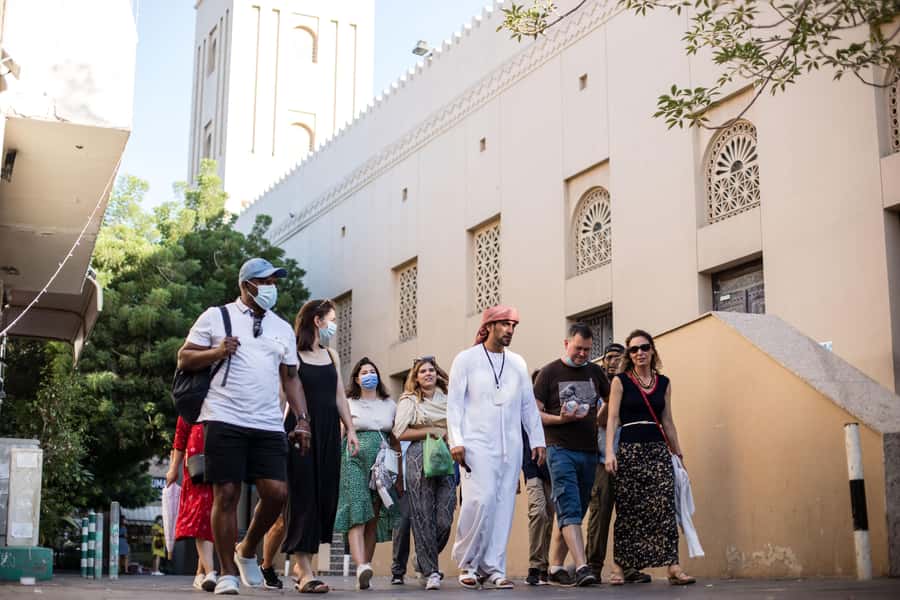
After the heritage houses, the tour keeps you in the old-town rhythm with additional time around Al Fahidi Fort and then into Bur Dubai souk territory. Passing the fort area gives you another anchor point: you’re no longer just in residential heritage. You’re seeing parts of the district that supported protection and community life.
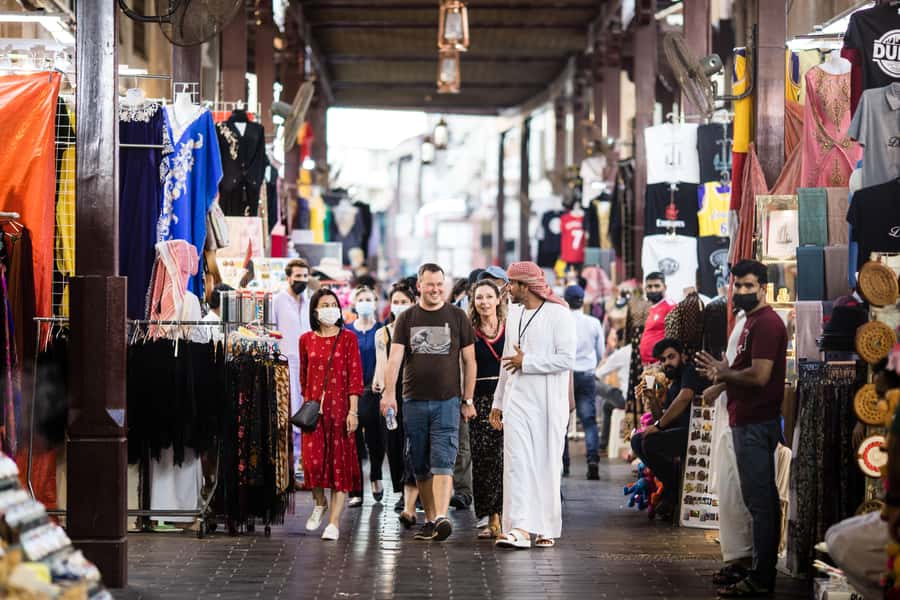
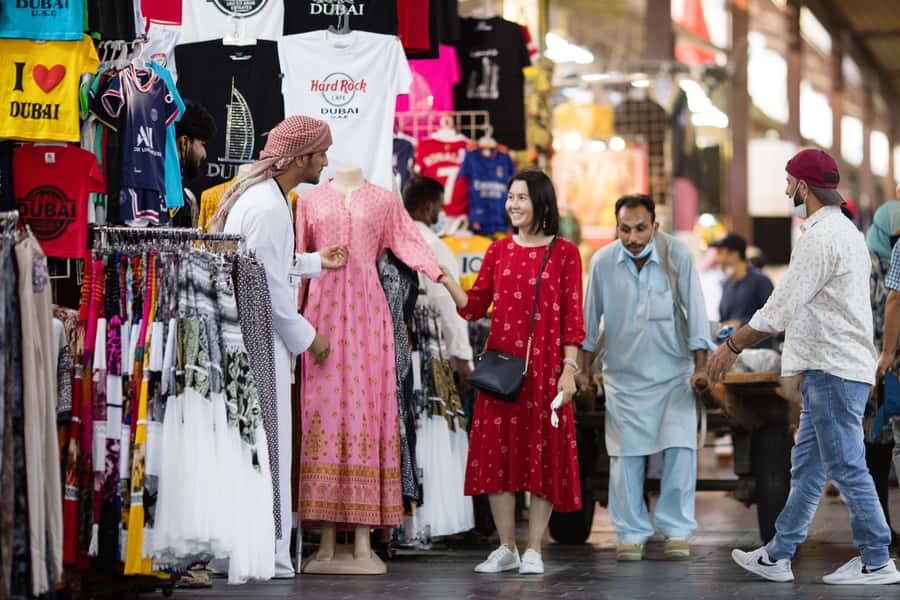
Then comes a key shift: the tour moves from “culture stops” into “shopping and street food.” The Grand Souk of Bur Dubai / Al Souq Al Kabeer portion is where you’ll feel the market as a working system, not a theme park.
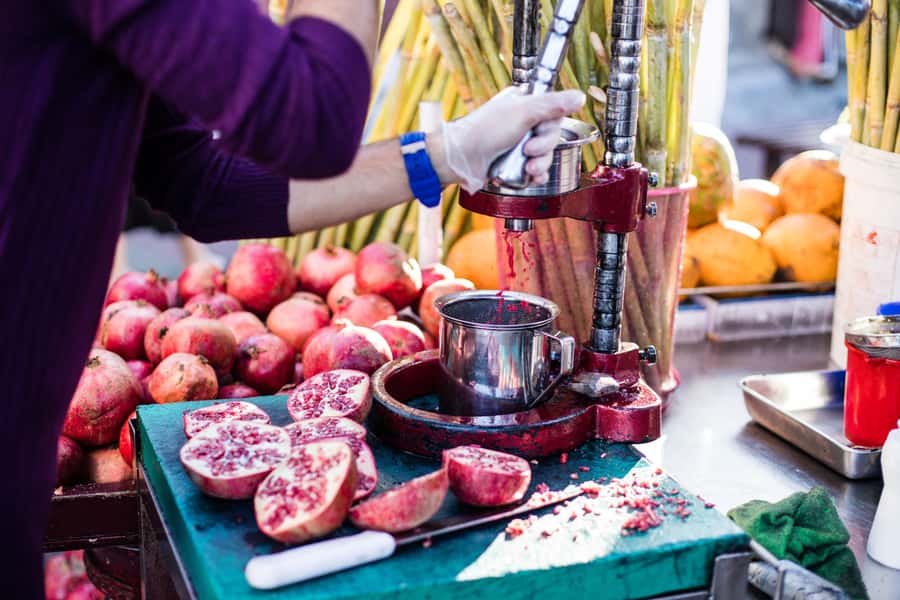
You’ll get free time and a guided component, plus tastings like local bites and juices. The juice options mentioned include pomegranate, coconut, orange, and sugarcane, or you may have a soft-drink option depending on the package.
This is also one of the most valuable parts for first-time visitors. Markets are where people either have a great time or accidentally pay too much. Your guide’s role includes tips on what prices should look like for common items and how to avoid tourist traps. That doesn’t mean you need to bargain like a pro—it means you’ll go in knowing the rules of the game.
Practical tip: if you want souvenirs, decide early what you’re shopping for (spices, small gifts, chocolate, maybe textiles). It’s easier to compare value when you’re not mentally shopping everything.
Dubai Creek Abra Ride: The Quick Boat Moment With Big Payoff
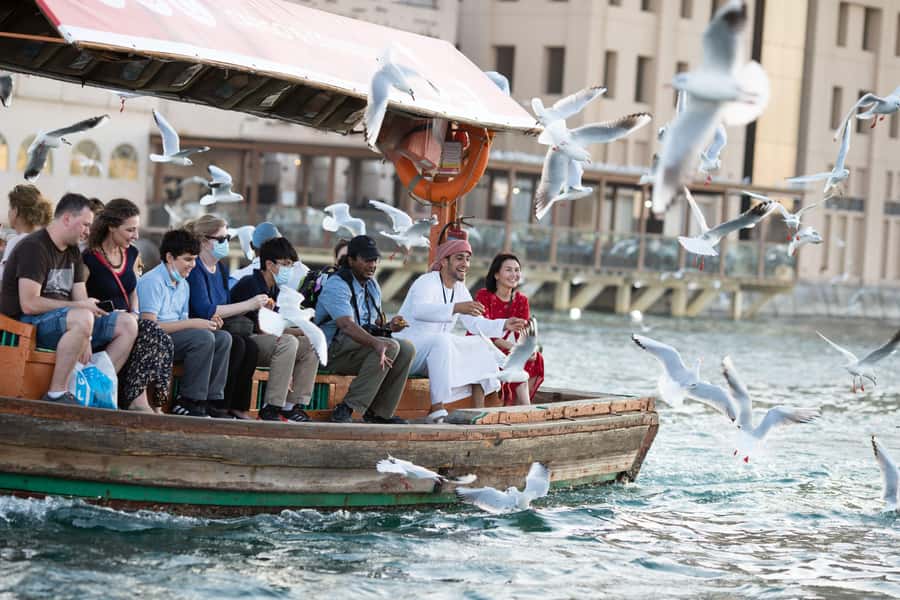
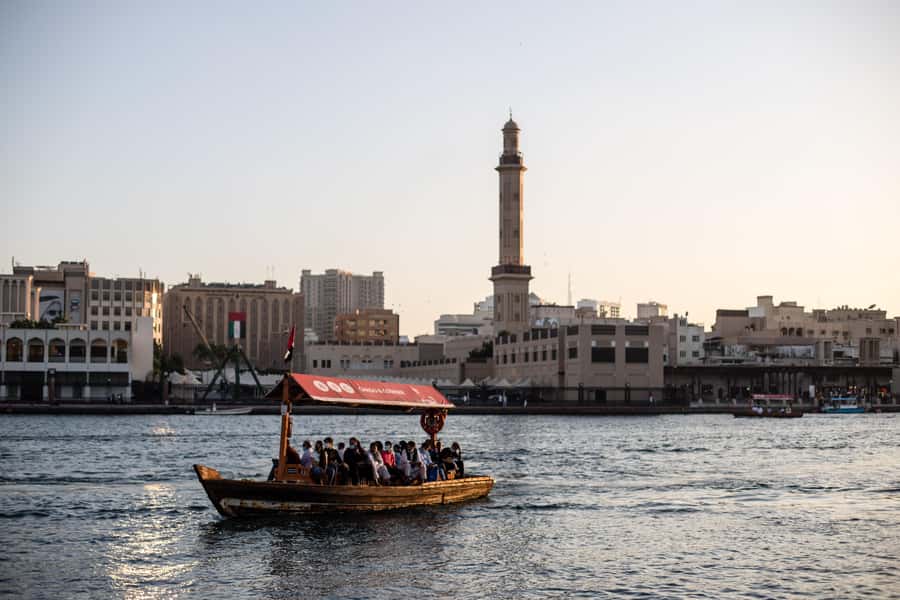
Soon you’ll reach the Dubai Creek for photo stops and then the classic short ride on a traditional boat called the Abra. This is one of those “small time, big meaning” activities. The boat ride is brief, but it changes the whole feel of the day.
Seeing the Creek from water does two things for you:
1) you get a clearer sense of how the districts relate to each other, and
2) the city becomes less like “buildings” and more like “movement across water.”
It’s also a great break from the constant walking. Even a short boat segment resets your energy. The tour includes scenic views on the way and another creek segment after the first Abra dock stop, so you’re not doing just one quick photo clip and moving on.
If your timing lines up for evening light, you’ll probably enjoy the water more than you expected. Even if it’s daylight, it’s still one of Dubai’s most recognizable old-school experiences.
Spices Souk + Gold Market: Shopping With Guardrails
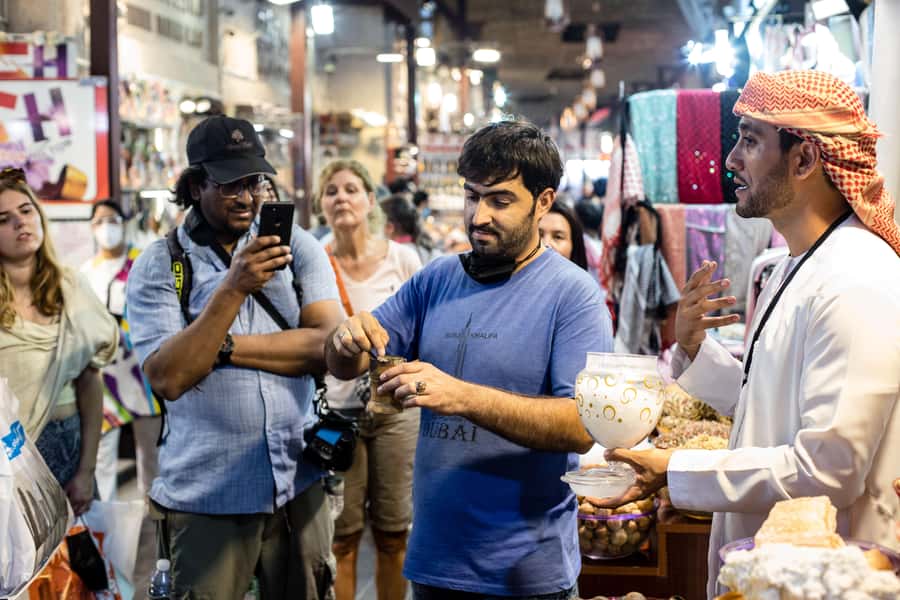
After the Abra segment, the tour focuses on what people actually come for: the souks—specifically the Dubai Spice Souk and the Gold Market / Dubai Gold Souk.


Dubai Spice Souk
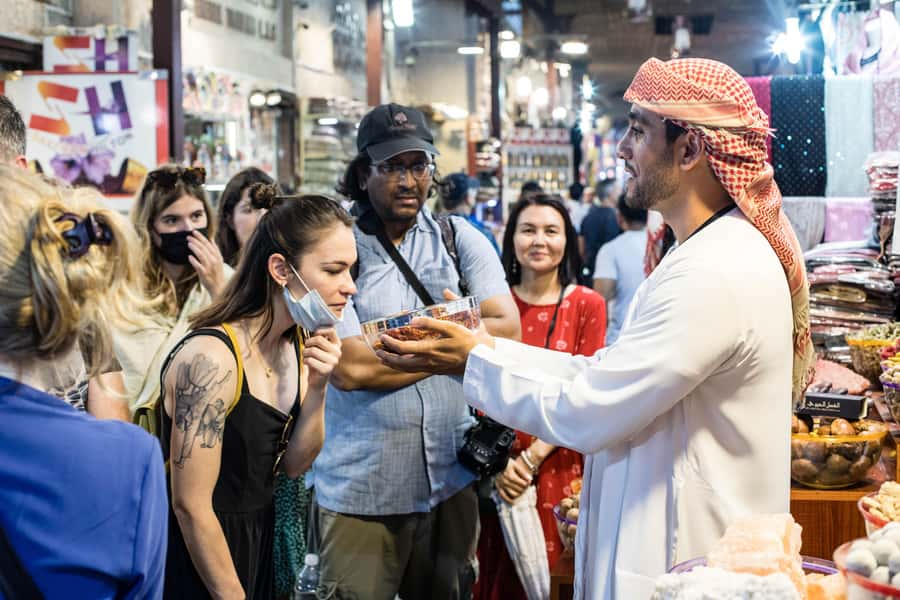
This stop is all about smell, color, and sampling energy. The tour includes guidance and free time, plus a break that usually includes more food and drink moments. You’ll also learn how spices and local ingredients fit into Arabic cooking.
One drawback that came up clearly: public toilets near the spice market aren’t great. So if you’re sensitive to restroom conditions, plan to use facilities during earlier breaks.
Also, if you’re shopping spices, expect them to be packaged in various ways. The guide can help you avoid common mistakes like buying without understanding what you’re actually getting.
Dubai Gold Souk
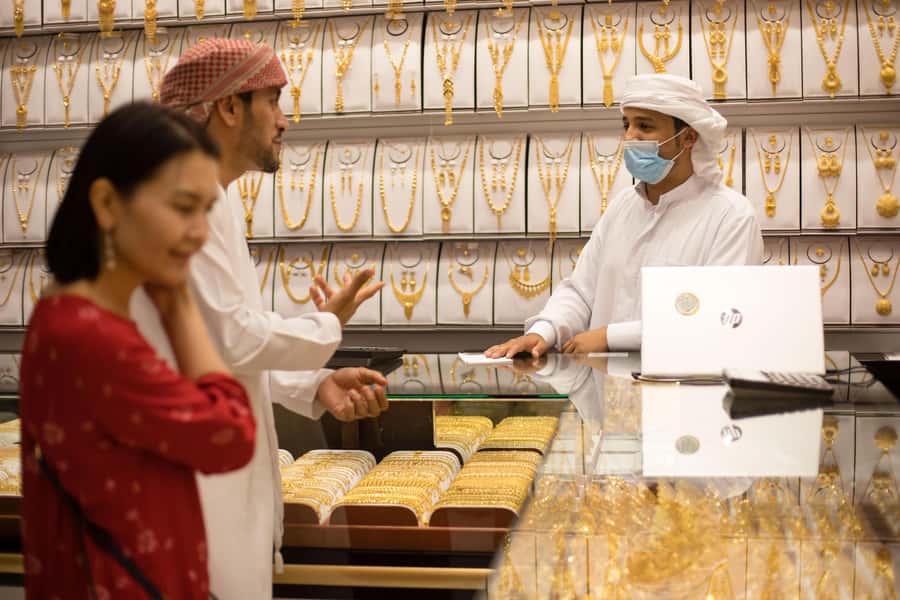
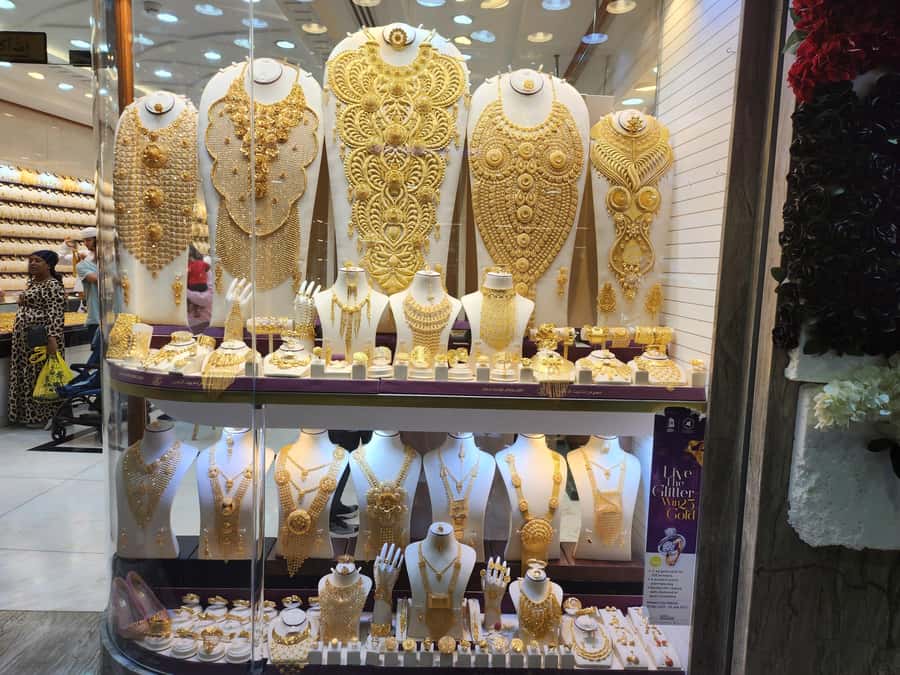
Then you hit the Gold Souk, where the vibe shifts from aromatic spices to reflective displays and show-stopping jewelry. The tour includes time to shop and a guided component so you’re not just staring.
One guest experience highlights how helpful the guide can be here—Seef was reported to go the extra mile to help find a gold shop selling very specific jewelry. That tells you something important: guides aren’t only about history talk; they can also help you navigate the practical side of shopping in a crowded district.
Practical tip: gold shopping can turn emotional fast. Set a budget before you arrive, and don’t let the first display control your decision.
Food and Drinks You’ll Actually Get (Not Just See)
This tour is built around tastings and small meals, which is exactly how I like to learn food culture in a short window.
Included items listed for the experience include:
- Arabic coffee and tea
- dates tastings
- camel milk chocolate with dates
- Dubai chocolate to try
- traditional boat ride along Dubai Creek
- water bottles
- street food and snacks at the Abra dock area
- additional food options depending on package level
For the premium option, there’s shawarma and falafel plus drink choices that may include juice (with pomegranate, coconut, orange, and sugarcane listed) or soft drinks unlimited, and in that premium setup, Dubai beer is mentioned as well.
Even if you skip premium, the included tastings still do the job. You’ll leave knowing what locals reach for—sweet dates, coffee/tea traditions, and the kind of quick, flavorful street food that makes Arabic cuisine feel approachable.
What I’d do if you’re picky: start with the small tastings so you get a base idea first. Then decide if you want a larger portion later during the shopping/free-time moments.
Price: How an $18 Tour Covers Real Costs
At about $18 per person, this tour’s value comes from the mix of what’s included. You’re paying for:
- a local guide
- entry tickets to heritage sites
- entry fees to museums
- a traditional boat ride (Abra)
- food and drink tastings (including coffee/tea and dates, plus more depending on package)
In Dubai, paid attractions and guided time add up fast. Even if you only cared about one of these—say, heritage house entry or the Abra ride—you’d still be paying. The tour bundles multiple “mini experiences” into one timed route, so you’re not spending your limited vacation time figuring out transport between scattered areas.
One more value point: the tour includes tips to avoid tourist traps and shopping guidance. That can be worth more than a couple of souvenirs, especially if you’re someone who usually gets nervous bargaining.
My honest caution: if you only want luxury highlights or big-ticket photo stops, this may feel smaller-scale than other Dubai tours. This is the day for people who like street-level culture.
Who This Tour Fits Best (And Who Should Skip It)
This tour is a strong fit if you want a practical introduction to older Dubai:
- first-timers who want a grounded cultural route
- food lovers who like short tastings and learning by eating
- shoppers who want help navigating souks without getting swarmed
It’s also a good “start of trip” move. The guide’s shopping tips and cultural explanations can make your later souk visits easier and less stressful.
It’s not a fit if:
- you have mobility impairments (walking is involved)
- you need a non-stop, low-walking schedule
- you’re traveling with luggage or large bags (not allowed)
If you do have kids, note that at least one family experience mentioned kids staying entertained during breaks like rest stops in a majlis-style setting and even a Bedouin camp with a swing. That suggests the guides try to keep downtime from feeling boring.
Guides Matter Here: The Names You’ll Keep Hearing
This tour’s biggest “secret ingredient” is often the guide. Multiple names show up across experiences, including Seef, Hamza, Francis, Ramadan, Abdul, and Islam. Common themes: humor, people management, and practical advice.
Some guides are also described as handling setbacks well. One tour was reported to be delayed by traffic, and the guide used live maps to help the group catch up without losing the core stops. That’s the kind of competence that makes a short, time-based tour feel smoother.
If you book and you’re lucky enough to get one of these guides (or any guide with a similar style), you’ll probably enjoy the day more—not because the route changes, but because your understanding grows.
Should You Book This Old Town, Creek, Souks, and Street Food Tour?
Yes, if your goal is to understand Dubai as a real place, not just a skyline. You’re getting heritage-house visits, museum entry, souks, street food and drinks, and a traditional Abra ride—wrapped into about 2.5 to 4 hours. With the guide-driven shopping and anti–tourist-trap guidance, it’s also one of the better “value-per-hour” ways to spend your time.
Skip it if you want minimal walking, high-end photo landmarks, or an easy day with no market crowds. Also consider the bathroom note near the spice market if that affects your comfort level.
If you’re planning a first trip and want the city’s older side early, this is a smart place to start.
FAQ
How long is the Dubai Old Town, Creek, Souks, & Street Food Tour?
The duration is listed as 2.5 to 4 hours, depending on the selected starting time and pace.
Where do I meet the guide?
Meet your guide at the entrance of the Al Seef Heritage Hotel by Curio Bayt 1. The guide will be wearing a badge and contacting you before the tour.
Does the tour include a boat ride on the Dubai Creek?
Yes. You’ll take a traditional boat ride called an Abra along Dubai Creek.
What food and drinks are included?
The tour includes Arabic coffee and tea, plus dates tastings. Additional tastings and snacks are included, and the premium option lists items like shawarma and falafel, plus juice options (pomegranate, coconut, orange, sugarcane) or soft drinks unlimited, with Dubai beer mentioned for the premium setup.
Which souks and markets do you visit?
You’ll visit the Spice Souk (Dubai Spice Souk) and the Gold Market (Dubai Gold Souk). You’ll also spend time in the Grand Souk of Bur Dubai / Al Souq Al Kabeer area.
What’s included in the heritage and museum part?
Entry ticket(s) to the heritage sites and entry fees to the museums are included.
Is hotel pickup available?
Hotel pickup and drop-off are available if you select the option. Pickup is described as optional, and your driver will confirm exact details the day before the tour.
What should I bring, and what’s not allowed?
Bring comfortable shoes. Pets are not allowed, and luggage or large bags are not allowed.