REVIEW · DUBAI
Dubai: Al Shindagha Museum Entry Ticket
Book on GetYourGuide →Operated by TALENTS UAE · Bookable on GetYourGuide
One day in Dubai Creek beats another day of skyline photos. Al Shindagha Museum uses interactive, multi-sensory exhibits to show how everyday life, trade, and faith shaped the city you see today. I also love the focus on the Al Maktoum Family and the places that help you understand Dubai’s identity, not just its headlines.
Plan for a 1-day visit because the museum is organized across 21+ heritage houses, so if you like lingering for hours in each room, you’ll feel a bit rushed. Still, it’s a strong use of time for anyone who wants culture you can actually touch, hear, and explore.
In This Review
- Key things you’ll remember
- Why Al Shindagha Museum is a smart Dubai stop (and not just a history lesson)
- Price and timing: what $13 buys you in real-world value
- Getting oriented in the Visitor Center (before the houses get personal)
- Al Maktoum Residence and the Dubai Creek story you can’t fake
- The themed houses: how life, trade, and skills connect
- Culture of the Sea and Navigation: the water side of Dubai
- Where the museum feels most modern: VR and multi-sensory installs
- Tour guides and languages: you’ll get more from the same rooms
- Practical tips so you don’t rush (or miss the good parts)
- Who this museum fits best (and who might prefer something else)
- Should you book Al Shindagha Museum tickets?
- FAQ
- How long is the Al Shindagha Museum entry ticket valid?
- Where is Al Shindagha Museum located?
- What is included with the ticket?
- How many houses are in the museum experience?
- Is there a live tour guide?
- What tour languages are available?
- Is the museum wheelchair accessible?
- Does the museum use interactive technology?
- Is free cancellation offered?
Key things you’ll remember
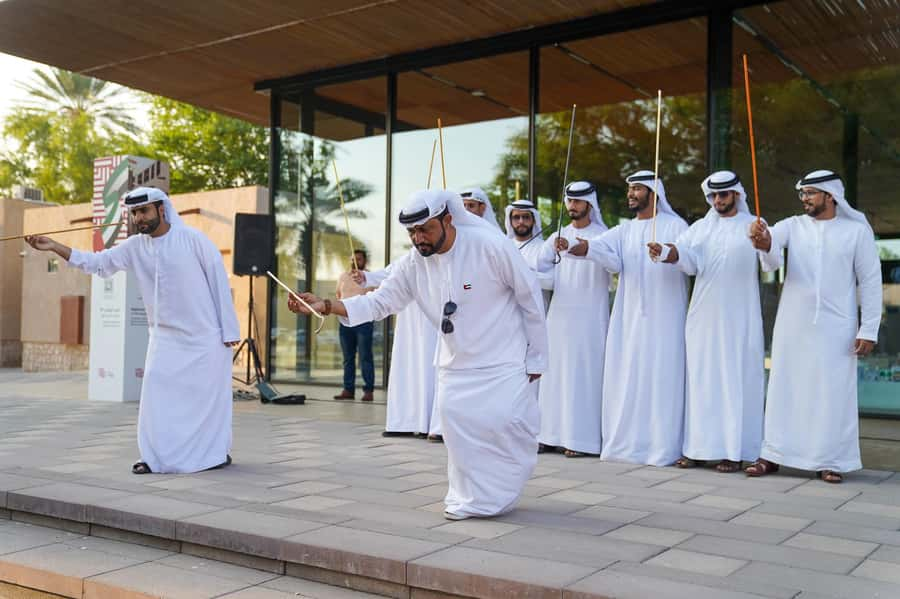
- Dubai Creek, from birth of a city to daily life: the museum anchors the story where it began.
- 21 heritage houses plus the Al Maktoum Residence: you get lived-in context, not just static displays.
- VR and other multi-sensory installations: modern tech supports the past, not replaces it.
- Themes that connect land, sea, trade, faith, healthcare, and food into one coherent picture.
- Live tour guides in multiple languages: English, Arabic, Chinese, Russian, French.
- A well-prepared visit flow: it’s interactive and organized enough that you won’t feel lost.
Why Al Shindagha Museum is a smart Dubai stop (and not just a history lesson)
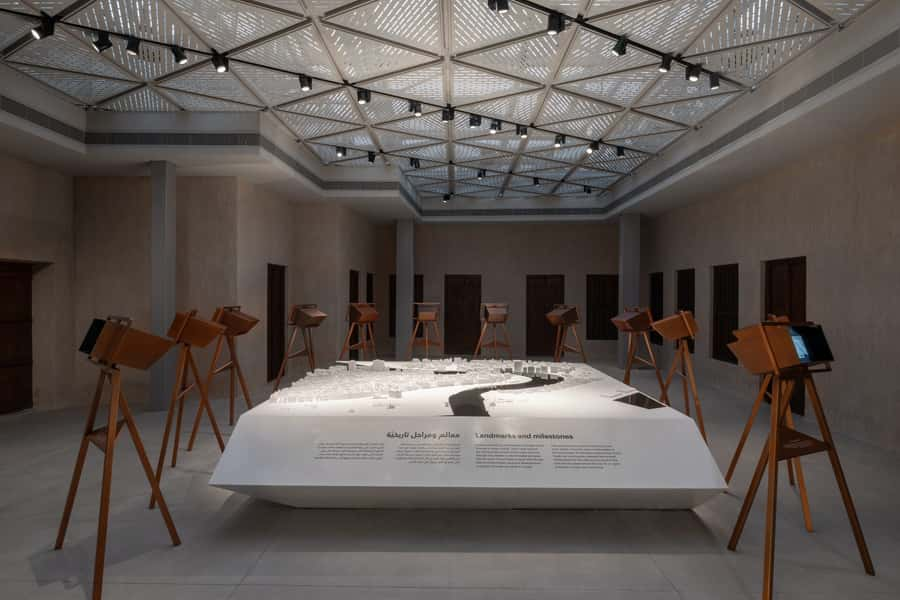
Dubai can feel like two different cities stacked on top of each other. You’ve got the future—then you’ve got the older neighborhoods where the city’s practical thinking started: water, trade routes, coping with heat and scarcity, and building community ties that held when times changed.
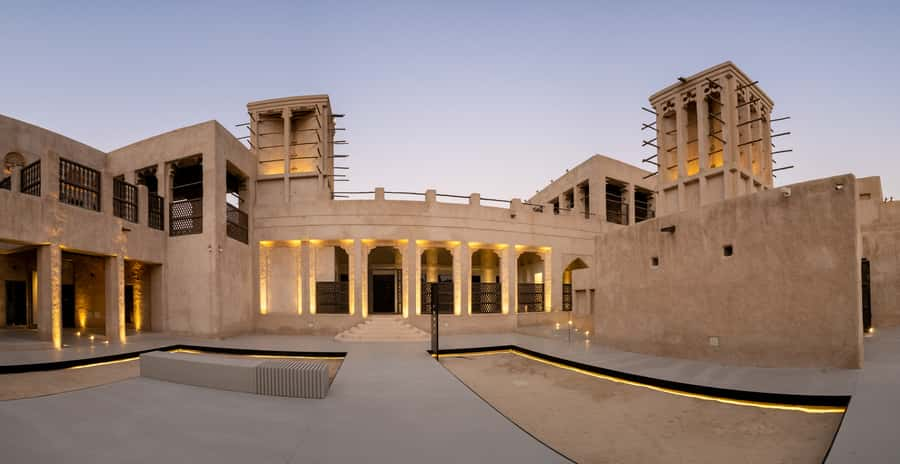
That’s the sweet spot of Al Shindagha Museum. It sits on the banks of Dubai Creek in Al Shindagha, the historical area people use as a shortcut to understanding how the city grew. Instead of treating culture like a museum label, the experience links daily routines and local knowledge—how people traveled, what they wore, how they treated illness, and what they ate—to the Dubai that later became modern.
I especially like the way the museum ties identity to place. Al Shindagha isn’t an abstract concept here; it’s the neighborhood context for the story. And I also appreciate that the museum doesn’t oversell one narrow angle. It covers land life and sea life, arts and crafts, beliefs and social spaces—so you can build a fuller picture as you move from house to house.
One note for expectations: this is heritage through experience. If you only want landmark buildings and photos, you may find it a bit slower than a quick architectural tour.
A few more Dubai tours and experiences worth a look



Price and timing: what $13 buys you in real-world value
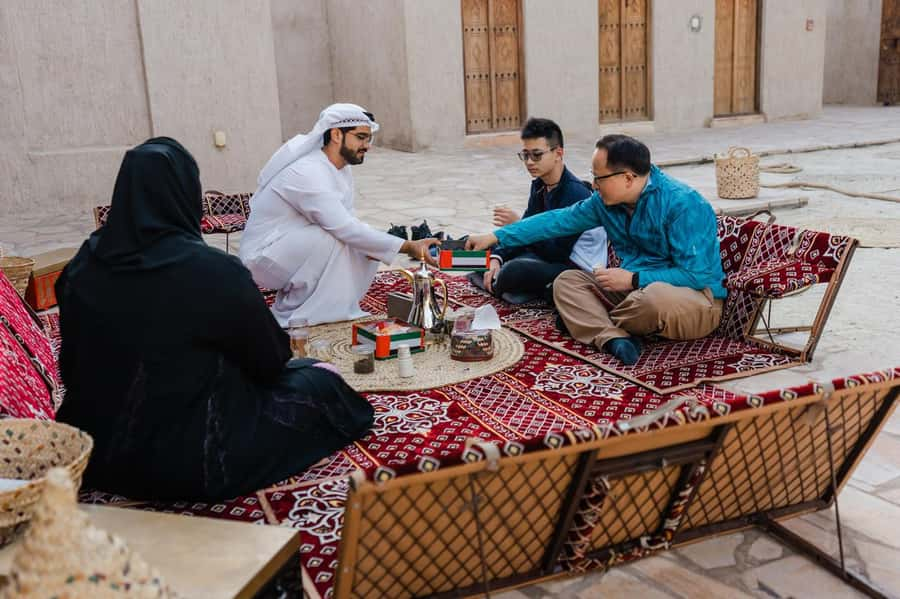
The ticket price is listed as $13 per person, and the experience is valid for 1 day. For Dubai, that’s a pretty good deal—especially because you’re not just walking through one building. You’re moving through 21 houses with installations spread throughout, plus a live guide experience built into the visit.
What matters more than the headline price is how the time is used. A 1-day ticket works best when you go in with a simple goal: see the main story threads, then let the interactive parts guide your curiosity. You won’t feel like you need to study every detail to enjoy it; the museum’s structure does some of the thinking for you.
Also, the museum lists live tour guide availability in multiple languages. That’s another value point. Guides help you connect what you see across different houses—so you’re less likely to walk out with a checklist of rooms and more likely to walk out with an actual storyline.
Getting oriented in the Visitor Center (before the houses get personal)
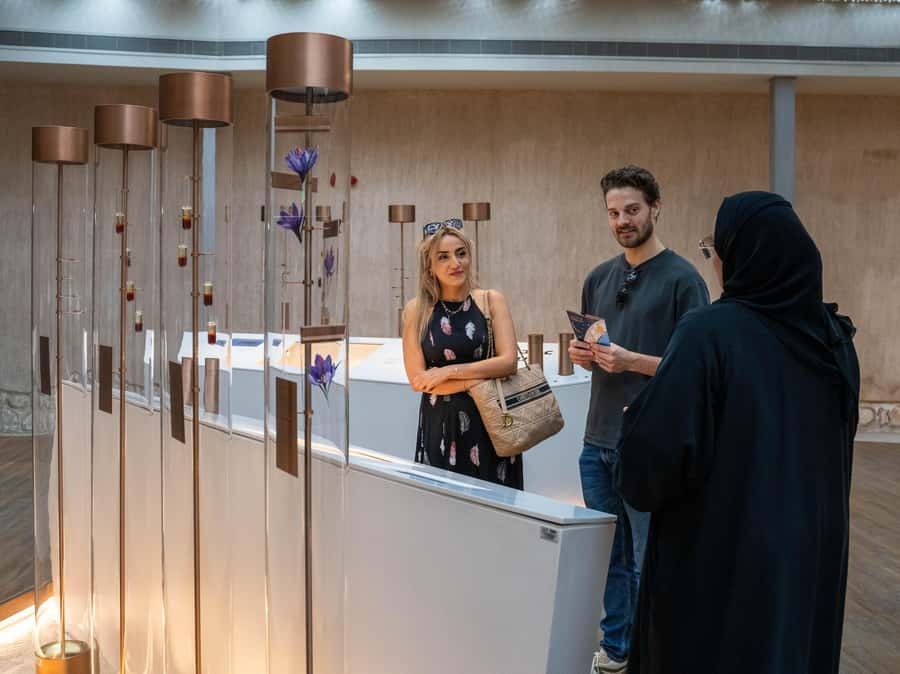
Your visit starts at the Visitor Center, and that’s not just a formality. It’s where you set your bearings and start the museum journey in the right frame of mind.
From there, the museum flows into the heritage houses. The layout is designed for movement: you enter a house, encounter themed installations, then you move to the next one. The experience uses multi-sensory interactive installations—so you’re not only reading panels. You’re reacting to sound, visuals, and hands-on style exhibits where available.
The key practical point: don’t rush the first stop. If you get your orientation wrong, later houses can feel like separate mini-museums. If you get it right, the rooms start to link together.
Al Maktoum Residence and the Dubai Creek story you can’t fake
A standout part of the museum is the Sheikh Saeed Al Maktoum Residence. It was originally home of the Al Maktoum Family and the Dubai monarch at the time until 1958, linked to Sheikh Saeed Al Maktoum, the grandfather of Sheikh Mohammed bin Rashid.
This is where the museum’s identity focus becomes real. It’s not just about architecture or artifacts. It’s about showing how governance, family life, and the city’s direction were shaped in the same physical world as daily activities.
You’ll get a clearer sense of why Al Shindagha Museum places so much weight on Dubai Creek. The creek wasn’t background scenery; it was part of how people lived, traded, traveled, and built community. The museum’s house themes keep returning to that idea, so the Residence works like your anchor point.
The themed houses: how life, trade, and skills connect
The museum includes a wide set of exhibit houses—each with a specific angle. You’ll see names like Perfume House, Traditional Jewelry, and Traditional Crafts, alongside broader themes such as Life on Land, Trade and Journeys, and People and Faith.
Here’s how I’d think about it as you plan your walk:
- Land and everyday life:
Rooms such as Life on Land and traditional themed houses help you picture what daily routines looked like before the city’s modern era.
- Skills you can almost smell and touch:
The Perfume House and Traditional Jewelry focus on materials and craft knowledge. These sections are great if you like details—patterns, tools, and what different items meant for status and identity.
- Trade as a way of thinking:
Trade and Journeys shows Dubai not as an isolated place, but as a node in movement and exchange. If you’ve ever wondered how a coastal city turned navigation and commerce into stability, this is the part that answers that question.
- Community and belief systems:
Houses like Community Hall and People and Faith help you understand social structure. This is where the museum shifts from objects to people.
- A practical look at health and daily needs:
Traditional Healthcare and Traditional Food are important because they show coping strategies. People needed ways to care for family, and they needed food practices that worked in their environment.
There’s also Expressions, Beauty and Adornment, and Poetry, which expand the story beyond practical topics. These sections are useful when you want to understand the emotional side of culture—how identity gets expressed through art, language, and appearance.
One small caution: because there are many themed stops, it’s easy to feel like you need to absorb everything at once. Don’t. Pick a few themes you care about most and let the rest be supporting cast.
You can also read our reviews of more museum experiences in Dubai

Culture of the Sea and Navigation: the water side of Dubai
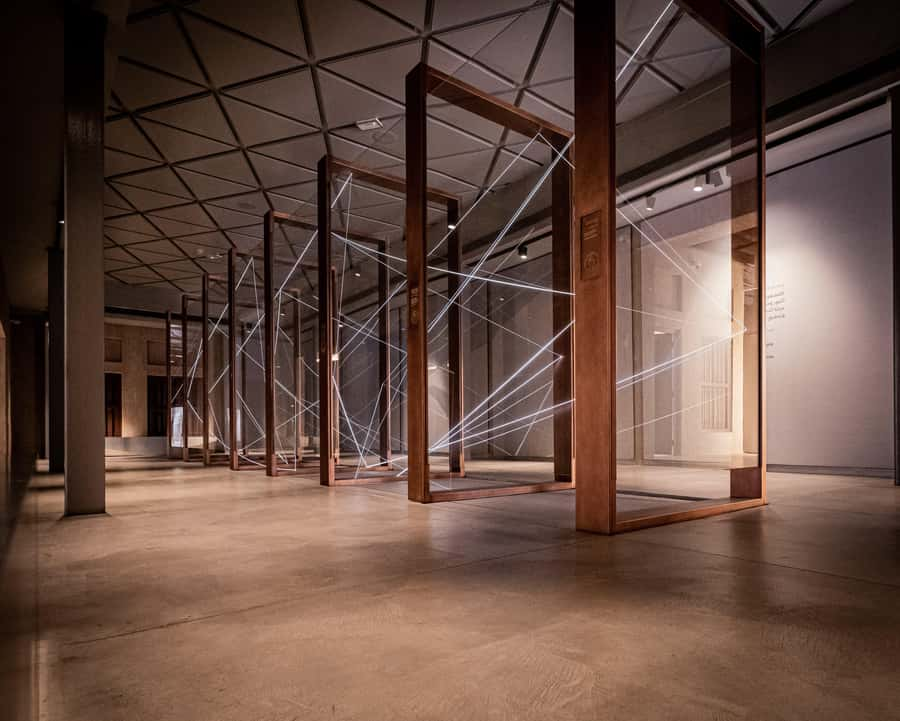
Dubai isn’t only built on land. The museum’s Culture of the Sea and Navigation houses bring that point forward in a way that feels connected to the other rooms, not like a separate topic.
This is where you start to see why trade, movement, and knowledge of routes mattered so much. Navigation is more than a technical subject; it’s about planning, risk, timing, and how people understood the environment around them.
I like how these houses help you connect the creek-side setting of the museum to the broader story. Once you’ve seen the sea-focused themes, earlier rooms about Trade and Journeys land with more meaning. It stops being a theme list and becomes a cause-and-effect story.
Where the museum feels most modern: VR and multi-sensory installs
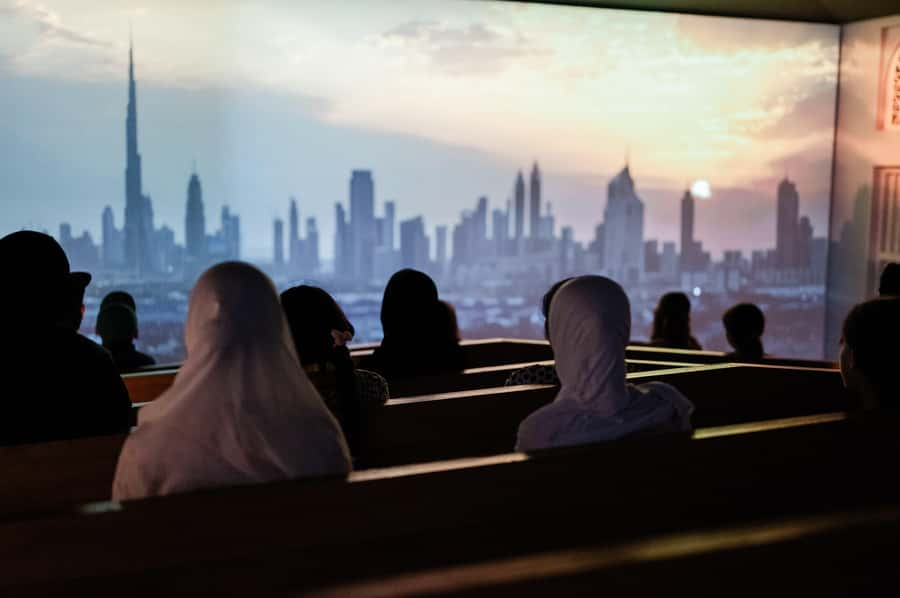
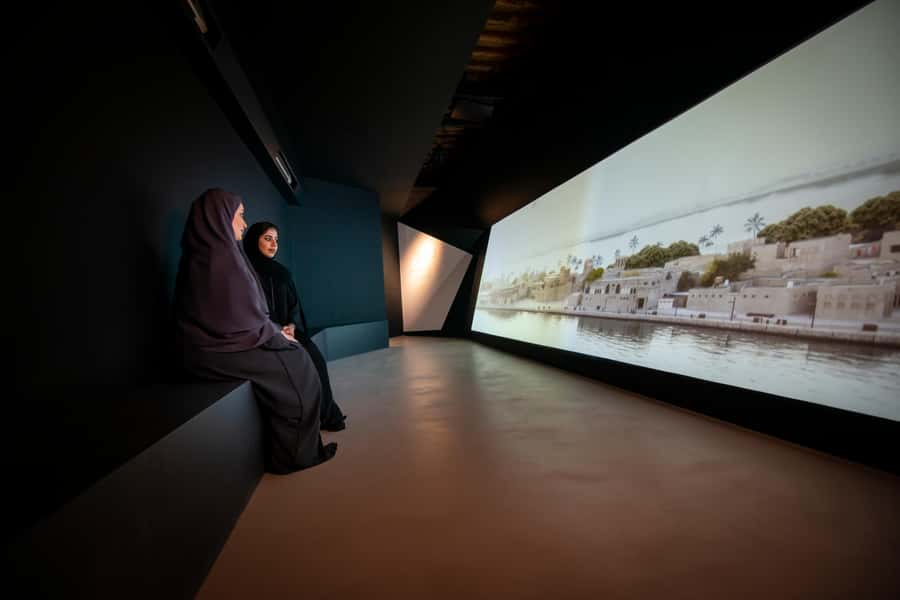
Al Shindagha Museum is built with modern presentation tools, and that’s one of the most praised aspects. The museum uses virtual reality technology and other multi-sensory interactive installations threaded throughout the houses.
If you’re the type who usually finds technology museum-style awkward, you may still like this approach because it’s not only screen time. The installations are integrated into the experience as you move between heritage spaces. You’re not just sitting. You’re walking, looking, and then meeting a tech-assisted moment that explains the theme.
There are also mentions of bespoke workshops, tours, and training. That suggests the museum isn’t only a one-way experience. If your group enjoys learning through doing, this side of the program can be a welcome change from reading walls.
In other words: it can feel modern without taking over the point.
Tour guides and languages: you’ll get more from the same rooms
This is a live tour guide experience, and the listed languages are English, Arabic, Chinese, Russian, and French. That matters because many of the house themes are connected by meaning, not just by time period. A good guide helps you connect those dots while you’re still inside the buildings.
One name pops up in the booking reviews: Peter. If you happen to have a guide like Peter, you can expect a more personal, animated explanation rather than a dry lecture. (Even without that specific guide, the simple fact remains: with a live guide, you’re not left to guess the connections.)
Practical tip: if the guide asks questions or invites participation in the interactive moments, lean in. It’s the fastest way to turn the museum from a walk-through into an actual story.
Practical tips so you don’t rush (or miss the good parts)
Here are the small choices that help your experience feel smoother, even if you only have a day:
- Choose your pace early.
If you try to do all 21 houses like a sprint, you’ll lose the interactive impact. Plan for a steady walk and accept that you won’t give every installation equal attention.
- Use the guide for connections.
Ask about how the themes link—land to sea, trade to faith, craftsmanship to identity. That’s where the museum becomes more than facts.
- Don’t skip the residence context.
The Al Maktoum Residence helps anchor everything else. Even if you think you’re there for the interactive rooms, start by taking the residence part seriously.
- Let yourself linger in the craft and cultural sections.
Houses focused on Traditonal Jewelry, Perfume House, and Traditional Crafts tend to reward slow looking.
- Wear comfortable shoes.
You’ll be moving through multiple houses. Even if it’s not a long distance on a map, your feet will feel it by the end.
Who this museum fits best (and who might prefer something else)
Al Shindagha Museum is a great match if you want Dubai in a different order: you start with the creek-side story and let that shape your understanding of the city’s growth.
You’ll likely enjoy it if you:
- like cultural experiences with real themes (craft, faith, food, community)
- want interactive exhibits like VR and multi-sensory installations
- prefer guided structure instead of wandering without context
- want a one-day activity that feels purposeful
You might skip it (or pair it with something else) if you:
- only want outdoor sightseeing and skyline views
- dislike interactive tech-based museum moments
- want a quick stop that fits into a half hour
Should you book Al Shindagha Museum tickets?
If you’re planning a Dubai itinerary and want one stop that feels grounded—built around Dubai Creek, heritage houses, and guided storytelling—this is an easy yes. The $13 ticket price is fair for what you get: a full day spread across themed houses, plus interactive installations and live guides in several languages.
Book it if you want a readable Dubai story in one place. Skip it only if you’re looking for fast entertainment or you’re already overloaded with museum visits. For most people, this is the kind of ticket that makes the rest of your trip make more sense.
FAQ
How long is the Al Shindagha Museum entry ticket valid?
The ticket is valid for 1 day. You’ll want to check availability for the starting times.
Where is Al Shindagha Museum located?
It’s located on the banks of Dubai Creek, in the Al Shindagha historical neighborhood of Dubai.
What is included with the ticket?
The ticket includes entry to the museum.
How many houses are in the museum experience?
The museum experience is described as consisting of 21 houses, and it also notes 22 unique exhibit houses including the Sheikh Saeed Al Maktoum Residence.
Is there a live tour guide?
Yes. The experience includes a live tour guide.
What tour languages are available?
Tour guides are listed in English, Arabic, Chinese, Russian, and French.
Is the museum wheelchair accessible?
Yes, the experience is listed as wheelchair accessible.
Does the museum use interactive technology?
Yes. It mentions virtual reality technology and other multi-sensory interactive installations.
Is free cancellation offered?
Yes. Free cancellation is listed, with cancellation up to 24 hours in advance for a full refund.