REVIEW · AMSTERDAM
Amsterdam: Amsterdam Museum Entry Ticket
Book on GetYourGuide →Operated by Amsterdam Museum · Bookable on GetYourGuide
Amsterdam tells on itself here. The Amsterdam Museum is a tidy, well-paced way to understand the city beyond canals and coffee shops. I love the way it mixes big-name art with lesser-known city stories, and I like the audio tour format that helps you follow along without getting lost. One catch: you may spend a few extra minutes figuring out exactly where it is when you arrive.
Since March 2022, the museum’s home has been on the Amstel, inside the Hermitage building, while the Burgerweeshuis gets renovated. I also like that it’s not trying to sell you one single version of Amsterdam; it gives space to different viewpoints, including dissenting voices. The tradeoff is that the experience is more ideas-and-interpretations than a single, straight timeline.
In This Review
- Key highlights to look for
- Amsterdam Museum on the Amstel: what you see right away
- Ticket value at $23: audio tour and skip-the-line practicality
- How the museum tells Amsterdam’s story: classic names meet modern voices
- From icons like Rembrandt to everyday city perspectives
- Modern artists that shift the viewpoint
- A museum built around disagreement, not just agreement
- Temporary home during the Burgerweeshuis renovation: why the location changes the feel
- Temporary exhibitions: the fastest way to see Amsterdam through today’s eyes
- How long to plan: timing that keeps your day flexible
- Practical comfort: staff help, audio flow, and where it fits around town
- Who should book this museum, and who might skip it
- Should you book Amsterdam Museum entry?
- FAQ
- What is the Amsterdam Museum entry ticket?
- Where is the Amsterdam Museum located?
- How much does the ticket cost?
- How long is the ticket valid?
- Does the ticket include an audio tour?
- Is there a skip-the-line option?
- Can I cancel for a refund?
- Is there a reserve now, pay later option?
- Is the museum wheelchair accessible?
- What artists or names might I see mentioned?
Key highlights to look for
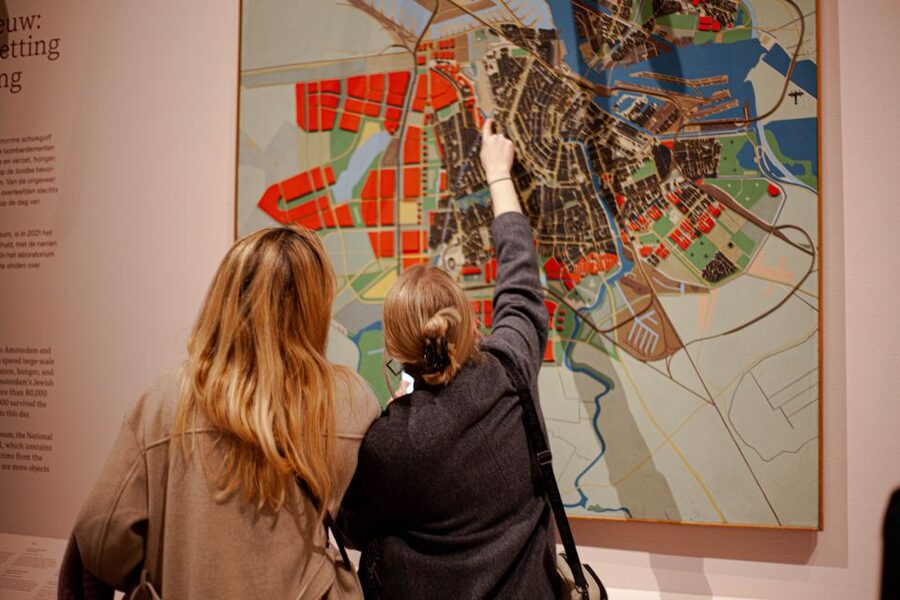
- Rembrandt and Lingelbach icons alongside newer voices
- Modern perspectives that show how Amsterdam keeps changing
- Temporary exhibitions where residents share their Amsterdam
- A museum setup you can finish without losing a whole day
- A helpful audio tour that keeps the stories moving
Amsterdam Museum on the Amstel: what you see right away
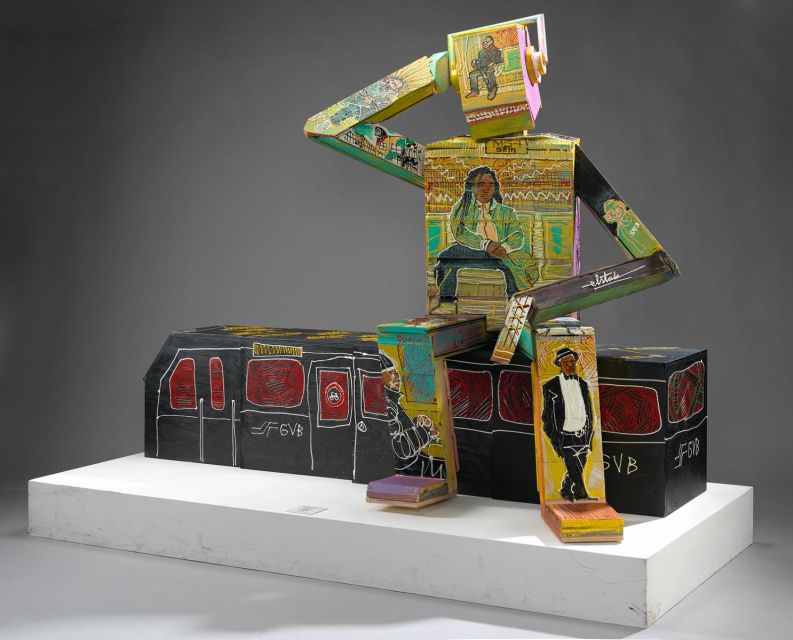
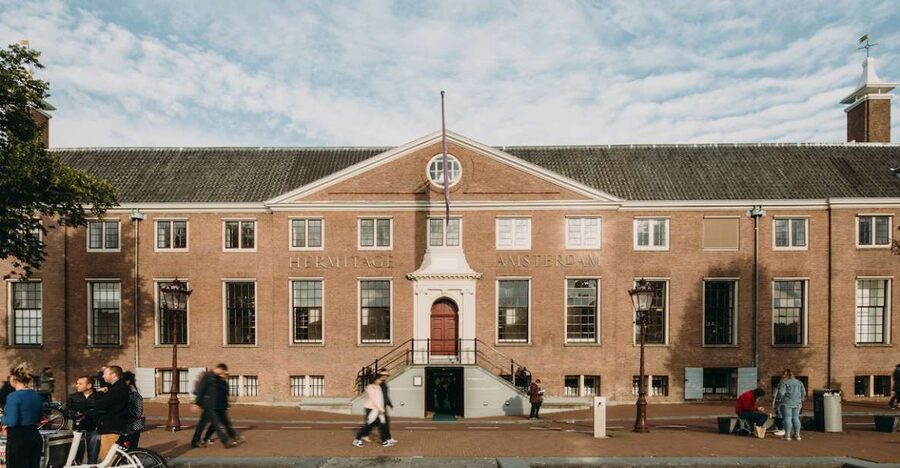
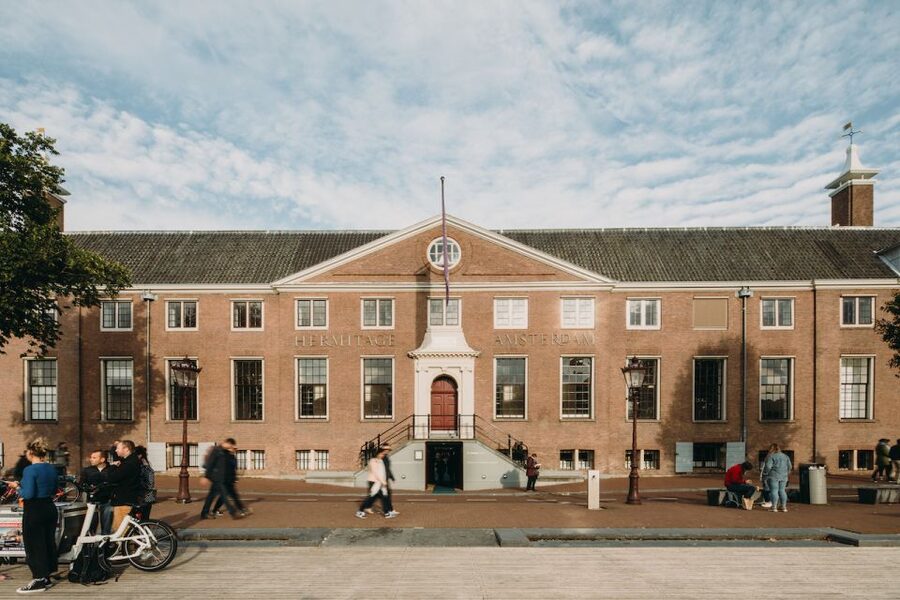
The first thing I’d notice is the museum’s setting. You’re on the Amstel, in the building of the Hermitage, which makes the whole visit feel grounded in real city life instead of something sealed off. It also explains why your ticket matters: you’re not just buying entry to a museum collection, you’re stepping into a current, temporary home.
The museum’s job is to explain Amsterdam through people and stories, not just objects. Expect multiple angles on how the city formed, how it worked, and how it keeps evolving. If you like museums that treat history as a conversation (not a lecture), you’ll feel at home here.
A few more Amsterdam tours and experiences worth a look



Ticket value at $23: audio tour and skip-the-line practicality
At about $23 per person, this is the kind of museum ticket that can make sense even if you’re on a partial schedule. The value comes from two things you actually use: an included audio tour and a ticket that helps you skip the ticket line.
That combination matters in Amsterdam. Even when a museum visit is short, waiting can eat your timing. With a timed entry (your ticket is valid for one day, with available start times), you can line up your day around the museum instead of building your day around the queue.
And you’re not stuck inside for hours. Based on how the experience is set up, it’s realistic to go through at a comfortable pace and still have energy left for nearby sights.
How the museum tells Amsterdam’s story: classic names meet modern voices
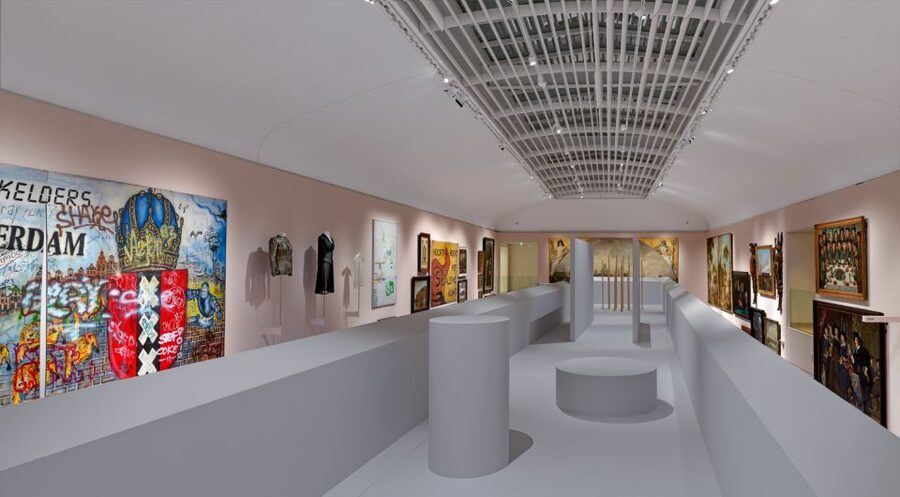
This is not a museum that only shows off famous paintings. The point is to connect well-known and forgotten stories into a bigger picture of the city and its inhabitants.
From icons like Rembrandt to everyday city perspectives
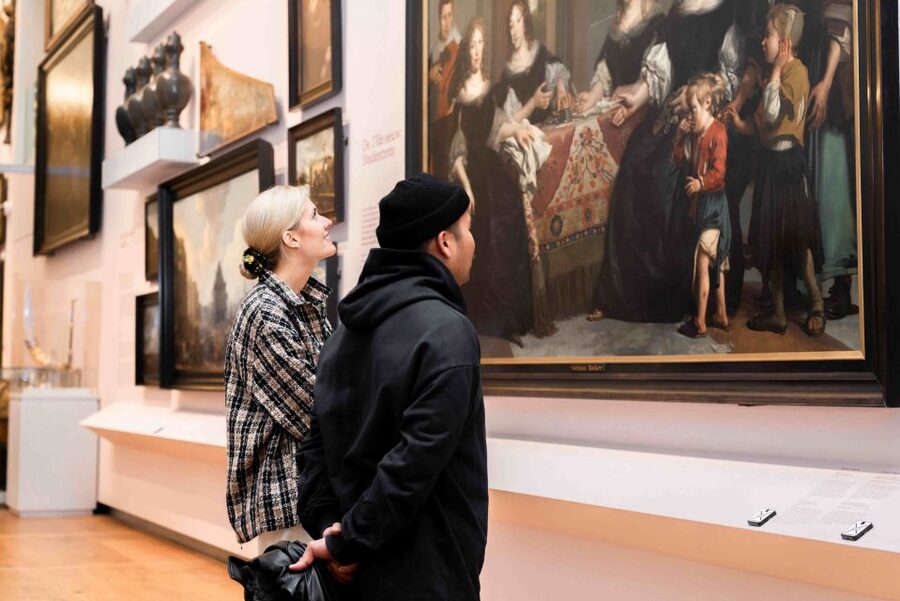
You’ll see classic icons from the city collection, including works associated with Rembrandt and Lingelbach. These are the names you’ll recognize, and they work as anchors: they help you connect Amsterdam’s visual identity to the actual people and times behind it.
But what I like is how the museum doesn’t stop at the recognizable faces. The presentation uses those classics to point you toward themes—work, community, identity, power—that keep showing up as Amsterdam changes.
Modern artists that shift the viewpoint
The museum also brings in contemporary voices, including artists such as Raquel Haver, Natasja Kensmil, and Brian Elstak. The effect is simple but powerful: it reframes Amsterdam as something still being written, argued, and reinterpreted.
If your usual museum habit is to rush through the older galleries and then slow down for modern work, you might enjoy this flow the other way too. Even if you’re not an art specialist, the museum uses modern artwork and newer perspectives to show how history keeps resurfacing.
You can also read our reviews of more museum experiences in Amsterdam






A museum built around disagreement, not just agreement
A big part of the museum’s current presentation is space for dissenting voices and lesser-known stories. That shows up in the way topics are presented: you don’t only get the tidy narrative. You get the sense that Amsterdam has multiple histories, depending on who’s telling them and what’s being emphasized.
That’s valuable for real-world travel. You’ll walk away with fewer myths and more nuance—without having to read a book you didn’t pack.
Temporary home during the Burgerweeshuis renovation: why the location changes the feel
Since March 2022, the Amsterdam Museum has been in a temporary location at the Amstel, in the building of the Hermitage. This is because of a large-scale renovation of the monumental Burgerweeshuis.
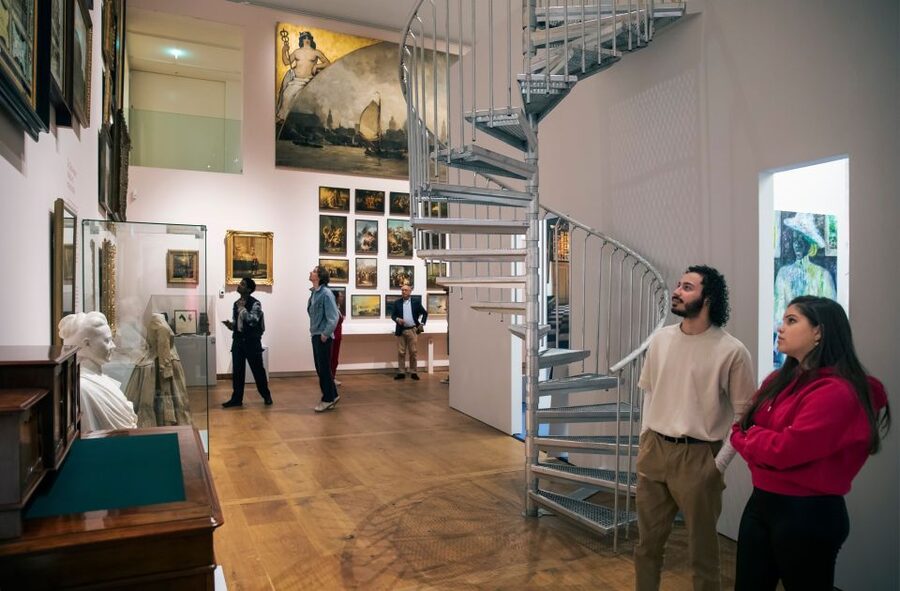
What that means for your visit: you’re seeing the museum in a moment of transition, and that transition seems to come through in the programming. The museum has a new range of exhibitions, plus public programmes and children’s activities. You can expect the space to feel more current and active than a purely archival setting.
The upside is you’re not just touring a static collection. You’re visiting a museum that’s actively rearranging itself to make room for different histories and new angles on the city.
Temporary exhibitions: the fastest way to see Amsterdam through today’s eyes
One of the most interesting parts is how temporary exhibitions let residents and lovers of the city show their Amsterdam. The museum uses well-known collection pieces and pairs them with new or less well-known works to keep the story from becoming locked in.
This is the section that can make your visit feel more personal. Even if you came for the classics, the temporary programming is where you’re more likely to catch yourself thinking: oh, so Amsterdam is still debating itself.
It’s also a smart choice if you’ve already seen other Amsterdam museums. A lot of cities repeat the same themes. Here, the museum’s insistence on multiple versions of Amsterdam helps you avoid the feeling of museum fatigue.
How long to plan: timing that keeps your day flexible
Your ticket is valid for one day, and available start times vary based on availability. That’s a good setup if your Amsterdam day is already full—say you’re balancing a canal cruise, a neighborhood wander, and a dinner reservation.
I’d plan it like this: give yourself enough time to listen and look at a steady pace, then keep the rest of the day open. The museum experience is designed so you can move through it without taking over your whole schedule, which is handy when you’re traveling with limited daylight.
Also, don’t underestimate arrival time. One practical note: people often say it can take a bit to find the exact spot when you first get there. Build in a small buffer and you’ll enjoy the visit more.
Practical comfort: staff help, audio flow, and where it fits around town
The audio process is included, and it’s one of the easiest ways to make the visit work. If you’ve ever walked into a museum and felt like you needed a guide to connect the dots, the audio tour helps you keep the thread.
I also like that the museum approach feels straightforward. The displays don’t demand that you be an art expert to understand what’s going on. Even if you’re more of a history-and-people visitor, you’ll get a lot out of the way the stories are tied to artworks and themes.
Finally, location can be a travel perk. The museum is in a very nice area on the Amstel, and it’s around the corner from a Holocaust memorial. That makes it easy to pair the museum with a thoughtful walk nearby, without having to add a long detour.
Who should book this museum, and who might skip it
This is a strong pick if you want:
- a short-to-medium museum visit you can fit into a day
- history told through art and competing perspectives
- a visit that includes both the famous (Rembrandt, Lingelbach) and the newer voices (like Haver, Kensmil, Elstak)
It might not be your best match if you only want a strict chronological history that reads like a textbook. This museum is more interested in how stories are told—and who gets to tell them—than in presenting one complete, linear timeline.
Should you book Amsterdam Museum entry?
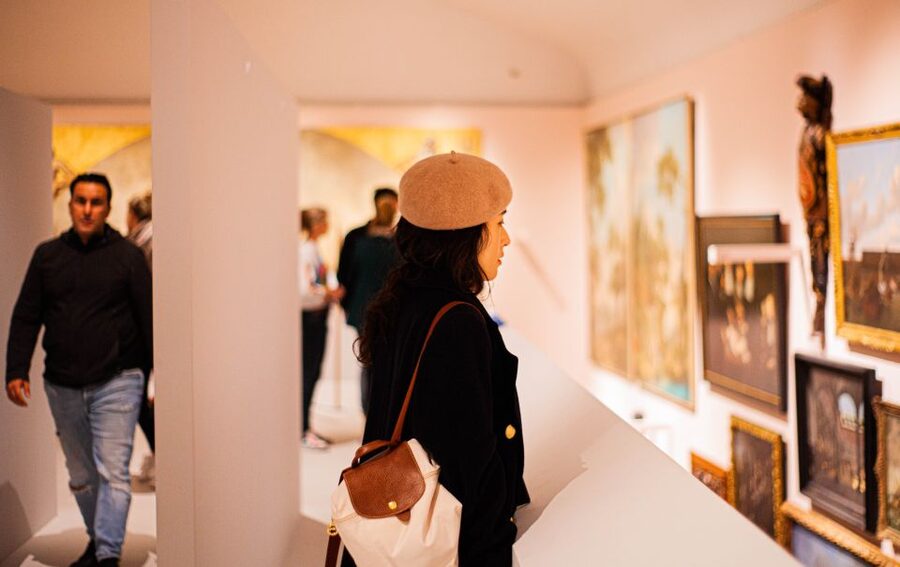
If you like Amsterdam with fewer clichés and more viewpoints, I’d book this. The included audio tour, the skip-the-line convenience, and the way the museum connects famous names to modern perspectives make it good value for the time you spend. At roughly $23, it’s a practical way to add depth to your trip without turning your day into a museum marathon.
If you’re deciding between museums, I’d choose this one when you want the city explained through people, art, and debate. Just arrive with a little patience for finding the entrance, and you’ll likely feel you got your money’s worth quickly.
FAQ
What is the Amsterdam Museum entry ticket?
It’s an entrance ticket to the Amsterdam Museum, with an included audio tour.
Where is the Amsterdam Museum located?
The museum is in North Holland, Netherlands, and since March 2022 it has been found on the Amstel in the building of the Hermitage.
How much does the ticket cost?
The price is listed as $23 per person.
How long is the ticket valid?
The ticket is valid for 1 day. You’ll need to check availability to see starting times.
Does the ticket include an audio tour?
Yes. An audio tour is included.
Is there a skip-the-line option?
Yes. The ticket includes skipping the ticket line.
Can I cancel for a refund?
Yes. Free cancellation is available if you cancel up to 24 hours in advance for a full refund.
Is there a reserve now, pay later option?
Yes. You can reserve now & pay later, which keeps your travel plans flexible.
Is the museum wheelchair accessible?
Yes. The experience is wheelchair accessible.
What artists or names might I see mentioned?
The museum highlights include artists such as Rembrandt and Lingelbach, plus modern artists including Raquel Haver, Natasja Kensmil, and Brian Elstak.