REVIEW · CHICAGO
American Writers Museum Admission Ticket
Book on Viator →Operated by American Writers Museum · Bookable on Viator
Writing history feels fun here. The American Writers Museum in Chicago turns literature into walk-around, hands-on storytelling, so you don’t need to be a scholar to get something out of it. I especially like the interactive exhibit style and the way Writers Hall connects authors to real places you can picture. One possible drawback: the museum is small, so if you love slow, deep reading, you might feel a bit overloaded unless you plan how long you want to stay.
If you book ahead, you can choose an entry time and match your visit to your day. That flexibility helps a lot, because the museum experience can run anywhere from a quick stop to a longer, multi-gallery wander—your schedule gets to lead.
In This Review
- Key Things You’ll Notice Right Away
- American Writers Museum: What You’re Really Buying for $16
- Pick Your Time: Self-Guided First, Then Add the 3pm Tour
- Entering the Museum: Writers Hall, Affiliate Homes, and a Chicago Sense of Place
- A Nation of Writers: American Voice Across History, Genre, and Medium
- The Mind of a Writer: How Writing Works (Without Feeling Like Homework)
- The Wintrust Chicago Gallery: Local Literary Tradition in Plain Sight
- My America: Immigrant and Refugee Writers Today (Temporary Exhibit)
- The Roberta Rubin Writers Room and The Tools of the Trade
- Guided Tour at 3pm: How to Make It Your Anchor
- When Chicago Readings Happen During Your Visit
- Who This Visit Works Best For
- Practical Tips That Make the Visit Smoother
- Should You Book the American Writers Museum Ticket?
- FAQ
- What is included with the American Writers Museum admission ticket?
- How long should I plan to spend at the museum?
- Do I choose my entry time?
- Is the ticket mobile?
- Is there parking included?
- Are guided tours included, and when do they run?
- Are service animals allowed?
- Is the museum accessible for visitors with mobility needs?
- What is the cancellation policy?
- Are tickets valid if my plans change?
Key Things You’ll Notice Right Away
- Mobile ticket convenience so you can roll straight in without printing anything
- A Writers Hall layout that anchors authors to their hometowns and affiliate homes
- Hands-on thinking areas like The Mind of a Writer where you learn by doing
- Chicago-focused gallery content at The Wintrust Chicago Gallery
- A temporary exhibit that highlights immigrant and refugee writers today
- Tools of the Trade in the Writers Room with writer-focused artifacts and inspiration
American Writers Museum: What You’re Really Buying for $16
At $16 per person, this is one of those Chicago museum prices that feels fair right away. You’re not just paying to look at text on walls. You’re paying to move through ideas—story craft, author perspective, and the way American voices show up across eras and formats.
The museum is designed so you can sample a lot of themes without needing background knowledge. If you’re coming with kids, or with friends who only half-read book reviews, you’ll still find interactive moments that help ideas stick. If you’re a lifelong literature person, you’ll likely enjoy the craft angle too—the way the museum shows writing as work, not magic.
Duration matters here. You can plan for roughly 1 to 5 hours. That wide window is a clue: this place rewards both quick curiosity and slower exploration. If you only have an hour, aim for the biggest exhibit rooms and the hands-on stops. If you have half a day, let yourself pause where the displays invite you to try something.
A few more Chicago tours and experiences worth a look



Pick Your Time: Self-Guided First, Then Add the 3pm Tour
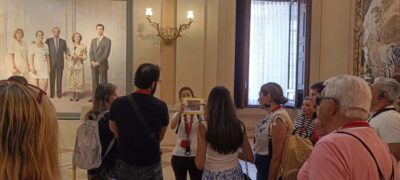
You can visit on your own, but there’s also a complimentary guided tour at 3pm daily when the museum is open. That timing is helpful because it gives you options. If you arrive before 3pm, you can get oriented, then join the guide. If you arrive closer to 3pm, the tour can be your main structure, and you can fill gaps afterward.
The tour group size is capped at 50 travelers, which usually means a less chaotic experience than the big, bus-style groups you sometimes see in museums. For me, the biggest benefit of a guided tour is focus: you hear how to connect exhibits to each other instead of collecting facts in random order.
Also, the ticket is mobile, so you can manage timing without hunting down paper tickets. And there’s a practical perk: you get a free bookmark gift, which is small but nice if you plan to buy something on-site.
Entering the Museum: Writers Hall, Affiliate Homes, and a Chicago Sense of Place
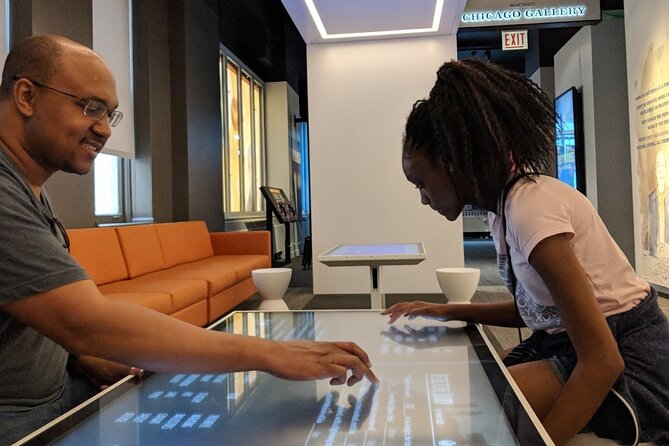
Your visit starts with Writers Hall, where the museum links authors to hometowns and the American Writers Museum affiliate homes. Even if you don’t know every name, the concept helps you see writers as real people shaped by geography, community, and time.
What I like about this approach is that it turns biography into a map you can walk. Instead of treating literature like a sealed museum artifact, it frames it like an American tradition with roots you can follow. You’ll also get a sense of how wide the museum’s net is—authors from different backgrounds and genres show up in one story of American voices.
If you’re the kind of person who likes to make a mental outline, start here. Writers Hall gives you the framework, so later exhibits feel connected rather than like separate rooms of facts.
A Nation of Writers: American Voice Across History, Genre, and Medium
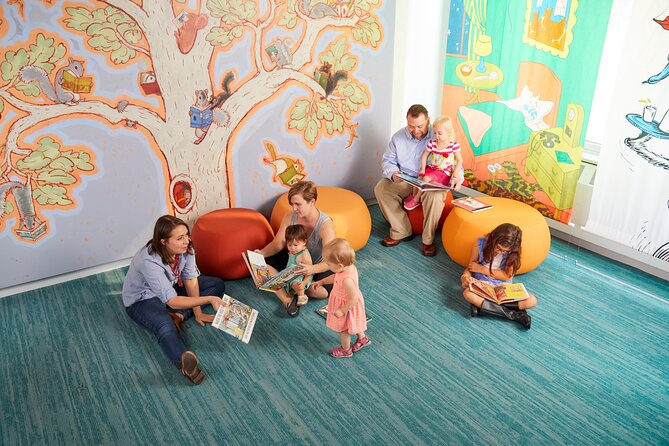
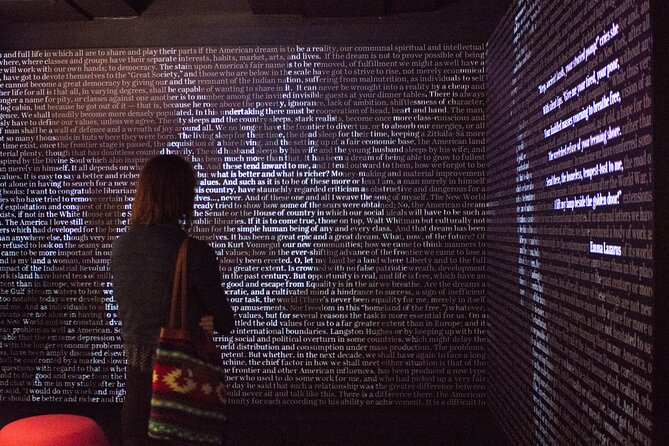
Next up is A Nation of Writers. This is where the museum leans into celebration and variety. You’ll see authors presented across history, genre, and mediums—so poets and sportswriters can sit inside the same big idea: a unique American voice.
This section works well because it avoids the one-size-fits-all approach to literature. Instead of asking you to define what counts as literature, it lets you watch how writing takes different shapes. That’s especially useful if your group includes people with different reading tastes.
A small planning note: if you’re prone to information overload, don’t try to absorb every detail in one pass. Pick 2 or 3 authors or themes that catch your eye and build from there. The museum’s design encourages curiosity, not memorization.
The Mind of a Writer: How Writing Works (Without Feeling Like Homework)
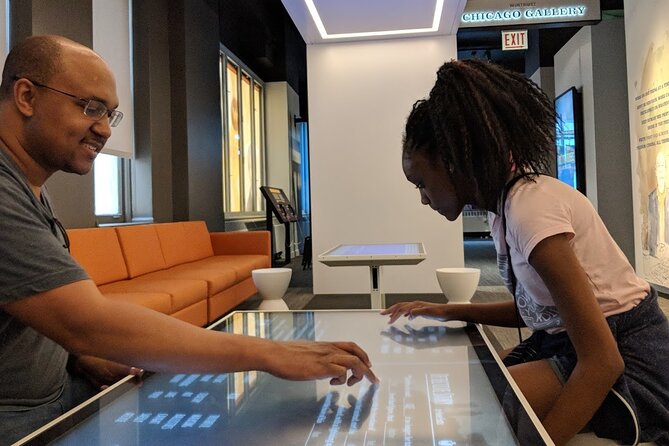
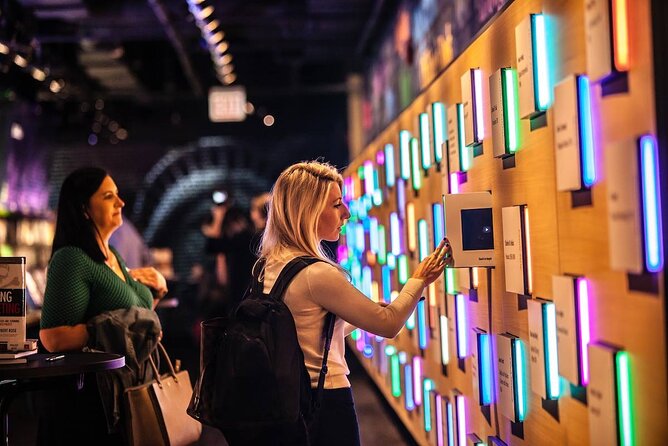
In The Mind of a Writer, the museum tries something smart: it demystifies the craft. You’ll see the methodologies behind famous writers’ work and how they approach creation. The best part is the playful format—games and immersive offerings help you experience the idea of writing strategies rather than just reading about them.
I like this because it treats writing as a process you can practice. Even if your own writing skills are rusty (or you just write grocery lists), you can still participate. This is the kind of exhibit that makes literature feel human.
One more bonus: it’s a good reset point in the visit. If you’ve been reading a lot of panels, the interactive style gives your brain a different mode.
You can also read our reviews of more museum experiences in Chicago





The Wintrust Chicago Gallery: Local Literary Tradition in Plain Sight
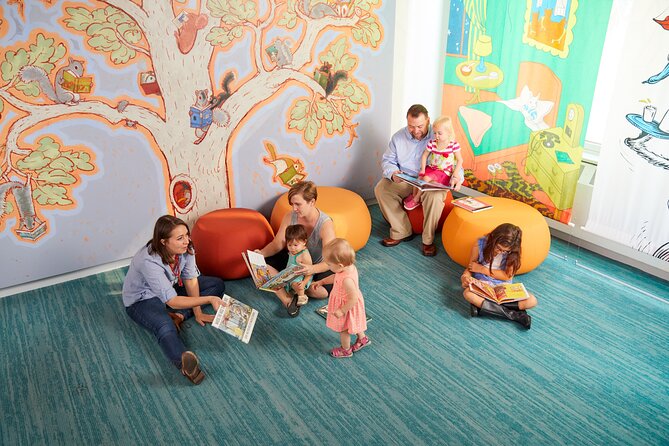
Then comes The Wintrust Chicago Gallery, focused on writers, literary influencers, characters, and groups that shaped the city’s literary tradition. This section is ideal if you’re visiting Chicago for the first time and want a deeper sense of what the city produced—not just architecture and food.
The value here is that Chicago gets treated like a literary engine. Instead of a single famous name, you get a wider ecosystem: people, communities, and themes that grew over time.
If you’re planning your day around Chicago landmarks, this gallery can help you understand how the city’s culture connects to the broader American story you’ve been learning about in earlier rooms.
My America: Immigrant and Refugee Writers Today (Temporary Exhibit)
In Meijer Gallery, there’s a temporary exhibit called My America: Immigrant and Refugee Writers Today. The focus is contemporary writing by immigrants, organized through different themes.
Temporary exhibits can be hit-or-miss at other museums, but this one fits the museum’s overall theme: the evolving voice of America. It gives you a chance to connect writing to lived experience right now, not only to the past.
If you want a modern anchor to balance older exhibits, plan your time so you don’t rush through this. You’ll get more out of it if you pause on themes that resonate—identity, displacement, community, and storytelling choices.
The Roberta Rubin Writers Room and The Tools of the Trade
One of the most satisfying parts of the museum experience is the Roberta Rubin Writer’s Room, centered on The Tools of the Trade. Here, the museum focuses on the tools writers have used through history, with examples such as Frederick Douglass, Helen Keller, and Maya Angelou.
This matters because it shifts writing away from inspiration-only thinking. Tools are a reminder that writing is craft: technique, habits, and whatever practical methods a writer needed to do the work.
In the same spirit, some visitors highlight the presence of vintage typewriters and interactive moments connected to them. If you see the typewriter display areas, spend a few minutes there. They’re the kind of detail that makes the museum feel tactile and real, not just informational.
Also, if you’re into collecting small keepsakes, you may find yourself tempted by notebooks or journals on-site. One visit included buying a repurposed journal and using it right away, which is a fun sign the museum wants you to take writing home.
Guided Tour at 3pm: How to Make It Your Anchor
If you can make the 3pm guided tour, I’d treat it as your backbone. Arrive a little early and then let the guide connect the rooms. That way you’re not wandering aimlessly and then realizing you missed the best connections.
Because the museum limits group size to 50 travelers, the tour should feel manageable rather than rushed. Still, guided tours can move at a steady pace. If you’re a slow reader, don’t be afraid to do a second pass afterward—especially around the exhibits you liked most.
When Chicago Readings Happen During Your Visit
Museums don’t always feel like they’re connected to today. This museum can change that on certain days, when readings or author events pop up. One visit described catching a reading by Ziggy and Orly Marley, followed by book signing opportunities.
Don’t count on events as your main plan, since programming timing can vary. But if you’re flexible, it’s worth checking what’s happening around your visit date. Even one live author moment can make the whole museum feel more alive.
Who This Visit Works Best For
This is a great fit if you:
- Love literature but prefer hands-on learning over long text panels
- Want a Chicago culture stop that’s more specific than general sightseeing
- Travel with teens or curious kids who learn better by participating
- Appreciate writing as craft, not just finished books
It’s also a good pick if you’re short on time and want a clear experience. The layout is focused enough that you can build a plan in your head.
And it’s not as ideal if your idea of a museum is slow, quiet, line-by-line reading. The museum can feel information-heavy in a limited footprint. That’s not bad—it just means you should pace yourself and choose priorities.
Practical Tips That Make the Visit Smoother
Here’s how I’d set you up for an easy day:
- Decide your visit length up front: 1 to 5 hours is wide, so choose the pace that fits
- If the 3pm guided tour matters, plan your arrival with time to see some exhibits first
- Bring a curious mindset for interactive sections—games and writing prompts are part of the value
- Expect parking is not included, so plan around public transportation
- Use the mobile ticket and keep your phone charged for entry
- If you buy something, remember you’re walking through a museum—light packing helps
For accessibility, the museum states it offers button-activated doors at the entrance, elevator access to the second floor, and a large gender-neutral family restroom with wide stalls and grab bars. Service animals are allowed too.
One more thing to keep you calm: tickets are valid for a year from the original date, which gives you flexibility if your trip shifts.
Should You Book the American Writers Museum Ticket?
I’d book it if you want a museum that treats writing like an active human process. The interactive exhibits, the Chicago-specific gallery focus, and the craft-centered Tools of the Trade setup make it feel worth the money even if you’re not a deep literature specialist. At $16, you’re paying for participation, not just display cases.
Skip it only if you strongly prefer long-form reading in a quiet space and don’t want to engage with interactive elements. Also, if you’re expecting a huge museum campus with lots of separate neighborhoods, this one is more compact and concentrated.
If your group includes different ages or reading interests, this museum is one of those rare stops where everyone can find their own doorway into the same story. Book a time that matches your energy level—then let the exhibits guide your route.
FAQ
What is included with the American Writers Museum admission ticket?
The ticket includes admission to the museum. It also includes a complimentary guided tour at 3pm daily when the museum is open, plus a free bookmark gift.
How long should I plan to spend at the museum?
Plan for about 1 to 5 hours, depending on how much you want to explore and whether you join the 3pm guided tour.
Do I choose my entry time?
Yes. The experience lets you pick an entry time that works with your schedule.
Is the ticket mobile?
Yes, you receive a mobile ticket.
Is there parking included?
No. Parking is not included.
Are guided tours included, and when do they run?
Yes. Complimentary guided tours run at 3pm daily when the museum is open.
Are service animals allowed?
Yes, service animals are allowed.
Is the museum accessible for visitors with mobility needs?
The museum offers button activated doors at the entrance, elevator access to the 2nd floor, and restroom support including a large gender-neutral family restroom with wide stalls and grab bars.
What is the cancellation policy?
You can cancel for a full refund up to 24 hours before the experience start time. If you cancel within 24 hours, the amount paid is not refunded.
Are tickets valid if my plans change?
Yes. Tickets are good for a year from the original date.