REVIEW · ST AUGUSTINE PIRATE TREASURE MUSEUM
St. Augustine Pirate and Treasure Museum Tickets
Book on GetYourGuide →Operated by St. Augustine Pirate & Treasure Museum · Bookable on GetYourGuide
A Jolly Roger you can almost feel. This interactive St. Augustine stop puts you on a ship-like path through authentic pirate artifacts and hands-on set pieces, including one of the world’s only original Jolly Roger flags. I love that it mixes big-name pirate legends with real recovered items, and you get a proper treasure hunt vibe thanks to the map and the Discovery Drawers.
Two more things I really like: you can physically interact with select exhibits (including firing a cannon and touching a centuries-old chest), and the “below deck” section turns the Blackbeard story into a dramatic, cinematic moment created by Disney Imagineers. The only drawback to plan for is time: the ticket is timed at about 1 hour, so if you’re a slow reader or you want to do every audio prompt twice, you may feel slightly rushed.
In This Review
- Key highlights worth your attention
- Pirate Museum Tickets in St. Augustine: What You Really Get for $14
- How the Museum Feels: Ship-Shaped Layout and Interactive Exhibits
- Must-See Stops: Jolly Roger Flag, Book of Pirates, and Treasure Drawers
- Hands-On Moments: Cannon, 400-Year-Old Chest, and a Real Gold Bar
- Below Deck for Blackbeard’s Demise: The Disney Imagineering-Style Scene
- The Execution Dock and Pirate Lore: Why It Works for Families
- Treasure Hunt Strategy: How to Use the Map Without Losing Time
- Timing, Parking, and Booking Smart in St. Augustine
- Who This Is For (and Who Might Want a Different Plan)
- Should You Book This Tour or Skip It?
- FAQ
- How long is the St. Augustine Pirate and Treasure Museum ticket experience?
- How much are tickets?
- Are children’s tickets cheaper?
- Is the tour self-guided?
- Where is the museum located?
- Is there free cancellation?
- Can I reserve now and pay later?
- Is the museum wheelchair accessible?
- Where should I park?
Key highlights worth your attention
- One of the world’s only original Jolly Roger flags flapping again in your imagination
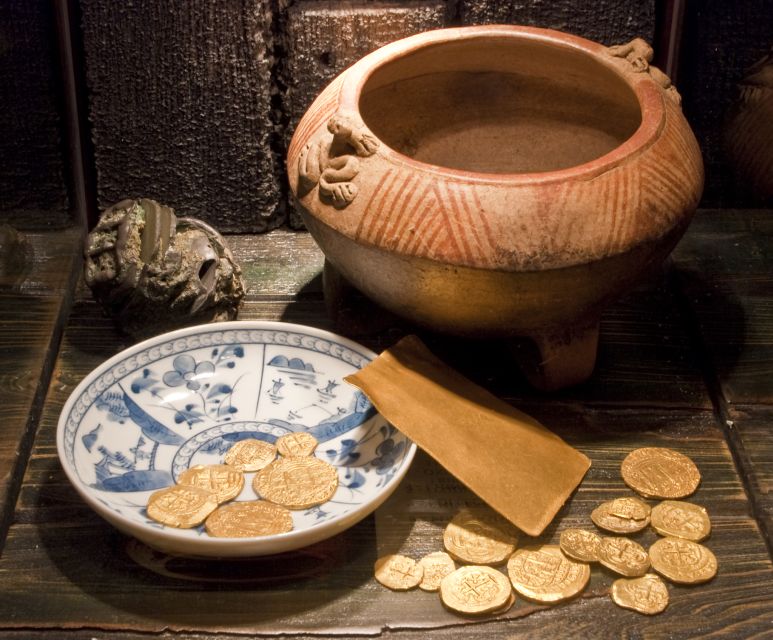
- Discovery Drawers with real artifacts hidden around the museum
- Florida shipwreck treasures tied to the Florida Division of Historical Resources
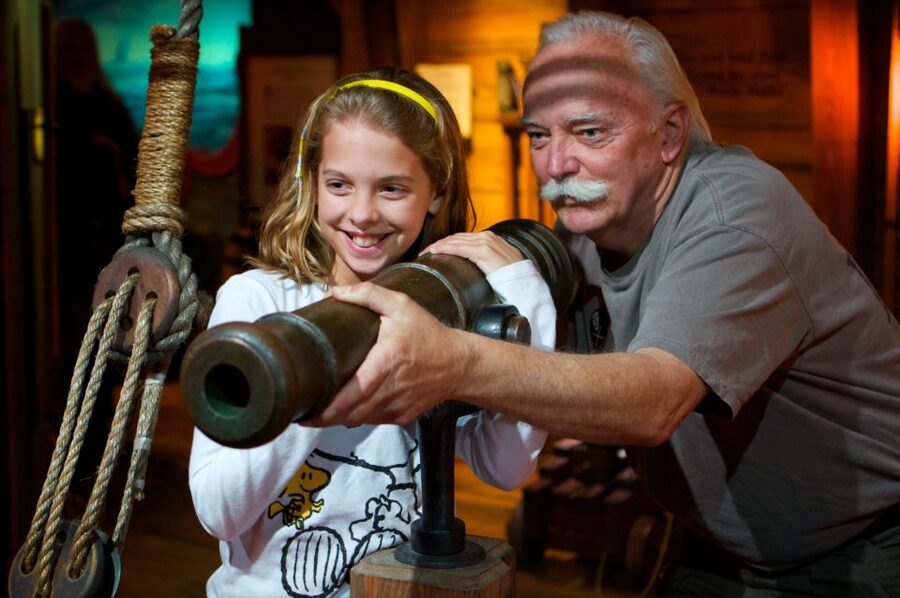
- Hands-on moments like touching a 400-year-old treasure chest and firing a real cannon
- Blackbeard’s demise below deck, created by Disney Imagineers
Pirate Museum Tickets in St. Augustine: What You Really Get for $14
For $14 per person, you’re not buying a passive walk-through. You’re buying a fast, active hour of pirate history with real objects and real “try this” moments. It’s one of those places where the price makes sense because the museum doesn’t rely only on props; it leans on recovered treasure pieces and interactive exhibits that keep kids and adults moving.
If you’re traveling with younger kids, the ticket math gets even better: children are half price. Even if you’re paying adult rates, the value is in pacing. With only about an hour, the museum pushes you to choose what to focus on, instead of letting you drift. I like that. You get momentum.
How the Museum Feels: Ship-Shaped Layout and Interactive Exhibits
The museum is designed like a ship experience, so you naturally move deck-to-deck without needing to hunt for your next stop. That ship-like setup matters more than it sounds. It keeps the theme consistent while you look at flags, weapons, documents, and shipwreck finds.
Expect audio and visual features built to hold attention. You’ll run into computer-generated articles you can listen to, plus sound effects that make scenes feel less like museum labels and more like a story. One review mentioned the sound effects helped tighten the drama, which tracks with the way the exhibits are staged.
Also, don’t ignore the small reading and listening prompts. The museum gives you enough info to make the artifacts feel connected, not random. If you skim, you’ll still have fun. If you slow down, you’ll get more out of the details.
Must-See Stops: Jolly Roger Flag, Book of Pirates, and Treasure Drawers
Your first wow moment is the Jolly Roger flag. You’re not just seeing a generic pirate symbol. The museum highlights one of the world’s only original Jolly Roger flags that once flapped in violent sea air. Whether you know pirate history already or you’re coming in as a casual fan, it hits because it feels tangible and specific.
From there, keep an eye out for the Book of Pirates exhibit. It’s part of the museum’s interactive storytelling approach, so it’s not just a display case. Think of it as a hub for pirate legends and the kind of facts you can actually remember later.
Then comes the Discovery Drawers, which are the museum’s clever move. Grab your treasure map and look for these drawers placed around the space. They add a game layer without turning the whole visit into noise. Adults get to explore like normal. Kids get the extra chase. The result is a visit that feels purposeful rather than purely observational.
Hands-On Moments: Cannon, 400-Year-Old Chest, and a Real Gold Bar
This is where the museum gets real in a hurry. The attraction isn’t shy about hands-on experiences, and the exhibits are built around a few big-ticket sensations.
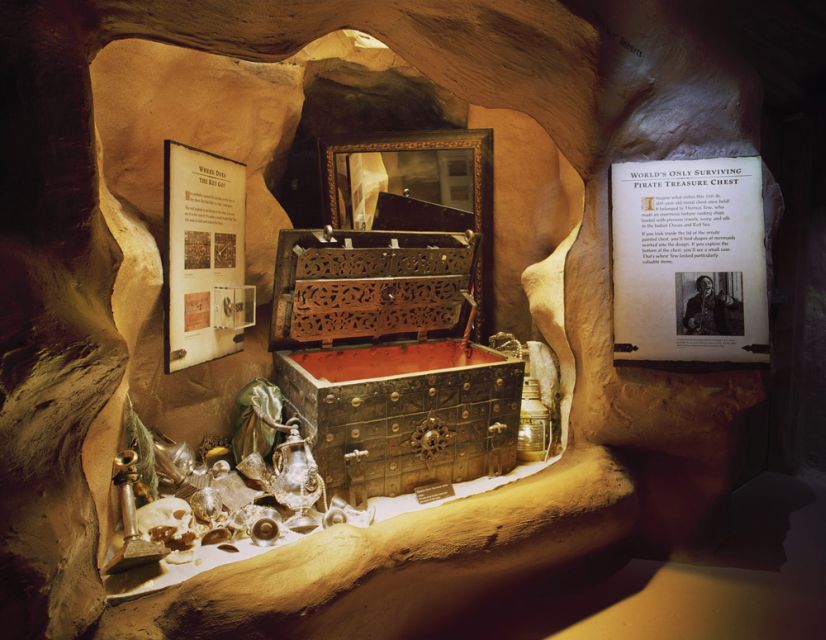
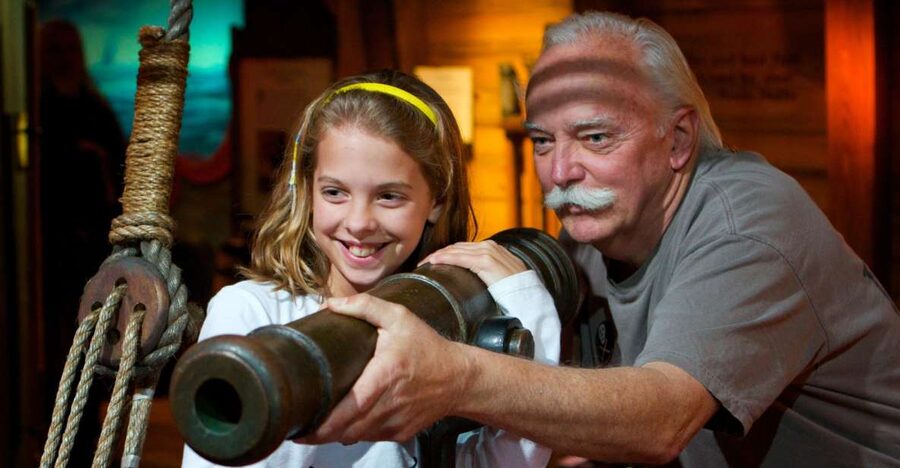
You can fire a real cannon—yep, that kind of hands-on moment. If you’re sensitive to noise, this is worth considering. The museum also gives you the chance to touch a 400-year-old treasure chest. That’s the kind of interaction that sticks with you because it turns history into something physical.
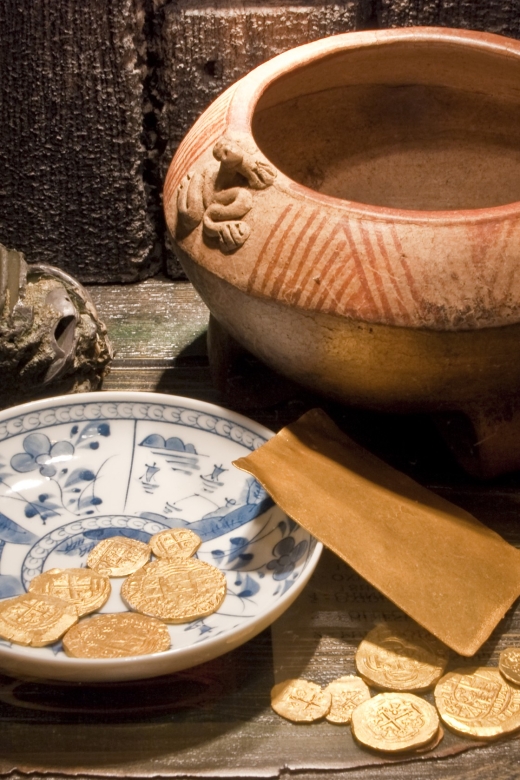
Another standout is the real gold bar recovered from the Spanish galleon Santa Margarita, which sank around 1622. This is the sort of exhibit that makes the pirate theme feel grounded. It’s not only about swashbuckling stories; it’s about what happens when ships wreck, artifacts survive, and historians piece together the aftermath.
And if you like museum experiences that feel both playful and historically meaningful, you’ll appreciate that the “big fun” moments sit next to shipwreck treasures from the Florida Division of Historical Resources. It helps the museum avoid the usual trap: theme without substance.
Below Deck for Blackbeard’s Demise: The Disney Imagineering-Style Scene
The below-deck part is designed for goosebumps. You travel downstairs for the spine-tingling experience of Blackbeard’s demise, created by Disney Imagineers. Even if you’ve seen pirate scenes in movies before, this is meant to feel like the story is happening near you.
What I like about this segment is that it provides an emotional peak late in the visit, so you’re not just “learning,” you’re also feeling something. After you’ve seen flags, treasure, and recovered objects above deck, the drama of the Blackbeard scene gives the visit an ending that feels like a payoff.
Try not to rush through it. The value here is pacing. You want to arrive at the scene after you’ve built context, so the narrative lands harder.
The Execution Dock and Pirate Lore: Why It Works for Families
As you move through the museum, you’ll explore the execution dock area. That topic can sound heavy, but in the museum setting it’s handled as part of the broader pirate story framework—an explanation of how piracy was punished and why these legends spread.
For families, that’s exactly what helps. The museum gives kids a memorable theme while giving adults enough context to avoid feeling like it’s only for youngsters. One review noted that it works well for both kids and adults, and you can see why: the exhibits don’t talk down, but they also don’t require advanced reading to enjoy.
If you’re visiting with children, look out for staff and costumed pirate moments. The museum info says you may even meet a pirate if you’re lucky, and one review mentioned a costumed pirate interacting during a group’s visit. That kind of surprise interaction can turn a good visit into a great memory for kids.
Treasure Hunt Strategy: How to Use the Map Without Losing Time
Here’s how I’d approach the treasure hunt so you don’t end up zigzagging in circles. First, start with the “must-see” items that anchor the theme: the original Jolly Roger flag and the Book of Pirates. Those give you the context you’ll need to understand what you’re looking at when you find hidden artifacts.
Then use the map to guide you toward the Discovery Drawers. The key is to treat the drawers like checkpoints, not like homework. Once you locate one, move on. You can always go back if you have extra minutes.
Because the visit is about 1 hour, your best plan is to accept that you’re doing a curated sweep of the museum’s highlights—hands-on moments, major artifacts, and the big story beats. That’s not a limitation. It’s the design.
Timing, Parking, and Booking Smart in St. Augustine
The museum operates every day except Christmas Day. Most days, it’s a straightforward slot: pick a start time that fits your day in St. Augustine, then plan for around an hour.
Parking is a practical consideration. There’s parking at the St. Augustine Downtown Parking Facility at 10 West Castillo Drive, and there is limited parking at the Castillo de San Marcos across the street. If you’re visiting on a busy day, plan to arrive with a little buffer so you’re not rushing from the lot to the entrance.
Booking is easy and flexible. You can reserve now and pay later, and cancellation is free up to 24 hours in advance. That makes it a good choice if your day includes other St. Augustine stops and you want flexibility.
Who This Is For (and Who Might Want a Different Plan)
This ticket is ideal if you want an interactive museum experience that’s strong on tangible artifacts and hands-on features. It’s also a great fit for families because the museum is set up to keep kids engaged without turning the adults’ visit into a side quest.
If your goal is a quiet, slow-paced academic museum experience with lots of uninterrupted reading time, you might find the 1-hour structure limiting. But if you like museums where you can touch, listen, and move through scenes, it’s a strong match.
Pirate fans should also take note of the authenticity angle. The museum highlights a large collection of authentic pirate artifacts—over 800—and ties discoveries to Florida historical sources. That mix of legend and evidence is what gives the museum credibility.
Should You Book This Tour or Skip It?
I’d book it if you want a fun, family-friendly St. Augustine activity that doesn’t feel like a theme park copy. The $14 price is easier to justify because the museum delivers multiple “real deal” interactions: the cannon, the 400-year-old chest, and the recovered gold bar from the Santa Margarita. Add the original Jolly Roger flag and the below-deck Blackbeard scene, and you get more than a generic pirate exhibit.
Skip it only if you know you can’t handle interactive noise, quick pacing, or if you prefer longer museum time slots. Otherwise, this is one of those places where you walk in expecting pirates and walk out feeling like you learned something real.
FAQ
How long is the St. Augustine Pirate and Treasure Museum ticket experience?
The self-guided tour is about 1 hour.
How much are tickets?
Tickets are $14 per person.
Are children’s tickets cheaper?
Yes. Children’s tickets are half price, and you’ll see the adjustment during checkout.
Is the tour self-guided?
Yes. Your ticket includes a self-guided tour of the museum.
Where is the museum located?
The meeting point is 12 South Castillo Drive, St. Augustine FL 32084.
Is there free cancellation?
Yes. You can cancel up to 24 hours in advance for a full refund.
Can I reserve now and pay later?
Yes. The listing offers reserve now & pay later, meaning you can book your spot and pay nothing today.
Is the museum wheelchair accessible?
Yes. The museum is wheelchair accessible.
Where should I park?
You can park at the St. Augustine Downtown Parking Facility at 10 West Castillo Drive, and there is limited parking at the Castillo de San Marcos across the street.