
REVIEW · CHICAGO
Chicago: Museum of Illusions Timed Entrance Ticket
Book on GetYourGuide →Operated by Museum of Illusions Chicago · Bookable on GetYourGuide
One more stop in Chicago that messes with your eyes.
With a timed entrance ticket, the Museum of Illusions Chicago turns perception into a full-on activity, with more than 60 exhibits and plenty of picture-perfect moments.
I like how hands-on it all is—this isn’t just watching. You get interactive rooms like the Tilted Room and the Ames Room, plus pose-friendly illusions such as the Beuchet Chair and Clone Table. And I also like the setup at the end, where the Smart Playroom adds memory and cognition puzzles instead of sending you straight back out.
The main drawback is simple: it’s not a long museum day. You should plan for about 45 to 60 minutes inside, and you won’t be able to stretch it into an all-day stop without getting a lot of repeats.
In This Review
- Key points before you go
- Museum of Illusions Chicago: the quick reality check
- Where the museum fits in the Chicago Loop
- What you’ll do inside: illusions that feel like puzzles
- The big illusion rooms you’ll hear about
- Photo-ops that don’t feel staged
- A practical photo tip
- The Smart Playroom: when the fun turns into thinking
- Timing your visit: why 45–60 minutes is actually a plus
- What to know about rules and supplies
- Is it worth $40? A value check you can trust
- Who this museum is best for
- Should you book the Museum of Illusions timed ticket?
- FAQ
- How long is the Museum of Illusions Chicago visit?
- Is the ticket valid only for the time I book?
- What’s included with the timed entrance ticket?
- Are children 4 and under free?
- Is food and drinks allowed inside?
- Where do I check in when I arrive?
- Is the museum wheelchair accessible?
Key points before you go

- Timed entry helps you start when you chose, so you’re not stuck waiting to play
- 60+ exhibits with interactive rooms like the Infinity Room and Vortex Tunnel
- Photo-ops built into the illusions, from walking-on-walls effects to clone-style posing
- Smart Playroom adds a second layer: memory, cognition, and friendly competition
- Helpful staff, including support with photos when you ask
- No food or drinks allowed, so plan snacks elsewhere in the Loop
Museum of Illusions Chicago: the quick reality check
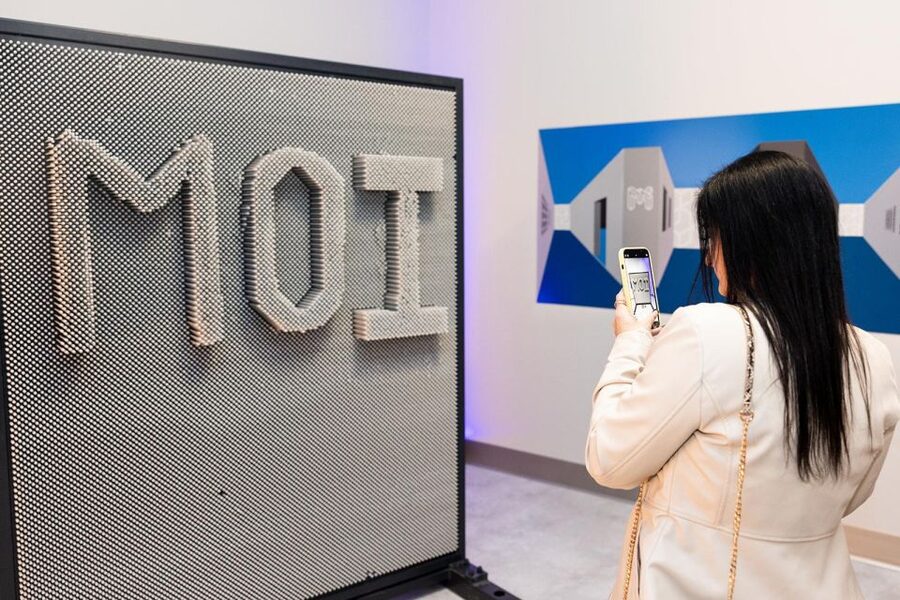
Chicago has no shortage of museums. This one is different. The Museum of Illusions Chicago is built around a basic idea: your eyes report, your brain edits, and the two don’t always agree.
That matters because you don’t just look at art here—you test your brain. You’ll stand in a room, follow a visual rule that seems obvious, and then watch your body react to something your brain can’t quite explain. The fun is that you’re not doing it alone; you’re doing it in public, in motion, and with plenty of chances to capture the moment.
This also makes it a solid “value” stop. At around $40 per person for a short visit, you’re paying for multiple interactive zones—not a long exhibit crawl where you might rush through. If your time in the Loop is limited, timed admission can feel like the right kind of purchase: quick entry, short commitment, lots of laughs.
A few more Chicago tours and experiences worth a look


Where the museum fits in the Chicago Loop

The museum sits in the heart of the Chicago Loop, which is exactly where you want a playful indoor activity. If you’re already walking around downtown—shopping, grabbing a bite, checking out architecture—you can slip this in without a long transit plan.
Practically, this location also affects your timing. A 45–60 minute visit means you can pair it with other downtown stops before dinner or after. It’s the kind of ticket that works whether you’re traveling solo, in a couple, or with kids who need something that doesn’t require long patience.
You check in at the front desk and mention your booking name. Simple. It’s also an easy place to manage a group because the start point is clear and the experience is self-paced once you’re in.
What you’ll do inside: illusions that feel like puzzles

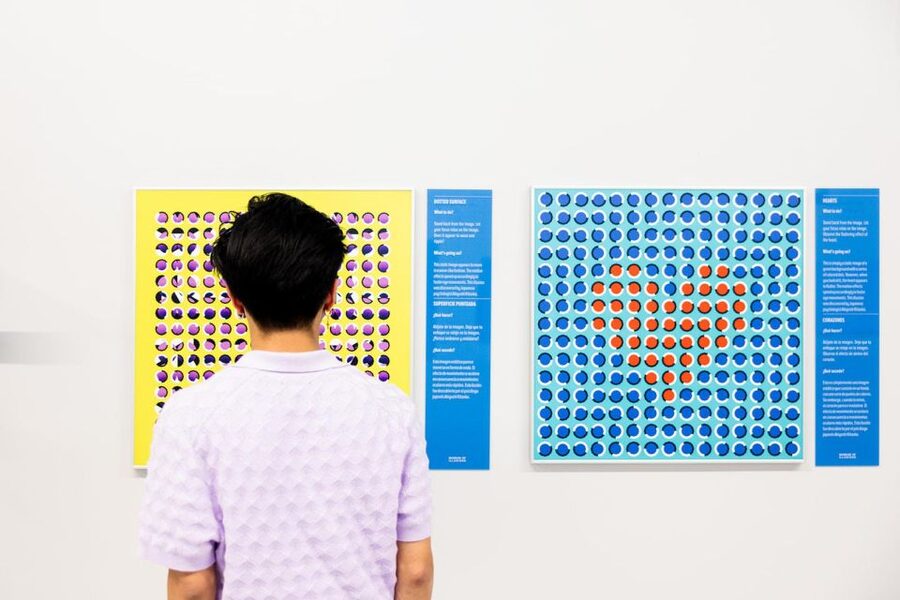
The museum’s floor plan is basically a chain of challenges for your perception. Each exhibit tries to trick one part of your visual system—depth, scale, perspective, motion, or body orientation. That’s why it’s fun even if you don’t remember all the names afterward. Your brain will remember the experience.
You can expect more than 60 exhibits, including hologram-style effects, stereograms, optical illusions, and immersive rooms designed to tease the senses. Some areas are built for movement, others for posing, and a few for slowing down to figure out why your eyes disagree with your thoughts.
The big illusion rooms you’ll hear about
These are the rooms you’ll likely spend the most time on, because they’re both memorable and very photo-friendly:
- Tilted Room: makes you feel like gravity has changed. You’ll likely take multiple attempts at “catching” the effect, because the pose you choose changes how wrong everything looks.
- Ames Room: the scale illusion that makes people look like they’re growing or shrinking depending on where they stand.
- Rotated Room: the “walk on walls” vibe. Your feet will tell you one story; your eyes may tell a different one.
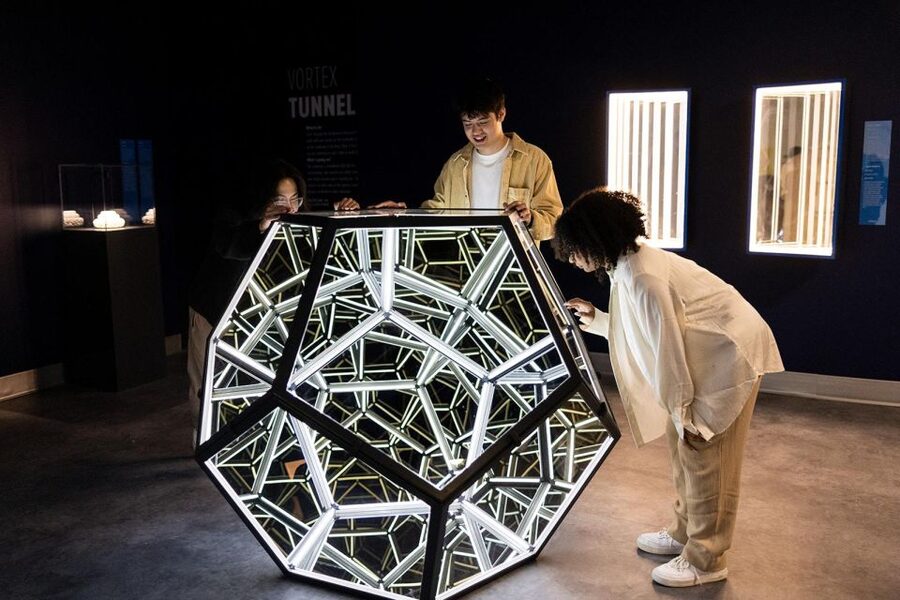
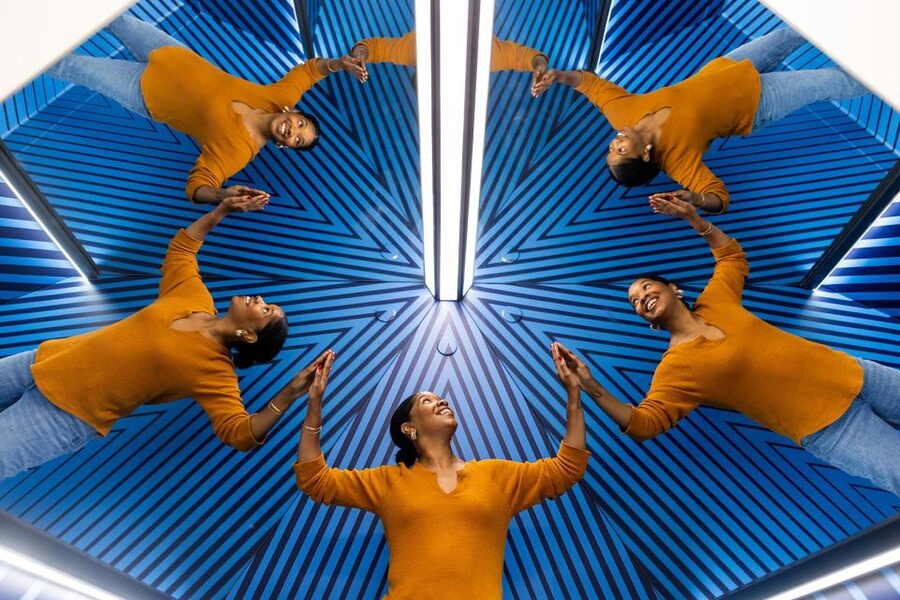
- Infinity Room: creates the feeling of endless space—great for photos because it adds that dramatic depth instantly.
- Vortex Tunnel: a visual trap that can make you feel pulled or spun, even when you’re not.
- Beuchet Chair: the chair illusion that makes your body look strangely proportioned.
- Clone Table: the doppelgänger-style effect where you line up with your visual twin.
The best part is how the museum moves you along these spaces. You’re not stuck reading long labels before you get to play. You’ll notice that you naturally start explaining the trick to whoever you’re with—like you’re giving a quick demo, even if you can’t fully solve it.
Photo-ops that don’t feel staged

Yes, the museum is photo-friendly. But what works here is that the best pictures are built into the illusion itself. Instead of hunting for “Instagram angles,” you’re standing inside the effect.
In particular, the rooms that involve strong perspective—like the Infinity Room and the Rotated Room—tend to create results fast. You don’t need a pro setup. Step in, pick a spot, try a pose, and the illusion does the heavy lifting.
I also like that the museum staff are ready to help with photos. Several visits note that staff members are available and attentive, including guidance for solo travelers who might want a second set of eyes or a quick photo taken at the right moment. If you’re going with a partner or family, it’s smart to schedule one “swap” round: one person takes photos, then switch so everyone gets in.
You can also read our reviews of more museum experiences in Chicago





A practical photo tip
Give yourself a few “retries” per room. Optical illusions often depend on your exact position, and small changes can make your picture look noticeably better.
The Smart Playroom: when the fun turns into thinking
After the visual rooms, you get a second kind of challenge in the Smart Playroom. This is where the museum shifts from perception tricks to memory, cognition, and problem-solving.
What I like about this section is that it doesn’t feel like a random add-on. It’s a clear continuation of the theme: how your brain stores info, how it reacts under pressure, and how easily your memory can be fooled. You can treat it as a mini game arena rather than a quiet exhibit.
The Playroom also supports friendly competition. If you’re with family or friends, it’s the easiest way to get everyone involved without needing a big explanation. And if you’re traveling with kids, this can be the portion that keeps their attention after the novelty of the big rooms.
Some people also highlight puzzle elements at the end as an extra bonus. So if you have a timed ticket, don’t race straight through the last area. Give yourself enough time to do it without rushing.
Timing your visit: why 45–60 minutes is actually a plus
You might see this as a limitation. I see it as a way to control your day. When you have a short indoor window, you’re less likely to get burned out and more likely to enjoy the museum at a normal pace—wander, play, pose, reset.
Plan for 45 to 60 minutes inside. If you’re visiting with kids, build in a little buffer because they’ll want to repeat the most dramatic rooms. If you’re going solo, you can still move efficiently, but remember that interactive spaces are slow in the best way: you’re trying to beat the illusion with your own body position.
Also, your ticket is only valid for the booked date and time. That makes timing important, but it also helps you avoid unnecessary waiting once you arrive.
What to know about rules and supplies

Two simple things shape your experience more than people expect:
- No food or drinks allowed in the museum. Plan to eat before or after. Chicago has plenty nearby, especially in the Loop.
- Bring a smartphone or camera. The museum is built for eye-fooling photos, so if you leave it behind, you’ll miss half the point.
If you’re the type who likes to take a lot of pictures, you’ll enjoy this. If you hate photos, you can still have fun—just focus on the physical actions in each room instead of the camera moments.
There’s also a Smart Shop onsite. It’s a place to buy games and MOI merchandise, including items related to the Smart Playroom activities. If you want to take a little science trick home, this is where you can do it without hunting online later.
Is it worth $40? A value check you can trust
At $40 per person, this isn’t a bargain-basement museum ticket. You’re paying for several things at once:
- A high concentration of interactive illusions (more than 60 exhibits)
- Special rooms with strong visual effects that are hard to replicate elsewhere
- A second experience layer in the Smart Playroom
- Short visit length that can slot easily into a downtown day
So the value really depends on your travel style.
If you’re the kind of traveler who likes hands-on experiences, likes goofy photos, and enjoys quick brain-bending activities, this can feel like good money spent. If you prefer deep, text-heavy museums and long galleries, you might feel the visit is too short or too playful for your taste.
The price also makes sense in a city where many attractions are priced similarly or higher—and many of them require longer time commitments. Here, you’re buying a tight, fun loop of experiences you can complete without losing an entire afternoon.
Who this museum is best for

This is one of those attractions that works across ages, as long as you’re okay with “play” being part of the structure.
- Families: The highlight rooms are built for kids and adults together—gravity-defying, scale tricks, and walking-on-walls effects.
- Groups of friends: Competitive Smart Playroom games are a natural icebreaker.
- Solo travelers: You can still have fun, and staff support for photos can help if you want images of your own attempts.
- Adults who like science without lectures: The museum’s whole point is explaining how perception works, but in an active way.
If your group includes people who get annoyed by interactive exhibits or prefer quiet spaces, you might want to consider pacing. You can still enjoy it, but it won’t be a serene museum day.
Should you book the Museum of Illusions timed ticket?
I’d book it if you want a short, high-activity stop in the Chicago Loop and you’re drawn to interactive optical illusions. The combination of big named rooms (Tilted, Ames, Infinity, Vortex, and more) plus the Smart Playroom gives you variety within a compact visit window.
Skip it if you’re looking for a long, gallery-style museum experience, or if the idea of photo-friendly illusions doesn’t sound appealing. Also, remember the no food or drinks rule—if your group needs frequent snacking inside, plan accordingly outside.
If you’re flexible on timing, choose a slot that fits your day so you don’t feel rushed. And if you’re going with kids, pick a time when they’ll be at their best energy level. This museum rewards that.
FAQ
How long is the Museum of Illusions Chicago visit?
Plan for about 45 to 60 minutes inside the museum.
Is the ticket valid only for the time I book?
Yes. Your ticket is valid only for the date and time you booked.
What’s included with the timed entrance ticket?
The entrance ticket includes admission to the Museum of Illusions Chicago and all exhibitions.
Are children 4 and under free?
Yes. Children 4 and under are free and do not need a ticket.
Is food and drinks allowed inside?
No. Food and drinks are not allowed.
Where do I check in when I arrive?
Check in at the front desk and mention your booking name.
Is the museum wheelchair accessible?
Yes. The experience is wheelchair accessible.