REVIEW · DUBROVNIK
Dubrovnik: Red History Museum Regular Ticket
Book on GetYourGuide →Operated by Majeutika d.o.o. · Bookable on GetYourGuide
Dubrovnik has a side you usually miss. The Red History Museum uses hands-on exhibits inside a former factory complex to show what life felt like under communist Yugoslavia. I especially liked the interactive house reconstruction and the way the museum mixes daily routines with big ideas, from politics to propaganda, with staff member Viktor adding clarity as you go.
One thing to consider: it’s a compact museum, so if you want lots of space or long, quiet pacing, you may want to plan a slower day around it. Also, the virtual components use scanned images that might not always feel self-explanatory unless you ask for a quick hint.
In This Review
- Key things I found most interesting
- A Communist Time Capsule in Dubrovnik’s Port Factory (T.U.P.)
- What the Interactive Exhibits Do Well in Practice
- The Pop Culture Time Machine: Yugo 45 Photos and Fake Coke
- Goli Otok and the Non-Aligned Thread: History With Edges
- Media, Scans, and How to Make It Work for You
- Where This Museum Fits Best in Your Dubrovnik Day
- Price and Value: Is $11 Worth It?
- Who Will Like This Most (and Who Might Not)
- Should You Book the Red History Museum?
- FAQ
- Where is the Red History Museum in Dubrovnik?
- How much is the regular ticket?
- What does the ticket include?
- What highlights can I expect inside?
- Is the museum interactive?
- Does it cover Goli Otok?
- Who runs the experience?
Key things I found most interesting
- Dubrovnik’s communist story inside the T.U.P. factory complex (built in 1953)
- Photo moment with the Yugo 45, nicknamed the worst car ever
- Parallel-universe pop culture: communist versions of Coca Cola and Fanta
- Goli Otok information and related stories presented through exhibits
- Interactive design that turns history into something you can experience, not just read
A Communist Time Capsule in Dubrovnik’s Port Factory (T.U.P.)
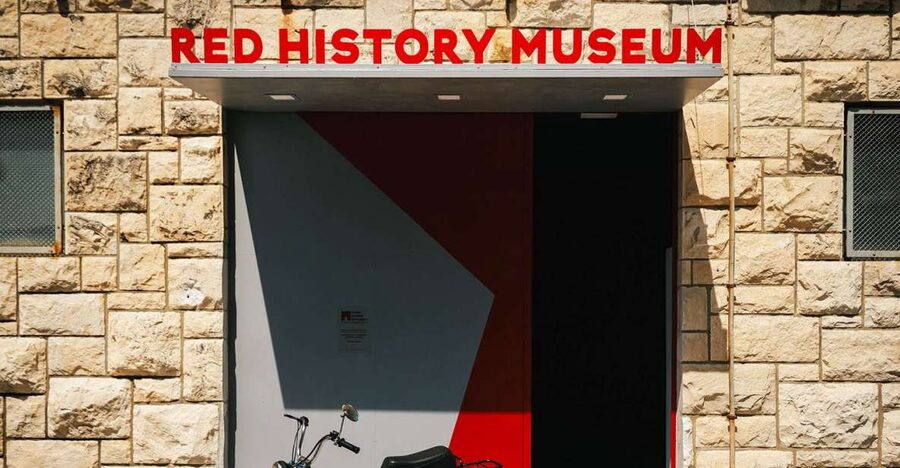
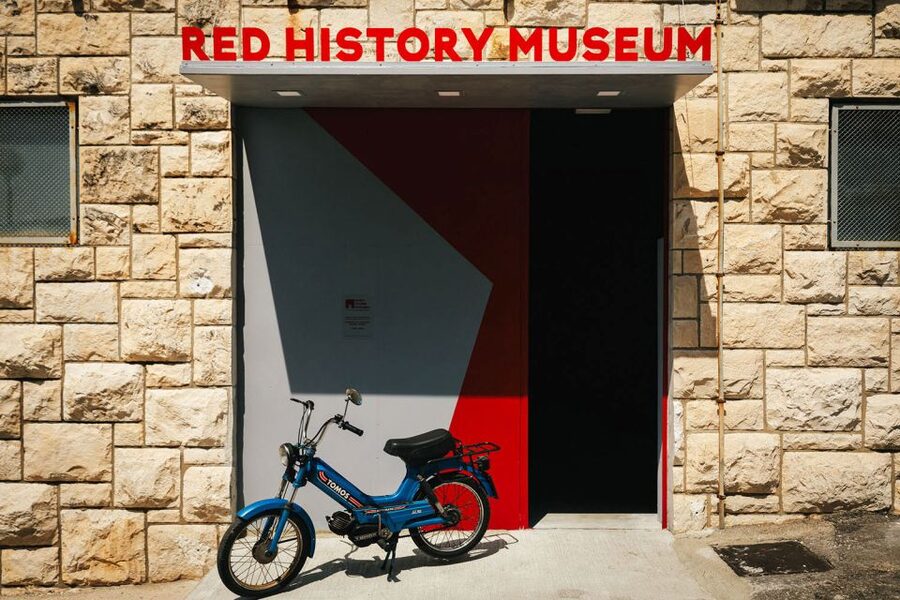
This museum is in an unusual setting: the last factory complex in Dubrovnik, called T.U.P., built in 1953, right in the port area. That matters because it frames the whole visit. Instead of learning about communism in a neutral white-box space, you’re walking through an environment that already feels industrial, functional, and built for daily work.
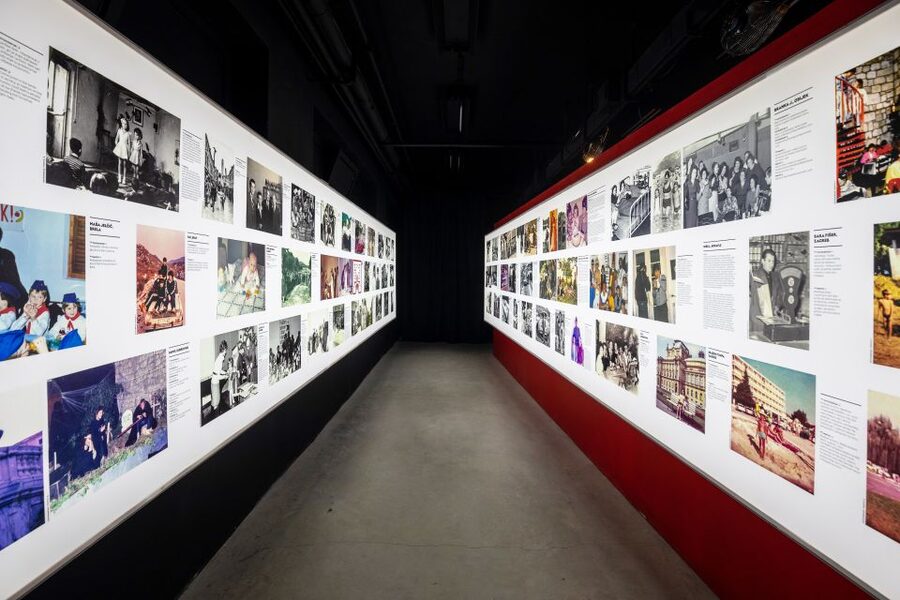
I like that the museum doesn’t treat communist Yugoslavia as a single idea. It treats it as lived reality: design, politics, secret agencies, and how people navigated the watchful structure of the Communist party. You get the sense that the system wasn’t only laws and slogans—it showed up in objects, rooms, media, and even consumer culture.
What the Interactive Exhibits Do Well in Practice
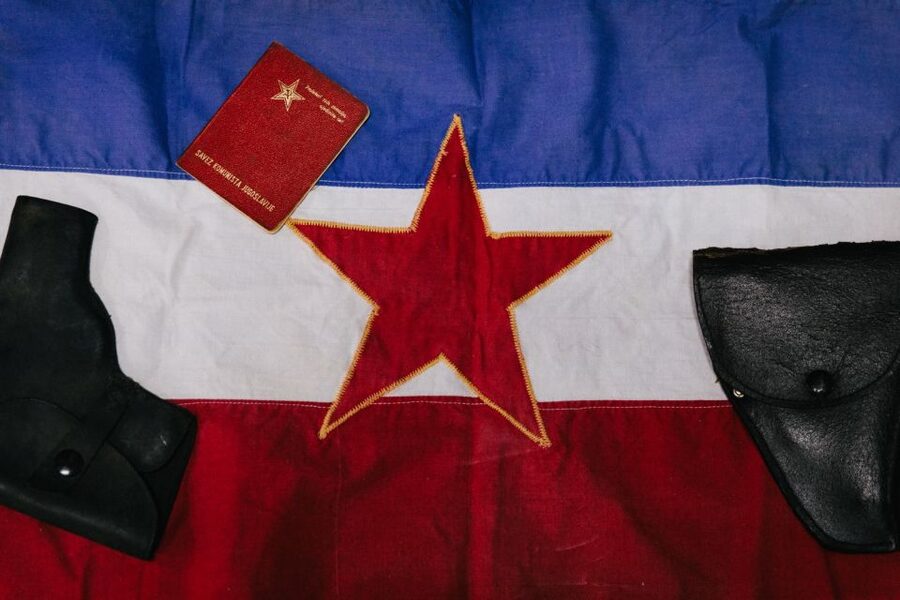
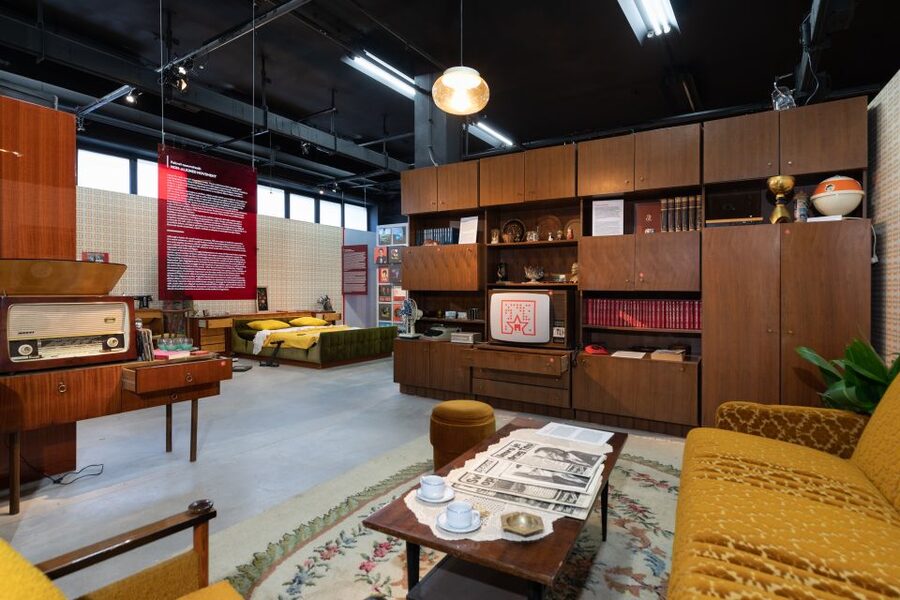
The Red History Museum describes itself as a window into life under communist rule, and the format backs that up. You’re not just reading panels. You move through spaces that recreate how people might have lived, worked, and spent time—then you’re nudged to connect those scenes to the larger political story.
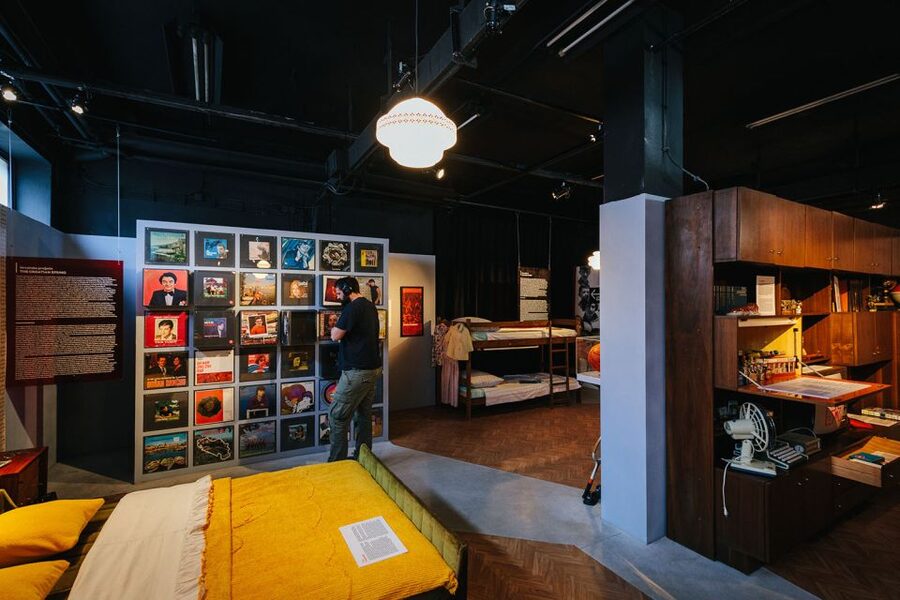
Two parts tend to land hardest. First is the reconstruction of a house, where you can see period details up close and get a feel for the home environment. Second is the way the museum uses new and old technologies together, which helps the history feel current rather than trapped in textbook language.
Staff support helps a lot, too. One name that comes up is Viktor, and it’s the kind of guidance that turns a question into an answer fast—especially if you’re trying to connect pop culture, propaganda, and daily life without getting lost in the political terminology.
The Pop Culture Time Machine: Yugo 45 Photos and Fake Coke
If you like your history with a wink, this museum has you covered. The big photo moment is the Yugo 45—famous in the museum context as the worst car ever. It’s the kind of prop that makes people laugh, then realize that comedy is often how societies talk around limits, shortages, and aspiration.
Then there’s the parallel universe merchandise. The museum offers communist versions of Coca Cola or Fanta, which sounds funny on the surface, but it’s actually a clever way to show how ideology reaches consumer life. When everyday brands get remade, you can see how the state shapes normal habits—what people drink, what they expect to buy, and how identity gets packaged.
I like these moments because they lower the barrier for understanding. You can start with the object, then ask why it exists. That’s a practical way to learn, especially if you don’t want your entire museum visit to feel like heavy reading.
Goli Otok and the Non-Aligned Thread: History With Edges
Not all of what you’ll see is light. The museum includes information on Goli Otok, which comes up in visitor reflections as a strong, serious section. Even if you don’t know much before you arrive, the exhibit signals that this era had harsh sides, not just everyday inconveniences or clever design.
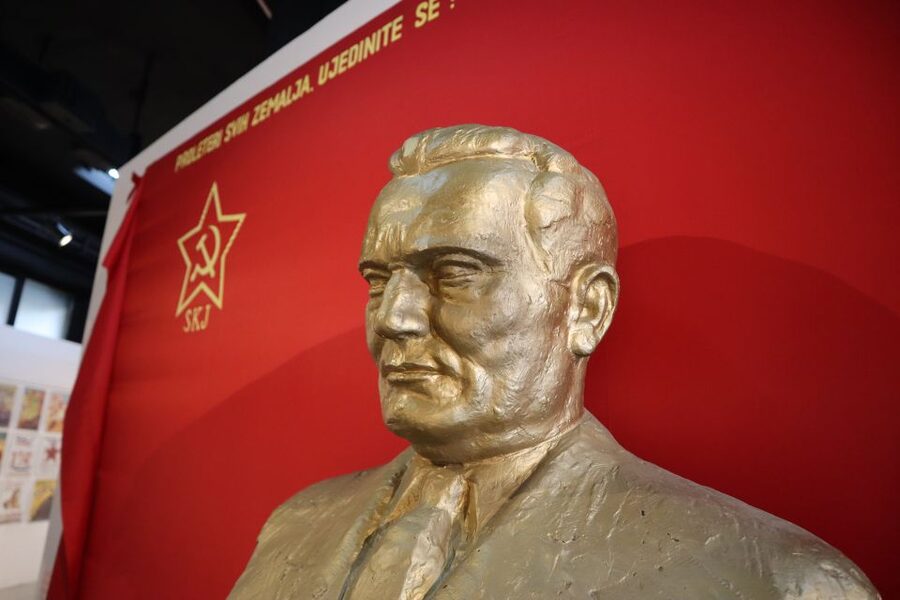
You also encounter the theme of the Non-Aligned movement, plus references to the political mechanics of the Yugoslav regime. That matters because it shows Croatia and Yugoslavia weren’t simply following one external superpower script. The museum’s approach helps you understand why the period felt complex to people living through it: international pressures, internal control, and the constant negotiation of identity.
A useful way to handle sections like this is to slow down and focus on the question you’re trying to answer: How did ordinary people experience the political system? If you keep that lens, the heavier topics won’t feel random. They’ll connect back to the rooms and objects you saw earlier.
Media, Scans, and How to Make It Work for You
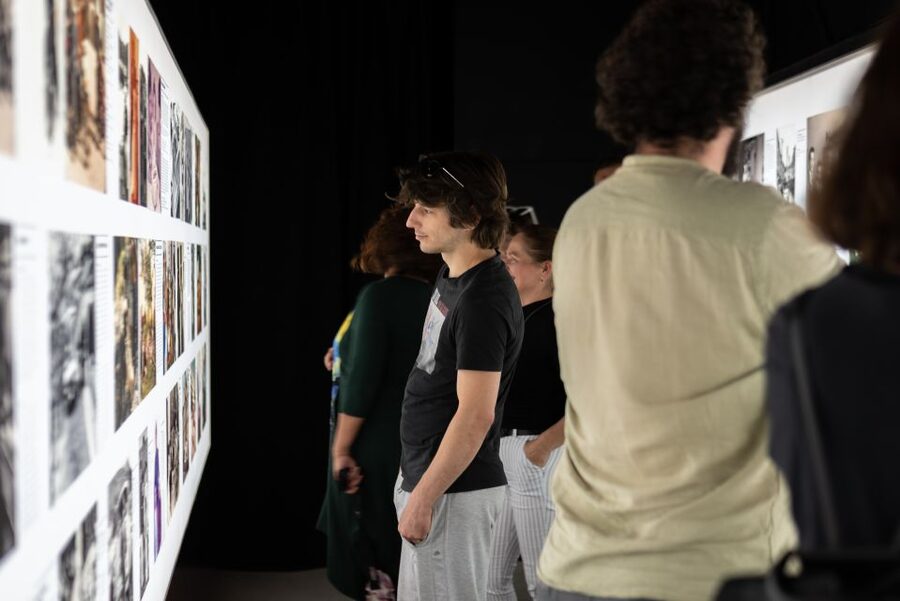
This museum leans on technology, including virtual scans placed around the space. In a small but important way, that can affect your enjoyment. One person noted that the scanned images didn’t do anything when they tried scanning them, and they wished there were clearer instructions for how to use them.
So here’s my practical advice: treat the tech as an extra bonus, not a requirement for understanding the museum. If a scan doesn’t respond, don’t assume you’re doing something wrong. Look for staff help right away. Ask a quick question like which screen or placement works best, and you’ll save time.
The flip side is that the interactive approach still works even if you skip the tech bits. The reconstruction areas, the pop-culture props, and the political context are enough to give you a solid picture of how communist life was represented in Yugoslavia’s later decades.
Where This Museum Fits Best in Your Dubrovnik Day
Dubrovnik can be all stone streets and views. This museum offers a different kind of perspective: it helps you understand present-day Croatia by looking at the recent past. That’s valuable because you’ll often notice how modern attitudes, politics, and cultural memories connect to what people lived through in the 20th century.
I also like that the experience is located in the port area. It’s easy to pair with a walk near the harbor without turning the day into a long commute. If you’re doing the Old Town early, this is a strong follow-up later when you want something more grounded in the real story behind the walls and façades.
If you only have a little time, prioritize the sections that match your interests:
- If you like design and everyday life: start with the reconstructed rooms.
- If you like symbolism: spend time on the Yugo 45 and communist consumer props.
- If you want serious context: give Goli Otok and the political explanation sections extra time.
Price and Value: Is $11 Worth It?
At about $11 per person, the Red History Museum is priced like a thoughtful add-on rather than a major splurge. For that money, you’re getting more than a quick photo stop. You’re spending time in a space that blends narrative history with hands-on exhibits, period objects, and a few standout pop-culture moments that make the story memorable.
Value is also about mental payoff. This museum helps you connect the communist era to how Croatia experienced the world around it, including themes like the Non-Aligned movement. That kind of context can make your broader Dubrovnik experience feel less like a postcard and more like a place with a real timeline.
One small tradeoff: because it’s a compact museum, you’ll want to go in with curiosity. If your goal is hours of content, you might want to pair it with something else immediately afterward. But if you want a focused, interactive history stop, the price feels fair.
Who Will Like This Most (and Who Might Not)
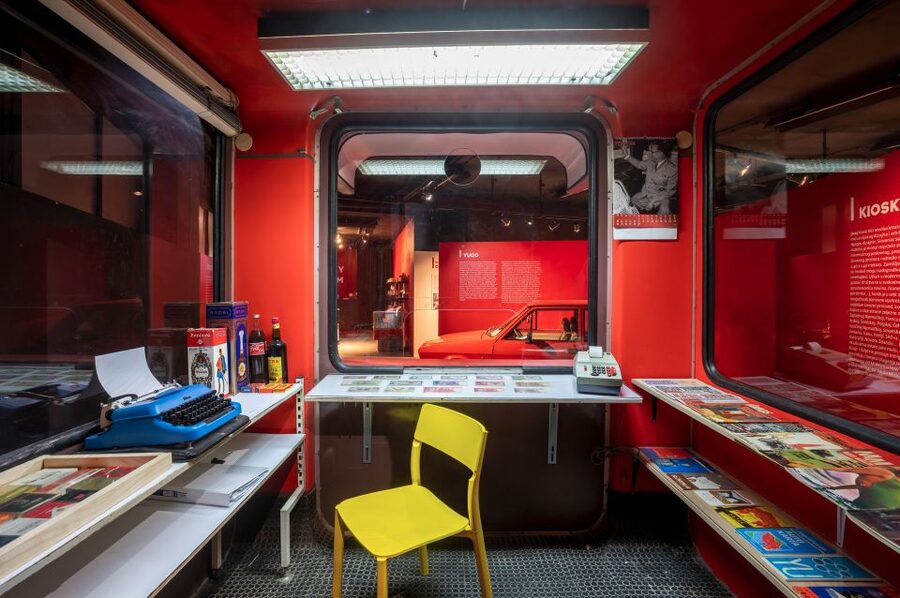
I think this museum is a great match if you want to understand the region beyond war and medieval walls. It’s also ideal if you enjoy interactive museum design and enjoy learning through objects—furniture, consumer goods, and props like the Yugo 45.
You might not love it as much if you want a massive museum campus or a slow, leisurely pace with lots of empty space. It’s more about efficient storytelling and hands-on cues than about endless galleries.
It’s also worth noting that this isn’t only a lifestyle show. The exhibits include difficult history, including Goli Otok, so it’s a good fit if you can handle serious material as part of a broader education.
Should You Book the Red History Museum?
If you’re in Dubrovnik and you’re open to learning how the communist era shaped everyday life in Yugoslavia, I’d book it. For the low price, you get an interactive format, a strong sense of place inside the T.U.P. factory building, and unforgettable visual hooks like the Yugo 45 and communist versions of familiar drinks.
I’d skip it only if you strongly prefer art, beaches, or long self-guided walks and you’re not interested in modern Croatian context. For many people, this is one of the best ways to leave Dubrovnik with more than memories of stone and sea.
FAQ
Where is the Red History Museum in Dubrovnik?
It’s located in the port area of Dubrovnik, inside the last factory complex called T.U.P., built in 1953.
How much is the regular ticket?
The regular ticket price is $11 per person.
What does the ticket include?
The ticket includes regular entry to the Red History Museum.
What highlights can I expect inside?
You can see an interactive window into communist Yugoslav life, take a photo with the Yugo 45, and see communist versions of Coca Cola or Fanta.
Is the museum interactive?
Yes. It’s described as interactive and uses both new and old technologies, plus reconstructive spaces and media elements.
Does it cover Goli Otok?
Yes, information on Goli Otok is included, and it’s highlighted as a strong part of the experience.
Who runs the experience?
The experience provider is Majeutika d.o.o.