REVIEW · CHARLESTON
The Historic Table- 18th and 19th century dining and museum visit
Book on Viator →Operated by Historic Supper Club and Culinary Tours · Bookable on Viator
History at the table beats a long walking tour. This Historic Table experience turns Charleston’s 18th and 19th centuries into a seated dinner with Mike Hebb, a culinary historian who narrates each course. What I love is the way it feeds your curiosity without tiring your feet.
I also like the 7-course meal built around authentic dishes from roughly the 1730s to the 1890s, served with period-style pacing. You stay in one dining room and still get a clear sense of domestic life, the walled city of Charlestowne, and major turning points in South Carolina history.
One thing to weigh: it’s a BYOB dinner after the welcome glass of Madeira, and gratuity isn’t included. If you want a simple, all-in price with no drink planning, this might take a little forethought.
In This Review
- Key things to know before you go
- A Charleston history lesson you can eat: why the Historic Table format works
- Meeting at 100 Meeting St for a 6:00 pm, 2.5-hour plan
- The Fireproof Building museum stop: how the past gets context before the supper
- Seven courses, service a la Francais: what happens once you sit down
- What to expect from the pacing
- The periods you’ll taste: Colonial to Reconstruction through Charleston plates
- Authentic dishes and the host’s craft: why Mike Hebb is the main course
- Drinks, BYOB, and pacing: planning your night around the meal
- Practical value: what $160 buys in a seated history experience
- Who should book this supper club, and who might skip it
- Should you book Historic Table in Charleston?
- FAQ
- What is the Historic Table tour duration?
- Where do I meet for the dinner?
- What time does the experience start?
- How many courses are included and what are they?
- Is alcohol included?
- Is the museum visit included?
- Who can participate?
- What is the cancellation policy?
Key things to know before you go
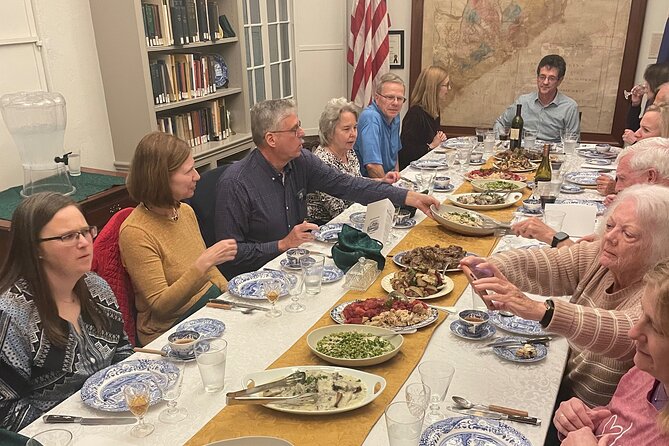
- Culinary historian Mike Hebb narrates a fully seated dinner, so you get history and food without moving around much
- 7 courses across different Charleston time periods, served in service a la Francais style
- Fireproof Building museum time: a free after-hours visit to the South Carolina Historical Society Museum
- Welcome Madeira + water, then BYOB for the rest of the night
- Small group size (maximum 16) keeps the storytelling feeling personal
- Built for the 6:00 pm start at 100 Meeting St, with the whole evening running about 2.5 hours
A Charleston history lesson you can eat: why the Historic Table format works
Charleston can be a lot on your body. You want the stories, but after a day of cobblestones and heat, most history tours start to feel like homework.
The Historic Table setup solves that. You get a history-driven dinner where you never have to leave the dining room to stay “on” the story. The host is guiding your attention course by course, and the food is the anchor. That means you’re not just hearing facts—you’re tasting the period, then tying it back to how people lived.
I also like that the experience keeps its promise: it’s not a random themed dinner with vague references to the past. The menu is organized by era, and you’re told what people ate and why, from ingredients and seasoning habits to the bigger social context behind the meals.
You can also read our reviews of more tours and experiences in Charleston.

Meeting at 100 Meeting St for a 6:00 pm, 2.5-hour plan
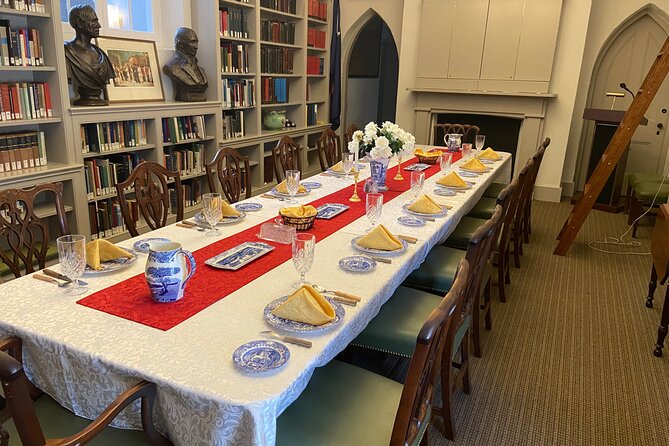
This is scheduled for a 6:00 pm start at 100 Meeting St. The full event runs about 2 hours 30 minutes, and it loops back to the meeting point at the end.
That timing matters. A 6 pm start usually lines up nicely with dinner plans that don’t swallow your whole night. You’re also less likely to show up hungry and impatient, since the evening is designed as a complete, structured meal experience rather than a “show up and find food” situation.
There’s also a practical note: you’ll want to arrive a few minutes early so you can settle in before the narration starts. With only 16 travelers max, the pacing depends on everyone being ready.
The Fireproof Building museum stop: how the past gets context before the supper
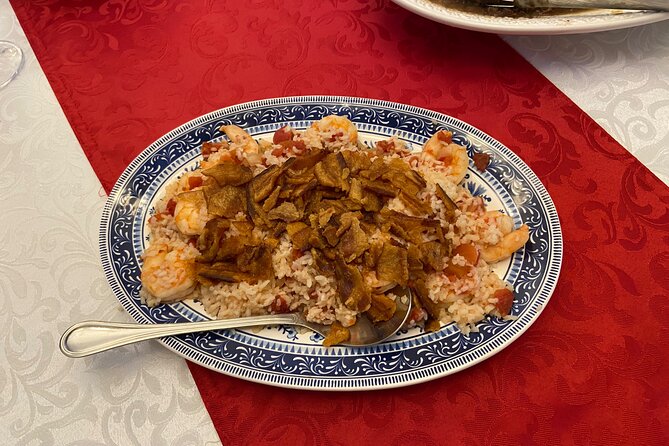
Before you sit down to eat, you get a free after-hours visit to the South Carolina Historical Society Museum inside the Fireproof Building. The Fireproof Building is described as the first fireproof building in U.S. history, which already gives you a strong sense of place—even before anyone starts talking about plates and spices.
This museum time is part of what makes the evening feel more than just dinner theatre. You have a chance to look around privately for roughly the first stretch of the event, then carry that context into the meal.
What I find smart here: it helps you understand that food isn’t floating in a vacuum. It sits inside a real Charleston—its institutions, its material culture, and the way the city changed over time.
Seven courses, service a la Francais: what happens once you sit down
The centerpiece is a seven-course 18th and 19th century dining experience served in service a la Francais style. In plain terms, it’s a multi-course, table-service meal with the rhythm of traditional formal dining—so the evening feels intentional, not rushed.
You’ll be served soup, then three entrees, plus dessert and candies, all while your host narrates what you’re eating and what it means historically. The host, Mike Hebb, is dressed in period style and is the one doing the storytelling.
From the way the experience is described, the narration isn’t just “this dish existed then.” It’s tied to domestic life and real historical events. That’s the difference between a themed menu and a guided historical meal: you’re learning the logic behind choices like ingredients, seasoning habits, and what people would realistically have access to.
What to expect from the pacing
The whole point is “history without footwork.” That also means you should plan to stay present. This isn’t a dinner where you can fully switch off and scroll your phone through the narration. You’ll enjoy it more if you listen while you eat.
Since the group is small, you may notice the host encouraging interaction at points. Even if you’re not the chatty type, the structure helps you stay engaged.
The periods you’ll taste: Colonial to Reconstruction through Charleston plates
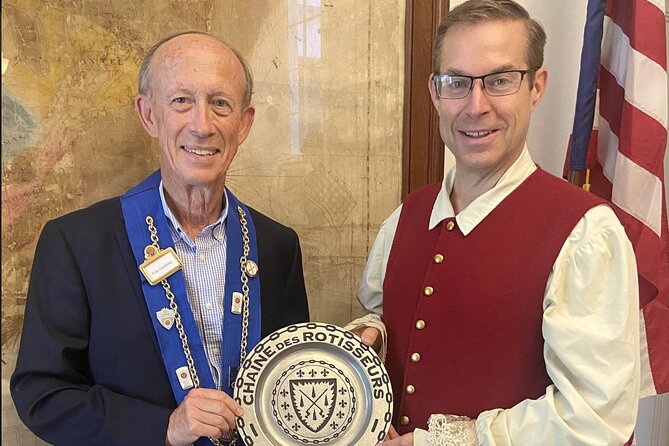
The menu is built so each entree covers a different slice of Charleston’s history, using food meant to be authentic to that time period. The overall range described is roughly the 1730s to the 1890s, which gives you a broad sweep of what changes—and what stays familiar—in Charleston eating.
Here are the historical themes you’ll hear about during the meal:
- The walled city of Charlestowne
- The Revolution
- Periods tied to slavery and its role in shaping the society around food and labor
- The Civil War
- Reconstruction and beyond
- Domestic life—how people lived day to day, not just what big events were
That last piece is key. When food stories include domestic life, they become easier to picture. It stops being “history as dates” and turns into “history as routines,” which is how meals actually work.
Also, this matters for value. A typical Charleston dinner experience might give you a nice menu and maybe a few side notes about the city. This one uses the meal as the timeline, so you’re getting a guided path through major eras rather than a single snapshot.
Authentic dishes and the host’s craft: why Mike Hebb is the main course
Most of the praise centers on one thing: Mike Hebb’s ability to connect culinary history with storytelling that keeps you interested while you’re eating.
He isn’t just describing what’s on the plate. The framing is practical—seasoning, ingredients, and how dishes would have been served. That gives you a better sense of why each course belongs to its period.
There’s also a useful detail you should take seriously: the menu changes over time. That’s great news if you’re the type who hates repeating experiences. It means you can come back and still learn something new, rather than feeling like you paid for the same lecture twice.
If you care about authenticity in the strict sense—food that reflects period methods and flavors—this is the format that best supports it. You’re not stuck reading about it later. You’re experiencing it in sequence.
Drinks, BYOB, and pacing: planning your night around the meal
Your welcome includes water plus a glass of Madeira wine. After that, it’s BYOB, meaning you bring your own bottle for any additional drinks.
This is where I’d plan smart, because it affects the whole evening vibe. If you enjoy pairing, bring something you know you’ll like with a multi-course meal. If you don’t want to carry a bottle, it’s worth realizing you’re taking on a small responsibility that other dining experiences may not require.
Gratuity is not included. That’s normal for many guided dinners, but it’s still a real budgeting factor. If you’re doing the math, plan for it so you don’t feel surprised at the end.
Finally, keep your expectations aligned with the schedule. Because it’s about 2.5 hours and you’re moving through courses, it’s not the best option if you’re trying to squeeze in a bunch of other evening plans. Better to treat it as your main event.
Practical value: what $160 buys in a seated history experience
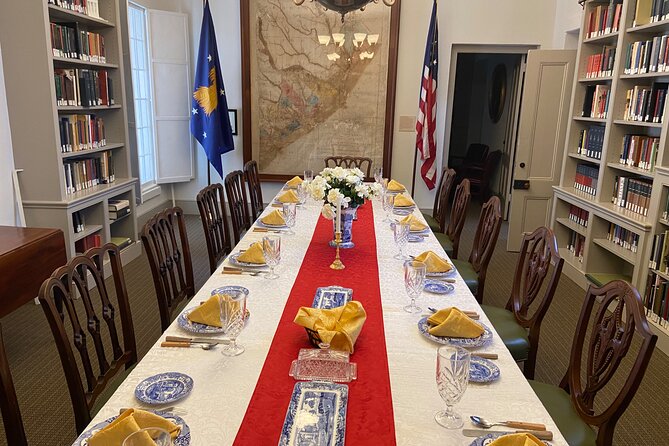
At $160 per person, this isn’t a bargain meal. But the pricing makes more sense when you look at what’s included:
- A full 7-course meal (not just appetizers)
- Narration by a culinary historian tied directly to what you’re eating
- A free after-hours museum visit inside the Fireproof Building
- A small group size that helps keep the night from feeling like a lecture hall
If you’ve ever paid for a walking tour + a separate dinner, you may spend close to similar totals once you add drinks and gratuity. This packs much of that into one program, and the “save your feet” part is real. When the cost includes both food and structured historical guiding, it stops being just dinner and becomes a guided evening experience.
I’d think of it like this: you’re paying for continuity. Instead of piecing together multiple parts of your day, the evening is one connected story delivered by plate.
Who should book this supper club, and who might skip it
This Historic Table experience fits best if you want:
- A history and food blend without a lot of walking
- Period-style meals and explanation of how dishes relate to the era
- A seated, structured evening rather than a free-form dining night
It’s also a good option if you’re visiting Charleston with someone who likes both food and stories. The program is designed so both types of interest stay fed.
You might not love it as much if:
- You strongly prefer a walk-and-see tour style and want to cover multiple neighborhood stops
- You hate BYOB setups and don’t want to bring a bottle
- You want a dinner where conversation is totally free of narration
Should you book Historic Table in Charleston?
Yes—if you’re the kind of visitor who wants Charleston history to feel tangible, this is a smart use of your time. The combination of small group size, guided course-by-course narration, and the extra Fireproof Building museum visit makes the night feel full and connected.
Before you book, do one quick check: are you comfortable planning for BYOB and a gratuity? If that fits your style, you’ll likely enjoy the way this experience uses food as the timeline—so you’re not just learning about Charleston. You’re tasting it, one era at a time.
If you’re unsure, consider this: Charleston has plenty of great places to eat. This one is built to explain why the food matters, and it does it from a single table.
FAQ
What is the Historic Table tour duration?
The experience runs about 2 hours 30 minutes.
Where do I meet for the dinner?
You meet at 100 Meeting St, Charleston, SC 29401.
What time does the experience start?
The start time is 6:00 pm.
How many courses are included and what are they?
It’s a 7-course dining experience with soup, 3 entrees, dessert, and candies.
Is alcohol included?
You’ll receive water and a glass of Madeira wine. Other drinks are BYOB.
Is the museum visit included?
Yes. You’ll get a free after-hours visit to the South Carolina Historical Society Museum in the Fireproof Building.
Who can participate?
The experience is for ages 16 and older, and service animals are allowed.
What is the cancellation policy?
Free cancellation is available if you cancel up to 24 hours in advance for a full refund. If you cancel less than 24 hours before the start time, the amount you paid isn’t refunded.