REVIEW · KHAO LAK
Takua Pa: Food Market, Tsunami Museum, Temple, & Old Town
Book on GetYourGuide →Operated by Khaolak Planner · Bookable on GetYourGuide
Takuapa tells a lot in four hours. This tour links three very different moods—reflection at the tsunami museum, awe at Kong Ka Temple, and then that happy, noisy energy of local street food in town. I like that it’s paced for a short visit, not a rushed checklist, and the guide keeps the story clear from start to finish.
What I like most: the new Tsunami Museum helps you understand what happened in 2004 and how the community rebuilt, without turning it into a lecture. And the food-market portion is practical and fun, with plenty of chances to sample rather than just watching from the sidelines.
The main drawback to consider is the temple rules: plan on covered shoulders and knees, and expect to remove shoes and avoid hats and sunglasses where you’re asked to. If that kind of dress code always annoys you, you’ll want to factor in the extra time and reminders.
In This Review
- Key things I’d mark on your map
- Four hours that actually fit real life
- Pickup, pace, and why the schedule feels humane
- Ban Nam Khem Tsunami Museum: reflection with local meaning
- Kong Ka Temple and the Rama IX pagoda
- Takuapa old town: Sino-European streets with real age
- The food market moment: tastings you can plan around
- Morning vs afternoon, and the May–Nov market swap
- Price and value: what your $52 actually buys
- Who should book this tour (and who might not love it)
- Should you book Takua Pa: Food Market, Tsunami Museum, Temple, & Old Town?
- FAQ
- How long is the tour?
- Where does pickup happen?
- What’s included in the price?
- Is food at the market included?
- How large is the group?
- What’s the difference between morning and afternoon tours?
- What should I wear for temple visits?
Key things I’d mark on your map
- Tsunami Museum with clear local context on before-and-after recovery from 2004
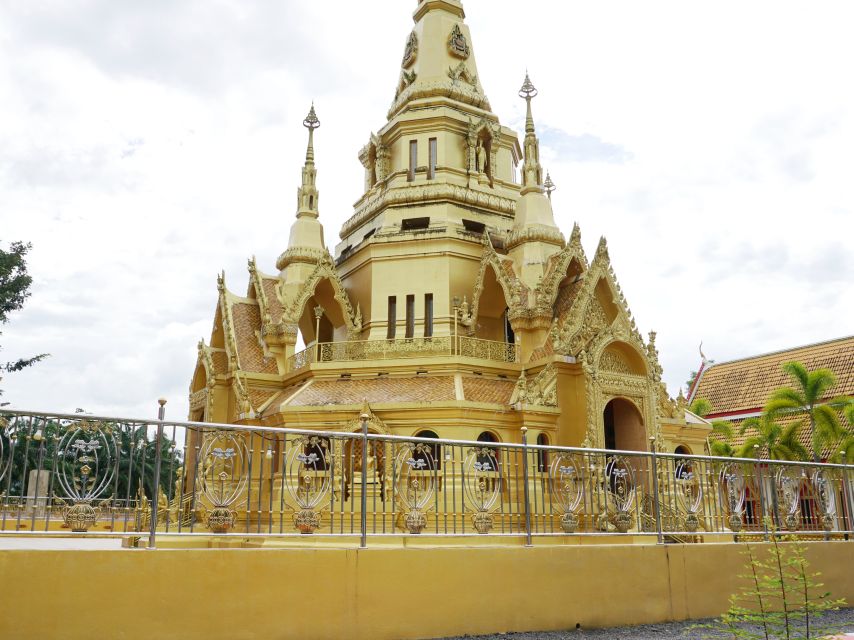
- Kong Ka Temple’s pagoda honoring King Rama IX plus modern-style Buddha artwork
- Takuapa old town with Sino-European architecture and old streets dating back centuries
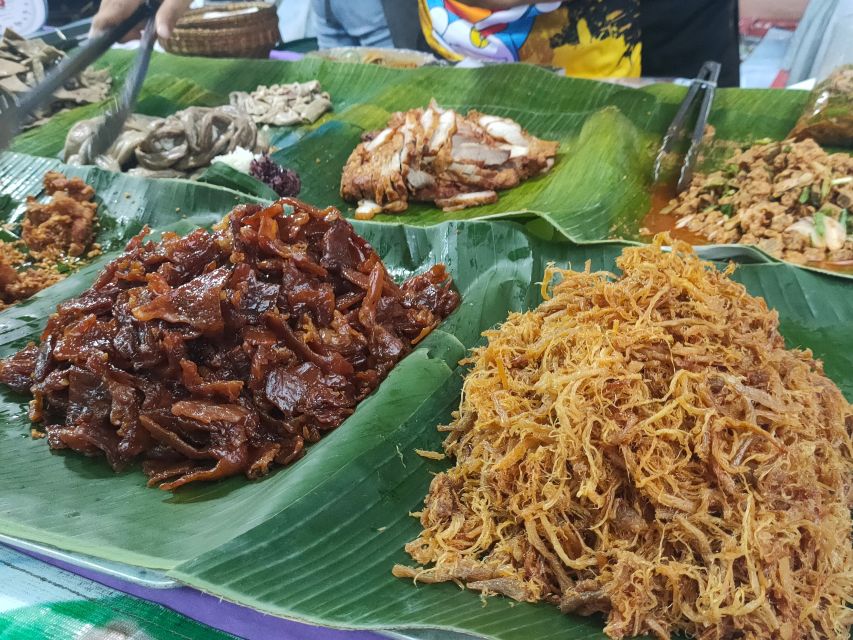
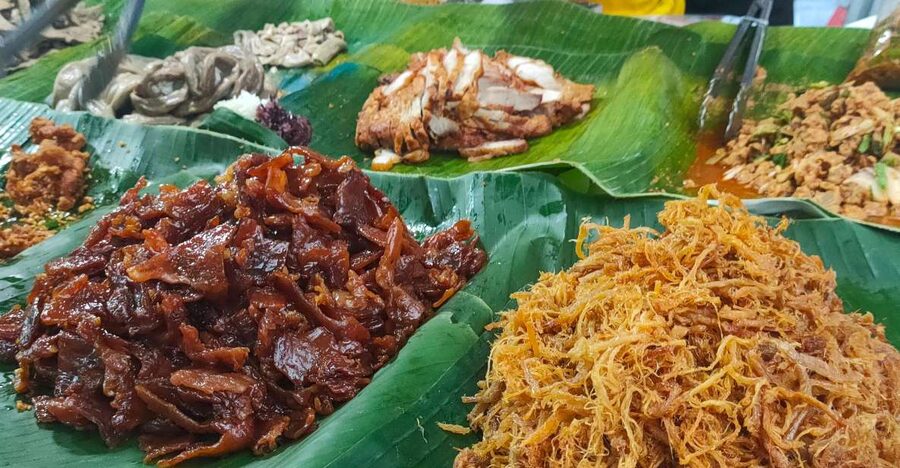
- Street food market tastings with lots of stalls and local performances
- Small group size (up to 12), so questions don’t get lost
- Air-con transport and a guide who manages the day in real time (including weather)
Four hours that actually fit real life
This is a compact tour built for people staying around Khao Lak who want more than a beach day. You get hotel pickup and drop-off, an English-speaking live guide, and a full circuit of three key areas: Ban Nam Khem Tsunami Museum, a major temple stop, and historic Takuapa old town.
The short duration matters. In four hours, you can absorb a serious story, switch to temple culture, and still end with the practical payoff: local food you can actually eat. And because it’s a small group capped at 12, you’re less likely to get treated like one more body in a moving line.
You also get some comfort perks that are easy to overlook until you need them: the van is air-conditioned, and water and soft drinks are included. That keeps the day from turning into a hydration scramble.
Pickup, pace, and why the schedule feels humane
You start by waiting in your hotel lobby about 10 minutes before pickup. From there, the tour runs in a tight loop with scheduled stops and time to look around, not just quick photo pauses.
A few details make the day smoother:
- Skip-the-ticket-line helps you lose less time at the museum and keep the flow moving.
- The transport is consistently praised, with 94% of reviewers giving the transport a perfect score.
- The group stays small, so when someone asks a question, the guide can actually answer it.
One more practical point: rain happens in this part of Thailand. In at least one real-world experience, the guide handled heavy rain by adjusting timing and providing rain jackets. That’s exactly the kind of “small” logistical care you want on a short tour.
If you prefer long, unstructured wandering, this won’t be that. But if you want a focused slice of the region without exhausting your day, the pace works.
Ban Nam Khem Tsunami Museum: reflection with local meaning
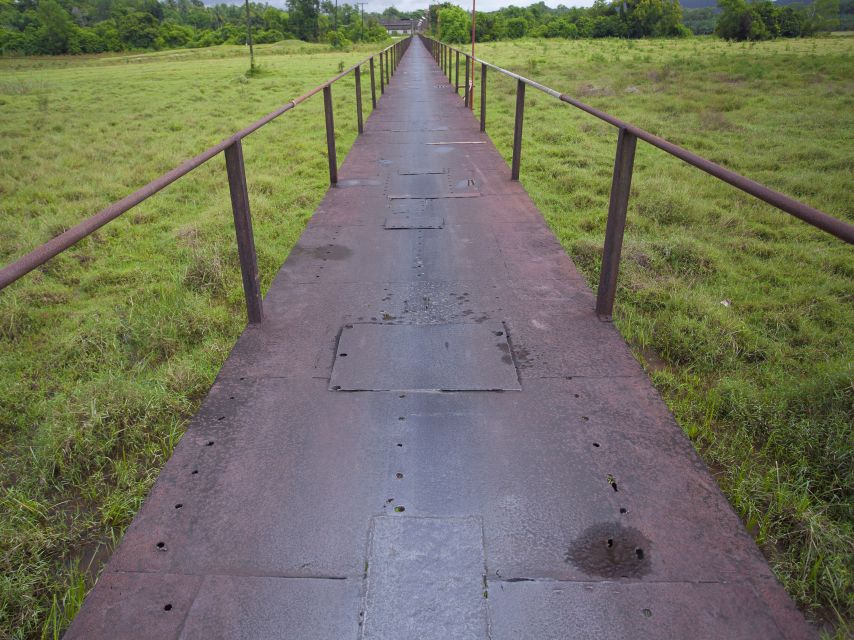
The museum stop is the emotional center of the tour. You begin there, learning the story of the area before and after the 2004 tsunami. The museum setup includes exhibitions and a gallery inside the main building, with local history and the recovery process presented clearly.
What you’ll actually get from this stop is context. A lot of Phuket-area visitors know the tsunami as a headline. Here, you’re shown how the disaster affected real communities nearby, and how rebuilding became part of local identity. That’s what makes this more than a somber photo stop.
A practical tip: wear comfortable walking shoes, because you’ll want to move slowly through exhibits. Also, if you’re the type who likes to understand first and look later, you’ll probably enjoy taking your time early in the museum rather than saving questions for the end.
Emotionally, go in with the right attitude. This is a respectful subject. You’ll get the most out of it if you treat it as learning and remembrance, not a “quick stop.”
Kong Ka Temple and the Rama IX pagoda
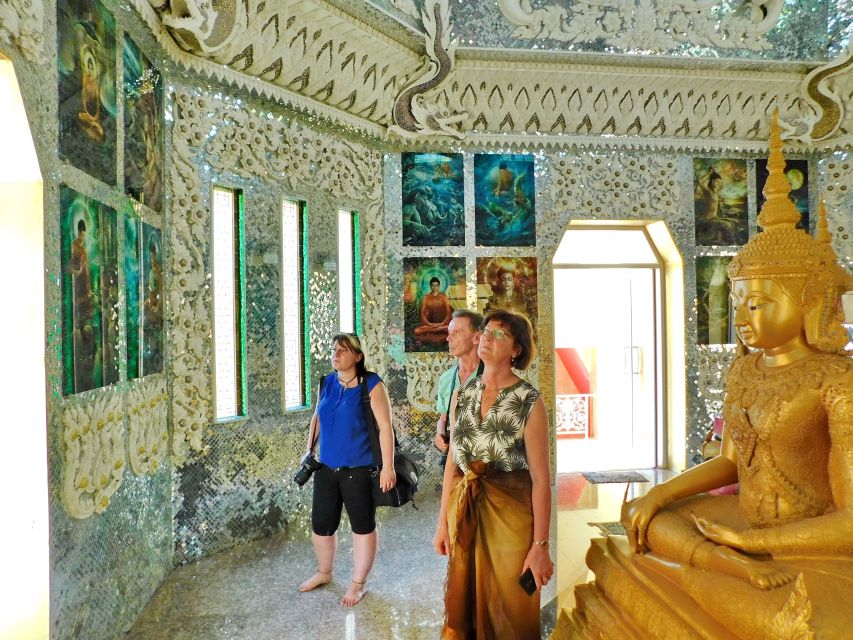
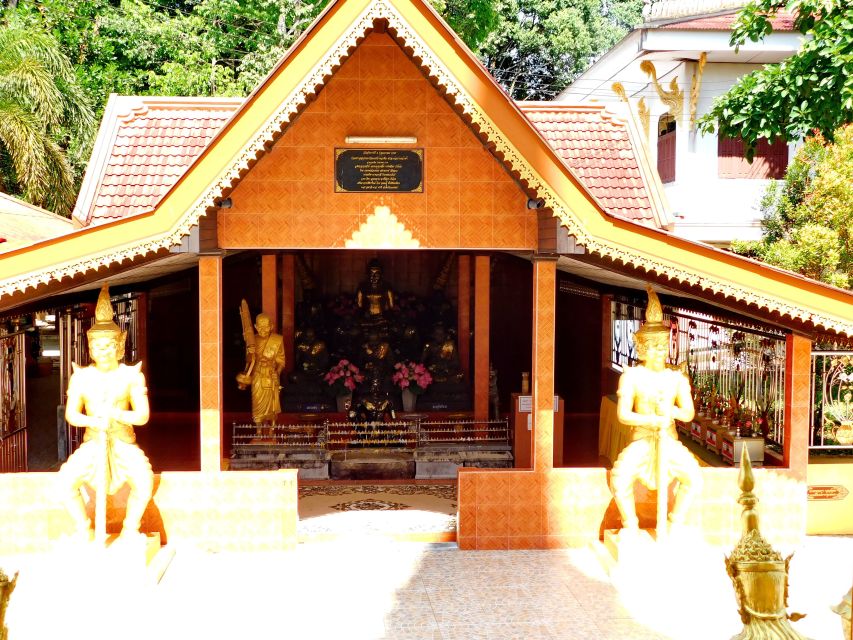
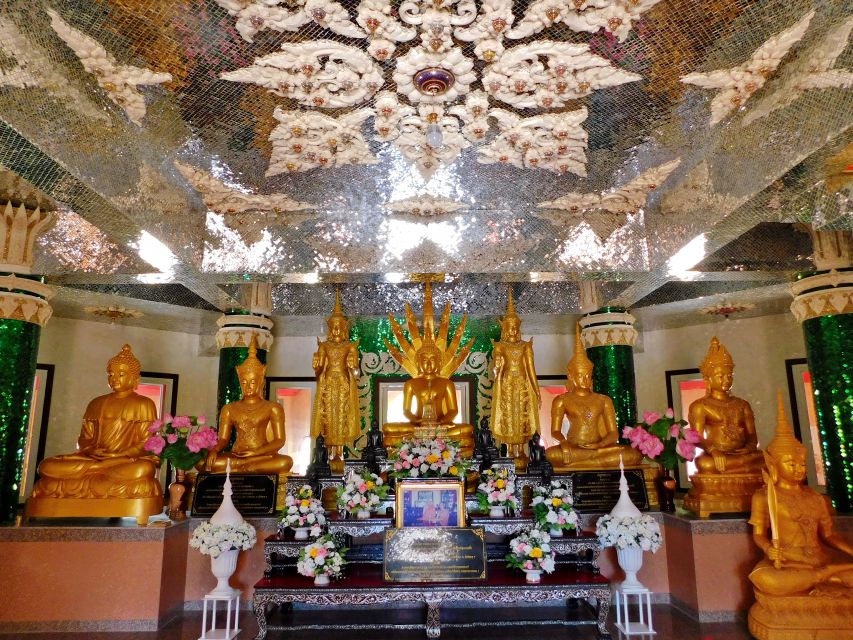
After the museum, the day turns toward faith and art. Your next stop is Kong Ka Temple, known for a striking pagoda designed to honor the late deceased King Rama IX.
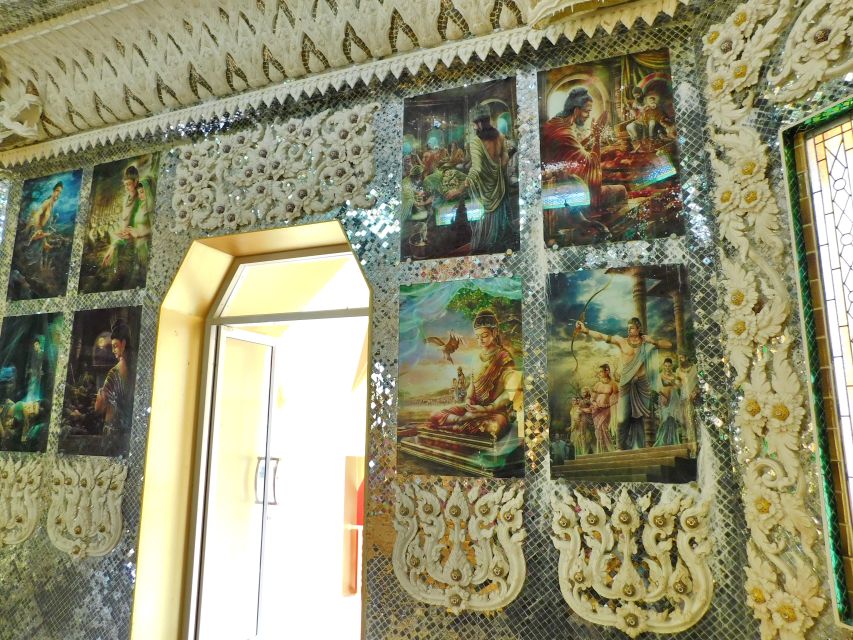
The temple isn’t just about architecture. There’s a visual theme too: images of Buddha are presented in more modern-style art, which makes the space feel like it’s speaking to today, not only the past. If you like religious art, this is the sort of stop where you’ll start noticing patterns—how tradition and modern design can share the same wall.
There’s also a cultural activity component. You’ll have the chance to provide merit at the shrine, and you may even get guidance to discover your life’s prophecy in a traditional Thai way. That part depends on the temple’s practice that day, but the tour is set up so you’re not just walking past the customs—you’re given a way to participate respectfully.
Two important notes for comfort and etiquette:
- Plan to cover knees and shoulders.
- Expect to remove shoes in places of worship.
If you’re worried about getting it wrong, don’t. The tour’s instructions and guide support are built for visitors who may not know temple customs yet.
Takuapa old town: Sino-European streets with real age
Once you’re done with the temple, you shift into history you can walk through. The old part of Takuapa is where you see Sino-European architecture and buildings that date back centuries. The details you can notice—facades, old-style street character, and the way the town feels layered—are the kind of things you’d struggle to spot if you just drove through.
This is also a good mental break after the museum. The museum makes you slow down. The old town lets you move at a normal pace while still noticing a “time overlap” between influences.
And because the tour includes the market area, the timing works. You get the visual history first, then you switch to the living version of culture: food, crowds, and local performance.
One small consideration: old-town walking is best with comfortable shoes. Even if distances sound short on paper, the surfaces and the stop-and-look rhythm add up.
The food market moment: tastings you can plan around
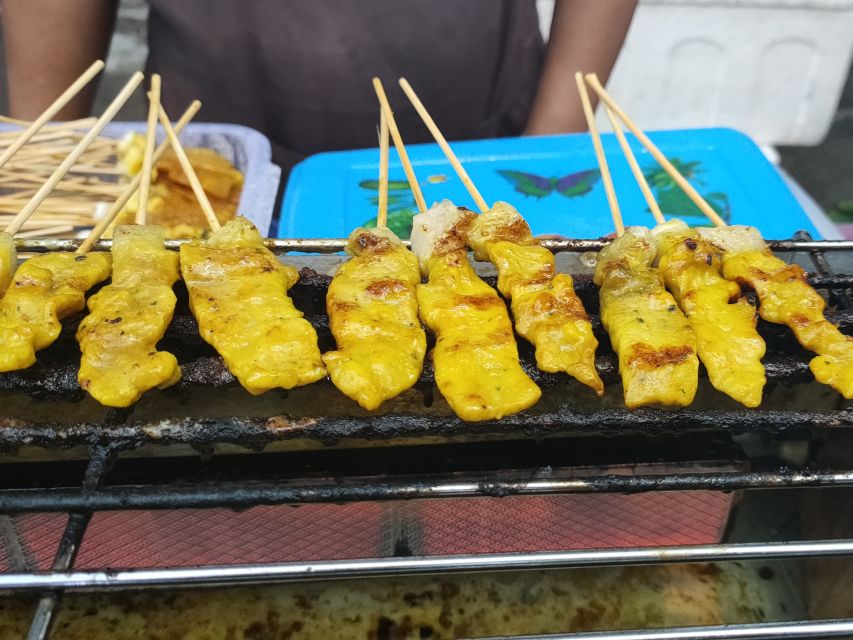
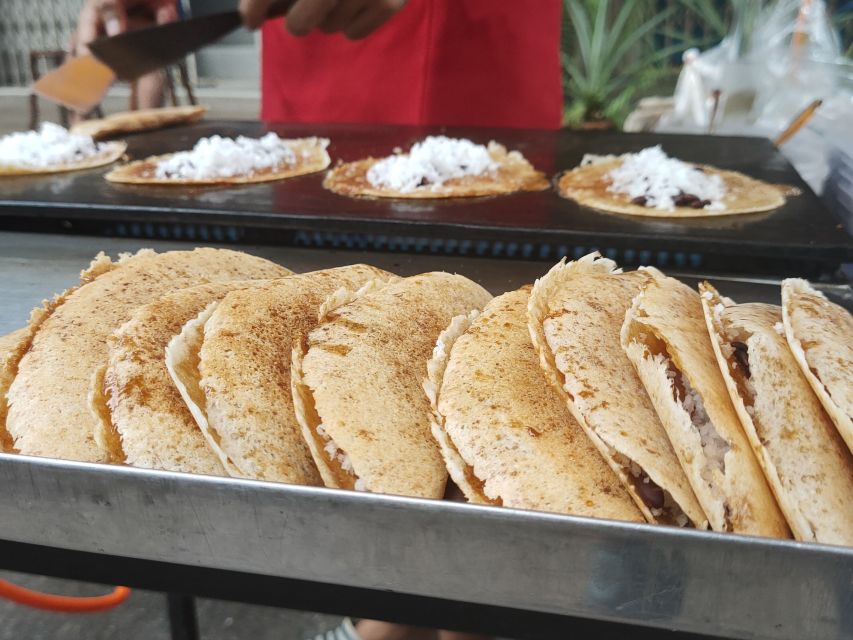
The last major stop is where the tour becomes lively. You’ll visit Takupa Food Market and explore the historic streets around the weekly Street Food Market area. The description calls out hundreds of stalls with local delicacies—and there are often local performances too.
This is a key value point: you’re not left to figure out the market alone. The guide helps you with what to try and how to approach it. In past experiences, guides have been especially helpful at steering people toward good items and keeping the tastings satisfying.
One thing to know upfront: food expense at the market is not included. So the real question isn’t whether food costs extra—it’s whether you want to budget for tastings. If you do, this tour ends up feeling like a bargain for what you get: guidance plus access to a wide range of local dishes.
How I’d handle market food smoothly:
- Start with a small plan: 2–4 tastings before you commit to a full meal.
- Watch what’s moving fastest and what vendors keep restocking.
- Ask the guide what’s best for first-timers and what’s popular locally (rather than hunting blindly).
Also, note the tour doesn’t ask you to stay silent. You’re just asked not to be disruptive—so keep your voice friendly, not loud.
Morning vs afternoon, and the May–Nov market swap
There are two tour options: morning or afternoon. The schedule also changes for the May to November period.
For the morning option during May to November, the tour goes to Takuapa Morning Market instead of the other market timing. The rest of the visits stay the same—museum, temple, and old town—so you’re not losing the core experience. You’re simply getting a different market flavor depending on time of year.
If you’re flexible, choose based on what kind of energy you want:
- Morning market tends to feel fresh and early-day focused.
- Afternoon options may be calmer in the museum-to-temple-to-food flow, depending on weather.
Either way, you still finish with local food time, and you still get a guide to help you make sense of it.
Price and value: what your $52 actually buys
At $52 per person for about 4 hours, the value is strong because your costs are bundled. You’re paying for:
- Hotel pickup and drop-off
- Entrance fees
- Water and soft drinks
- A live English guide
- Small group comfort (up to 12 people)
- Skip-the-ticket-line
Food is the one obvious add-on because market meals are not included. That’s normal for food-market tours, and it gives you control: you can taste lightly or go for a bigger meal.
To judge whether it’s worth it for you, think about what you’d otherwise pay if you DIY’d it:
- You’d still need transport from Khao Lak.
- You’d still likely pay entrance fees.
- And you’d pay with time figuring out where to go and what to eat.
This tour turns that into a tight, guided loop with less guesswork. The small-group size also makes the guide feel more like a person helping you than like someone reading from a script.
Who should book this tour (and who might not love it)
This is a great fit if you want:
- A short, structured day trip from Khao Lak
- A respectful, meaningful stop at a tsunami memorial museum
- Temple culture that includes both visuals and a participation moment like merit-making
- A practical introduction to Takuapa food culture without guessing
It may be less ideal if:
- You dislike walking between stops and prefer long, slow museum time
- Temple etiquette and clothing requirements feel like too much friction
- You’re hoping for a purely “party” market experience with no reflective moments
Also, bring your patience. This mix of museum, temple, and old-town market is intentionally varied. If you want just one mood, this tour might feel like whiplash. If you want depth across moods in one afternoon, it works well.
Should you book Takua Pa: Food Market, Tsunami Museum, Temple, & Old Town?
If your time is limited, I’d say yes—especially if you care about understanding what happened in 2004 and seeing how the area is connected to real local life today. The museum stop gives the day meaning, the temple adds visual and cultural payoff, and the market ending is a fun, guided way to eat locally.
Book it if you’re comfortable following temple dress rules, removing shoes indoors, and spending a bit extra on food tastings. Skip it only if you’d rather spend the day purely at the beach or you hate any activity that requires respectful behavior and covered clothing.
If you’re ready for a short trip that teaches you something real and then rewards you with good food, this one earns its place.
FAQ
How long is the tour?
The tour lasts about 4 hours.
Where does pickup happen?
Pickup is included from any hotel in Khao Lak. You should wait in the hotel lobby about 10 minutes before your scheduled pickup time.
What’s included in the price?
The price includes hotel pickup and drop-off, entrance fees, and water and soft drinks.
Is food at the market included?
No. Food expense at the market is not included, so you’ll need to budget for tastings.
How large is the group?
It’s a small group limited to 12 participants.
What’s the difference between morning and afternoon tours?
There are two options (morning or afternoon). For morning tours from May to November, the tour goes to Takuapa Morning Market instead, while the other stops remain the same.
What should I wear for temple visits?
Dress to respect local customs: keep knees and shoulders covered. In temples and places of worship, you must remove shoes, hat, and sunglasses.