REVIEW · KHAO LAK
Khao Lak Eco-Safari: Elephants, Tsunami Museum, and Turtles
Book on GetYourGuide →Operated by Khao Lak Ethical Elephant Sanctuary · Bookable on GetYourGuide
Bananas, elephants, and a tsunami memorial in one half day. Ethical elephant walking and the Khao Lak tsunami stops are the two big reasons this safari feels meaningful, not just scenic.
I like that you get an up-close look at how elephants live when humans keep things respectful, and then you shift gears to the 2004 disaster story using real artifacts and clear context.
Along the route, you also get sea turtle conservation time at the Royal Thai Navy Third Fleet center, plus a Thai set lunch that’s easy to enjoy after the jungle walking. The experience runs in a small group (up to 10) with an English guide, and the day feels tightly organized and usually very on time.
One thing to plan around: there’s a waterfall break, but if the water is low and swimming is not possible, the tour swaps in an alternative at Khaolak Waterside. The swap can happen without advance notice, so keep your expectations flexible.
In This Review
- Key things that make this safari worth your time
- Getting to Khao Lak Eco-Safari: punctual pickup, small-group flow
- Observed elephant sanctuary time: banana feeding and real stories
- Thai set lunch at the sanctuary: stop, eat well, then keep moving
- Khao Lak tsunami history: Patrol Boat 813 and a sobering museum visit
- Wat Lak Kaen and the waterfall break: relaxing time with one flexibility catch
- Royal Thai Navy Turtle Nursery: conservation you can actually picture
- Price and value check: what $112 buys in 4 hours
- Who should book this safari, and who should skip it
- Should you book this Khao Lak Eco-Safari?
- FAQ
- How long is the Khao Lak Eco-Safari tour?
- How much does it cost, and what’s included?
- What is the group size?
- Where do you get picked up from?
- Is the tour in English?
- Can I ride the elephants?
- Are alcohol and drugs permitted?
- What should I bring?
- What happens if swimming at the waterfall isn’t possible?
Key things that make this safari worth your time
- Walk with free-roaming elephants in a safe, ethical setting where riding is not part of the deal
- Learn tsunami impacts firsthand at the International Tsunami Museum and see Patrol Boat 813
- Thai set lunch at the sanctuary gives you real energy for the second half of the day
- See how sea turtles are cared for at the Royal Thai Navy Third Fleet Turtle Nursery
- Small group pacing with time for photos and quiet moments, not constant rushing
Getting to Khao Lak Eco-Safari: punctual pickup, small-group flow
This is a half-day tour (about 4 hours) that starts with hotel pickup. You’ll typically be picked up from Khao Lak or Bang Sak, and pickup is also offered from anywhere in Khao Lak if that option is selected. The whole point is to minimize friction: you ride, you stop, you learn, you eat, and you’re back before the afternoon heat takes over.
What I appreciate most is how the day is organized for a small group of 10 people or fewer. That size matters. It keeps the elephant and turtle times feeling personal enough to ask questions and actually hear the guide, without waiting behind a crowd.
The transport also seems to be taken seriously. A large share of past participants rated the ride very highly, which is worth noting in Khao Lak where traffic and road conditions can vary. In plain terms: fewer surprises means more time enjoying the stops.
You can also read our reviews of more museum experiences in Khao Lak
Observed elephant sanctuary time: banana feeding and real stories
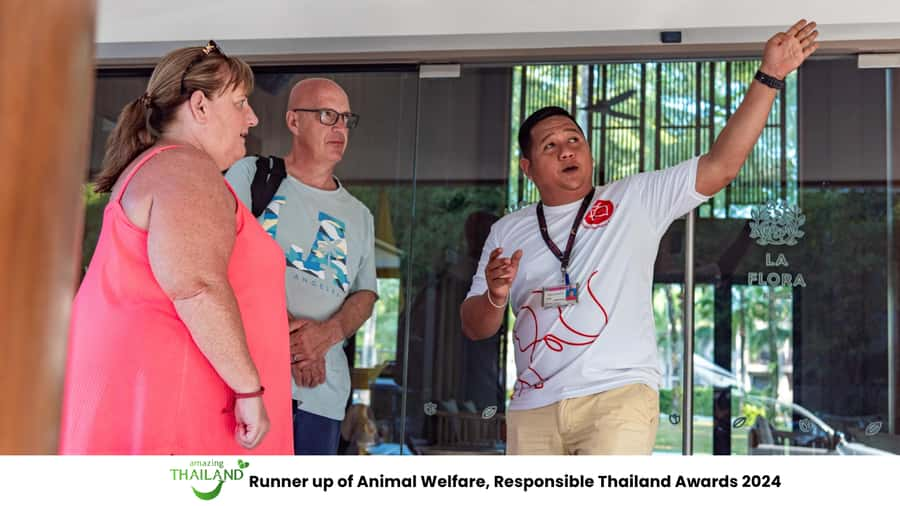
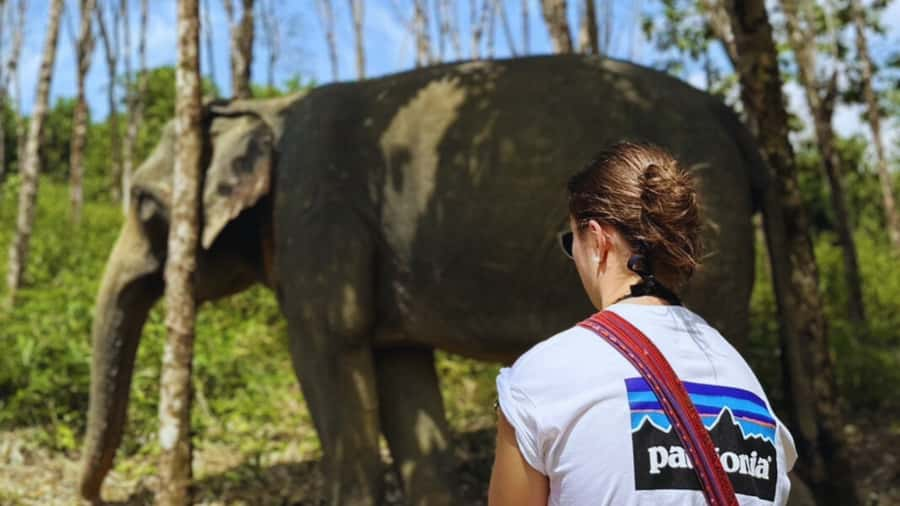
The elephant portion is the heart of the morning. You head to the Khao Lak Eco-Safari elephant sanctuary area and meet your English-speaking guide. Then it’s into the park on foot for about one hour of guided walking.
You’ll gather bananas and cane sugar, and your guide leads you through the sanctuary while you observe the herd in a safe and responsible way. Importantly: this is not about riding elephants. The tour is explicitly set up around interaction that doesn’t require mounting or forced behavior.
A few details make this feel more grounded than a generic animal show:
- You don’t just watch from a distance. You walk with the guide and feed using what you collected, so you’re part of the experience, but in a controlled, respectful way.
- The guide shares individual elephant stories, which helps you see the animals as more than a photo opportunity.
- You’re given time to photograph and observe at your leisure after the walk, while you learn about lifestyle and behavior.
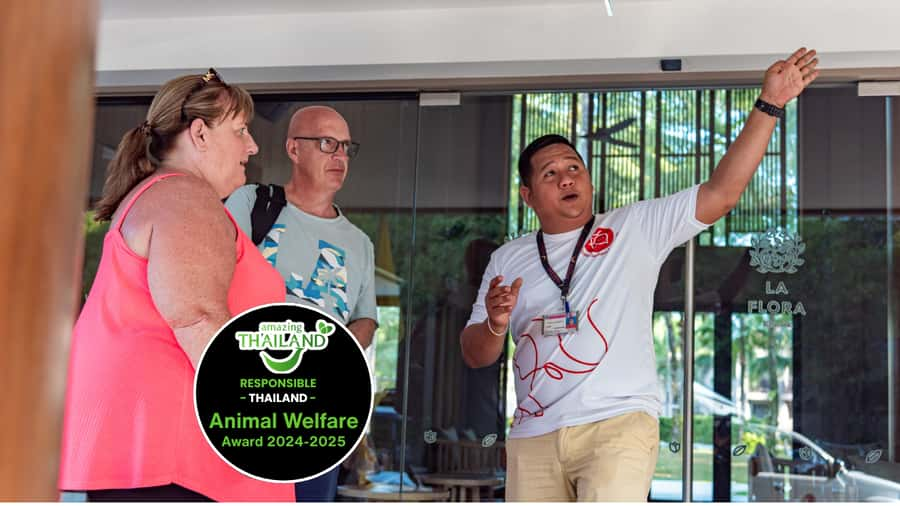
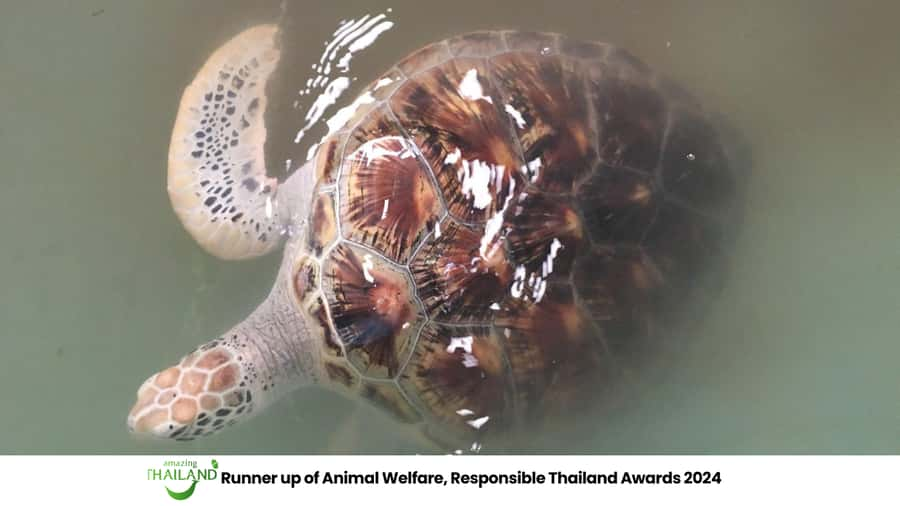
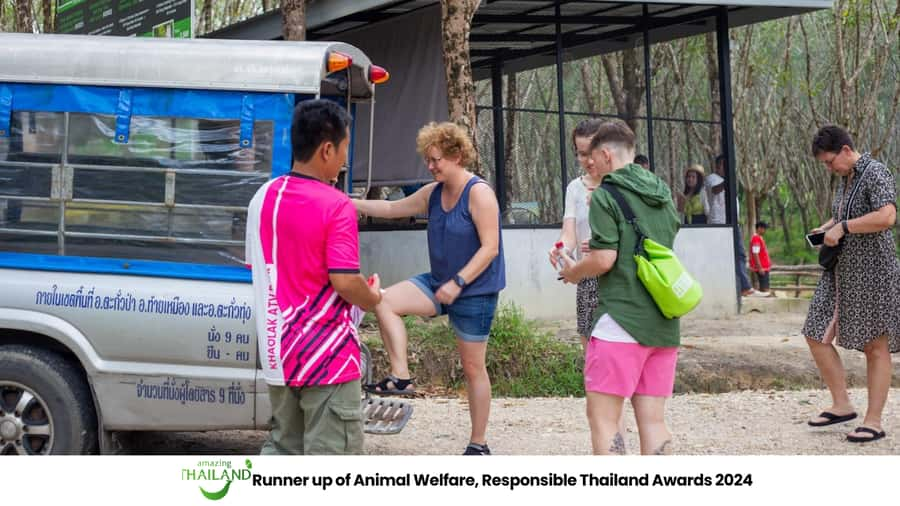
There’s also a strong ethical signal attached to the program: it’s recognized as Runner-up of Animal Welfare at the Responsible Thailand Awards 2024. That doesn’t magically fix every sanctuary on the planet, but it does suggest the operator is aiming for better animal welfare standards.
If you’re sensitive to animal welfare topics, this is also the type of outing where your questions matter. Ask what the elephants’ daily routine looks like, or what “free-roaming” means in practice. The guide support is a consistent theme, and you’ll likely leave with a clearer sense of how care works day-to-day.
Thai set lunch at the sanctuary: stop, eat well, then keep moving
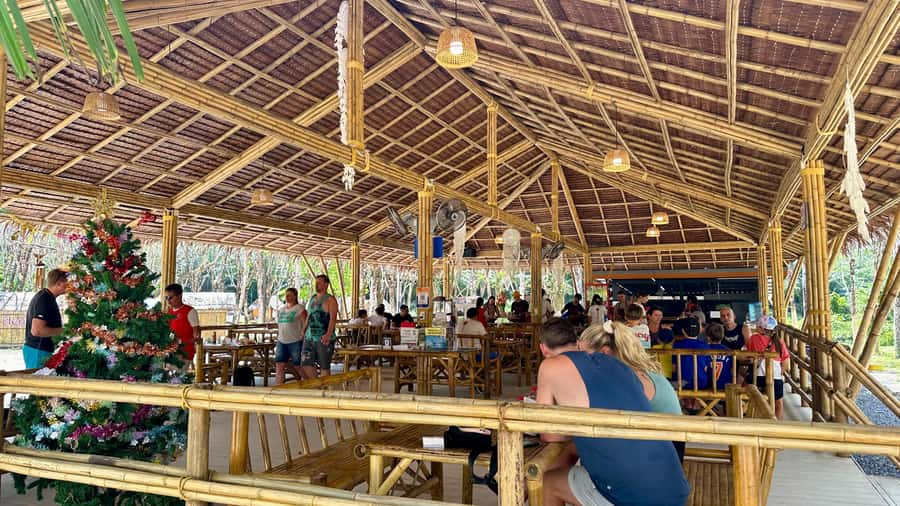
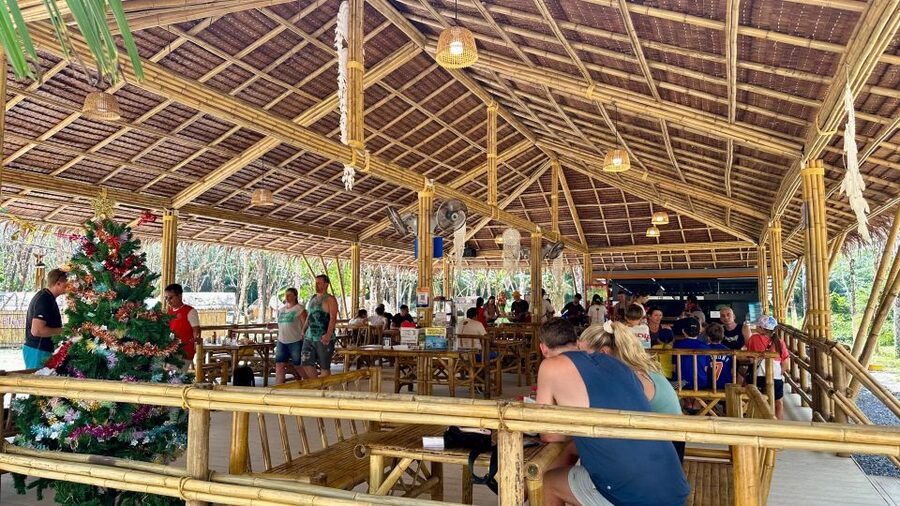
After the elephant walking, you’ll enjoy lunch at the sanctuary. It’s a Thai set lunch, served as part of the flow rather than something you have to figure out on your own.
Why this matters: elephant feeding and jungle walking can make you hungry fast. A set meal means you spend less time hunting for food and more time resting your legs and settling your stomach before the next cultural and conservation stops.
From what I’ve seen in participant feedback, lunch is not treated like a sad add-on. People describe it as genuinely good and more substantial than expected. You’ll also be in a comfortable spot to take a breather, hydrate, and reset.
Quick practical note: bring sunscreen and a hat. You’ll be outside enough that you’ll notice if you underpack.
Khao Lak tsunami history: Patrol Boat 813 and a sobering museum visit
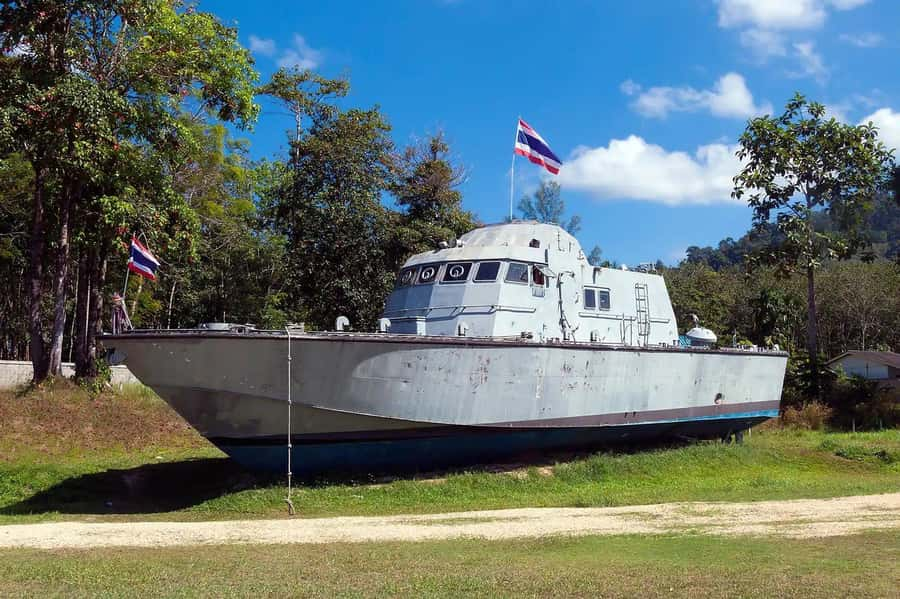
Then the tour turns from animal-focused to human history and loss. You visit the Police Boat Tsunami Memorial and then the International Tsunami Museum, centered on the 2004 tsunami and how Khao Lak was affected.
The most striking specific detail here is the presence of Patrol Boat 813, displaced about 2 km from its original location during the disaster. That kind of physical anchor helps the story land. You’re not only looking at dates and photographs—you’re seeing evidence that stays after the waves.
The museum stop is described as both sad and interesting, and that combination is exactly what you should expect. Plan your emotional bandwidth. If you know you get affected by tragedy-related topics, take a moment before you go in. It’s okay to feel it.
This isn’t a long stop—about 30 minutes for the patrol boat memorial visit, with museum time as part of the tsunami section—but the impact can be heavy. I’d treat this as the tour’s main “mind stop,” a chance to understand why Khao Lak’s recovery matters, long after the headlines fade.
Wat Lak Kaen and the waterfall break: relaxing time with one flexibility catch
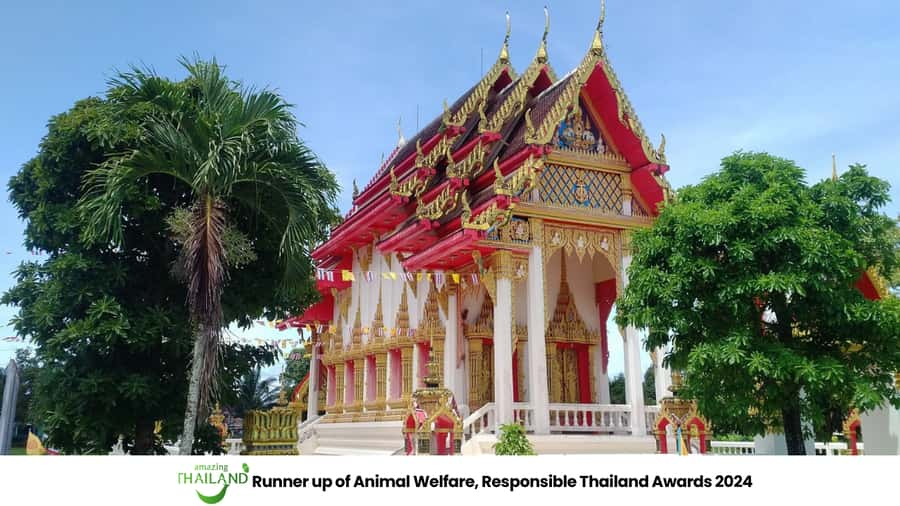
Between the tsunami memorial area and the turtle center, you’ll also visit Wat Lak Kaen for a guided stop of about 30 minutes. Temple visits on tours like this usually work best when you keep your expectations simple: you’re there to learn what you’re seeing, not to do a multi-hour temple marathon. A guide adds value here by explaining the engravings and paintings so it feels less random.
There’s also a waterfall break mentioned as part of the overall experience rhythm. In warm-season Thailand, a quick pause at a waterfall can feel like a reset button: cooler air, shade, and a chance to stretch after the morning.
Here’s the one consideration you should plan around: if the water level at the waterfall is low and swimming isn’t possible, the tour provides an alternative experience at Khaolak Waterside. The operator also notes they are not obligated to inform customers in advance. So you’ll enjoy yourself more if you treat swimming as a bonus, not a promise.
If you’re the type who comes mainly for a photo spot or a dip, still bring your swim-ready mindset—but keep the expectation flexible. The alternative still gives you time outdoors.
Royal Thai Navy Turtle Nursery: conservation you can actually picture
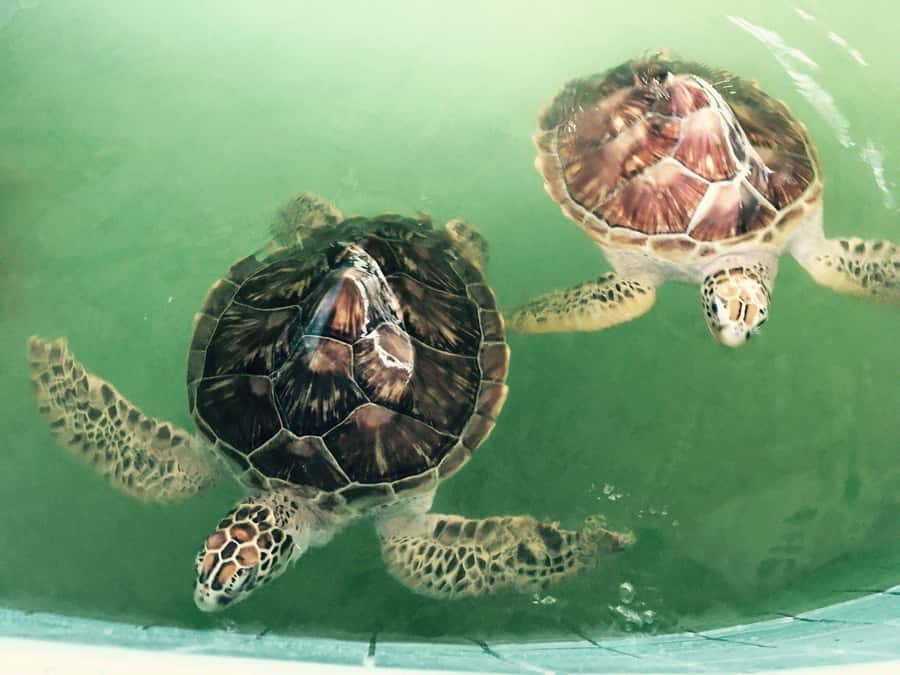
Next comes the turtle center. You’ll visit the Royal Thai Navy Third Fleet Turtle Nursery (Phang Nga) for about one hour, with a guided explanation of the conservation work.
This stop tends to land well because it’s not just “look at turtles.” It’s about how turtles are protected and what the center does to support them until they’re ready for a better chance at life in the ocean.
Participants often highlight seeing the breeding and care efforts up close, including hatchlings in some cases. Your experience won’t be identical every day, but you can reasonably expect that the guide will explain the stages of care and how the nursery supports local conservation.
One practical tip: turtles are slow, but the center schedule can be steady. Give yourself the gift of patience. Stand where the guide directs you and listen, even if the action seems quiet at first. The story behind the quiet is the point.
Price and value check: what $112 buys in 4 hours
At about $112 per person for a 4-hour tour, you’re paying for more than one activity bundled tightly in Khao Lak. The value isn’t only the elephants. It’s the combination:
- Elephant sanctuary time with walk-and-feed style interaction in a responsible format
- Tsunami memorial and International Tsunami Museum focused on 2004 impact, including Patrol Boat 813
- Temple stop at Wat Lak Kaen for cultural context
- Sea turtle conservation center with guided learning
- Lunch included
- Tour guide throughout
- Hotel pickup and drop-off if you choose that option (and pickup is available from Khao Lak and Bang Sak)
Is it expensive compared to a single attraction? Yes, probably. But you’re not buying one checkbox. You’re buying a guided sampler where your driver and guide connect the dots. For many people in Khao Lak, that time efficiency is the real win.
Also, the small group size matters here. When a tour packs a lot in, smaller groups usually mean you spend less time waiting and more time actually seeing. The consistently high marks for transport quality reinforce that this is built to run smoothly.
Who should book this safari, and who should skip it
This tour makes sense if you want:
- A morning that’s more than beaches: animals plus history plus conservation
- An elephant experience that emphasizes observation and care rather than tricks
- A guide-led day where you can ask questions and understand what you’re seeing
- A half-day plan that still feels full, not thin
It may not be the best choice if you strongly prefer one subject only. If your main goal is turtles, for example, you might prefer a longer turtle-focused visit. If you can’t handle emotional topics, the tsunami museum may feel like too much in one sitting.
Also note the tour rules: alcohol and drugs are not allowed, and riding the animals isn’t part of the activity. If you came hoping for a ride photo, you’ll be disappointed.
Should you book this Khao Lak Eco-Safari?
If you’re building a short stay in Khao Lak and you want a day that mixes ethical elephant time, real-world tsunami history, and Thai Navy turtle conservation, I think this is a strong pick. The pacing is designed for a half day, and the small group format helps keep it from feeling like you’re sprinting through stops.
Book it if you’re excited by the chance to walk and feed in an ethical sanctuary setting and you’re ready for the tsunami section to be emotionally heavy. Skip or choose something else if you’re only in it for a fun, carefree outing, especially because the itinerary includes a memorial focused on a real disaster and the waterfall portion can change with conditions.
If you want, tell me your travel dates and whether you’re staying in Khao Lak or Bang Sak, and I can suggest the best way to pair this with a beach afternoon or a sunset plan without overloading your schedule.
FAQ
How long is the Khao Lak Eco-Safari tour?
The tour duration is 4 hours.
How much does it cost, and what’s included?
It costs $112 per person and includes a tour guide, lunch, and hotel pickup and drop-off if you select that option.
What is the group size?
It’s a small group limited to 10 participants.
Where do you get picked up from?
You can be picked up from Khao Lak or Bang Sak, and you can also request pickup from anywhere in Khao Lak (if the option is selected).
Is the tour in English?
Yes, the tour guide is English-speaking.
Can I ride the elephants?
No. Riding the animals is not allowed.
Are alcohol and drugs permitted?
No. Alcohol and drugs are not allowed.
What should I bring?
Bring sunglasses, a hat, and sunscreen.
What happens if swimming at the waterfall isn’t possible?
If the waterfall water level is low and swimming is not possible, the tour offers an alternative experience at Khaolak Waterside, and they note they are not obligated to inform customers in advance of the change.