REVIEW · ROME
Skip-the-Line Entry Tickets Vatican Museums & Sistine Chapel
Book on GetYourGuide →Operated by Dream Awaits Tours · Bookable on GetYourGuide
A Vatican Museum skip-the-line ticket saves your energy. This one is self-guided, so you can move at your own pace through the major courts and galleries, then end in the Sistine Chapel without a group schedule. I especially like the reserved-entry style that aims to prevent the worst queue stress, and the route that includes big-name rooms like Raphael’s frescoes and the Sistine Chapel. One thing to weigh: it’s not a guided tour, so if you want commentary or deep context on every room, you’ll need to supply that yourself (or accept looking at labels and going by vibe).
What makes this experience practical is how the visit is built: start in the open-air courtyards for orientation, then flow into sculpture and painting showpieces, finishing with the chapel experience. You also get a 2-hour window, which is a real constraint here—meaning you’ll want a plan for what to prioritize when the crowds and room-to-room movement pick up. And logistics matter: you’ll be asked to check bags and dress modestly for some areas.
If you’re the type who likes art on your own terms—pausing, stepping back, and deciding when you’re ready to move—this ticket fits. Just keep your expectations aligned with what it is: skip-the-line entry, not a full tour with a specialist guiding your route and timing.
In This Review
- Key things to know before you go
- Skip-the-Line Entry: What You Actually Save in the Vatican
- Your 2-Hour Path Through the Vatican Museums
- Pine Courtyard: the calm start with a St. Peter’s Dome view
- Belvedere Courtyard and the Belvedere Torso
- Gallery of Maps: Italy painted like a 16th-century dream
- Candelabra Gallery and the art of good “in-between” rooms
- Pio Clementino Rooms: Laocoön and His Sons
- Tapestry Gallery: weaving as a kind of storytelling
- Raphael Rooms: School of Athens and the Renaissance in full color
- Sistine Chapel: Your Payoff, Your Pace, Your Priorities
- Meeting Point, Entry Rules, and How to Avoid Small Delays
- Where to meet
- When to arrive
- What you’ll have to store
- Dress code
- Price and Logistics: Is $69 Good Value for This Ticket?
- The Host and Self-Guided Reality: Helpful Support, No Commentary
- Who This Ticket Fits Best (and Who Might Be Happier Elsewhere)
- Should You Book This Vatican Skip-the-Line Ticket?
- FAQ
- FAQ
- How long is the Vatican Museums and Sistine Chapel skip-the-line entry?
- Is this a guided tour?
- What’s included in the ticket?
- Where is the meeting point?
- What time should I arrive at the meeting point?
- Do I need to check bags or umbrellas?
- Is St. Peter’s Basilica included?
- Is the ticket refundable?
Key things to know before you go
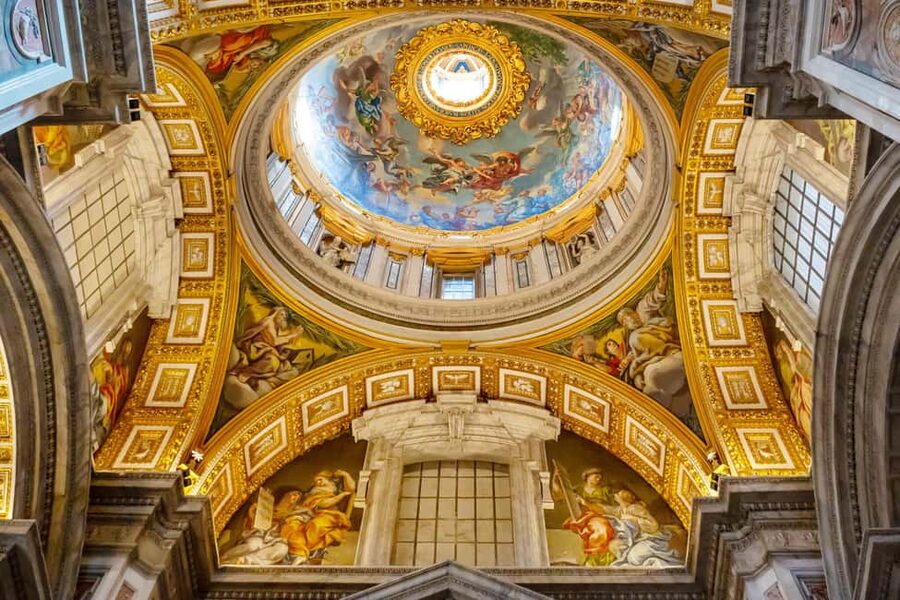
- Self-paced route across Vatican Museums highlights, with no guide narration
- Reserved entry idea that uses a separate entrance to reduce waiting
- Courtyard-to-chapel flow that helps you orient before you hit the big rooms
- Major stops are included: Belvedere Torso, Raphael Rooms, Sistine Chapel frescoes
- Modest dress and bag rules can slow you down if you show up unprepared
- English host support is available on-site if you need help getting inside
Skip-the-Line Entry: What You Actually Save in the Vatican
The Vatican Museums are famous for lines that can feel like a test of patience. The value of this ticket is simple: it’s designed to get you through faster via skip-the-line entry and a reserved-entry approach. Instead of spending your best morning standing still, you start the day with momentum—and that matters because the museums can otherwise feel like one long queue after another.
This is also a “your pace” setup. You aren’t herded into a single walking speed, and you aren’t waiting for someone else’s photo moment. That’s great for people who want to spend time with a particular work—like Michelangelo’s Pietà is called out as a highlight you can enjoy with extra time built in—while still moving through a well-known route.
The one possible drawback is also part of the same logic: if you’re expecting a guided interpretation (who the artists were, what symbols mean, why a room is arranged a certain way), you won’t get that from this experience. You’ll be relying on signage and your own curiosity. If that sounds like fun, you’re in the right place. If you want a lecturer in your ear for two hours, you may feel shortchanged.
A few more Rome tours and experiences worth a look
Your 2-Hour Path Through the Vatican Museums
This isn’t an open-ended wandering pass. The experience is timed at 2 hours, self-guided. That means your visit works best if you treat it like a curated route you can personalize slightly—not like you’ll have time for every niche corner.
Here’s how the flow typically works, and what each part means for your experience:
Pine Courtyard: the calm start with a St. Peter’s Dome view
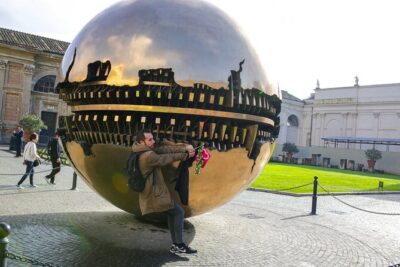
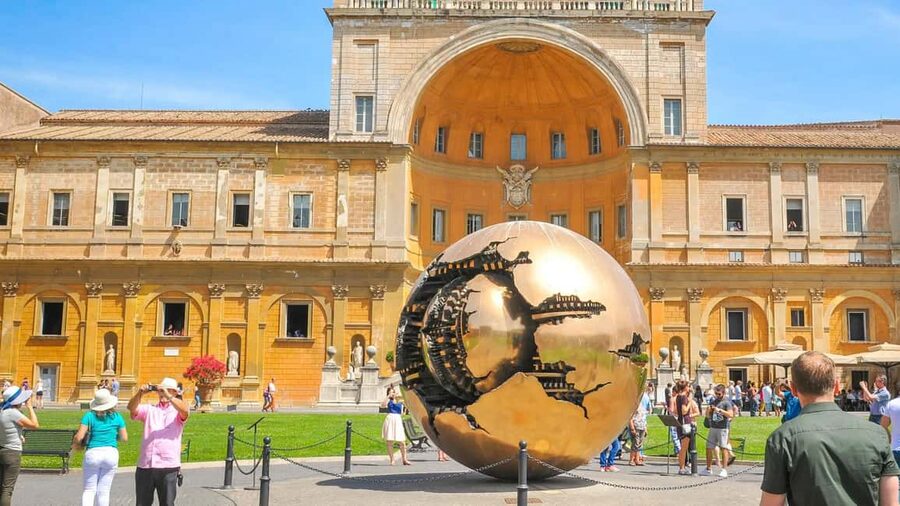
You begin in the Pine Courtyard, a tranquil open space with views of St. Peter’s Dome. This is a smart way to start because it helps you orient before you head indoors. It also gives you a breather right after entry—handy when the Vatican feels like sensory overload.
Belvedere Courtyard and the Belvedere Torso
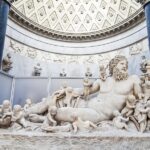
Next is the Belvedere Courtyard, home to the famous Belvedere Torso. The interesting part here isn’t just seeing a sculpture—it’s understanding that artists for centuries studied works like this for proportion and movement. Even if you’re not a sculpture expert, it’s one of those pieces that makes you pause because it’s clearly influential.
Gallery of Maps: Italy painted like a 16th-century dream
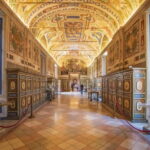
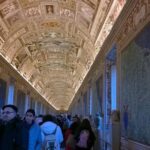
Then you move into the Gallery of Maps, with painted 16th-century depictions of Italy’s regions. This room is a breather from the heavy sculpture focus and a good chance to look up and around, not just forward. It’s also a reminder that the Vatican Museums aren’t only about Rome—they’re about Europe’s imagination, geography, and how people once visualized the world.
You can also read our reviews of more museum experiences in Rome
Candelabra Gallery and the art of good “in-between” rooms
The route continues through the Candelabra Gallery. You may not spend as long here as you do in the headline rooms, but these in-between galleries help the experience feel like a real journey. They prevent the visit from becoming a checklist.
Pio Clementino Rooms: Laocoön and His Sons
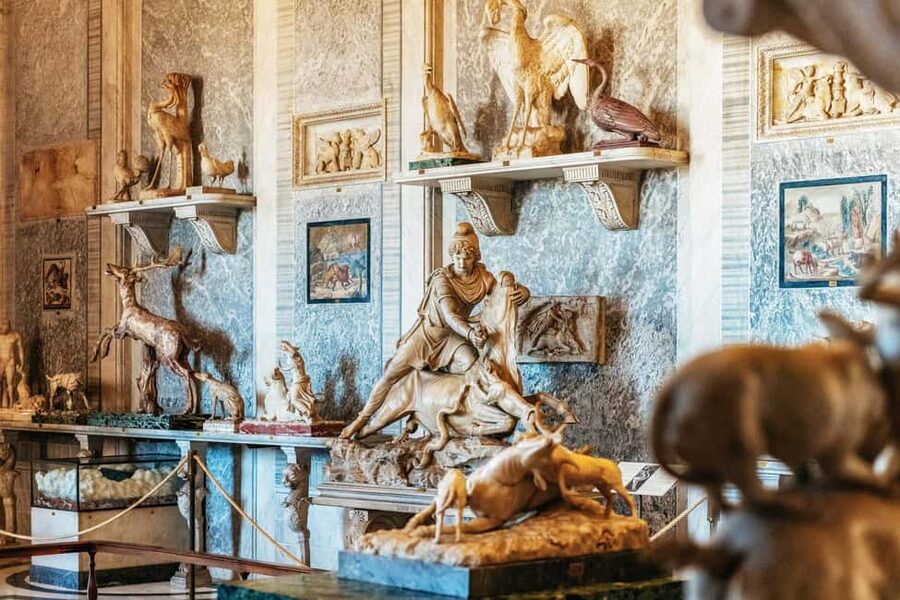
In the Pio Clementino Rooms, you’ll see major sculpture including Laocoön and His Sons. This is where the museum’s theatrical side shows. It’s dramatic, intense, and easy to understand even without a lecture. If you like art that grabs you by posture and emotion, this is a strong stop.
Tapestry Gallery: weaving as a kind of storytelling
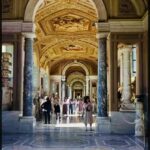
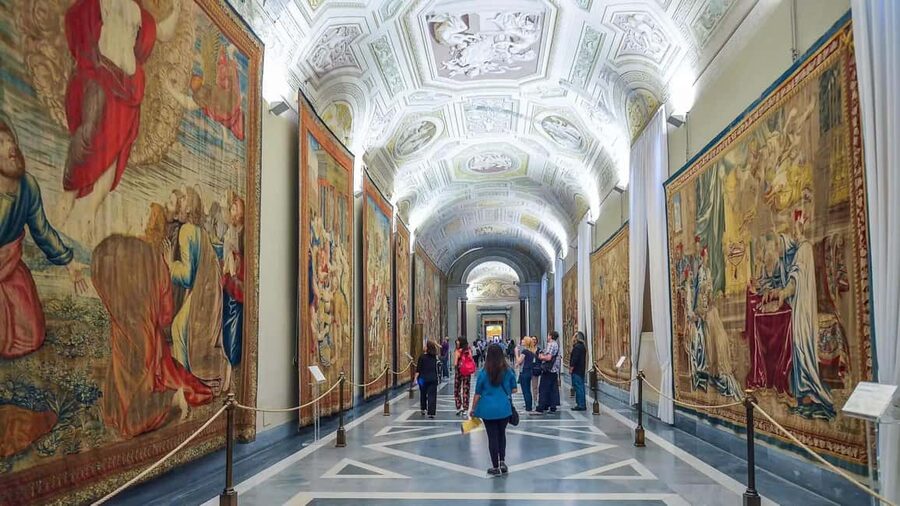
Next comes the Tapestry Gallery, where intricately woven masterpieces are displayed. Tapestries can be overlooked when people fixate on marble and frescoes, but this stop is worth your attention because it changes the texture of what you’re seeing—literally. It’s also one of those rooms where slow looking pays off.
Raphael Rooms: School of Athens and the Renaissance in full color
Finally, you reach the Raphael Rooms, with frescoes like The School of Athens. These rooms are the reason many people come. If you’re short on time, focus on learning the big picture: these frescoes helped define how Renaissance thinkers pictured knowledge, philosophy, and classical learning. Even with no guide, you’ll feel the room’s purpose as you move wall to wall.
Sistine Chapel: Your Payoff, Your Pace, Your Priorities

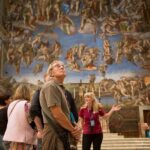
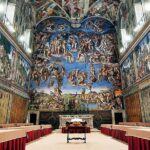
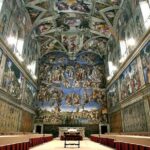
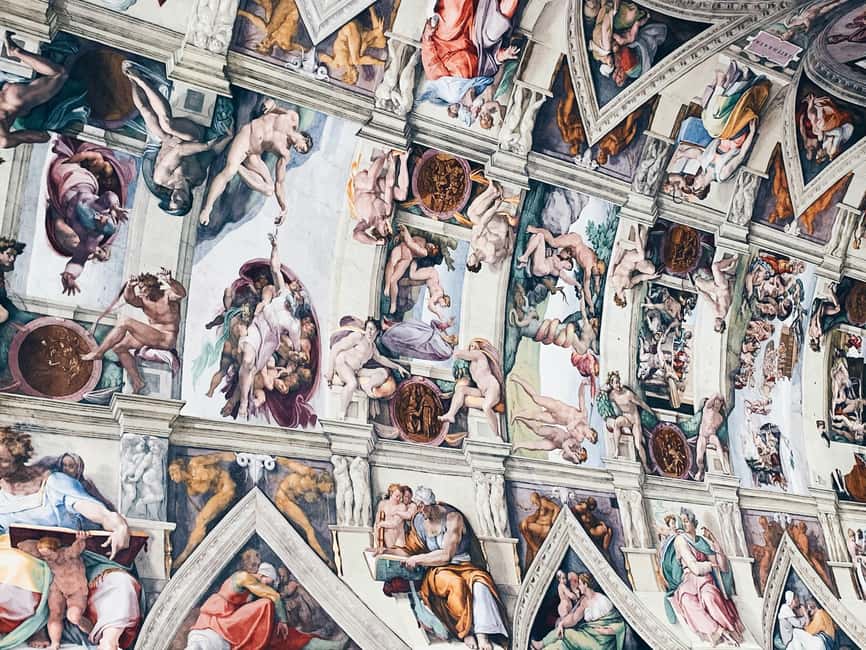
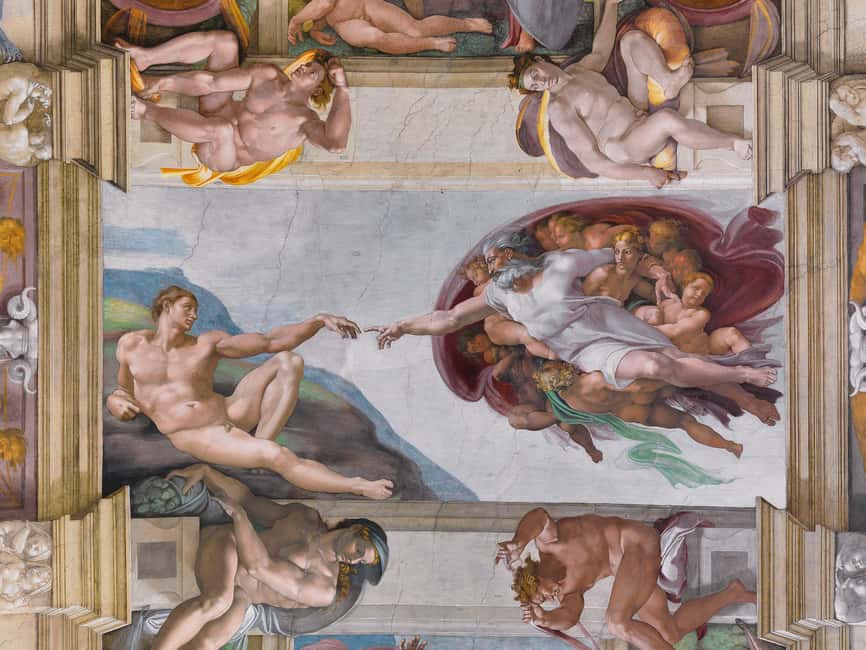
The visit ends with the Sistine Chapel, and the ticket sets you up for the final scene: Michelangelo’s frescoes including The Creation of Adam and The Last Judgment. This is the part people remember because it’s impossible not to react.
The self-guided setup changes how you experience it. You won’t get a guide telling you where to look or what specific details mean, so you’ll want to decide what you personally want from the chapel:
- Want iconic moments and emotional impact? You’ll probably do well here just by looking up and taking your time.
- Want to understand every symbol and storyline? A guided tour or a prepared reading plan would have helped more.
Also, your time is limited to 2 hours total for the whole experience. That means the earlier rooms matter. If you linger too long in the courts and skip the museum’s pacing, you might find the chapel feels rushed. On the flip side, if you’re always rushing, the chapel won’t land the way it should. The sweet spot is steady movement earlier, then slower looking at the end.
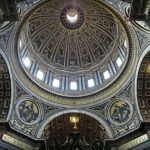
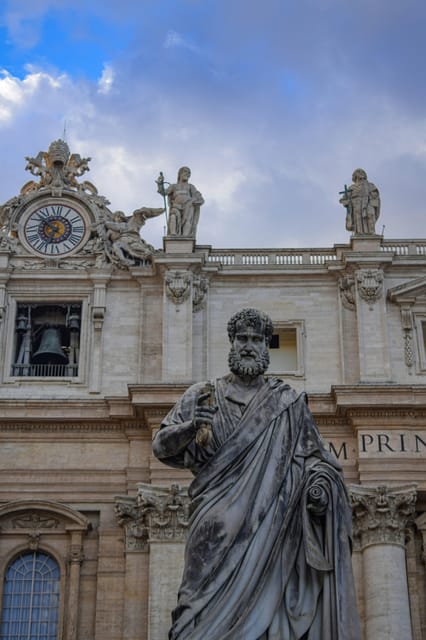
If St. Peter’s Basilica is on your plan too, note this ticket does not include dome access. The information says you get a ticket to St. Peter’s Basilica for free of charge, but access is not guaranteed and can vary due to crowd control. That’s a key detail because it affects whether you can smoothly continue your day.
Meeting Point, Entry Rules, and How to Avoid Small Delays
This is where the Vatican punishes sloppy timing, so I’m glad the setup gives clear steps.
Where to meet
Your meeting point is near the Leone iv Bus Stop, about 3 minutes walking distance from Ottaviano Metro A station. If you’re arriving from the metro, aim to walk confidently and don’t wait until the last minute to find the exact spot.
When to arrive
You’re asked to arrive 15 minutes before your scheduled time. This isn’t just a formality. With museums, timing means the difference between a quick handoff and getting stuck while things sort out.
What you’ll have to store
Backpacks, large bags, and umbrellas must be checked into the cloakroom. If you show up with big luggage, you’ll spend time dealing with the storage process—time that eats into your 2-hour window. Comfortable shoes are also strongly recommended because you’ll be walking through multiple rooms and galleries.
Dress code
Modest dress is required for entry into some sites. This is common at Vatican-controlled entrances, but it’s still worth planning ahead—especially if your day involves a busier Rome itinerary before the museum.
Price and Logistics: Is $69 Good Value for This Ticket?
The price is listed at $69 per person for a 2-hour skip-the-line, self-guided experience. On paper, that sounds steep compared to the idea of buying a standard ticket. One review even mentioned paying around €20 for a typical entry and calling out how much higher this felt.
So what are you paying for?
- Time saved through a reserved entry and separate entrance approach
- Host service from the office plus assistance on-site
- A route that reliably takes you through major rooms without needing a full guided program
In practice, the value depends on your tolerance for uncertainty. The biggest advantage shows up when the system runs smoothly and your entry time connects cleanly to the museum flow. A couple of positive experiences specifically highlighted Lydia as very helpful and quick to support guests through the process, including being willing to help ensure you get there in time at the gate.
The downside shows up when timing or meeting logistics go wrong. One negative experience described issues with the provider address and waiting a long time, then having to get regular tickets and queue again later. That’s the risk you’re buying into with any “skip-the-line” product: sometimes the line isn’t the only bottleneck—meeting point confusion and voucher handling can also create delays.
My practical take: if you’re traveling with a tight schedule, the skip-the-line style can be worth the cost. If you’re flexible and don’t mind line time, you might decide the base ticket price is enough. If you book, protect yourself with preparation: arrive early, keep your confirmation info accessible, and be ready for cloakroom rules.
The Host and Self-Guided Reality: Helpful Support, No Commentary
This experience includes host service from the office and assistance available on-site. The host is listed as English. That’s comforting, because even in a self-guided format, you want someone you can find if the check-in process gets confusing.
The reviews also point to Lydia as the name that came up in help at the gate and through the process. That suggests the on-site human support can make a difference, especially if you’re trying to connect your ticket to the correct entrance.
But you’re still self-guided once you’re inside. That means you’ll be reading labels and following the room flow rather than getting a guided narrative. For some people, this is exactly right. For others, it can feel thin—especially in rooms with complex symbolism like Raphael’s frescoes or the chapel itself.
If you want more meaning without hiring a guide, you can prepare lightly before you go. Even a short checklist of what to look for—Creation of Adam, Last Judgment, School of Athens—can turn a self-guided visit into something memorable rather than purely observational.
Who This Ticket Fits Best (and Who Might Be Happier Elsewhere)
This is a strong match if you:
- Want to reduce time wasted in lines and get into the museum efficiently
- Prefer a self-paced visit where you can stop for photos or long looks
- Are comfortable using signage and your own curiosity
- Are short on time but still want the big names: Raphael Rooms and the Sistine Chapel
It’s less ideal if you:
- Want a guided lecture with context and pacing control
- Need help navigating the Vatican Museums in a structured way
- Feel anxious about logistics (meeting points, cloakroom rules, timing)
The 2-hour limit also means you have to be decisive. Think of it as a “greatest hits” route you can slightly tailor, not a slow art study.
Should You Book This Vatican Skip-the-Line Ticket?
I’d book it if your top priority is getting inside fast and you’re happy to explore on your own. The included route hits the rooms people actually plan their Vatican day around, and the on-site host support can be helpful if you need direction at the start.
I’d pause before booking if you’re the type who needs a tight plan and detailed explanation. This is not a guided tour, and your time is limited. Also, because the experience depends on smooth entry logistics, give yourself extra cushion by arriving early and being ready with your confirmation details.
If you book, go in smart: wear comfortable shoes, keep your bag situation simple so you can use the cloakroom quickly, dress modestly, and don’t underestimate the walk from the metro area to the meeting point. Do that, and the skip-the-line concept has a real chance to pay off.
FAQ
FAQ
How long is the Vatican Museums and Sistine Chapel skip-the-line entry?
The duration is 2 hours. Starting times depend on availability.
Is this a guided tour?
No. It’s a skip-the-line entry experience with a self-guided visit, so you explore at your own pace.
What’s included in the ticket?
You get skip-the-line tickets to the Vatican Museums, host service from the office, and assistance available on-site.
Where is the meeting point?
It’s near the Leone iv Bus Stop, about a 3-minute walk from Ottaviano Metro A station.
What time should I arrive at the meeting point?
Arrive 15 minutes before your scheduled time.
Do I need to check bags or umbrellas?
Yes. Backpacks, large bags, and umbrellas must be checked into the cloakroom.
Is St. Peter’s Basilica included?
A ticket to St. Peter’s Basilica is listed as free of charge, but access is not guaranteed and can vary due to crowd control. Access to the dome is not included.
Is the ticket refundable?
No. This activity is non-refundable.