REVIEW · SINGAPORE
Singapore ArtScience Museum Admission Ticket
Book on Viator →Operated by GlobalTix Pte Ltd · Bookable on Viator
The ArtScience Museum turns a museum visit into a tech show. With 21 gallery spaces and a family-friendly focus on the mix of art and science, it’s an easy stop in Singapore that you can shape to your schedule. I like how the ticket gets you inside Singapore’s iconic lotus-shaped building at Marina Bay Sands, then hands you the keys to explore on your own pace.
What I really like is Future World: Where Art Meets Science, a digital universe built around interactive installations (including Digital Light Canvas). The main thing to consider is that the experience leans heavily digital and visual. If you’re expecting classic lab-style science exhibits, you may find it more neon-and-interactive than educational in a traditional way.
In This Review
- Key things to know before you go
- ArtScience Museum at Marina Bay Sands: a museum that acts like a media room
- Future World: Where Art Meets Science and the teamLab-style wow factor
- Digital Light Canvas: where the interaction actually happens
- Choosing your entry time: peak, off-peak, and why timing changes the mood
- How much time should you set aside for the ArtScience Museum?
- The rest of the museum: beyond Future World
- Price and value: is $4.83 a good deal?
- Crowd reality: how to avoid the frustration zone
- Who should book this ticket?
- Should you book the Singapore ArtScience Museum admission ticket?
- FAQ
- Where is the ArtScience Museum located?
- What is included with this ticket?
- Can I choose my entry time?
- How long can I spend at the museum?
- What are the peak and off-peak days?
- What is Future World: Where Art Meets Science?
- Is teamLab part of the experience?
- Are souvenir photos included?
- When will I receive the official ticket?
- What are the age categories for tickets?
Key things to know before you go
- Timed entry: pick an admission time that matches your day plan
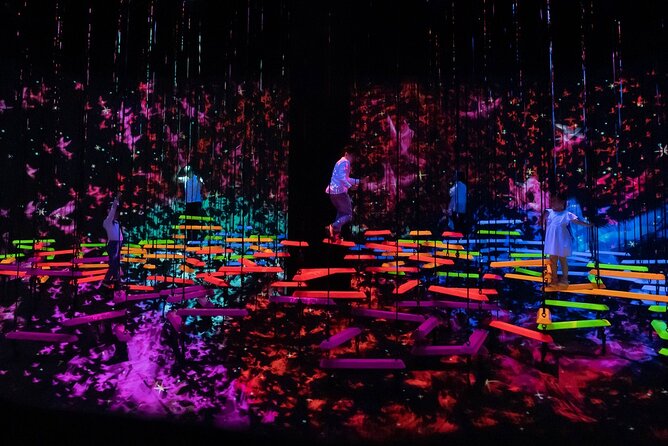
- Future World includes 16 digital installations plus interactive artwork
- Digital Light Canvas: hands-on digital experience built for play
- teamLab partnership: a major part of the museum’s interactive identity
- 21 gallery spaces across art, culture, science, and technology
- Small group limits: the activity has a maximum of 15 travelers, and staggered arrival is recommended
ArtScience Museum at Marina Bay Sands: a museum that acts like a media room
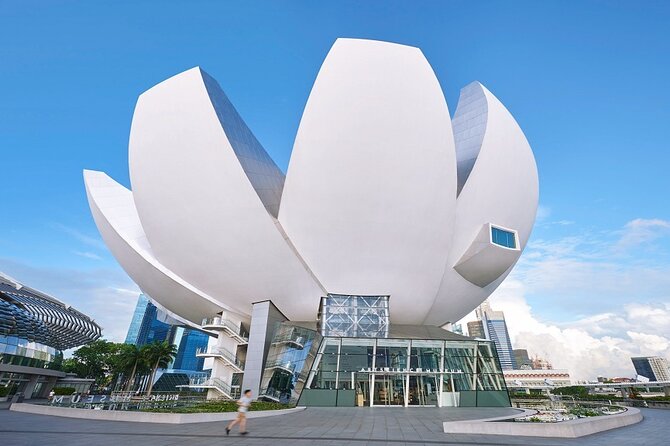
The ArtScience Museum is in one of Singapore’s most recognizable buildings, the lotus-inspired structure at Marina Bay Sands. From the outside, it’s already a photo magnet. Inside, the museum feels designed for modern attention spans: light, sound, screens, motion, and lots of “try it yourself” moments.
The big idea is that you’re not just looking at art. You’re watching art explain itself through science and technology, and you’re watching technology behave like a creative medium. That matters because it changes what you’ll do for fun. Instead of walking quietly through halls, you’ll often pause to experience something directly, like a digital artwork that reacts to what you do or how you move.
If you like the intersection of ideas—art meets tech, culture meets science—this place is set up to satisfy that curiosity without making you read a ton of labels.
A few more Singapore tours and experiences worth a look

Future World: Where Art Meets Science and the teamLab-style wow factor
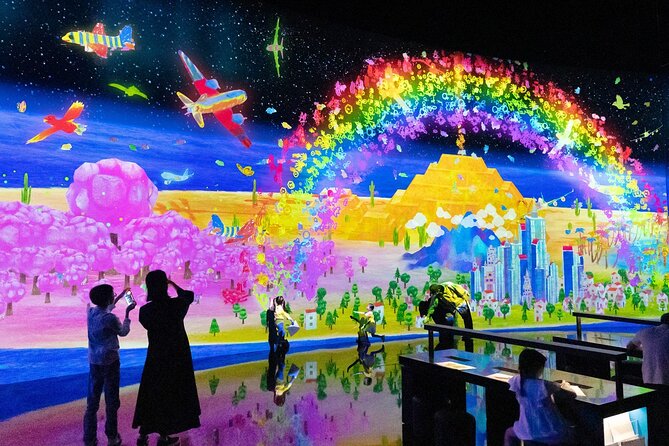
Most people come for Future World: Where Art Meets Science, and for good reason. It’s described as a digital universe with 16 unique installations, so you’re not just seeing one big thing. You’re moving through a set of environments that feel like they belong to an interactive story.
A key detail: the museum’s Future World experience partners with teamLab, a Japanese interdisciplinary art collective known for turning digital work into immersive scenes. In practical terms, that means you can expect advanced digital installations that blend art, science, and play.
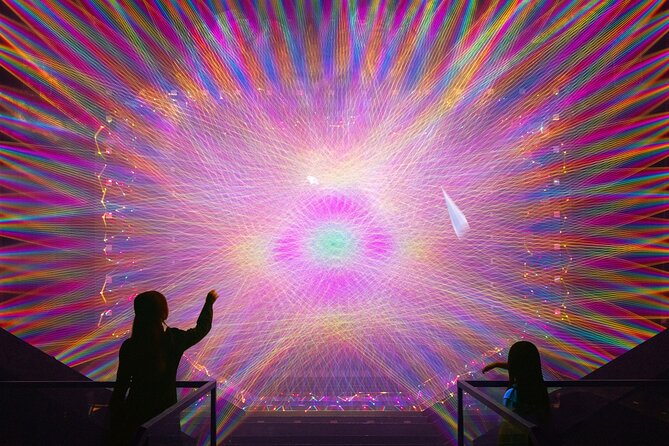
Here’s what that usually feels like on site: a series of rooms or zones where the visuals are the main event. You might see bright light-based experiences, interactive components, and activities that make kids and adults do something besides stand still. It’s also set up for families. The museum is family-friendly by design, so if you’re traveling with children, you’ll find plenty of moments where engagement comes naturally.
One caution based on common feedback patterns: the museum can feel “less science lab” and more “interactive digital art.” If you want equations, experiments, or hands-on chemistry-style learning, you might be underwhelmed. If you’re open to the idea that science can be experienced through light, motion, and responsive tech, you’ll probably enjoy the show.
Digital Light Canvas: where the interaction actually happens
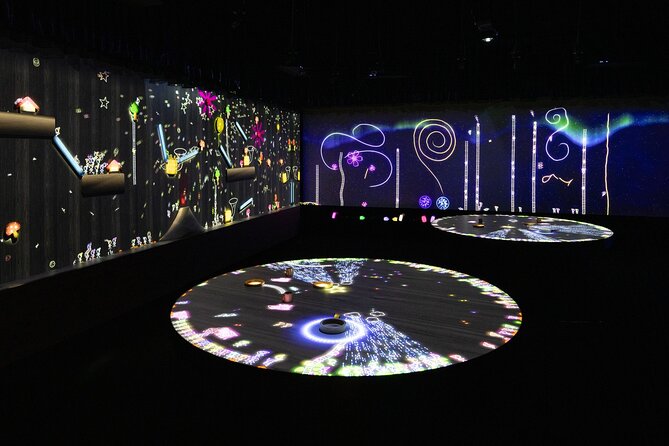
Digital Light Canvas is singled out as an interactive digital experience, and that’s a big deal for two reasons.
First, it’s not only for looking—it’s for doing. You get a chance to create, not just observe. That’s the kind of activity that turns a museum stop from “we walked through” into “we made something” (even if what you create is digital).
Second, it’s the type of feature that works across ages. Even if you have a mix—one person who wants visuals, one who wants movement, one who’s just trying to keep kids entertained—this kind of hands-on interaction usually keeps the whole group engaged.
How to make the most of it:
- Give yourself time to repeat it. The first go-through can be about figuring it out, and the second time is where you start enjoying it more.
- Don’t plan your tightest schedule right before this. Interactive zones often take longer than you expect, especially with families.
Choosing your entry time: peak, off-peak, and why timing changes the mood

This ticket lets you choose an entry time, so you’re not stuck with whatever the day gives you. That’s helpful in a city where weather and crowds can shift fast.
The museum’s guidance is clear:
- Peak: Friday to Sundays and Singapore Public Holidays
- Off-peak: Mondays to Thursdays, excluding public holidays
They also recommend visiting during weekday hours—10am to 7pm—and specifically suggest staggered arrival in smaller groups (they mention groups of 20pax as a reference). Add in the fact that the Future World part of the experience can sell out, and timing becomes more than a preference. It can be the difference between a smooth entry and scrambling at the last minute.
My practical take: if you’re trying to keep your day stress-free, pick an off-peak slot when you can. If you’re traveling on a weekend, treat your entry time like a reservation at a popular restaurant. Plan to arrive a bit early so you’re not rushing through the queue process.
How much time should you set aside for the ArtScience Museum?

The admission window is listed as 1 to 6 hours (approx.). That range is your clue that you can build your visit to match your stamina.
If you’re focused mainly on Future World, you can likely concentrate on the digital installations and interactive areas rather than spending equal time across every gallery. If you’re curious and want to spread out, you can use the extra hours to explore additional spaces after Future World.
The museum itself is described as having 21 different gallery spaces, covering art, culture, science, and technology. That’s more than a “one-room attraction,” which is why the longer end of that time range makes sense. You’ll want time to move between zones, catch your breath, and revisit the interactive areas that you liked most.
My advice: don’t over-plan what you’ll see. Pick your “must” (Future World) and then allow the rest of the museum to be a wandering route based on what grabs you.
The rest of the museum: beyond Future World

Future World is the headline, but the ArtScience Museum isn’t only one exhibit. With 21 gallery spaces, it’s positioned as a crossovers museum—art and science, culture and technology.
What that means for you in practice is variety. You can shift from playful digital experiences to more traditional gallery-style viewing, depending on what’s running during your visit. Even if you mostly care about the interactive Future World portion, having extra gallery spaces is what helps the museum feel worth the time, not like you spent an hour in a single show.
A useful expectation-setting point: part of the appeal is that the museum can satisfy different moods on the same visit. Some parts feel like play. Other parts feel like explanation through design. If you’re traveling with people who prefer different kinds of museum energy, that flexibility is a real advantage.
Price and value: is $4.83 a good deal?
At $4.83 per person, this ticket price is hard to ignore. The value comes from two things you actually care about:
1) You’re buying entry to a major attraction inside Marina Bay Sands, not just a small exhibit.
2) The ticket is tied to a flexible entry time, and the museum experience spans multiple gallery spaces.
Also, admission isn’t the only thing you’ll spend money on. Souvenir photos are available to purchase, but they’re not included. So if you’re the type who buys photo packages, factor that in. If you’re not, you can keep spending under control.
When this ticket is especially worth it:
- You have kids or teens who like interactive visuals.
- You’re staying around Marina Bay Sands and want a meaningful indoor option.
- You like tech-themed art and want something different from standard gallery museums.
When it might not be worth it:
- You want classic science learning in a traditional museum format.
- You’re going to be annoyed by digital artwork that feels more like entertainment than textbook education.
Crowd reality: how to avoid the frustration zone
One of the most practical themes tied to this kind of timed-ticket experience is availability. Even when you plan well, digital attractions can be popular enough to sell out for specific time blocks.
So here’s the approach I’d use: book a time in advance that matches your day. If you’re traveling in peak periods (weekends or public holidays), lean toward off-peak slots when possible. And when you arrive, don’t show up late expecting everything to be automatic.
If you end up arriving during a high-demand time window, be ready for the fact that you might have to wait or adjust your plan. The museum’s guidance about staggered arrivals exists for a reason: the flow matters.
Who should book this ticket?
This is a strong pick if your group enjoys:
- Interactive digital art and visual experiences
- The idea of art + science + technology as a theme, not a lecture
- A family-friendly outing where kids aren’t bored after five minutes
It’s also a good option for adults who like modern museums and don’t mind that the “learning” can come through feeling and making—not just reading.
It may be a frustrating choice if you’re seeking:
- Traditional science exhibits with a hands-on lab vibe
- A quiet, strictly educational museum that rewards serious study
Think of it as an art and tech experience first, and a science explainer second. That mindset helps you enjoy it more.
Should you book the Singapore ArtScience Museum admission ticket?
Book it if you want an iconic Singapore museum experience with flexible entry, a major interactive highlight in Future World, and a setting that works well for families and mixed-age groups. With 21 gallery spaces and a ticket that can stretch to several hours, you’re not limited to a quick stop.
Skip or reconsider if you mainly want classic science content and don’t enjoy digital, light-based interactive art. In that case, you may leave thinking it was more spectacle than education.
If you’re unsure, choose an off-peak weekday slot and give yourself time to enjoy—not rush. That’s the easiest way to turn a timed ticket into a smooth, satisfying visit.
FAQ
Where is the ArtScience Museum located?
The ArtScience Museum is at Marina Bay Sands in Singapore.
What is included with this ticket?
You get the admission ticket to the ArtScience Museum.
Can I choose my entry time?
Yes. You choose the admission time that fits your schedule.
How long can I spend at the museum?
The visit duration is listed as approximately 1 to 6 hours.
What are the peak and off-peak days?
Peak is Friday to Sundays and Singapore Public Holidays. Off-peak is Mondays to Thursdays, excluding Singapore Public Holidays.
What is Future World: Where Art Meets Science?
It’s a digital experience described as a universe with 16 unique installations and an interactive digital highlight called Digital Light Canvas.
Is teamLab part of the experience?
Yes. Future World is described as partnering with teamLab.
Are souvenir photos included?
No. Souvenir photos are available to purchase, but they are not included.
When will I receive the official ticket?
The official ticket is sent to you within 24 hours. You may also receive a confirmation booking that is not the official ticket.
What are the age categories for tickets?
Adult tickets are valid for ages 13 to 59. Concession tickets cover senior citizens above 60, students, children aged 2–12, people with disabilities (PWD), and NSF.