REVIEW · SINGAPORE
Singapore: Asian Civilisations Museum E-Ticket
Book on GetYourGuide →Operated by GlobalTix Pte Ltd · Bookable on GetYourGuide
Asia in one museum visit sounds too easy.
The Asian Civilisations Museum (ACM) is an object-led way to see how Asian cultures changed over time, with Singapore’s place in those stories sitting in the background. What I like most is that you’re not stuck with big, general panels. You’re surrounded by real artifacts and clear themes that make connections feel concrete.
Two standout areas for me are the gallery layout and the craft rooms. The museum moves through a chronological path, then slows down in spaces focused on textiles and jewelry, where the materials and workmanship do the talking.
One possible drawback: this e-ticket covers permanent galleries only, so if you’re hoping to see special exhibitions, you’ll want to check what’s on during your dates before you count on it.
In This Review
- Key highlights you’ll remember
- A handy way to understand Asia’s connections
- Ticket value: why $8 works for permanent galleries
- Entry basics, who qualifies, and what to expect at the museum
- First impression: the building that sets a cultural mood
- The chronological galleries: seeing how civilizations evolve
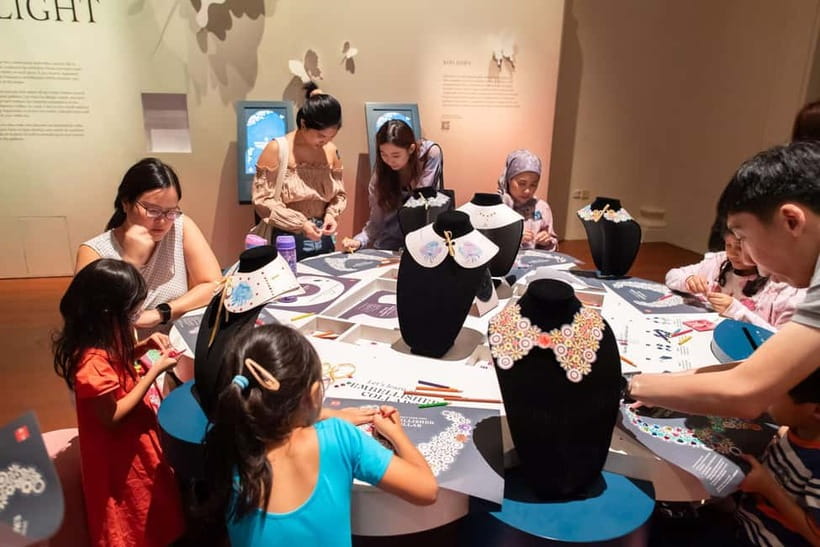
- Craft galleries you can’t really rush: textiles and jewelry
- Textiles: the stories in thread and pattern
- Jewelry: changing taste, changing power
- Southeast Asia gallery: Thai ceramics and Indonesian woodcarving examples
- Special exhibitions and events: worth checking, but not included
- How to pace your visit so it stays fun
- Who should book this ACM e-ticket?
- Should you book the Asian Civilisations Museum e-ticket?
- FAQ
- Is admission to the permanent galleries included?
- Where do I redeem the e-ticket?
- How much is the ticket?
- Do kids need a ticket?
- Are there any senior discounts?
- Can Singapore Citizens or Permanent Residents get in for free?
- Is the museum wheelchair and stroller accessible?
- Can I reserve and pay later, and what about cancellation?
Key highlights you’ll remember
- Chronological galleries that track Asian civilizations from early forms to later eras
- Textiles gallery featuring embroidered fabrics and batik-style prints
- Jewelry gallery showing ornate adornments and changing styles
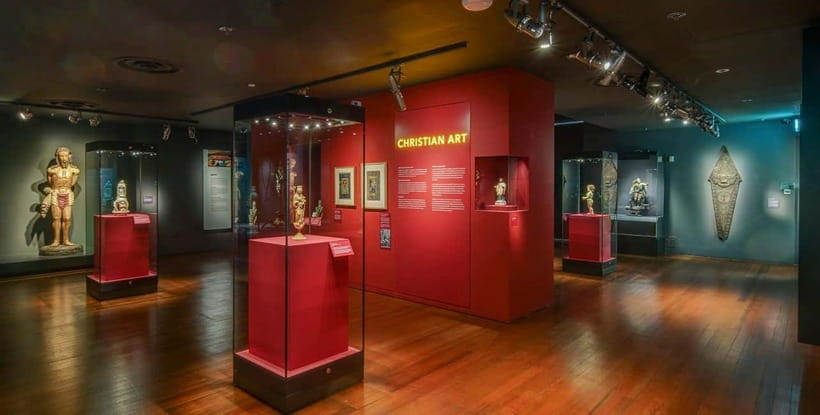
- Religious and cultural connections through statues and art across traditions
- Southeast Asia focus with Thai ceramics and Indonesian woodcarving examples
- Strong object display that makes history feel tangible, not abstract
A handy way to understand Asia’s connections
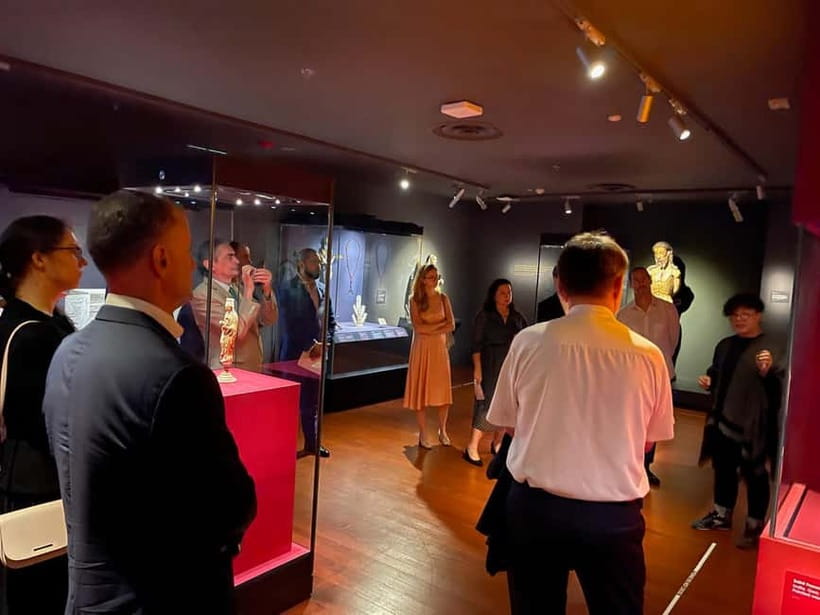
ACM is built for people who like learning through things they can see. The museum’s big strength is structure: you get a sense of how ideas, trade, and beliefs traveled and transformed across Asia, and how those movements connect back to Singapore’s wider history.
The look matters too. The museum itself is described as an architectural blend of traditional and modern design, so your visit starts with a sense of place. It’s not just inside that feels planned; the building sets expectations that culture here isn’t treated like a side dish.
A few more Singapore tours and experiences worth a look

Ticket value: why $8 works for permanent galleries
At about $8 per person, this ticket price feels fair for a museum that leans heavily on displays of ancient objects. You’re not paying for a guided tour here. You’re paying for access to the permanent collection spaces where the museum’s strongest, most consistent themes live.
Because the ticket includes only the permanent galleries, you should think of it as a focused “core collection” pass. If you want the deepest possible experience, plan to spend enough time to actually read the labels and move slowly through the themed rooms. If you’re rushing, you’ll miss what makes ACM worth the money.
Entry basics, who qualifies, and what to expect at the museum

This is an e-ticket for admission to the permanent galleries only. On arrival, you head straight to the Asian Civilisations Museum for redemption. That direct approach is helpful when Singapore’s transit and museum schedules are already doing a lot to manage.
A few rules you should know up front:
- Children 7 and above need a ticket.
- Children 6 and below get free permanent gallery admission (any nationality).
- Seniors 60+ can qualify with valid proof of identity at the Visitor Services counter.
- Singapore Citizens and Permanent Residents get free admission to the permanent galleries.
- Children must be accompanied by adults at all times.
- The museum supports wheelchairs and strollers.
If you’re traveling with kids, this matters. ACM can be a great “museum-meets-art” day, but adult supervision is required, and some displays are best enjoyed at a slower pace.
First impression: the building that sets a cultural mood
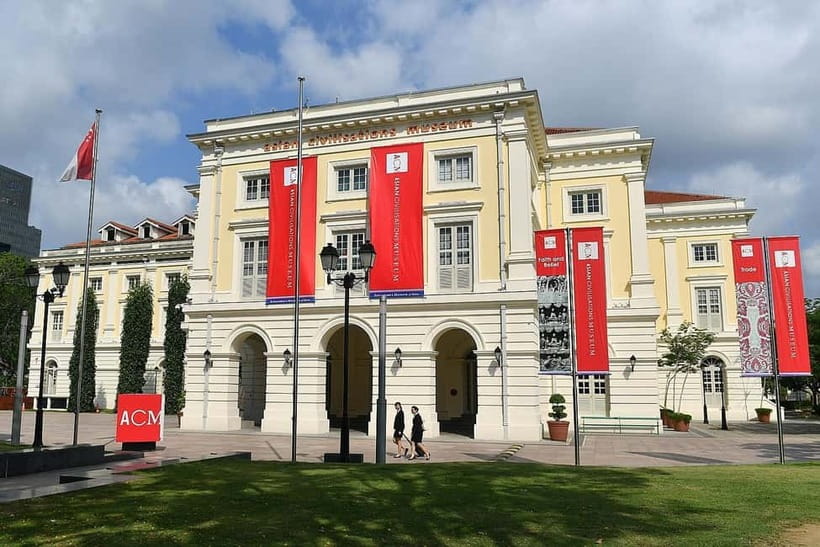
ACM’s architectural approach matters more than it sounds. The description you get is that the building blends traditional and contemporary elements. Even if you’ve never studied architecture, you’ll feel that you’re stepping into a museum that’s trying to balance heritage with today.
That matters because ACM’s galleries also try to connect eras and cultures, not isolate them. The building acts like a bridge: it nudges you to view the collection with the mindset of change over time.
The chronological galleries: seeing how civilizations evolve
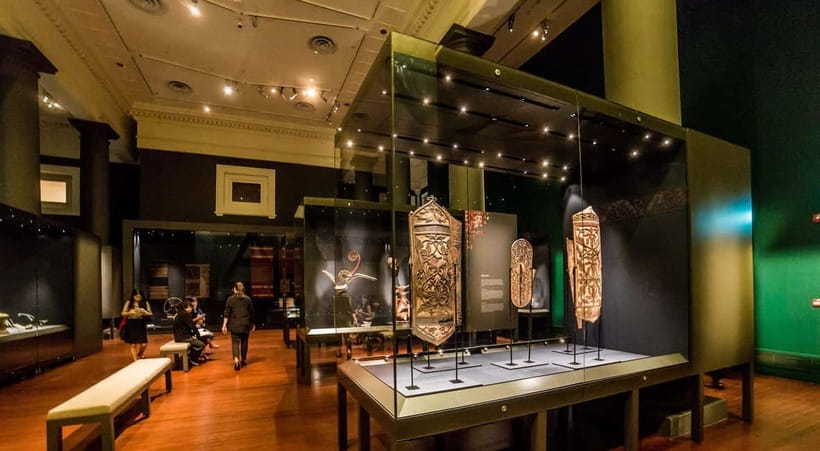
One of ACM’s most useful features is the opening gallery’s chronological approach. It’s designed as a journey through origins and evolution, supported by ancient artifacts and archaeological-style finds.
Here’s what this means for you in practice:
- You’ll start with foundational material—sculptures, objects, and artifacts that show early cultural expression.
- Then you’ll move forward through changes in style, materials, and what societies valued.
A few specific examples mentioned for this area are majestic Hindu god sculptures and delicate ceramics from ancient China. The payoff is that these objects aren’t presented as random “cool things.” They’re part of a timeline that helps you see how cultural expression develops rather than re-appears like a slideshow.
A small consideration: if you’re more of a “jump to my favorite culture” visitor, the chronological flow might feel like you have to follow the museum’s order first. Still, it’s often the fastest way to get orientation and context.
Craft galleries you can’t really rush: textiles and jewelry
After the early-moment history, ACM leans hard into craftsmanship, and that’s where many visitors get hooked. Two rooms in particular stand out: textiles and jewelry.
Textiles: the stories in thread and pattern
The textiles gallery highlights skilled weaving and decoration, including embroidered fabrics and colorful batik-style prints. The key is that textiles are more than decoration in this kind of collection. They reflect trade routes, regional tastes, and how people expressed identity through material.
If you like art history but hate when it feels abstract, this is where ACM becomes easy to understand. You can look at patterns, construction, and repeated motifs and start forming your own sense of how culture travels.
Jewelry: changing taste, changing power
The jewelry gallery focuses on ornate adornments and what they signal about sophistication and status. You’ll see how styles evolve across time, which helps explain why jewelry shows up in so many museum collections: it’s practical, personal, and political all at once.
My practical tip: when you’re in these galleries, take a breath and give yourself permission to slow down. The objects are the lesson.
Southeast Asia gallery: Thai ceramics and Indonesian woodcarving examples
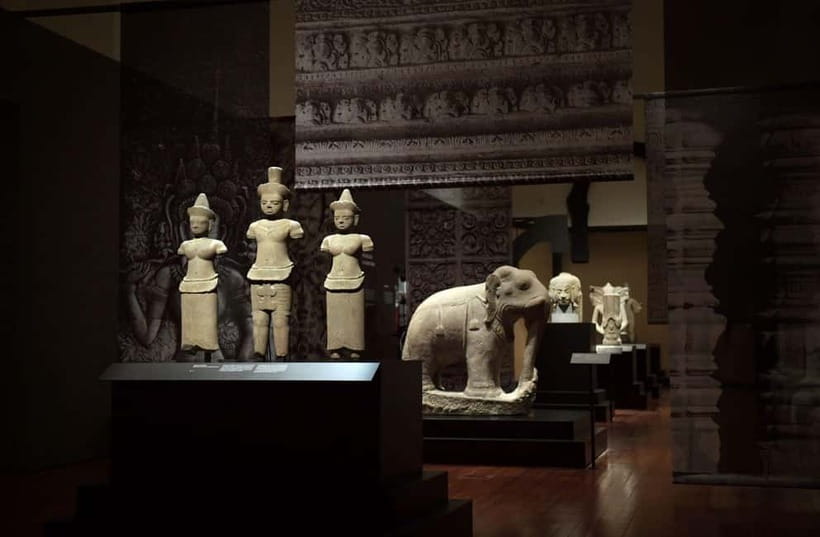
For visitors who want a stronger Southeast Asia spotlight, ACM has a dedicated area that focuses on the region’s artistic production. The examples called out include Thai ceramics and intricate Indonesian woodcarvings.
This part of the museum can be especially valuable if you’re in Singapore and you want your museum visit to connect to the neighborhood region, not just the far-away idea of Asia. It also gives context for why Southeast Asia’s creative styles look the way they do: they’re not isolated inventions. They’re part of broader Asian cultural exchange.
If you’re sensitive to your day turning into “just looking at objects,” this is a place where the names of places and materials help anchor what you’re seeing.
Special exhibitions and events: worth checking, but not included
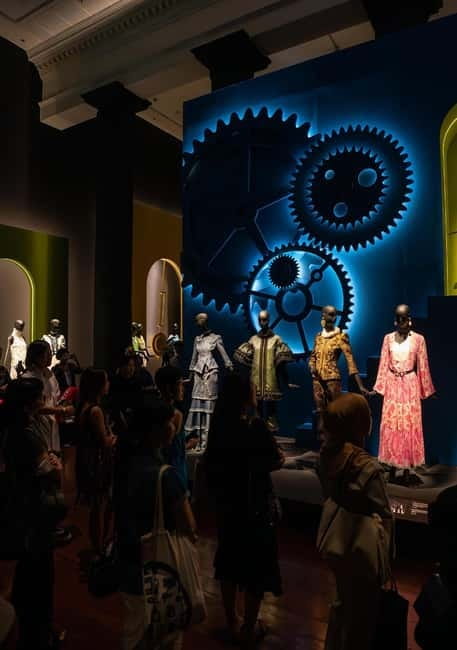
ACM also hosts special exhibitions and cultural events, including options like interactive workshops and lectures. The catch is that your e-ticket is for the permanent galleries only.
So treat special exhibitions as a bonus, not the foundation. Before you go, it helps to quickly check what’s on during your exact dates. That way you can decide whether to allocate extra time (and possibly additional ticketing, if needed) or keep your day simple.
This approach is good for budget control and time management. You’ll avoid the disappointment of building your visit around something you can’t access with the base ticket.
How to pace your visit so it stays fun
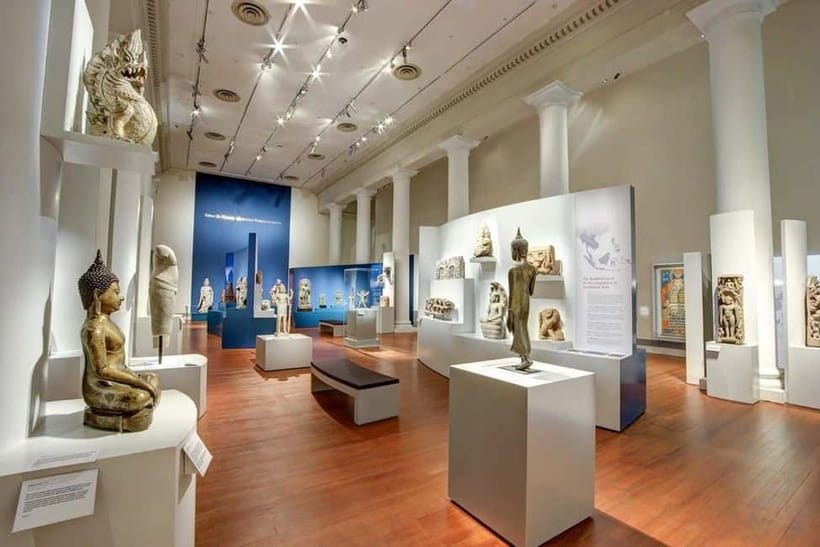
ACM can feel like a lot, because it covers multiple regions and art types. Here’s a pacing approach that works well for this kind of museum:
- Start with the chronology so you understand how the collection is organized.
- Pick one craft focus (textiles or jewelry) and spend extra time there.
- Save the Southeast Asia gallery for when you want more location-specific anchors.
If you do all rooms at equal speed, you’ll end up tired and less impressed. If you give the craft galleries the attention they deserve, the rest of the museum tends to click more easily.
Who should book this ACM e-ticket?
This experience suits you if:
- You want Asian art and cultural history in a museum that uses objects as your teacher.
- You’re curious about the overlap between religions and cultures, since the collection includes examples like statues from different traditions.
- You enjoy craft disciplines, especially when they’re presented with real material detail (textiles and jewelry).
It may not be ideal if:
- You only want special exhibitions and don’t care about permanent collections.
- You prefer short museum visits with minimal reading, because ACM’s value comes from thematic understanding and looking time.
Should you book the Asian Civilisations Museum e-ticket?
Yes, if your goal is a high-value, self-paced visit focused on the museum’s permanent collection. The $8 price feels like a strong deal for a structured journey through Asian civilizations, with craft galleries that are genuinely easy to get excited about.
I’d skip the ticket only if you already know your dates must include special exhibitions and you’re not interested in the permanent galleries at all. Otherwise, this is a smart way to make ACM part of your Singapore plan without overcomplicating your day.
FAQ
Is admission to the permanent galleries included?
Yes. This e-ticket provides admission to the Permanent Galleries only.
Where do I redeem the e-ticket?
You should proceed directly to the Asian Civilisations Museum for redemption.
How much is the ticket?
The price is listed as $8 per person.
Do kids need a ticket?
Children 7 years old and above need a ticket. Children 6 years and below get free admission to the permanent galleries.
Are there any senior discounts?
Yes. Seniors 60 years and above can qualify with valid proof of identity presented at the Visitor Services counter.
Can Singapore Citizens or Permanent Residents get in for free?
Yes. Singapore Citizens, Permanent Residents, and Children 6 years and below get free admission to the permanent galleries.
Is the museum wheelchair and stroller accessible?
Yes. The galleries allow wheelchair access and stroller access.
Can I reserve and pay later, and what about cancellation?
The offer includes Reserve & Pay Later. Cancellation is available up to 24 hours in advance for a full refund.