REVIEW · ROME
Rome: Percy Jackson-Themed Tour of the Capitoline Museums
Book on GetYourGuide →Operated by Cavason Ltd · Bookable on GetYourGuide
Myth mashups in Rome work best when the guide controls the pace. This Percy Jackson–themed tour turns the Capitoline Museums into a family-friendly story hunt, built around Roman and Greek legends you can actually follow. It’s designed for kids (even Percy pros) while still giving adults enough myth context to feel rewarded, not trapped in a kids’ worksheet.
One big win I like here is the guided storytelling approach, led by a Master Story Teller who can pitch the action at a child’s level. I also like that you get a real private-group feel, with named guides like Silvano and Maureen known for keeping both kids and parents engaged.
The one drawback to consider is that if you’re expecting heavy Percy Jackson plot beats, the theme can feel lighter than the title suggests—more Roman myths through a Percy-shaped lens than page-by-page fandom.
In This Review
- Key highlights to look for
- Why Percy Jackson Meets the Capitoline Museums
- Where You Start on Campidoglio (and why it matters)
- The 2-Hour Flow Inside the Museum
- Hunt for Heroes: How the quest makes you look
- Guide Power: When the narration matches the child
- What You’ll Learn About Roman and Greek Mythology
- Percy Content vs. Roman Myth Content: A realistic expectation
- Entrance Fees: What’s included and what you buy on site
- Price and Value for a Private Family Tour
- Practical Tips for a Smooth Museum Quest
- Who This Tour Fits Best
- Should You Book This Percy Jackson-Themed Capitoline Museums Tour?
- FAQ
- How long is the Percy Jackson–themed Capitoline Museums tour?
- Is the museum entrance fee included?
- Does the tour include skip-the-ticket-line access?
- Where do we meet the guide?
- What languages are offered?
- Will the tour run in bad weather?
- Is it wheelchair accessible?
- What is the cancellation policy?
Key highlights to look for
- Private family format that keeps the kid curious and the adults from tuning out
- Skip-the-ticket-line entry, which matters in a busy museum
- A Hunt for Heroes quest that gives the visit a clear reason to move and look
- Guides like Silvano or Maureen who adjust to kids’ attention spans
- A focus on Roman & Greek mythology rather than memorizing names
Why Percy Jackson Meets the Capitoline Museums
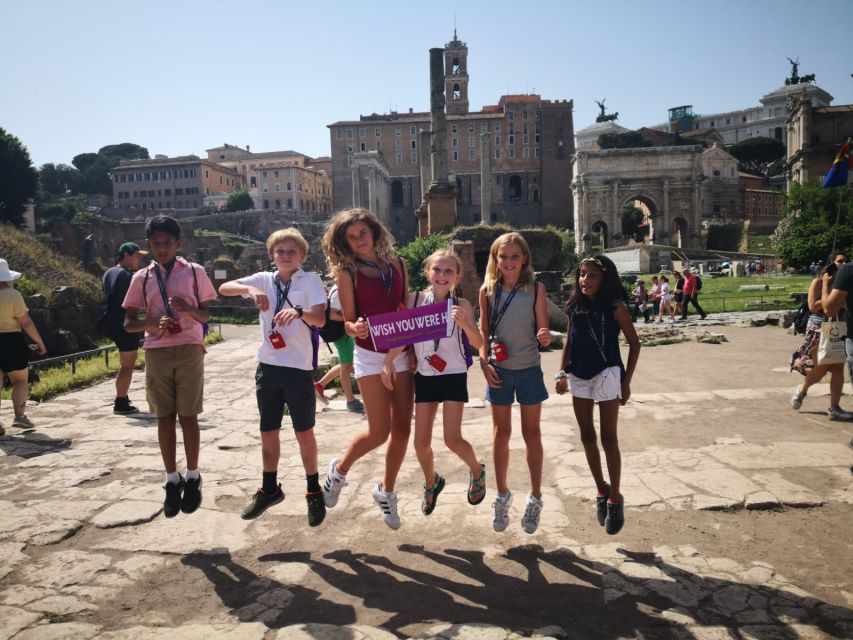
The Capitoline Museums can be an intimidating place if you walk in cold. This tour’s idea is simple: use mythology as the bridge, then use character-style storytelling to guide your eyes to what matters. You’re not just looking at objects—you’re following a quest through the museum with myth as the soundtrack.
What makes the concept work is the balance. You get enough myth background to understand what you’re seeing, but you also get the fun of plot-like narration: secrets, legends, and the sense that you’re solving something. It also helps that this is positioned as a family tour, not an academic lecture.
If your child loves Percy Jackson, you’ll likely enjoy the familiar entry point. If they don’t know much, you’ll still be able to follow along, because the tour is built to start from basics and build forward. And yes, Zeus and Athena will come up—just not as a boring name list.
You can also read our reviews of more museum experiences in Rome



Where You Start on Campidoglio (and why it matters)
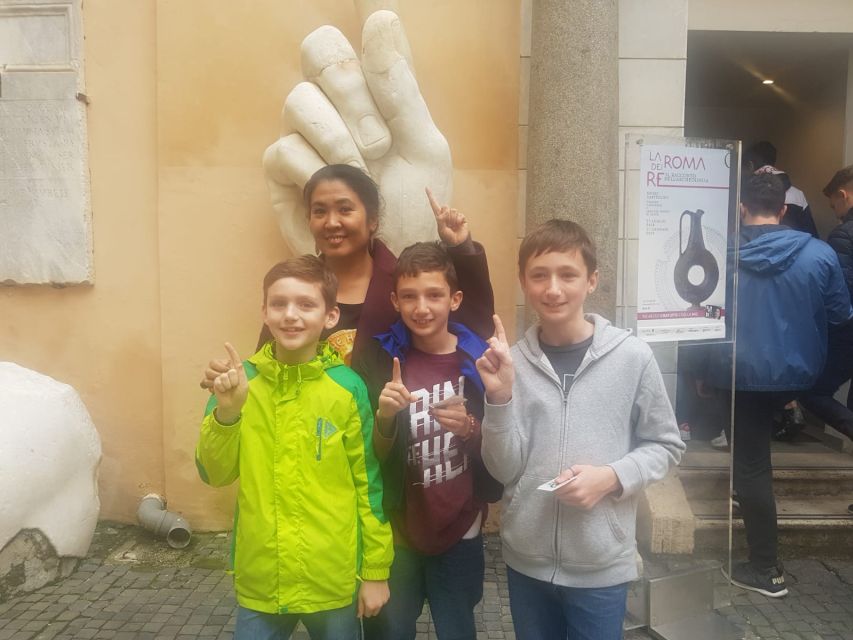
You meet your Rome4KidsTours guide near the Equestrian statue in the center of the Campidoglio hill, a few minutes before your start time. That location is useful because it gets you oriented in the same area where the Capitoline Museums feel like part of a larger ancient complex.
Arriving a few minutes early is worth it. You’ll want a quick moment to settle before the storytelling begins, especially with kids who need a short runway to get into “quest mode.” This tour runs rain or shine, so starting on time helps everyone stay in the right mindset even if the weather is rude.
You’ll end back at the meeting point. So you don’t get the stress of figuring out transport or negotiating museum exits with children who are half-engaged, half-tired.
The 2-Hour Flow Inside the Museum

This is a 2-hour guided tour, so the pacing is built around momentum. You’re not meant to wander. Instead, the guide keeps the movement tight and uses the museum’s artifacts as anchors for stories and myth clues.
The format is basically: enter, listen, hunt, then wrap up. The “hunt” part is where you’ll see kids really lean in, because the guide turns viewing into a game with a purpose. That matters in museums, where attention can drop fast when kids feel like they’re just passing from room to room.
You also get skip-the-ticket-line, which is a practical win. Museums in Rome can mean long waits; cutting that time makes the story portion more likely to land while energy is still high.
Hunt for Heroes: How the quest makes you look

The Hunt for Heroes is the engine of the experience. Instead of treating mythology as a slideshow, the guide frames it as something you’re uncovering while you move through the museum.
In practical terms, this means you’ll likely spend more time on visual details than you would on a standard tour. A quest format encourages kids (and adults who enjoy solving puzzles) to notice things rather than just listen. It also gives parents a helpful role: you can support the quest without having to constantly translate ancient mythology.
This is also where the private format helps. In a small group, the guide can keep the quest moving at your family’s speed. If your child has a moment of focus, you ride it. If they drift, the guide can adjust without making the whole tour feel derailed.
Guide Power: When the narration matches the child
One theme that shows up strongly in feedback is that the best guides don’t talk at kids. Names like Silvano and Maureen stand out for adapting to the pace and level of the group, not forcing a single style on everyone.
That adjustment is a big deal. Kids can tell quickly when a tour is written for someone else. When the guide matches their curiosity, you get a calmer, more attentive museum experience—even for energetic children.
You’ll also notice the way the guide connects myths into what you see. Instead of only listing the big names of the pantheon, the guide uses stories and secrets to explain why certain myths mattered. That approach helps adults too, because you’re learning in context, not memorizing trivia.



What You’ll Learn About Roman and Greek Mythology
This tour is designed for the myth-curious. Even if you don’t know your way around the gods and legends, you’ll be able to follow the story threads. And even if you’ve read every Percy Jackson book, you’ll still get something useful: the Roman lens, the continuity of myth, and the way ancient culture explained its world.
From the way the tour is described, you’re not getting a dry list of gods. You’re getting a set of myth connections—stories and secrets from Roman and Greek mythology—that give shape to the artifacts and the museum setting.
Also, the guide’s goal isn’t to prove that you already know Zeus and Athena. It’s to build from there and add the less-obvious story pieces. That’s what makes it more than a themed novelty for Percy fans.
And if your child loves challenging a guide with recall, you’re probably in the right place. These tours are built for active kids—ones who ask questions and want the reasoning behind what they’re seeing.
Percy Content vs. Roman Myth Content: A realistic expectation
The title includes Percy Jackson, and that’s part of the appeal. But based on feedback patterns, here’s how I’d set expectations: you’ll likely feel the Percy tone through the quest style and storytelling energy, while the core content stays firmly grounded in Roman and Greek legends.
So if you’re expecting deep Percy plot references woven artifact-by-artifact, you might find it less heavy than you hoped. On the other hand, if you’re happy with a Percy-shaped entry point into real mythology, the experience can feel like a smart way to get kids interested in the ancient world without a hard sell.
Think of it as mythology first, with Percy as the doorway. That framing keeps it fun for fandom kids while still working for families who just want legends with a guide who can tell a good story.
Entrance Fees: What’s included and what you buy on site
The 2-hour tour is included, and you skip the ticket line. What isn’t included is the entrance fee to the Capitoline Museums, which you purchase on site.
That means your total spend is basically: tour price plus museum entry. It’s worth budgeting this way so you don’t get surprised at the counter while your kids are already in “quest” mode.
This also changes how you value the tour. If you were going to visit anyway, the guided time plus skip-the-line can make the experience feel like better use of your hours. If you’re unsure you’ll commit to the museum itself, you may want to compare with a more general tour option.
Price and Value for a Private Family Tour
The price listed is $407.83 per group up to 2, for the 2-hour experience. That’s not cheap, and I’d treat it like a premium family activity rather than an everyday outing.
So where does the value come from?
- Private pacing: your family gets attention, not a one-size-fits-all script.
- A story quest format: it’s designed to keep kids engaged enough that the visit feels worthwhile.
- Skip-the-ticket-line: you save time that often turns into stress with children.
If you have one child who’s easily bored in standard museum groups, this kind of private format can pay off quickly. One of the best reasons to book is when you want your child to walk out feeling like Rome was a story, not a chore.
If you’re traveling with a very group-friendly setup and don’t mind a slower pace, you could potentially spend less elsewhere. But if you want a guide actively managing attention and turning artifacts into myth meaning, this is the kind of spending that can feel rational.
Practical Tips for a Smooth Museum Quest
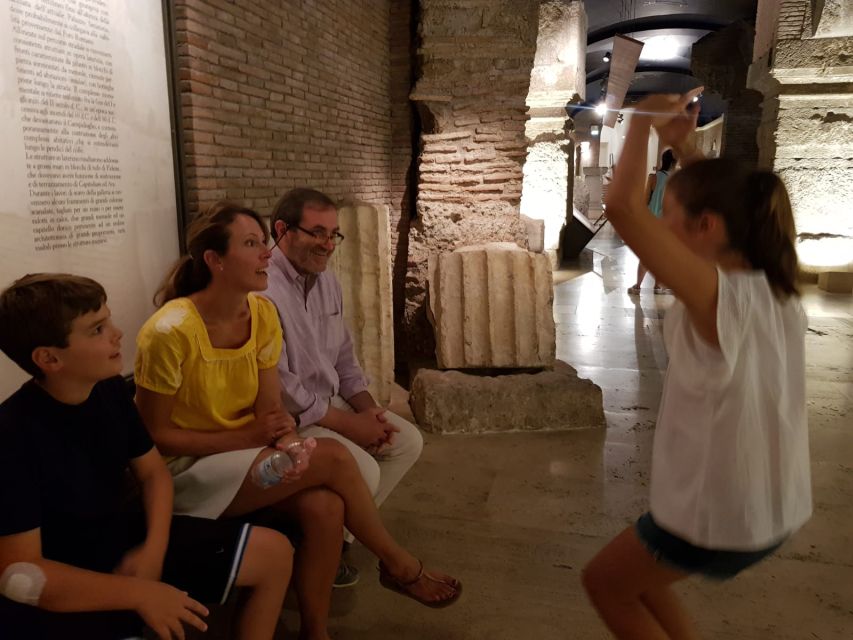
A few practical moves will make the day feel easier:
- Wear comfortable shoes. Museums in Rome mean lots of standing and moving for children.
- Bring a light layer. The tour runs rain or shine, so weather can shift quickly.
- Let your kid lead one part of the quest. If your child enjoys the search, you’ll both get more out of it.
- Expect questions. A good family tour invites them, and guides are set up for that rhythm.
Language is English or Spanish, so if your family prefers Spanish, you’ll have that option. Either way, the tour is designed to keep instructions clear enough for kids to follow without constant adult explanation.
Who This Tour Fits Best
This is best for families who want mythology with structure. It’s especially good if:
- Your child is a Percy Jackson fan and needs a fun, guided way to see how myths connect to ancient culture
- Your child knows a lot and still wants a guide to respond at their level
- You want a private tour where the adults can stay relaxed instead of acting as constant translators
It may be less ideal if you want a strictly Percy Jackson-focused deep dive. The tour’s promise is Roman and Greek myth stories told in an energetic, quest-style format, with Percy acting more like a thematic doorway than the main text.
If your kids are very young, you’ll still likely have a good time, but your best bet is choosing a moment when they’re rested. The whole experience depends on attention staying engaged, and a tired kid is the one thing the guide can’t fully fix.
Should You Book This Percy Jackson-Themed Capitoline Museums Tour?
Book it if you want a guided family experience where mythology feels like an adventure. The private-group setup, the Hunt for Heroes, and the story-first approach are strong reasons to choose this over a more passive visit. If you’re traveling with kids who get restless in long museum settings, guides like Silvano and Maureen are exactly the type who can keep everyone moving and listening.
Don’t book it expecting Percy Jackson plot immersion. If you’re mainly chasing deep fandom references, you may leave wanting more. If you’re excited about Roman and Greek myth, and you like the idea of learning through a quest, this is a smart, high-energy way to spend two hours in the Capitoline Museums.
FAQ
How long is the Percy Jackson–themed Capitoline Museums tour?
It lasts 2 hours.
Is the museum entrance fee included?
No. Entrance fees to the Capitoline Museums must be purchased on site.
Does the tour include skip-the-ticket-line access?
Yes, it includes skipping the ticket line.
Where do we meet the guide?
Meet your Rome4KidsTours guide by the Equestrian statue in the center of the Campidoglio hill, a few minutes before the start time.
What languages are offered?
The tour guide offers English and Spanish.
Will the tour run in bad weather?
Yes. The tour takes place rain or shine.
Is it wheelchair accessible?
Yes, wheelchair accessibility is listed.
What is the cancellation policy?
Free cancellation is available up to 24 hours in advance for a full refund, and you can reserve now and pay later.