REVIEW · MADRID
Reina Sofia Museum Guided Tour Semi-Private 6ppl Max
Book on Viator →Operated by Babylon Tours Madrid · Bookable on Viator
Art hits harder when someone frames it. This semi-private Reina Sofía tour puts 20th-century Spanish art into context inside a former hospital, with admission handled and your guide steering you toward Picasso’s Guernica. I love the skip-the-line time-saver and the way the tour connects art movements to real Spanish history. One thing to know up front: the tour does not cover temporary exhibitions, and security can still create lines in key areas.
In This Review
- Key Points Before You Go
- Reina Sofía in a Former Hospital: Why the Setting Matters
- The 2.5-Hour Semi-Private Flow: How You Get More Than a Checklist
- How the Guide Turns Styles into Something You Can Spot
- Picasso’s Guernica: The Moment the Story Lands
- Miró and Dalí: Learning the Craft Behind the Weird (In a Good Way)
- Joan Miró
- Salvador Dalí
- Abstraction, Cubism, Surrealism: What Changes When You Have Context
- Skip-the-Line Access: What It Gets You (and What It Can’t)
- Price and Value: Is $127.71 Worth It?
- Meeting Point and Getting There Without Stress
- What to Expect After the Tour (and Why It’s a Good Bonus)
- Who Should Book This Tour
- Quick Pre-Trip Notes: Closures, Dress, and Fitness
- Should You Book This Reina Sofía Semi-Private Tour?
- FAQ
- How long is the Reina Sofia semi-private guided tour?
- What group size is this tour limited to?
- Is the tour offered in English?
- Does the price include admission tickets?
- What skip-the-line access should I expect?
- Where is the meeting point?
- Is hotel pickup or drop-off included?
- Does the tour include temporary exhibitions?
- Can I cancel and get a full refund?
Key Points Before You Go
- Maximum 8 guests keeps it conversational, not a lecture hall
- Admission and entrance fees included so you’re paying for one focused experience
- A guided story through major movements like cubism, surrealism, and modernism
- Guernica is the narrative finish so you leave with a clear sense of why it matters
- Skip-the-line helps, but security rules still apply at many museums
Reina Sofía in a Former Hospital: Why the Setting Matters
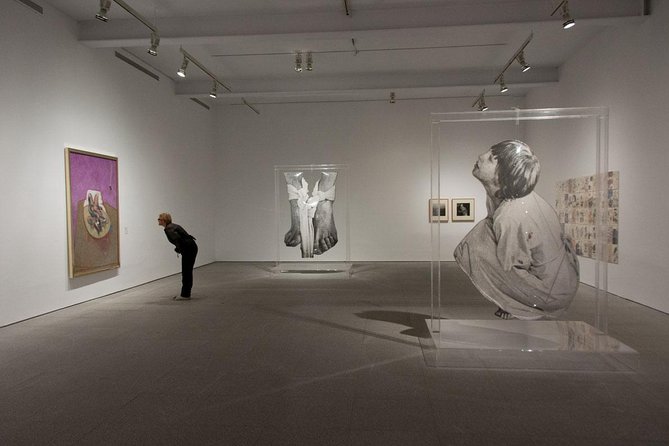
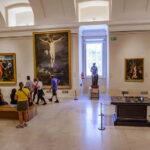
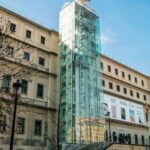
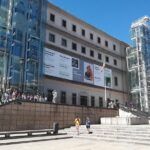
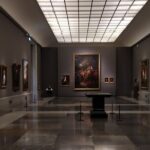
The Reina Sofía isn’t in some fresh, shiny cube. It’s in a former hospital, and that alone changes how the museum feels. The galleries flow like corridors—good for a guided route—so you don’t just bounce from painting to painting.
On this tour, the building is part of the “why.” Your guide uses the architecture and layout to help you build a mental map fast. That’s huge in a museum that can otherwise feel like visual overload.
This is also a museum built for 20th-century modern art—so rather than treating those styles like random experiments, the tour frames them as responses to the world Spanish artists were living in.
You can also read our reviews of more guided tours in Madrid

The 2.5-Hour Semi-Private Flow: How You Get More Than a Checklist
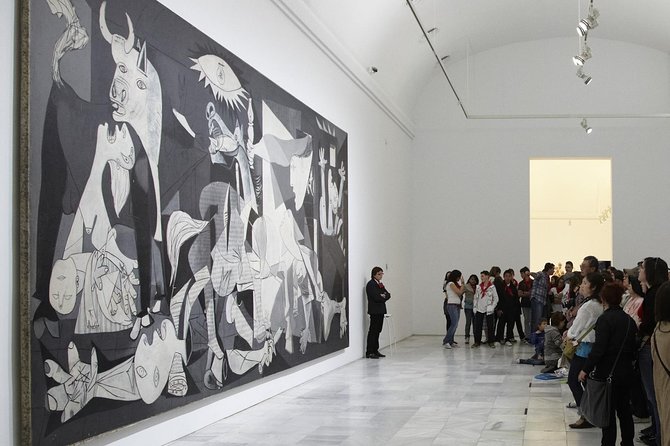
This is a 2 hours 30 minutes guided visit, capped at 8 guests maximum. That small size is the difference between hearing art-history facts and actually understanding what you’re looking at.
You’re not stuck waiting behind a giant crowd. You can ask questions, and the guide can adjust the pace for the group. And you’re not forced to spend the entire time with your head down reading labels. Instead, you get a guided “path,” then you’ll have time to keep wandering after the tour—if you want.
Two practical notes:
- The tour is offered in English, and that’s the language your guide will use throughout.
- Hotel pickup or drop-off isn’t included, so plan on getting yourself there with Uber or taxi (or public transit, since it’s near transit).
How the Guide Turns Styles into Something You Can Spot
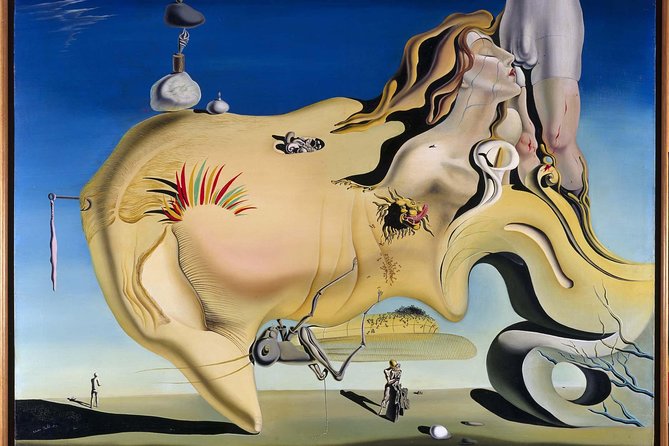
The tour’s real strength is what it teaches you to notice. You’ll move through major artistic movements featured at the Reina Sofía—abstractionism, cubism, surrealism, and modernism—but the key is the context.
Instead of explaining only techniques, the guide ties style to meaning:
- What changed in Spanish society
- What artists reacted to
- How political events shaped what people made and why
This matters because modern art can feel like it’s speaking in code. A good guide turns that code into plain language. Once you start seeing the patterns—how form breaks, how symbols show up, how dreams and nightmares influence compositions—you’ll look at other works in the museum with way more confidence.
Picasso’s Guernica: The Moment the Story Lands
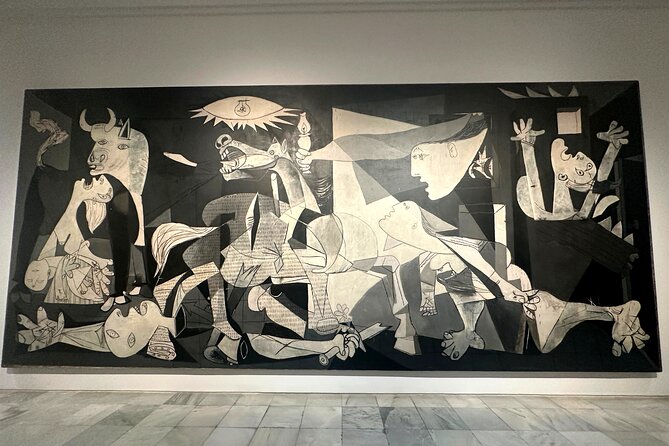
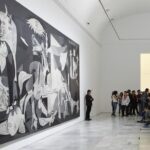
You’ll end up face-to-face with one of the most recognizable paintings in the world: Guernica. The tour doesn’t treat it like a museum trophy. It treats it like a turning point.
You’ll learn the social and political movements that shaped these artists, including the Spanish Civil War. That background gives the painting weight. Without it, Guernica can feel like it’s just dark emotion and dramatic shapes. With context, it becomes clearer: the artwork is part witness, part statement, and part challenge to how people think about war and human suffering.
Your guide also sets up the idea that 20th-century Spanish art isn’t happening in a bubble. It’s reacting to real events and real fractures—political, cultural, and personal.
And yes, the crowd around Guernica can still be heavy. The tour’s timing and skip-the-line access help you manage that, so you don’t lose your whole visit standing still.
Miró and Dalí: Learning the Craft Behind the Weird (In a Good Way)
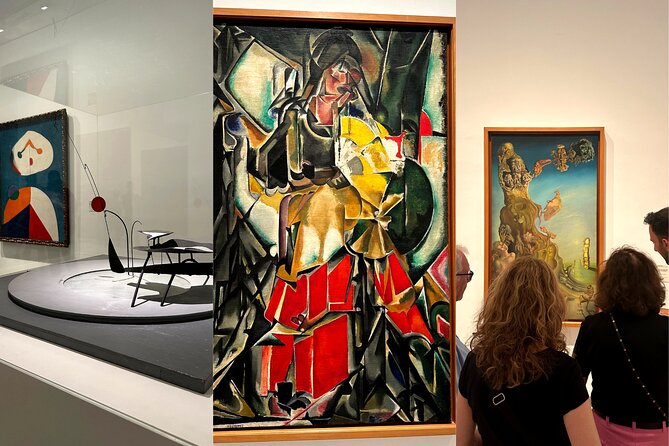
After you’ve built the bigger picture, the tour shifts to specific artists and works, including Joan Miró and Salvador Dalí.
You can also read our reviews of more private tours in Madrid




Joan Miró
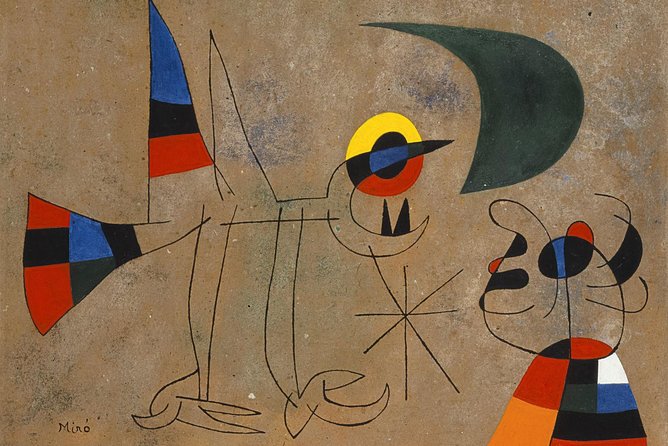
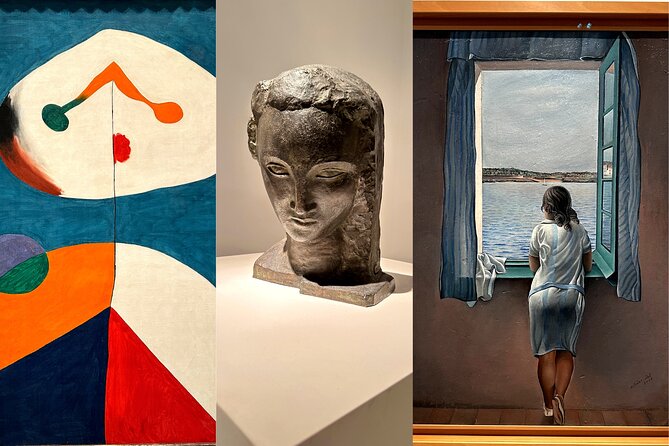
You’ll see works like The Man with a Pipe. The point isn’t just recognizing the image. The guide helps you understand the strategy behind the style—how Miró’s forms and symbols work together. That turns a painting you might find “odd” at first into something you can read.
Miró is a great example of why a guided route helps at the Reina Sofía. The museum is full of art that looks simple until you start asking questions. A guide gives you the questions that unlock the meaning.
Salvador Dalí
You’ll also encounter a work such as Face of the Great Masturbator. The framing here is especially useful because Dalí’s imagery can be shocking or strange if you don’t know the cultural and artistic thinking behind it.
Your guide focuses on techniques and the ways Dalí used unusual, sometimes quirky ideas to communicate deeper themes. Even if you don’t love the artwork, you’ll understand what Dalí was doing and why it landed the way it did at the time.
Abstraction, Cubism, Surrealism: What Changes When You Have Context
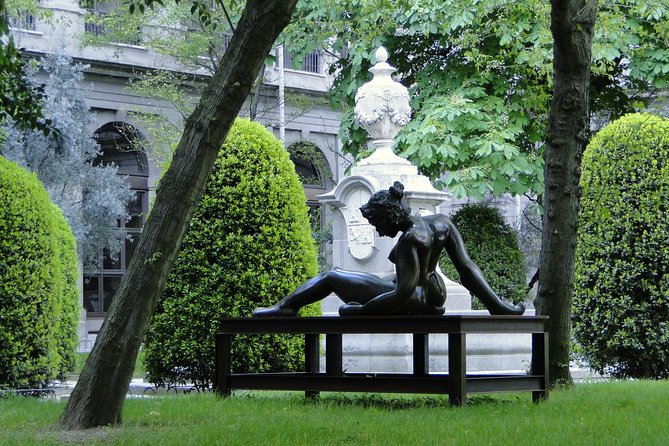
Here’s what I like about the way this tour is structured: it treats movements like a sequence of answers.
- Abstractionism pushes you away from straightforward realism.
- Cubism changes how you see space and form.
- Surrealism pulls emotion and dream logic into the artwork.
- Modernism becomes the umbrella where all of those experiments feel like they’re moving toward a new way to express the modern world.
Once you see those shifts as connected, the museum stops feeling like separate rooms of random styles. It starts feeling like one conversation happening over time.
And because the guide also explains the social and political movements that influenced these artists, you’re not just learning art theory—you’re learning Spanish history through art.
Skip-the-Line Access: What It Gets You (and What It Can’t)
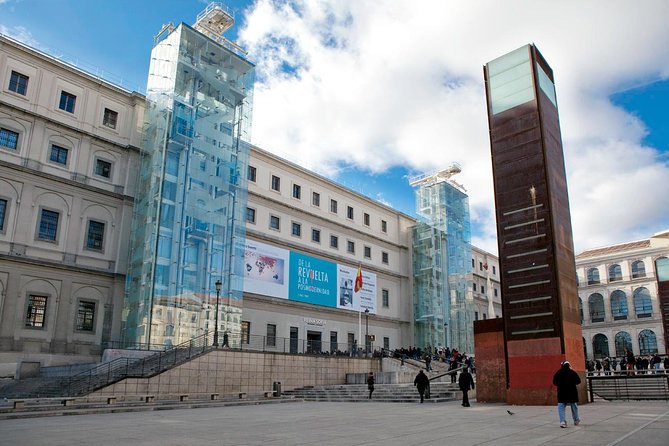
The tour promises skip-the-line access, and for a museum like this, that’s a big deal. You want your time in front of the art, not stuck in queue mode.
But don’t assume the museum world is fully “fast.” The tour notes that increased security measures at many attractions can still lead to lines on tours with skip-the-line access. In other words: you’ll likely save time, but you may still pause at certain points.
What I’d do:
- Arrive with a little buffer, even if you’re early.
- Keep your phone charged if you’re using the mobile ticket.
- Be ready for a quick wait if security slows things down around popular rooms.
This is especially true when you’re aiming for the big-name works. The guide helps you hit them efficiently, but physics and crowding don’t disappear.
Price and Value: Is $127.71 Worth It?
At $127.71 per person, this isn’t a budget “wander and hope” plan. You’re paying for three things you can’t easily replicate solo:
- Admission and entrance fees included
- A professional guide running the route and building the context
- Semi-private group size (max 8) so you’re not competing with a crowd for attention
If you’re the kind of person who reads museum labels and still feels lost, a guided route like this can pay off fast. The tour is designed to answer the questions labels alone often leave unanswered: What am I seeing? Why did they do it? Why now? How did Spanish events shape this?
If you’re already deeply comfortable with modern art, you might feel you could do it alone. But even then, Guernica is easier when someone frames what you’re looking at—especially if you want your time to feel intentional.
Also, temporary exhibitions aren’t included, so if you’re traveling specifically for a blockbuster temporary show, you’ll need to plan that separately.
Meeting Point and Getting There Without Stress
You’ll meet at Museo Reina Sofía, Arganzuela, 28012 Madrid. It’s near public transportation, which helps.
Since hotel pickup and drop-off aren’t included, plan a direct route to the museum. A taxi or Uber works well if you’re short on time. If you’re using transit, aim to arrive a bit early so you’re not rushing when you find the meeting area.
Dress matters too. The tour notes that appropriate dress is required for entry into some sites on the route, so keep it sensible.
What to Expect After the Tour (and Why It’s a Good Bonus)
The guided portion is about 2.5 hours, but you can keep your momentum afterward. When you leave with a clearer story—movement by movement, artist by artist—you’ll understand more of what you see in the remaining galleries.
That’s the real payoff: you’re not just collecting facts. You’re training your eye.
And with a museum as big as the Reina Sofía, that turns a self-guided second lap from confusing to doable.
Who Should Book This Tour
This tour is a strong fit if:
- You want English guidance and a clear narrative through 20th-century Spanish art
- You’d rather have a focused route than get lost in the museum maze
- You care about context—how the Spanish Civil War and broader social/political changes show up in art
- You appreciate a small-group setting where your questions don’t get swallowed
It may be less ideal if:
- You mainly want temporary exhibitions (those aren’t part of this tour)
- You need accessibility accommodations, since the tour is not available for wheelchair users or those with walking disabilities
- You prefer fully independent pacing with no structure at all
Quick Pre-Trip Notes: Closures, Dress, and Fitness
The museum can have occasional closures, delayed openings, or special events that limit access. When that happens, you should expect a reschedule option or an appropriate alternative. The tour also references a link to verify exceptional closing days online beforehand.
The tour asks for moderate physical fitness level. That’s not “athlete mode,” but you should be ready for a couple hours of walking around museum spaces.
Should You Book This Reina Sofía Semi-Private Tour?
I’d book it if you want one high-impact, guided hit at the Reina Sofía—especially if Guernica is on your list and you’d like it to mean something beyond its fame.
You’re paying for focus: semi-private group size, admission included, and a guide who connects art styles to Spanish history. That’s how you squeeze real understanding out of a museum visit instead of just collecting a few photos.
If your priority is temporary exhibitions, or you want total freedom with no structure, then you might be happier planning a self-guided day and adding another guided stop only where it counts.
FAQ
How long is the Reina Sofia semi-private guided tour?
It lasts about 2 hours 30 minutes.
What group size is this tour limited to?
It’s semi-private with a maximum of 8 guests per tour.
Is the tour offered in English?
Yes, it’s offered in English.
Does the price include admission tickets?
Yes. Admission tickets and all entrance fees are included.
What skip-the-line access should I expect?
The tour is described as skip-the-line, but increased security measures can still create lines on tours with skip-the-line access.
Where is the meeting point?
The meeting point is Museo Reina Sofía, Arganzuela, 28012 Madrid, Spain.
Is hotel pickup or drop-off included?
No. Hotel pickup and drop-off are not included, and Uber or taxi is recommended.
Does the tour include temporary exhibitions?
No. Temporary exhibitions are not included.
Can I cancel and get a full refund?
Free cancellation is available up to 24 hours in advance for a full refund. Cancellation less than 24 hours before the start time isn’t refunded.