REVIEW · LOS ANGELES
Natural History Museum of Los Angeles County Admission
Book on Viator →Operated by LOS ANGELES COUNTY MUSEUM OF NATURAL HISTORY FOUNDATION · Bookable on Viator
Dinosaurs and sparkly minerals in the same building. I like how this ticket packs major dinosaur highlights with hands-on style learning, and then swings into the Gems and Minerals Hall for a total change of pace. The main thing to plan for is logistics once you get there: parking can be expensive and may involve extra walking.
For $18 per person, you get a lot of museum space with a mobile ticket, and the museum stays open until 5 p.m. That makes it easy to fit in a solid afternoon, especially with kids.
In This Review
- Key Takeaways Before You Go
- A Simple Way In: Mobile Admission That Lets You Choose Your Pace
- Your Best First Stop: Dinosaur Hall and the T. rex Story
- Beyond Dinosaurs: 65 Million Years of Evolution
- Gems and Minerals Hall: Diamonds, Rubies, Sapphires, and Gold
- Nature Lab and Nature Gardens: LA Wildlife With a Real Sense of Place
- Becoming Los Angeles: How the Museum Tells the City’s Story
- What You Should Know About Add-Ons: Dinosaur Encounters and the Cats Exhibit
- How Much Time You Really Need (and How to Pace It)
- Price and Value: Is $18 a Good Deal?
- Who This Admission Suits Best
- Should You Book This Museum Admission?
- FAQ
- How long is the Natural History Museum of Los Angeles County admission experience?
- How much does admission cost?
- Does the ticket include dinosaur and gems areas?
- What is not included with this admission ticket?
- Can I still attend the Dinosaur Encounters show?
- Do I need a separate ticket for the cats exhibit?
- What time is the museum open?
- Is this ticket delivered as a mobile ticket?
- Is the museum near public transportation?
- Is there free cancellation?
Key Takeaways Before You Go
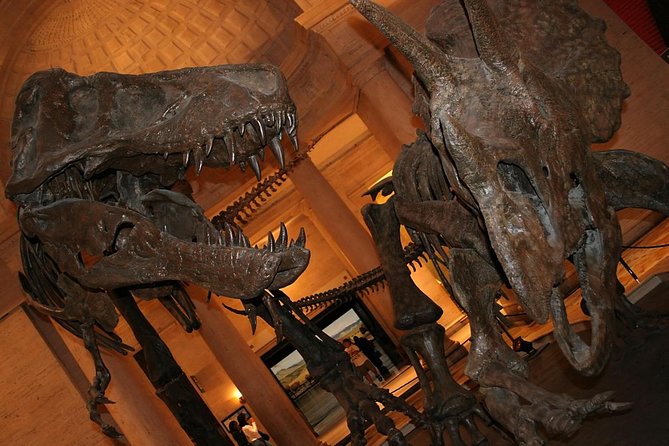
- Dinosaur Hall focus: more than 300 fossils and big dinosaur skeletons, including Tyrannosaurus rex growth material and a Dino Lab peek
- Evolution in motion: a 65-million-year storyline with animal dioramas and skeletons like whales and mammoths
- Gem and Mineral Hall wow-factor: about 2,000 specimens, plus a vault area featuring diamonds, rubies, sapphires, and gold
- Local nature angle: Nature Lab and Nature Gardens help connect Los Angeles habitats to living things you can recognize
- Not all ticket perks are included: Dinosaur Encounters show and the Cats special exhibit require add-ons
A Simple Way In: Mobile Admission That Lets You Choose Your Pace
This is straightforward museum admission. You’re not locked into a rigid schedule, and that matters at a place this big. Your ticket comes as a mobile ticket, so you can keep things light and spend your time walking instead of digging for paper confirmations.
At about 3 hours, it’s a realistic window for a first pass, especially if you concentrate on the biggest crowd magnets: dinosaurs, evolution, and gems. The museum hours run 9:30 a.m. to 5:00 p.m. daily, so you’ve got enough time to start in the morning and still leave without feeling rushed.
One practical note: this museum is known for a lot of walking. Even when you’re just moving room to room, you’ll rack up steps. Build that into your day, and you’ll enjoy it more. If you’re traveling with strollers or someone who doesn’t love long distances, plan a slower pace and expect detours around exhibits people linger at.
You can also read our reviews of more tours and experiences in Los Angeles.



Your Best First Stop: Dinosaur Hall and the T. rex Story
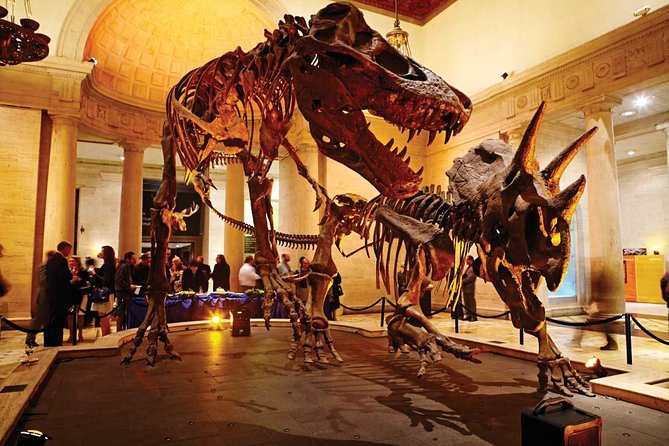
If dinosaurs are the reason you’re going, you’ll want this hall early. The Dinosaur Hall is where the museum leans hard into scale and story, and it’s built for both kids and adults who love fossils.
Here’s what you can expect to focus on:
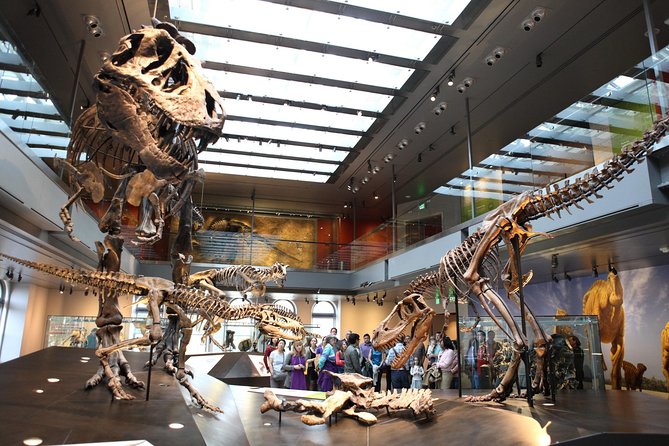
- More than 300 fossils displayed throughout the dinosaur area
- About 20 complete skeletons, which is a lot to take in at once
- A look at Tyrannosaurus rex growth series, so it’s not just a single iconic skull and bones
- A Dino Lab style behind-the-scenes feel, designed to show how paleontologists think and work
- A “virtual excavation” style activity for specimens, which helps kids feel like they’re doing the science
That Tyrannosaurus rex growth material is one of the most interesting ways to make dinosaurs feel alive. Instead of treating the animal as one static trophy, you get a sense of how growth changes over time. It turns the museum from a photo stop into a real science lesson.
If your family does well with interactive moments, the dinosaur area is where you’ll likely get the best payoff. Some visitors also point out hands-on style dig stations, which are perfect when you need a break from reading labels for a few minutes.
Beyond Dinosaurs: 65 Million Years of Evolution
After dinosaurs, the museum shifts gears into evolution—still exciting, but less roaring and more wide-angle science.
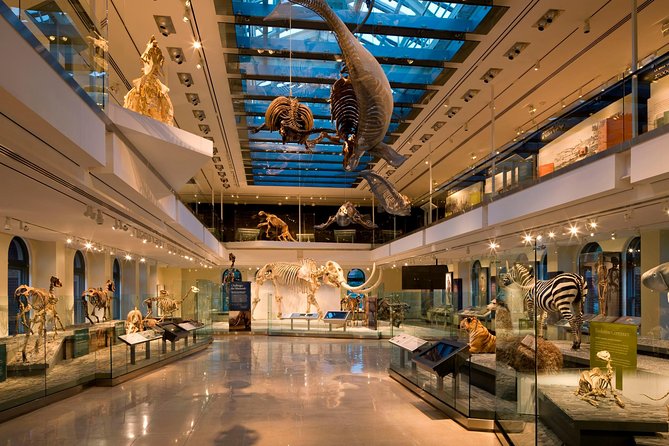
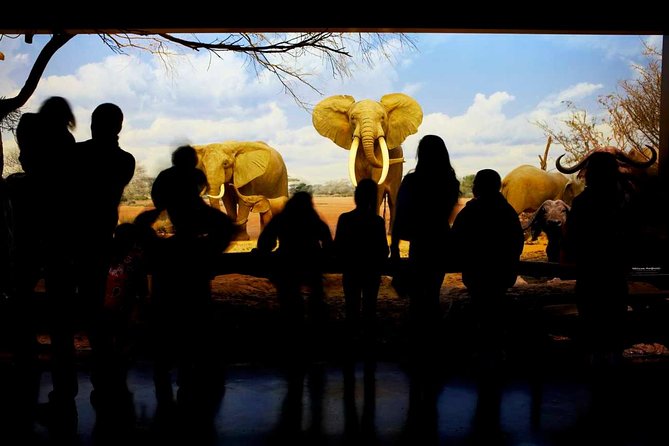
You’ll follow a timeline that covers 65 million years, using more than 240 specimens plus dioramas and skeletons. This section doesn’t just show animals as finished products. It helps you connect how life changes over time, and it does it through displays that feel approachable.
You can expect to see animal dioramas and skeletons that include examples like:
- Mastodon and whale skeletons
- Dioramas from North America and Africa
The value here is the way the museum builds connections across continents and eras. Even if you’re not a fossil nerd, you’ll walk away with clearer ideas about how environments shape what survives and what changes.
For kids, this section often works because it breaks the day into different “worlds.” You’re not stuck with dinosaurs alone. You get mammals, big bones, and life-sized scenes that help kids understand that nature’s story is bigger than one species.
Gems and Minerals Hall: Diamonds, Rubies, Sapphires, and Gold
Then comes the glittering turn. The Gem and Mineral Hall is one of the best reasons to visit even if your group is split between dinosaur lovers and rock collectors.
What you’ll see here:
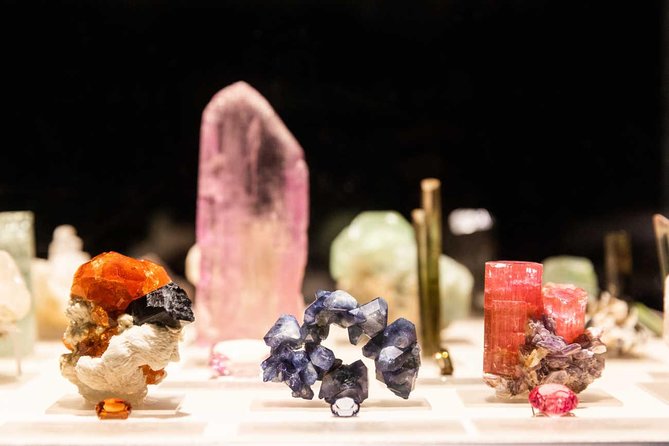
- More than 2,000 gemstone and mineral specimens
- A vault area featuring diamonds, rubies, sapphires, and gold
This is where the museum proves it can be both educational and visually fun. Kids often enjoy it as a “look closer” stop—sparkle first, science second. Adults tend to slow down because the displays encourage close viewing. You start noticing structure, color, and how specimens differ even when they all look like shiny treasures.
Practical tip: give this hall a little extra time. It’s easy to speed through when you’re thinking about lunch or the next major room. If you slow down for ten minutes and look at a few specimens carefully, the whole experience becomes more rewarding.
Nature Lab and Nature Gardens: LA Wildlife With a Real Sense of Place

Not every natural history museum makes a serious effort to connect nature to the city where you’re standing. This one does, through the Nature Lab and Nature Gardens.
You can expect:
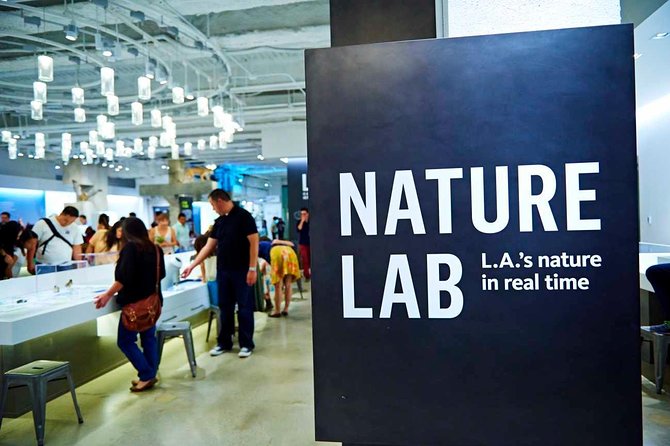
- Nature Lab, with a collection of native L.A. creatures (or at least native local focus)
- Nature Gardens, showing native plant species and how those plants fit into local ecosystems
The value is emotional as much as educational. You’re not just learning about faraway places. You get prompted to think about Los Angeles as a living environment with its own species and habitats.
If you’re visiting with kids, this is often the part where the museum feels playful and real. When the exhibits connect to the idea of what might actually be out there in Southern California, attention usually holds better.
You can also read our reviews of more museum experiences in Los Angeles


Becoming Los Angeles: How the Museum Tells the City’s Story
One section that adds variety is Becoming Los Angeles, which looks at how Los Angeles shifted from a pueblo into a sprawling metropolis.
This matters because it rounds out the day. You start with natural history and life science, then you get human history tied to the same space. It’s a good reset after the big awe rooms like dinosaurs and gems, and it helps adults feel the museum isn’t only about the past of animals.
Also, if you’re in LA for a short time, this is a smart way to connect the city’s story without treating it like a separate trip.
What You Should Know About Add-Ons: Dinosaur Encounters and the Cats Exhibit
Two important things are not included in the base admission:
1) Dinosaur Encounters show
This show is available as an add-on on-site. If your family loves dinosaurs with a performance element, it’s worth considering. Just don’t assume it’s covered by your $18 ticket.
2) Fierce! The Story of Cats special exhibition
Starting July 13 and running until February 18, 2026, it’s a hands-on, immersive-style experience about cats, including sabertooths and household cats. This also requires a separate ticket purchased on-site.
A balanced approach: if you have limited time, decide what your group cares about most. Choose either the add-on show or the cats exhibit if you’re tight on hours, and make sure the extra ticket doesn’t steal time from the main halls. If you have more flexibility, the cats exhibit sounds like a great bridge between adults and kids because it links evolution, behavior, biology, and human connections.
How Much Time You Really Need (and How to Pace It)
The ticket is described for about 3 hours, which can work well for a first visit. But the museum is big enough that your “real time” can swing depending on your group.
Here’s a pacing idea that works for most families:
- Spend your first hour in Dinosaur Hall and related dinosaur experiences
- Move into evolution for the storyline display
- Schedule Gems and Minerals mid-day when kids need a change of pace and you’re ready for something visually different
- Finish with Nature Lab / Nature Gardens and the local LA feel
After lunch, lines and crowds can increase, and you’ll likely spend more time waiting or stepping around clusters of visitors. Starting earlier can help. If you want a calmer experience, aim for the early part of the day.
Also: bring patience for signage and exhibits. Some things are more label-based than you might expect. If you travel with small kids, plan a few “stop-and-go” breaks so you don’t lose momentum.
Price and Value: Is $18 a Good Deal?
For $18 per person, this admission offers strong value because it covers multiple major sections that would cost more individually at most big attractions.
You get admission including:
- Dino Hall and dinosaur-focused areas
- Diorama halls
- Gem and Mineral Hall
- Nature Gardens
- Nature Lab
That lineup is the value equation. You’re paying once to access multiple museum “worlds,” and you can tailor your route to your group. If your goal is to see dinosaurs plus gems plus local nature, the price is hard to beat.
The main cost risk isn’t the ticket. It’s what can happen around the edges: parking can be steep in the area, food inside can also be pricey, and crowds can add time costs. Many visitors handle this by bringing snacks. If you want a stress-free day, pack water and a simple snack and then buy meals only if you feel like it.
Who This Admission Suits Best
This is a great fit for:
- Families with kids who want hands-on moments, big displays, and age-friendly exhibits
- Dinosaur fans of any age
- People who like science that feels visual and story-driven, not just text-heavy
- Travelers who want a “LA first timer” day with both nature and city context in one place
It’s also a solid solo activity if you like walking and learning at your own pace. But it’s especially enjoyable when you can split into mini-interests: one person who wants dinosaurs, another who wants gems, and then you meet back up for the evolution timeline.
Should You Book This Museum Admission?
Yes, you should book this if you want an easy, all-in-one museum day with a lot of variety. The ticket price is reasonable for what you get, and the included halls hit the big “wow” areas—dinosaurs, evolution, gems, and local nature—without forcing you into showtimes.
Book this admission ticket if:
- your group includes kids who need multiple types of exhibits
- dinosaurs and gems both matter to your schedule
- you want a flexible visit you can pace across about 3 hours
Skip or add carefully if:
- your day is tight and you’re counting on the Dinosaur Encounters show or the Fierce! The Story of Cats exhibit
- you’re sensitive to parking and longer walks from parking areas
If you’re planning ahead, pick an earlier arrival, bring snacks, and decide in advance whether you’ll spend time (and money) on one add-on. Do that, and this becomes a very satisfying LA day.
FAQ
How long is the Natural History Museum of Los Angeles County admission experience?
It’s listed as approximately 3 hours.
How much does admission cost?
The price is $18.00 per person.
Does the ticket include dinosaur and gems areas?
Yes. The ticket includes Dino Hall, Diorama Halls, Gem and Mineral Hall, Nature Gardens, and Nature Lab.
What is not included with this admission ticket?
The Dinosaur Encounters show is not included, and the Fierce! The Story of Cats special exhibition also requires a separate ticket.
Can I still attend the Dinosaur Encounters show?
Yes. Tickets for the show are available on-site when you arrive.
Do I need a separate ticket for the cats exhibit?
Yes. The Fierce! The Story of Cats exhibit requires a separate ticket, available on-site.
What time is the museum open?
The museum hours are 9:30 AM to 5:00 PM, Monday through Sunday.
Is this ticket delivered as a mobile ticket?
Yes. The experience features mobile ticket entry.
Is the museum near public transportation?
Yes. It’s near public transportation.
Is there free cancellation?
Yes. You can cancel up to 24 hours in advance for a full refund. If you cancel within 24 hours, the amount paid is not refunded.