REVIEW · LOS ANGELES
Los Angeles: Grammy Museum Entry Ticket
Book on GetYourGuide →Operated by GRAMMY Museum · Bookable on GetYourGuide
Music fandom meets hands-on tech. With a pre-reserved ticket to the GRAMMY Museum in Downtown Los Angeles, you get a simple, one-day way to see music artifacts up close and then play with sound in Sonic Playground and the Mono to Immersive experience. Two big wins for me are the hands-on exhibits that turn listening into doing, and the way the museum connects famous performances to the tech and craft behind them. One caution: it’s not a huge museum by LA standards, and some sections can close for private events or have a few interactive spots that aren’t working perfectly.
If you’re a music fan, this is a fun “all-ages” stop that works for quick visits and music-nerd afternoons alike. Plan for four floors of memorabilia and several rotating special exhibits, including Luther Vandross: Artistry and Elegance. Wear comfortable shoes, because you’ll likely spend a lot of time moving between interactive stations and photo-friendly areas.
In This Review
- Key things to clock before you go
- GRAMMY Museum Downtown LA: the $22 ticket and how to spend 1 day
- Ray Charles Terrace and orientation: how to get the best photos early
- Sonic Playground: the hands-on music-making zone that feels like a studio
- Mono to Immersive: hearing how sound changed from mono to surround
- Four floors of music memorabilia: what you’ll actually notice
- RetroBlakesberg: seeing music history through photography
- Luther Vandross: Artistry and Elegance special exhibit (when it’s on)
- Rotating exhibits: BTS, Selena, and other genre-specific floors
- Tips that make the visit smoother (and more fun)
- Who this ticket is best for
- Should you book the GRAMMY Museum Entry Ticket?
- FAQ
- How long do I have with the GRAMMY Museum entry ticket?
- What is included in the $22 ticket price?
- What should I bring for the visit?
- Is the museum wheelchair accessible?
- Does the museum have special exhibits?
- Can any parts of the museum close while I’m there?
Key things to clock before you go
- Ray Charles Terrace photo moment: Grab views of the Hollywood Sign from this museum spot.
- Sonic Playground hands-on music-making: A 3,000-square-foot area with 17 unique interactives built for experimentation.
- Mono to Immersive sound timeline: Follow sound from the 19th century toward surround sound today while revisiting GRAMMY moments.
- Four floors of music memorabilia: See major-genre history across genres and decades.
- RetroBlakesberg photography exhibit: 30 years of music history seen through Jay Blakesberg’s lens.
- Luther Vandross special exhibit: A focused stop for songwriting, arranging, producing, and vocal artistry.
GRAMMY Museum Downtown LA: the $22 ticket and how to spend 1 day
At $22 per person for a one-day entry ticket, the GRAMMY Museum is priced like a “worth it” museum stop—especially because you’re not only looking at display cases. You’re also getting interactive rooms and sound-focused experiences that make the ticket feel like more than a quiet walk.
The biggest practical thing to know: this is a museum you can tailor to your mood. If you like hands-on stuff, you can spend most of your time in Sonic Playground and the sound stations. If you prefer artifacts, you can do a slower tour of the memorabilia across four floors. Either way, the structure is clear: move between themed exhibits, then loop back if something grabs you.
Duration-wise, this is designed for a day. In a city full of “choose-your-own-adventure” schedules, it helps that you can keep your plan tight. You won’t need a half-day tour guide to understand what’s where—you can navigate at your own pace once you’re inside.
A few more Los Angeles tours and experiences worth a look



Ray Charles Terrace and orientation: how to get the best photos early
I like to start with the photo views before I get stuck in exhibit mode. The museum’s Ray Charles Terrace is specifically built for that: you can capture pictures with views of the Hollywood Sign. Even if you’ve seen the Sign a dozen times in photos, this angle gives you a different “Hollywood, but cultured” context.
Then, get your bearings fast. The museum’s layout supports a simple strategy:
- Start where you’re most excited (Sonic Playground or sound timeline).
- Move through memorabilia floors afterward.
- Save the special exhibit(s) for the end so your “wow factor” stays high.
This also helps with a small-but-real possibility: the museum can occasionally close certain sections for private events. If you hit the must-sees early, you’re less likely to feel disappointed if a section is temporarily shut.
Sonic Playground: the hands-on music-making zone that feels like a studio
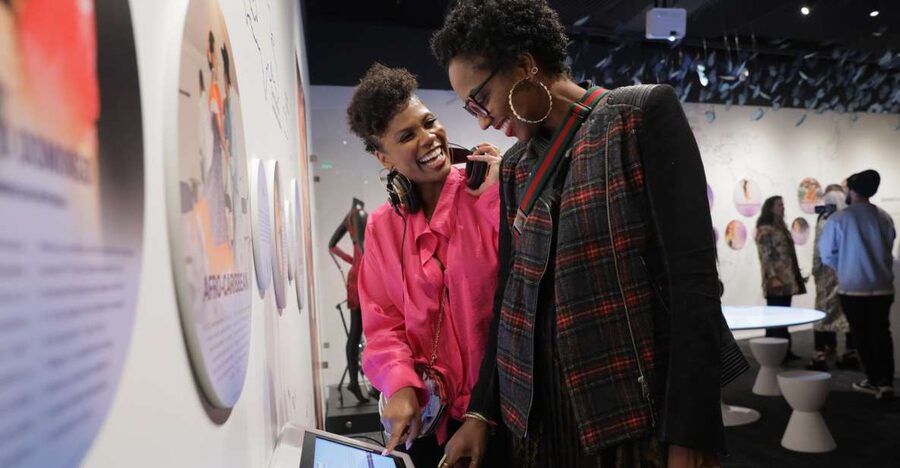
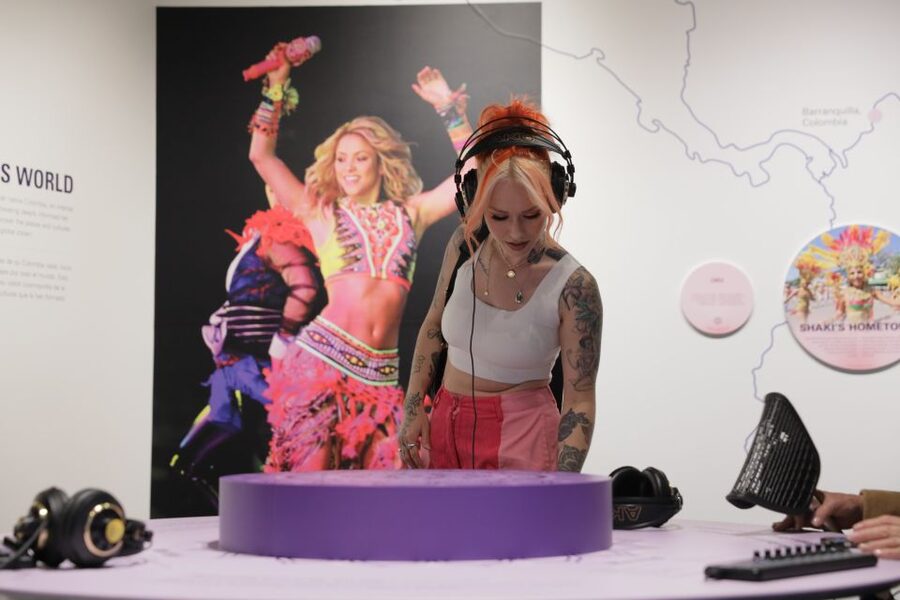
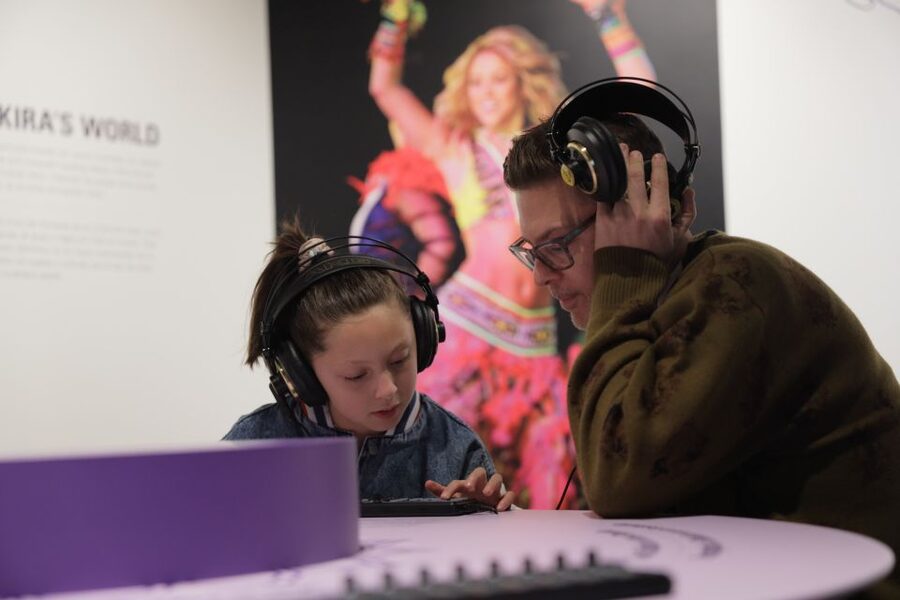
Sonic Playground is the place to spend time if you want to do more than read placards. The museum turns its second-floor gallery into an interactive hub with 17 unique stations, and the goal is straightforward: learn how music is made by letting you touch the process.
What I find especially valuable is the mix of creativity and mechanics. You’re not just pressing buttons—you’re getting small lessons in rhythm, sound, and production workflow. Some areas feel like mini training grounds. For example, you may find studio-style rooms where you can use microphones, try making music, and learn beat-machine basics.
If you’re visiting with kids or teens, this is the anchor experience. Adults usually get just as much out of it because the interactives don’t talk down to you. It’s also a great way to reset your brain halfway through the museum: you go from reading and looking to doing, and the whole visit stays lively.
Practical note: interactive exhibits are popular, so build in a little patience. If a station has a queue, swap to another nearby interactive and return later.
Mono to Immersive: hearing how sound changed from mono to surround
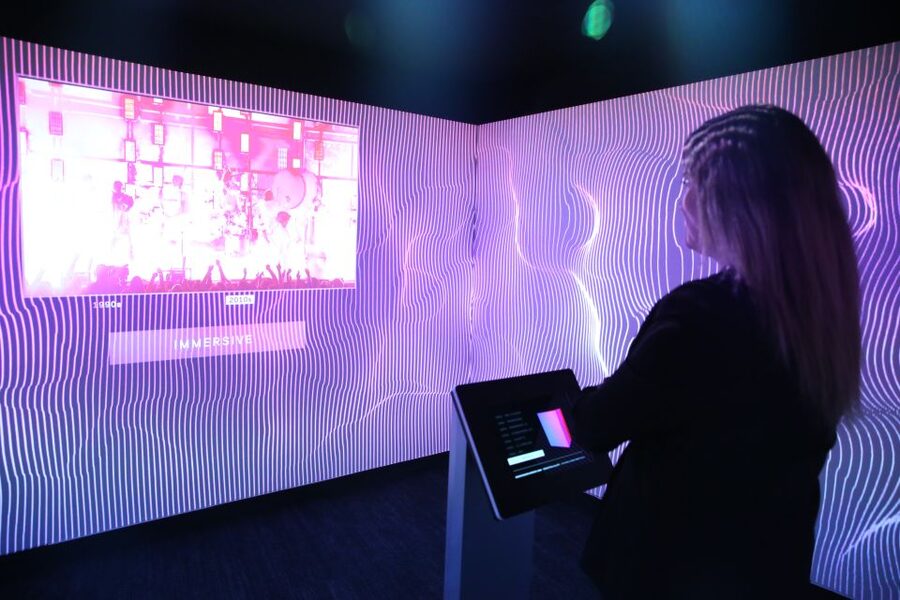
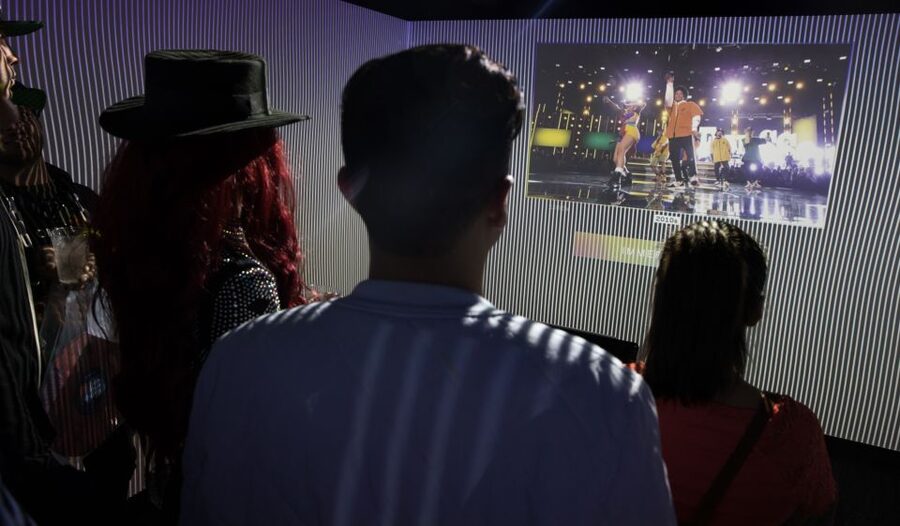
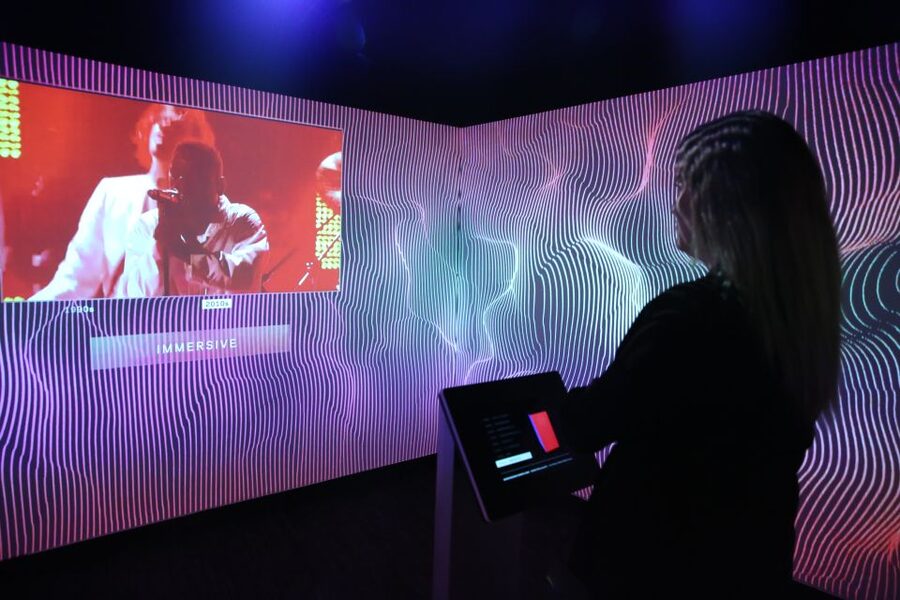
The Mono to Immersive exhibit is the museum’s most “listen with purpose” stop. It guides you through the evolution of the GRAMMY Award (1959 to today) while also tracing how sound moved from older playback concepts toward surround sound technology.
This is a smart pairing. A GRAMMY is a performance moment, but the sound system and production choices shape what you actually hear. By the time you finish this part, you’re likely to notice details you would normally miss—like how different recording and playback approaches affect the feel of vocals, instruments, and spatial audio.
If you’re the type who loves music but also geeks out on why it sounds the way it does, this is one of the best uses of your ticket. It turns “famous moment” into “how the moment is made.”
Tip: don’t rush it. If you only glance at the displays and don’t give your ears a few minutes, you’ll miss the point of this exhibit.
Four floors of music memorabilia: what you’ll actually notice
The museum’s big promise is a huge collection of music memorabilia spread across four floors. That breadth matters, because it helps you understand that music culture isn’t one track—it’s genres, eras, and scenes.
You’ll see artifacts tied to major artists and multiple styles. The museum also uses themes and interactive elements to keep you from feeling lost in a “walk through history” loop. Even if you don’t know every name, the exhibits help you follow the thread: how music looks, sounds, and gets celebrated.
Two balanced takeaways I’d keep in mind:
- You’ll get plenty of “music itself” (genres, sound, artists, clothing, and artifacts).
- If you’re coming specifically to learn how the Grammys work as an institution—like nomination and selection mechanics—you might wish there was more on that side. The emphasis here is more on music culture and craft than on behind-the-scenes award-system theory.
Also, don’t be surprised if some areas feel sparse on a given day. Some visitors have noted empty wall space and a wish for fuller storytelling everywhere. It’s not a deal-breaker, but it’s good to know so you set expectations.
You can also read our reviews of more museum experiences in Los Angeles



RetroBlakesberg: seeing music history through photography
One of the more interesting “perspective shifts” in the museum is RetroBlakesberg, built around photographer Jay Blakesberg. The exhibit looks at 30 years of music history—from blues, folk, and rock ’n’ roll to hip-hop and alternative—through photography.
Why this matters: photos capture the energy of a moment. They also show style, stage presence, and the cultural mood around music. When you pair that with the memorabilia and the sound exhibits, you get a more complete picture of what it meant to make music at different times.
If you love visual storytelling, spend extra time here. This is the kind of section you can enjoy slowly, even if you’re not trying to read every single label.
Luther Vandross: Artistry and Elegance special exhibit (when it’s on)

The current special exhibit listed for your visit is Luther Vandross: Artistry and Elegance. Vandross isn’t just celebrated as a performer—he’s also recognized for songwriting, arranging, producing, and his vocal talent, including his eight GRAMMY wins.
Special exhibits like this are often the reason people say the museum goes beyond basic displays. A focused exhibit can help you connect the dots between a style you love and the craft underneath it. If Vandross is your artist, this stop alone can justify the ticket.
Even if you’re not a die-hard fan, it’s a good reminder that music awards are ultimately about human work: vocal technique, creative decisions, and long-term artistry.
Rotating exhibits: BTS, Selena, and other genre-specific floors
The museum keeps special exhibits rotating, and that’s a big advantage if you can’t visit multiple times but you want a chance of catching something you care about.
A few examples from the museum’s rotating world that you might encounter depending on your dates:
- A genre-focused section connected to BTS has been highlighted as a whole floor when it’s running.
- The museum has also had a Selena exhibit noted as especially nicely done.
- There are times when you’ll find extra displays for other modern artists and groups.
Since these change, the best practical move is to check what’s currently on while you’re there (or shortly before you go). If you’re a fan of a specific artist, this is where your “value” goes up quickly. One themed floor can make your visit feel like it was built for you.
Tips that make the visit smoother (and more fun)
You’ll get the most out of the GRAMMY Museum if you treat it like a circuit, not a marathon.
- Start with your must-see: Sonic Playground and Mono to Immersive are the biggest anchors.
- Use the Terrace early: get the Hollywood Sign photos before you’re too tired to care about angles.
- Plan for occasional closures: some sections can close for private events, so don’t schedule only one exhibit.
- Bring comfortable shoes: the museum rewards lingering, and you’ll walk more than you think.
- Be okay with hands-on downtime: interactive experiences can occasionally fail or be unavailable, so keep some flexibility.
If you like structure, a good order is: photos (Terrace) → Sonic Playground → sound timeline → memorabilia floors → special exhibits last. If you prefer nostalgia and artifacts, swap memorabilia earlier and end with the sound experience.
Who this ticket is best for
This entry ticket is a strong fit for:
- Music fans who want more than photo ops: you’ll get interactive sound and craft learning.
- Families and groups: Sonic Playground makes it easier for different ages to enjoy the same day.
- People who love production and technology: Mono to Immersive turns audio evolution into something you can experience.
It’s less ideal if your main goal is a deep, institution-level explanation of how GRAMMYs are run. You’ll still enjoy the museum, but your expectations should lean toward music culture and craft rather than award bureaucracy.
Should you book the GRAMMY Museum Entry Ticket?
Yes, I’d book it if you want a one-day plan in Downtown LA that mixes famous music moments with hands-on learning. At $22, the value is strongest when you’ll spend real time in Sonic Playground and Mono to Immersive, since those are the parts that turn a ticket into an experience you can feel in your hands and ears.
Skip it only if you’re expecting a giant museum with an encyclopedia-style breakdown of the Grammys as an institution. Also, if you’re going on a day when a key section is closed (private events can happen), you may feel the visit is smaller than you hoped. But if you come with flexibility—and comfortable shoes—you’re likely to leave with at least one exhibit that makes you want to press play on your own music the next day.
FAQ
How long do I have with the GRAMMY Museum entry ticket?
The ticket is valid for 1 day, starting from the first activation.
What is included in the $22 ticket price?
Your ticket includes entry to the GRAMMY Museum. Souvenirs, food, and drinks are not included, and there is no guided tour included.
What should I bring for the visit?
Wear comfortable shoes, since you’ll be walking around the museum and spending time in different interactive areas.
Is the museum wheelchair accessible?
Yes. The museum is wheelchair accessible.
Does the museum have special exhibits?
Yes. The museum runs special exhibits that rotate, including Luther Vandross: Artistry and Elegance (as listed for this experience).
Can any parts of the museum close while I’m there?
Yes. The museum may occasionally close certain sections for private events, so it’s smart to be flexible with your route.