REVIEW · KYOTO PREFECTURE
Itajime Shibori Scarf Class at Kyoto Shibori Museum
Book on GetYourGuide →Operated by KYOTO SHIBORI MUSEUM · Bookable on GetYourGuide
Shibori patterns start with pressure and dye. In Kyoto Shibori Museum’s 1-hour class, you’ll learn the Itajime method that uses boards and two dye colors to produce crisp, repeatable designs—plus you get to enjoy the museum while your scarf dries.
I love the hands-on result (you take home a unique scarf) and the fact the museum doesn’t leave you sitting around staring at wet fabric. One possible drawback is that the class is fast—perfect for a first taste, but not built for lots of trial-and-error beyond your chosen design.
In This Review
- Key Highlights You Shouldn’t Miss
- A One-Hour Shibori Scarf Workshop Near Nijo Castle
- What You Make: The Board-Sandwich Itajime Pattern
- Choosing Your Design and Getting Hands-On Coaching
- Step-by-Step Flow: From Fabric Setup to Drying Time
- The Kyoto Shibori Museum While Your Scarf Dries
- A Tradition That Goes Back to the Nara Period
- Pattern Samples, Color Choices, and What They Mean
- The Museum Shop: Souvenirs Beyond Your Own Scarf
- Price and Value: Is $42 a Good Deal?
- Who This Workshop Fits Best (and Who Might Want Options)
- Practical Tips for Planning Your Day
- Should You Book This Itajime Scarf Class?
- FAQ
- How long is the Itajime shibori scarf class?
- Where is the Kyoto Shibori Museum located?
- How many people are in the workshop group?
- What languages are offered during the class?
- What will I make during the workshop?
- What is the Itajime technique used in this class?
- Is there anything to do while my scarf dries?
- Is museum admission included with the workshop?
- Can I cancel, and is there a pay-later option?
Key Highlights You Shouldn’t Miss
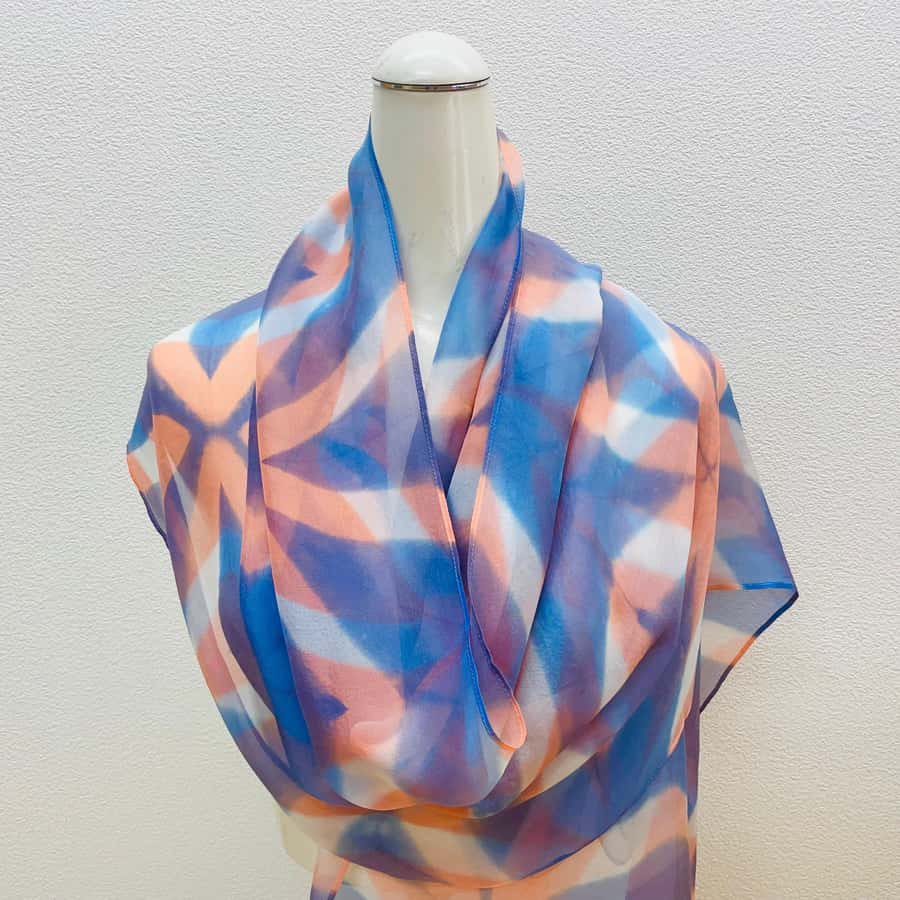
- Itajime technique: fabric is sandwiched between boards, then dyed with two colors
- Small group size: up to 8 participants, so help is available when you need it
- Museum time while drying: explore displays and an exhibition while your scarf sets
- Traditional craft focus: techniques trace back through centuries, including practices continued since the Nara period
- Free museum admission included: normally 1,000 yen value, built right into the class
A One-Hour Shibori Scarf Workshop Near Nijo Castle
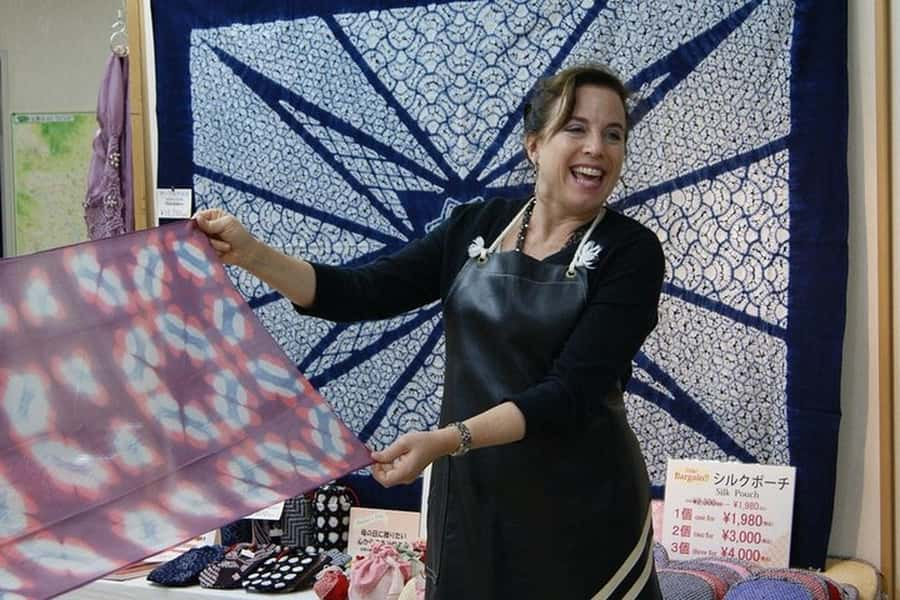
Kyoto is full of workshops, but this one has a very specific flavor: shibori as a living tradition, not just a souvenir factory. The Kyoto Shibori Museum runs a popular scarf course that teaches the Itajime style step-by-step, then lets you enjoy the museum experience while your piece dries.
The timing is part of the appeal. You’re in and out in about an hour, which is ideal if your Kyoto schedule is tight. You don’t need a half-day to get a real craft lesson.
And location helps. The museum is about a 5-minute walk from Nijo Castle, so it fits cleanly into a sightseeing loop in central Kyoto. If you’re already planning to visit Nijo Castle, this is an easy add-on.
What You Make: The Board-Sandwich Itajime Pattern
This class centers on a hallmark shibori look: sharp, controlled patterns made through pressure and dye. The core process is simple to understand, even if the clothwork takes care: you create a design by sandwiching fabric between boards and then dyeing it.
Here’s what makes the Itajime method special. The boards create resist points, so the dyed areas form repeating shapes with clean edges rather than soft, blended effects. Then, using two dye colors (instead of one), you get a more layered pattern with contrast that reads well even from a distance.
You’ll also have choices that affect the outcome. People consistently mention having options for patterns and color ways, which matters because shibori is all about controlling variables. Even within a one-hour format, this is one of the better setups for making the result feel personal instead of standardized.
Choosing Your Design and Getting Hands-On Coaching
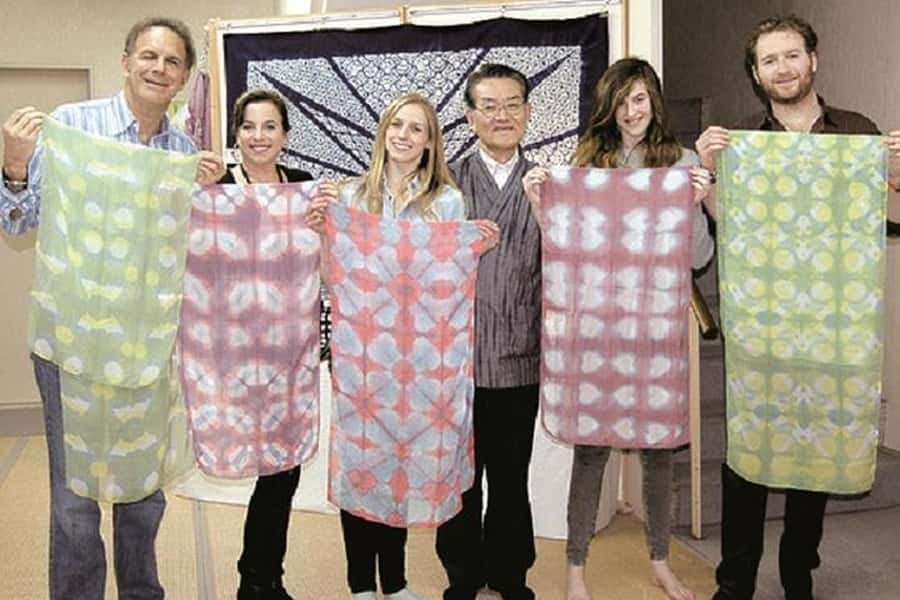
The class runs as a small group, capped at 8 participants, which changes the whole vibe. You’re not shouting over a room full of strangers, and you’re not waiting long for someone to check your setup.
Instruction is available in English and Japanese, so you can follow along without guessing. Staff members guide the process and assist with quality control, which is a big deal for shibori, because small positioning differences can shift the final pattern.
On certain days, you may be taught by instructors like Akiko, who’s noted for clear, efficient instruction. Even if your teacher isn’t Akiko, the pattern is the same: you get step-by-step direction and support so you can focus on doing it right the first time.
Step-by-Step Flow: From Fabric Setup to Drying Time
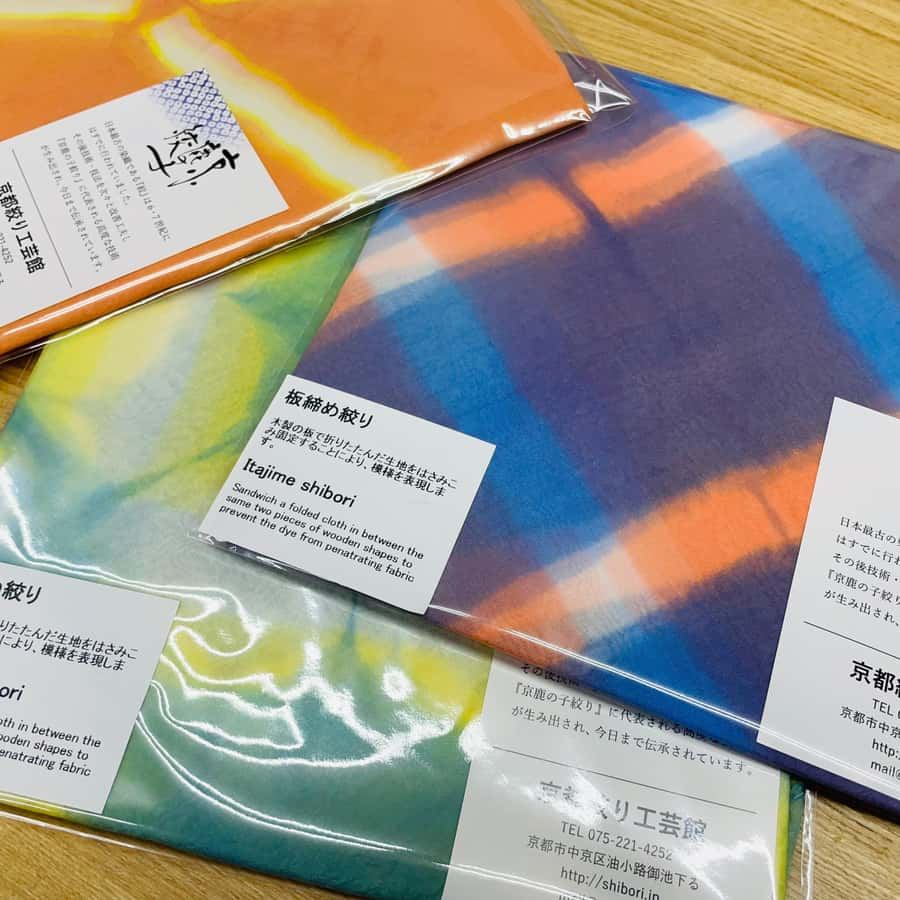
The workshop has a straightforward rhythm. First comes the setup—working with fabric and the board method that shapes the resist pattern. You’ll create your unique scarf design within the Itajime framework, with choices that influence both the pattern layout and the color combination.
Next is the dyeing stage. Dye application is where you see the magic happen, since the boards keep parts of the fabric protected from color. The end result isn’t instant; it’s tied to drying and setting time.
That drying period is where the museum really earns its keep. While your piece dries, you’re not stuck doing nothing. You can explore displays and samples that help you understand how different board arrangements lead to different shibori outcomes.
The Kyoto Shibori Museum While Your Scarf Dries
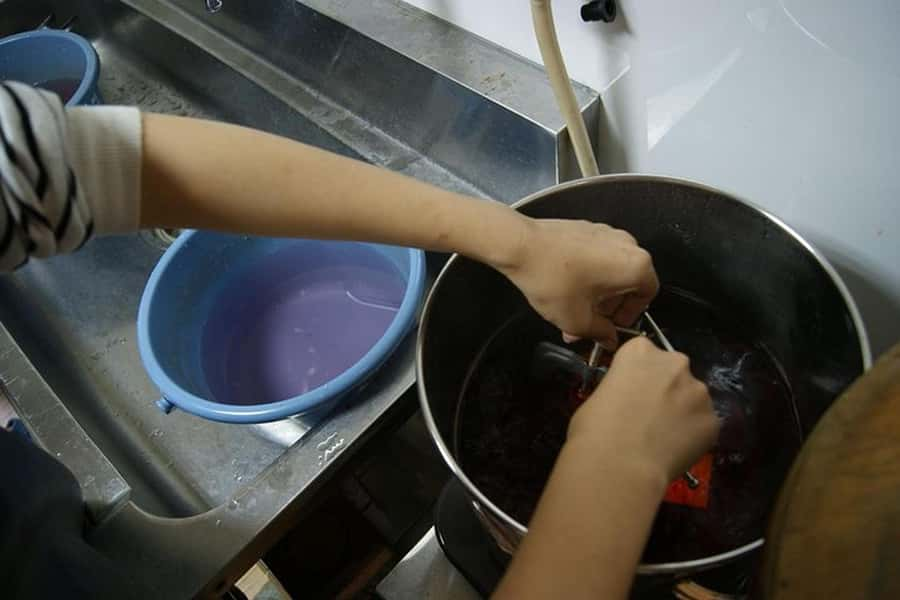
This is a shibori-focused museum, which means you’re surrounded by the craft as you work on your own piece. People describe the museum space on the first floor as strong and well presented, and that matters because you’ll want to use your waiting time well.
While your scarf dries, you can move through the museum exhibits. There are art pieces and samples on display, which is hugely helpful if you’re trying to connect the technique you’re using to the finished look you see around you.
There’s also an upstairs exhibition, including a video presentation on shibori. That’s a practical add-on: the class teaches you the mechanics, and the exhibition helps you place those mechanics in a bigger craft context.
The museum opened in 2001 and it’s built around spreading shibori knowledge. You can feel that mission while you browse—this isn’t a random room of souvenirs, it’s a place that treats shibori as an art with lineage.
A Tradition That Goes Back to the Nara Period
One of the most interesting parts is the emphasis on continuity. The Itajime approach you’ll learn isn’t framed as a modern trend; it’s tied to techniques that have been continued for generations, including traditions that go back through the Nara period.
You don’t need to be a history expert to appreciate that. When a museum and workshop stress long-running methods, you tend to get better craftsmanship attention, more thoughtful teaching, and less “just make something quick” energy.
It also makes your finished scarf feel different. Instead of a one-off item, it becomes a small piece of a long craft story. That’s the kind of souvenir that doesn’t just sit in a drawer.
Pattern Samples, Color Choices, and What They Mean
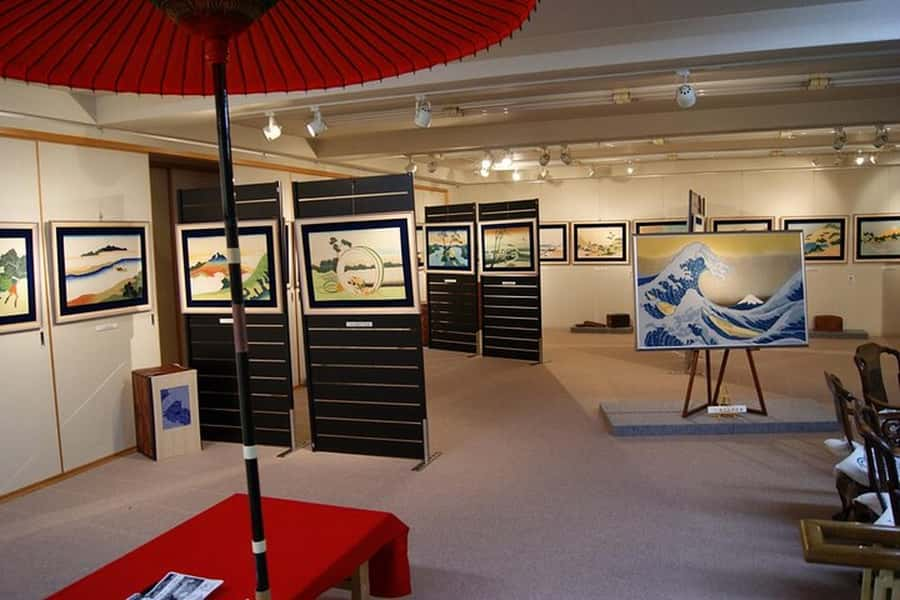
Shibori looks intuitive, but it’s really about control. In this class, the museum setting supports that mindset.
You’ll see samples and examples while you wait, which helps you spot what you liked about your own final choice. For instance, you can compare how different board shapes affect resist lines, or how two-color dye choices create stronger contrast.
This is also why having choices for patterns and color ways is valuable. If you can’t decide, the class can feel limiting. If you do take a moment to choose intentionally, the one-hour craft becomes more satisfying because you’re steering the outcome.
And yes, the instructors help you land on a good result. Quality control assistance is specifically mentioned, which makes sense: in shibori, clean resist boundaries are the difference between random-looking dye and a crisp pattern you’ll actually want to wear.
The Museum Shop: Souvenirs Beyond Your Own Scarf
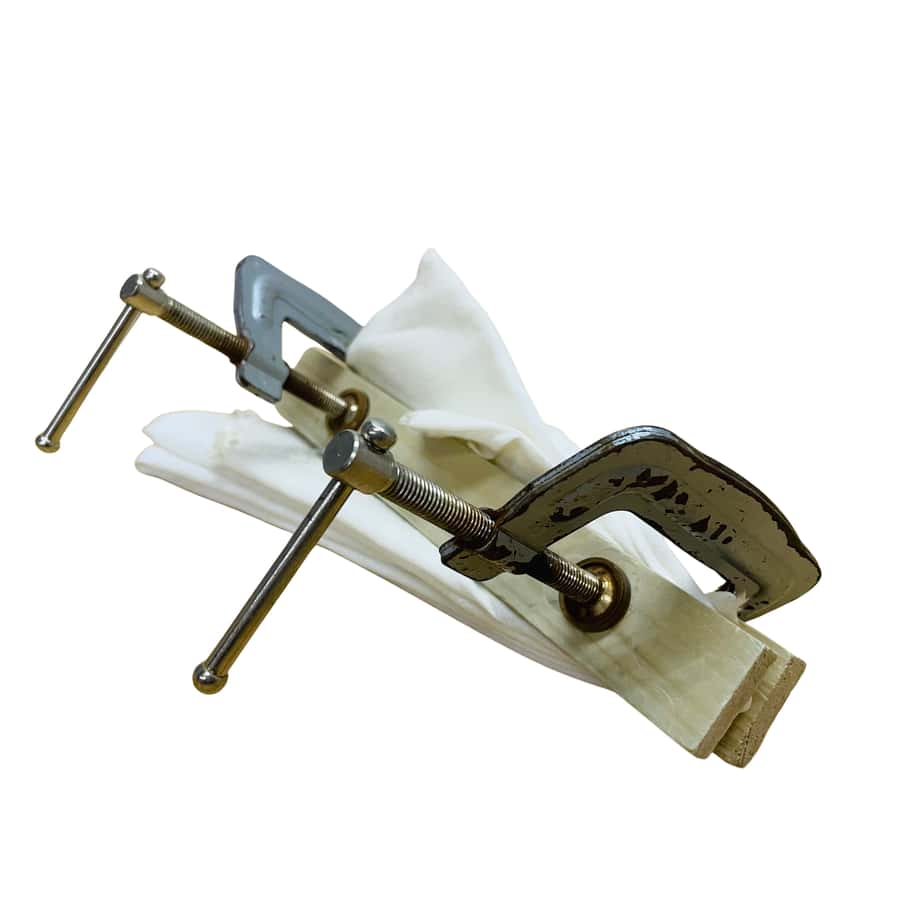
Your take-home scarf is the star, but the museum shop is worth a slow look. People consistently mention seeing a variety of original items, souvenirs, and fabrics.
This is more than just a checkout counter. If you’re curious about shibori, the shop helps you compare styles and finishes. You might spot different fabric weights, different dye intensity, and different pattern densities, which can inform what you want next time.
It’s also a practical way to extend your experience without adding time to your schedule. Since your class is already time-boxed, shopping during or right after the visit lets you turn that limited window into a fuller craft day.
Price and Value: Is $42 a Good Deal?

Let’s talk straight about the cost. At $42 per person, the price is reasonable for a guided, hands-on textile workshop in Kyoto, especially one limited to small groups.
The best part for value is what’s included: free admission to the museum, which is normally 1,000 yen. That matters because you’re not just paying for the dyeing lesson—you’re paying for a complete shibori museum experience plus the workshop.
Also consider what you actually leave with. You’re making a scarf, and at least one participant specifically called theirs a fine silk scarf. Even if you don’t obsess over fiber, the idea is the same: you get a wearable product made through a technique you learned from scratch.
One more value point: the drying-and-exploring format. You’re using the full hour in a meaningful way, not sitting around while the class happens “offstage.”
Who This Workshop Fits Best (and Who Might Want Options)
This class is a great match if you want a real craft lesson without locking up half your day. The one-hour format keeps it doable even on busy Kyoto days.
It’s also a strong choice if you like structured creativity. You aren’t inventing a dye method from nothing; you’re learning a respected technique (Itajime) and applying it with guided support.
You’ll likely enjoy it even more if you’re the type who likes to understand what you’re making. The museum exhibits and the upstairs video help connect the dots between technique, materials, and finished design.
A possible mismatch: if you’re hoping for a long, experimental workshop with multiple iterations, this one-hour course may feel tight. It’s designed to produce a finished scarf experience, not a multi-day learning arc.
Practical Tips for Planning Your Day
Because it’s a 1-hour class, timing is everything. I’d build your day so you can arrive a little early and settle in without stress. If you’re doing Nijo Castle the same day, the 5-minute walk is a gift—use it.
Also, think of this as part workshop, part museum visit. When your scarf is drying, treat that time like your chance to study the craft. Look at patterns. Watch the video. Compare samples.
If you like having options, plan to spend a moment deciding on pattern and color way before you commit. Shibori results are visual, and your choices affect what you’ll enjoy wearing later.
And one last thought: this is small-group and instructor-supported. If you want the best outcome, ask questions while you’re still in the setup stage. Waiting until after dyeing is too late.
Should You Book This Itajime Scarf Class?
Yes, I’d book it if you want a compact Kyoto experience that teaches a specific, traditional technique and delivers a real take-home item. The small group size, the Itajime board-and-two-color method, and the fact you get museum time while your fabric dries make it a smart use of one hour.
Book it especially if:
- you’re visiting Nijo Castle and want an easy nearby add-on
- you like craft demonstrations that explain the why, not just the how
- you want a souvenir you’ll actually wear, not just store
Skip it or look for alternatives if you want a long studio session with multiple redesigns, or if you’re only interested in general shopping and don’t care about hands-on process.
If you’re looking for a short, high-quality shibori experience in Kyoto, this one earns its reputation.
FAQ
How long is the Itajime shibori scarf class?
The class lasts about 1 hour. You can check available starting times when you reserve.
Where is the Kyoto Shibori Museum located?
The Kyoto Shibori Museum is about a 5-minute walk from Nijo Castle.
How many people are in the workshop group?
It’s a small group limited to 8 participants.
What languages are offered during the class?
The instructor speaks English and Japanese.
What will I make during the workshop?
You’ll make your own shibori scarf using the Itajime method.
What is the Itajime technique used in this class?
Itajime works by sandwiching fabric between boards and then dyeing it. The design uses two dye colors for pattern contrast.
Is there anything to do while my scarf dries?
Yes. You can explore art pieces and samples displayed in the museum while your fabric dries, and there is also an exhibition upstairs.
Is museum admission included with the workshop?
Yes. Workshop participants receive free admission to the Kyoto Shibori Museum, which is normally 1,000 yen.
Can I cancel, and is there a pay-later option?
You can cancel up to 24 hours in advance for a full refund. You can also reserve now and pay later.