REVIEW · CAIRO
Private Tour: Giza Pyramids, Sphinx, Egyptian Museum, Khan el-Khalili Bazaar
Book on Viator →Operated by South Sinai Travel · Bookable on Viator
Cairo hits hard in one packed day. I like the private Egyptologist guide who helps you decode Giza and Tutankhamun fast, and I like the smart rhythm of guided time plus free time to wander. One caution: the day is long, and some shopping stops can feel salesy, especially around papyrus.
I also like the practical hotel pickup and drop-off by air-conditioned vehicle, which saves energy in Cairo traffic. If you end up with guides people singled out—like Tarek, Med, or Ahmet Achmed—you’ll get a day that feels paced rather than rushed. Plan for roughly 6–8 hours, not a quick taste.
In This Review
- Key things that make this Cairo highlights day work
- A 9am start that fits Cairo’s traffic math
- Giza Plateau: pyramids first, explanations while the magic is still fresh
- Camels at Giza: included, but think about comfort
- The Sphinx and the Khufu boat: two icons, one payoff view
- Egyptian Museum in Cairo: Tutankhamun without getting swallowed by the building
- Khan el-Khalili bazaar: shopping time that needs a plan
- The papyrus institute stop: culture plus a chance for a hard sell
- Price and value: when $163.56 makes sense (and when it doesn’t)
- How guides shape the whole experience (names people talked about)
- Who should book this private Cairo day?
- Should you book this Giza, Museum, and Khan el-Khalili private tour?
- FAQ
- How long is the private tour?
- What time does the tour start?
- Is the Great Pyramid entrance included?
- What’s included in the price?
- Does the tour include lunch?
- What sites are visited?
- Is there time to shop at Khan el-Khalili?
- Is there free cancellation?
Key things that make this Cairo highlights day work
- A real private guide: you can ask for more time where your interests are strongest
- Giza with context: Cheops, Khafre, Menakaure, plus the Sphinx explained in plain language
- Tutankhamun focus in the Egyptian Museum: a highlights route so you don’t get lost
- Shopping time with Khan el-Khalili: enough to browse and bargain, not enough to do it all
- Optional upgrades: enter one pyramid (extra), Solar Boat Museum (extra), and lunch (if you choose)
A 9am start that fits Cairo’s traffic math
This is built as a high-impact, first-timer friendly day. The tour starts at 9:00 am, with pickup from a central Cairo or Giza hotel by air-conditioned minivan. That matters because Cairo traffic can turn “seeing sights” into “spending time stuck.”
You’re looking at about 6–8 hours, depending on how your guide adjusts the pace. The private setup is the big advantage: if you’re more into history than shopping, you can steer the day. If you want photos, time to linger, or a calmer museum visit, you can ask.
And yes, it’s a lot of walking and standing. I’d treat this like a full-day workout with UNESCO monuments as the reward.
You can also read our reviews of more private tours in Cairo

Giza Plateau: pyramids first, explanations while the magic is still fresh
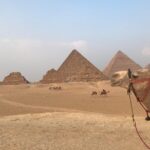
The day begins on the Giza Plateau in the el-Giza district, at the foot of the pyramids. You’ll get a guided introduction to the three pyramids—Cheops, Khafre, and Menakaure—along with the basic “why” behind them. That context helps you look past the wow-factor and start noticing details.
One of the smartest parts: you also get free time to enter one pyramid (extra cost). The trade-off is important. Your guide is not permitted to enter with you, so you’ll be going in and exploring independently. That can be good. It keeps the entry manageable and lets you move at your own speed, but it also means you should set expectations that the inside experience is self-directed.
Practical tip: if you’re claustrophobic or not into small, dim interiors, skip the inside and spend that time on the outside viewpoints and photos instead. The pyramids are still the main event either way.
Camels at Giza: included, but think about comfort
Camel rides are listed as included at the pyramids. It’s one of those “only in Giza” experiences, but it’s also personal. If you’ve ridden before, you’ll know whether you’re comfortable. If you haven’t, take it slowly and listen to instructions—this is not the kind of ride where you can wing it.
If you do it, do it early enough that you still have energy for the Sphinx and museum later. This is a long day.
The Sphinx and the Khufu boat: two icons, one payoff view
After the pyramid walk-and-look time, you drive to the city-side portion of the plateau for the Sphinx. The statue of a human-headed lion guards the pyramids, and your guide will explain the symbolism and what it means in the big picture of Giza.
Right after the Sphinx angle, you’re set up for one of the day’s optional add-ons: the Solar Boat Museum. This is the place tied to Khufu’s funerary boat. You can see the wooden boat and learn how remnants were discovered and reassembled. Because it’s an extra cost, only add it if you genuinely enjoy that kind of artifact story.
The main drawback to keep in mind: the overall day is designed around efficient stops. So if you get very attached to boats, carvings, or museum-style objects, you might find yourself wanting more time. That’s true of the whole itinerary, not just this stop.
Egyptian Museum in Cairo: Tutankhamun without getting swallowed by the building
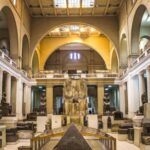
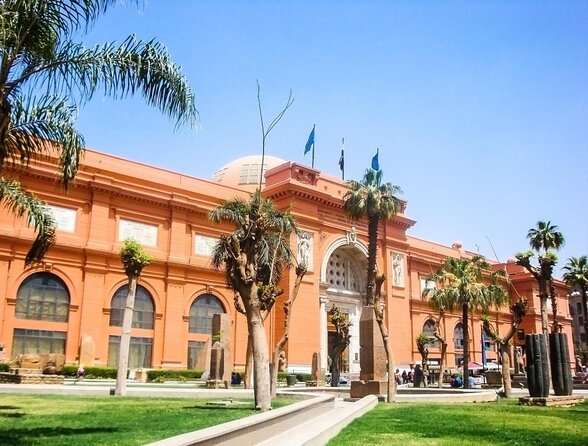
Then comes the Egyptian Museum in Cairo, home to around 120,000 artifacts (and often talked about as a giant maze). This tour doesn’t try to make you “see everything.” Instead, it leads you through key pieces so you can focus on what people come for.
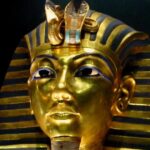
The star attraction is Tutankhamun—especially the gold death mask and the coffins and funerary treasures. Your guide introduces the major items, and then you get free time to explore on your own.
Here’s the practical reality: the museum stop is about 1 hour 30 minutes. That’s enough to make Tutankhamun feel real, but not enough to “go deep” on every wing if you’re a museum person. If history is your main obsession, you might still want a second museum day later in your trip.
In a way, this is the strength of the private format. You’re not wandering confused. You’re getting pointed to the right rooms so your time isn’t eaten by signage and crowds.
You can also read our reviews of more museum experiences in Cairo





Khan el-Khalili bazaar: shopping time that needs a plan
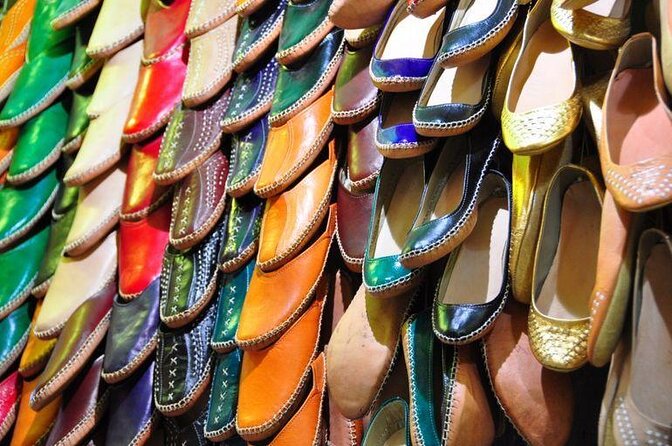
The tour finishes with time at Khan el-Khalili, Cairo’s main souk. You’ll have free time to stroll and bargain, and the experience is exactly what you’d expect from a historic market: loud, crowded, and packed with goods.
This is where I’d bring a simple strategy. Decide what you want before you arrive—spices, a small piece of jewelry, a scarf, a postcard—then set a budget. That way you’re negotiating for something real, not negotiating because someone offered.
One thing to watch: the bazaar portion is about 1 hour. That’s plenty for browsing and buying one or two things, but it can feel short if you want to truly walk the lanes and compare. If you’re the type who likes to meander, you may end up wanting a second visit on another day.
The papyrus institute stop: culture plus a chance for a hard sell
During the day, you’ll also have a chance to visit a papyrus institute to see papyrus artwork made, with artists showing their process. That can be a cool cultural moment—especially if you like seeing how old-school materials become art.
But here’s the balanced caution from real-world experience with tours like this: papyrus shops can turn into a “pressure-to-buy” situation. The good news is you’re not required to purchase anything, and you can keep control by deciding what you’ll pay and walking away if it goes beyond your comfort level.
If you want the creative demonstration but don’t want the retail stress, treat the institute visit as the main event and keep your wallet rules firm.
Price and value: when $163.56 makes sense (and when it doesn’t)
The listed price is $163.56 per person, and it includes a private Egyptologist guide, hotel pickup/drop-off in an air-conditioned minivan, museum admission, and (importantly) camel rides at the pyramids. Lunch is also available if you upgrade.
So what are you really paying for?
- You’re paying for someone to manage the day: getting you to the right parts of Giza and the museum without you wasting time.
- You’re paying for context: the guide’s explanations turn monuments into something you can remember.
- You’re paying for time structure: guided highlights first, then your own freedom.
What’s not included is where your final number can change. The big one is entrance to the Great Pyramid (listed as extra, currently $15 / 300 L.E, and it can change). Solar Boat Museum is also extra. And there are added transfer supplements depending on your region, plus language supplements if you’re not using English.
If you’re traveling in a group or you hate the hassle of planning, this price can be fair. If you’re comfortable doing Cairo sights on your own and you don’t need a guide to interpret Tutankhamun and Giza, you might find cheaper options. Still, the private guide and the museum focus are the parts that most reduce stress.
How guides shape the whole experience (names people talked about)
The tour’s success really depends on the guide’s style. In the standout cases, people highlighted guides such as Tarek, Med, Ahmet Achmed, Mahmoud, and Mohamed Basheer. The common thread in those positive experiences: they matched the pacing to the group, explained what mattered, and gave enough free time to actually enjoy the sights rather than speed-walk through them.
If you have a choice or can make a preference during booking, it’s worth asking for an Egyptologist guide known for balancing information with time on your own.
Who should book this private Cairo day?
This tour fits best if you want:
- a first-time Cairo orientation that hits the top sites efficiently
- a guide to connect the dots at Giza and during Tutankhamun
- private pacing with hotel pickup, so you’re not wrangling transport all day
- enough bazaar time to buy something, but not enough to lose the whole day to shopping
It’s less ideal if:
- you want a long, slow museum day (the Egyptian Museum time is only about 1.5 hours here)
- you dislike any shopping or retail stop pressure (the papyrus institute and bazaar can have sales energy)
- you’re extremely sensitive to crowds and want total quiet at every stop (this is Cairo’s biggest sites)
Should you book this Giza, Museum, and Khan el-Khalili private tour?
If your goal is a high-value Cairo highlights day that makes Giza and Tutankhamun easier to understand, I’d say yes. The private guide, hotel pickup, and Egyptian Museum focus are the big wins. The optional upgrades (pyramid entry, Solar Boat Museum, lunch) let you customize without turning the day into chaos.
But go in with the right expectations: the schedule is efficient, not leisurely. And bring a “no pressure buying” mindset for papyrus retail. If you do that, you’ll walk away with the best parts of Cairo—without getting stuck in the worst parts of planning.
FAQ
How long is the private tour?
It runs about 6 hours (approx.), and the flexible private itinerary can last 6–8 hours depending on your interests.
What time does the tour start?
The start time is 9:00 am.
Is the Great Pyramid entrance included?
You get free time to enter one pyramid, but entrance is not included and has an extra cost. Also, your guide is not permitted to enter with you.
What’s included in the price?
Included items listed are a private Egyptologist guide, air-conditioned private transportation with hotel pickup and drop-off, Egyptologist language included in the pricing (English), Egyptian Museum admission, and camel rides. Lunch is included only if you select the lunch option.
Does the tour include lunch?
Lunch is included if you upgrade to include lunch during the tour.
What sites are visited?
You’ll visit the Giza pyramids and Sphinx, the Egyptian Museum (including Tutankhamun’s treasures), and Khan el-Khalili bazaar. The day also includes a papyrus institute visit.
Is there time to shop at Khan el-Khalili?
Yes. You’ll have about 1 hour of free time to browse and bargain in Khan el-Khalili.
Is there free cancellation?
Yes. You can cancel for a full refund up to 24 hours before the experience’s start time.