REVIEW · HIROSHIMA
Hiroshima; Hiroshima Peace Memorial Museum and Castle Tour
Book on GetYourGuide →Operated by Fukuhara tours · Bookable on GetYourGuide
Atomic history hits hard in Hiroshima. This 3-hour guided tour strings together the Peace Memorial Museum, Peace Memorial Park, and key sites like the Atomic Bomb Dome and the hypocenter, so the story lands in the right order instead of feeling like a checklist. I like how the guide keeps the focus on meaning, not just dates, and I also like the way the route slows down at the park and memorial areas where you’ll want time to take it in.
One heads-up: some museum exhibits can be graphic about the bombing’s horror, so if you’re sensitive, ask in advance how heavy it gets. Also, Hiroshima Castle is included as sightseeing only, while castle admission is not—so you may still need to buy tickets if you want to go inside.
For value, I think this is a smart buy at about $67 per person because you get museum entry plus a guided experience that helps you understand what you’re seeing, not just where to stand for photos. Just plan for comfortable walking shoes, and be ready for an emotionally serious day.
In This Review
- Key things that make this Hiroshima tour worth your time
- Why this 3-hour format works (and where it feels tight)
- Starting point near Peace Memorial Museum: how to get on track fast
- Hiroshima Peace Memorial Museum: where the guide earns their pay
- Optional audio guide isn’t included
- Peace Memorial Park: the power of a specialist peace-focused walkthrough
- Atomic Bomb Dome and the hypocenter: seeing the story on the ground
- Atomic-bombed buildings: the quieter history that hits harder
- Hiroshima Gokoku Shrine: a respectful pause in the middle of heavy history
- Hiroshima Castle: samurai sights with tickets not included
- Price and value: is $67 per person fair here?
- What you’ll likely feel on this tour (and how to prepare)
- Who should book, and who should reconsider
- Should you book this Hiroshima Peace Memorial Museum and Castle tour?
- FAQ
- How long is the Hiroshima Peace Memorial Museum and Castle tour?
- What’s included in the price?
- Are Hiroshima Castle tickets included?
- Where do we meet for the tour?
- What languages is the tour offered in?
- Is the tour suitable for wheelchair users or for seniors over 95?
Key things that make this Hiroshima tour worth your time
- Guide-led museum context: You don’t just see artifacts—you get a guided walkthrough that helps you connect exhibits to what happened.
- Peace Park with a specialist guide: The Peace Memorial Park portion is guided with a peace-focused lens.
- Hypocenter area stops: You’ll visit the hypocenter zone and learn what that location means.
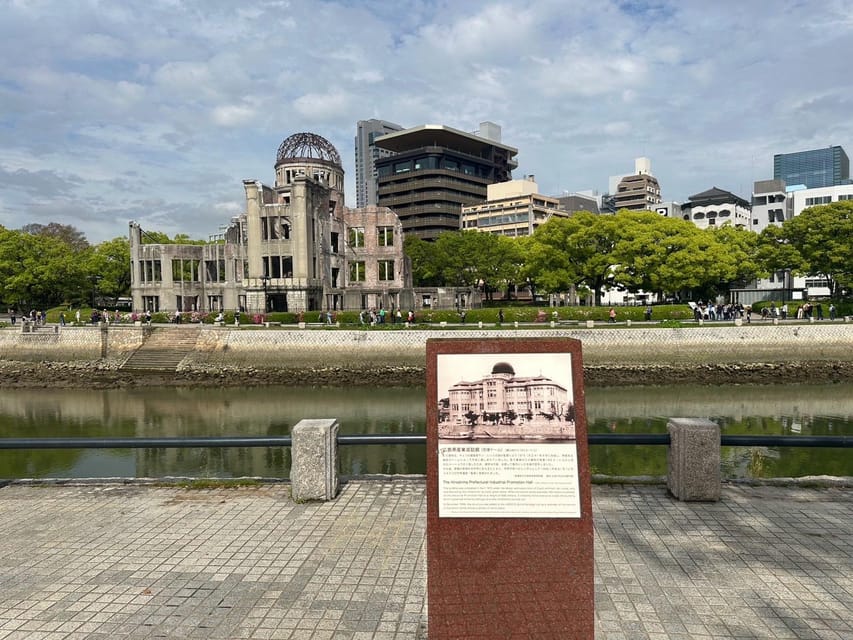
- Atomic Dome photo stop, then on-foot viewing: It’s treated like a “key scene,” not a quick photo and go.
- Historic Hiroshima beyond big monuments: You also see atomic-bombed buildings that speak to daily life at the time.
- Hiroshima Castle for a change of pace: You get samurai-era atmosphere (swords, helmets, and more), even though tickets aren’t included.
Why this 3-hour format works (and where it feels tight)
Hiroshima can overwhelm you fast, especially at ground zero sites. What I like about this tour is the structure: museum first, then the Peace Park, then the hypocenter area and atomic-bombed locations, and finally a lighter historical break at Hiroshima Castle. It’s the kind of flow that helps your brain build a timeline instead of bouncing between unrelated stops.
The biggest trade-off is time. With only about 3 hours, you’ll get guided highlights and focused viewing, not a slow, hour-by-hour “read every sign” day. If you want to linger deeply at the museum, choose a pace that matches your comfort level—many guides keep things at the group’s reading speed, but you still have a schedule.
Starting point near Peace Memorial Museum: how to get on track fast
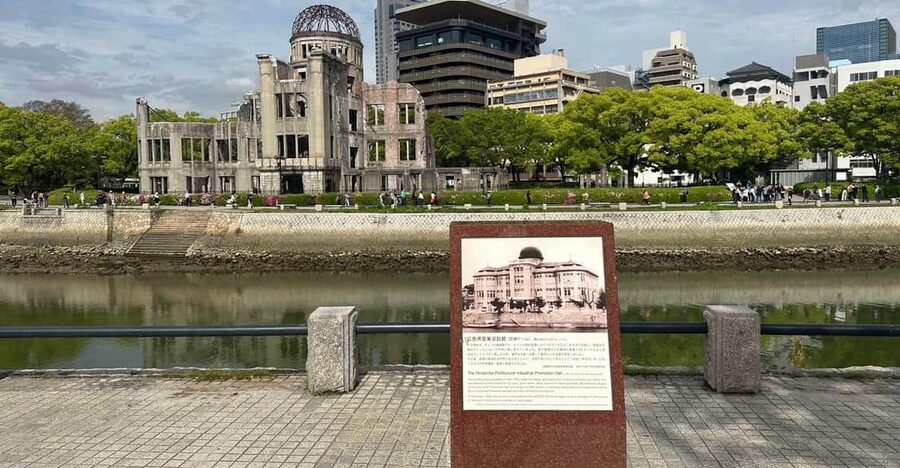
You meet at the taxi stand near the Peace Memorial Museum. That’s helpful because it places you right where the story begins, not at some far-off hotel pickup that adds confusion. If you’re coming from Hiroshima Station, give yourself buffer time; you don’t want to arrive flustered before entering a memorial-focused space.
Bring comfortable clothes and walking shoes. This tour is mostly on foot and involves multiple timed stops, including guided walking sections around the memorial park area.
Hiroshima Peace Memorial Museum: where the guide earns their pay
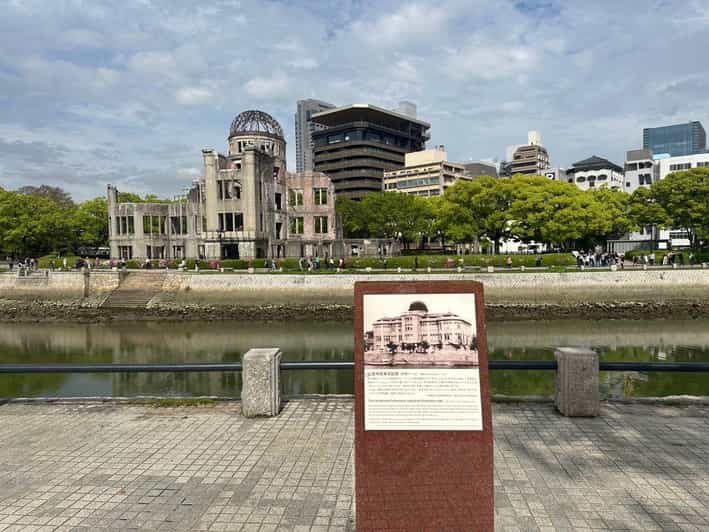
The museum is where this tour becomes more than sightseeing. You’ll have a guide-led visit (with a photo stop) and a chance to make sense of the tragedy through what’s displayed and how the narrative is explained.
Skip-the-line museum entry is included, which matters here. Museums like this can have queues, and you don’t want to waste time standing around while the day’s emotional tone builds.
In terms of what I’d tell you to do: don’t rush your eyes just because a guide is talking. If you find a display you want to read fully, it’s better to slow down briefly than to skim and lose the point. Many guides on this route are careful about keeping the pace comfortable, and they’ll answer questions without steamrolling the group.
Also note the sensitive content. The tour info flags that some exhibits depict shocking horror of the atomic bomb, so if you have any concerns, ask beforehand how the guide approaches the heavier sections.
Optional audio guide isn’t included
If you love audio storytelling, you’ll need to add that separately. The guided visit is still the core value—audio is optional.
Peace Memorial Park: the power of a specialist peace-focused walkthrough
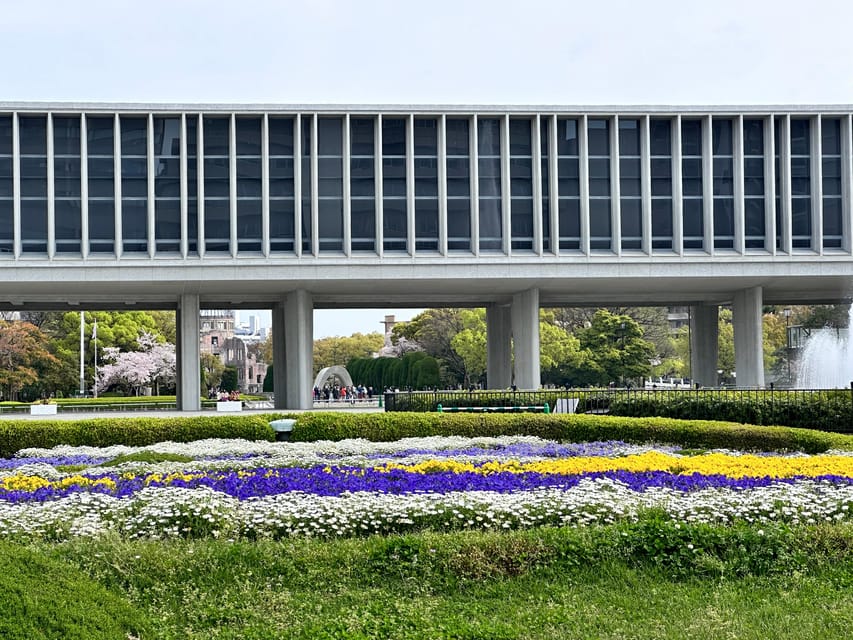
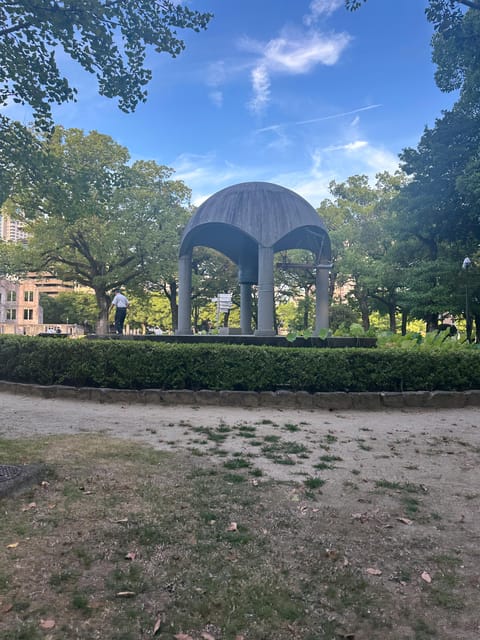
After the museum, you head to Peace Memorial Park, again with a guided component and photo stops. This is where the tone shifts from “what happened” to “what the memorial asks of us.” You’ll learn about World War II and the thoughts behind the memorial monument(s), and you’ll also hear why the park is designed the way it is.
I like parks like this when they’re explained well, because so much is symbolic. The guide helps you connect the layout, monuments, and wording to the larger message. If you’ve been to memorials before, you already know the danger: you can walk through and miss the meaning. Guidance here reduces that risk.
Keep an eye on your emotional state. If you need a breath, take it. This is the kind of place where slowing down is not only allowed—it’s respectful.
Atomic Bomb Dome and the hypocenter: seeing the story on the ground
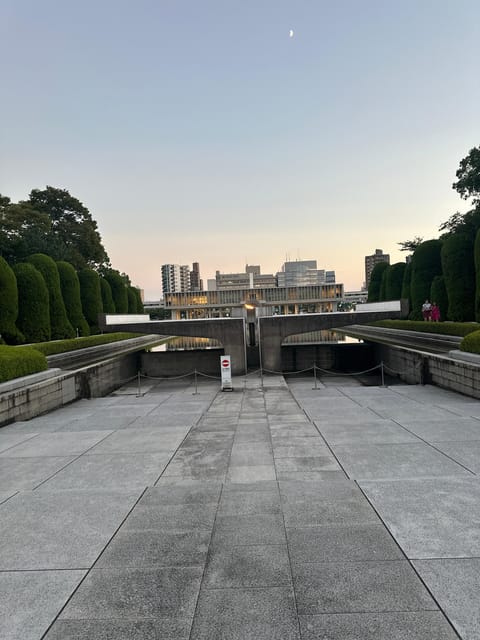
Next up are two high-impact moments: the Atomic Bomb Dome and the hypocenter area.
The schedule includes a photo stop, then guided visit time. You’ll also take a short on-foot section before reaching Hiroshima Castle later, so the day doesn’t lose momentum.
What’s special about this pair of stops is that they put the event into space. The Atomic Bomb Dome is an image most people recognize, but standing near it with context is very different from seeing it in a textbook. The hypocenter area adds a second layer—location-based meaning—so you understand why this site is treated as ground zero in historical memory.
Practical tip: take a minute to orient yourself before you start photographing. It’s easy to point your camera without knowing what part the guide is focusing on. If you pause and listen first, your photos will make more sense later when you’re back home.
Atomic-bombed buildings: the quieter history that hits harder
One of the best parts of this tour is that it doesn’t stop at the biggest symbols. You’ll also visit remaining atomic-bombed buildings and learn about daily life in Hiroshima at the time and what the atomic bomb’s power meant up close.
This is the segment that often feels most personal because it shifts away from mass events and toward lived experience—what normal looked like, what changed, and how the city rebuilt after.
If you’re expecting only dramatic monuments, you might be surprised by how grounded these stops feel. That’s also why the guide matters: without explanation, “ruins and walls” can feel generic. With guidance, those places become evidence.
Hiroshima Gokoku Shrine: a respectful pause in the middle of heavy history
You’ll visit Hiroshima Gokoku Shrine as part of the route. This is a nice tonal reset. It doesn’t erase the earlier content, but it gives you a breather where the focus turns toward tradition and remembrance in a different form.
I like adding a shrine stop on days like this, because it helps balance your mental load. You’re not spending the entire tour locked inside WWII tragedy, and you get a glimpse of how Hiroshima’s cultural life continues.
Hiroshima Castle: samurai sights with tickets not included
The last major stop is Hiroshima Castle. You’ll have photo time, guided sightseeing, and a shorter visit window. The tour info highlights samurai elements—things like swords and helmets—so it’s best thought of as a historic contrast to the memorial sites.
Important: castle tickets are not included. That doesn’t mean the castle portion is worthless—it just means you should be ready to pay admission separately if you want to go inside where applicable.
If you’re one of those people who loves architecture and museum interiors, you may feel a bit rushed in this short segment. On the other hand, if you want a quick cultural landing after heavy stops, this timing works.
Price and value: is $67 per person fair here?
At about $67 per person for a 3-hour guided route, I think you’re paying for two things: access and interpretation.
You get:
- Peace Memorial Museum ticket included
- Guided museum and guided park time
- Skip-the-line museum entry
- Peace Memorial Park specialist guidance
- Traditional Hiroshima snacks included
- A tour guide through multiple stops
What you don’t get:
- Food and drink bills
- Optional museum audio guide
- Hiroshima Castle tickets
So the real question is whether you’ll benefit from the guide. If you prefer to self-tour and read at your own pace, you might not need this. But if you want to understand why memorials look the way they do, why certain sites are prioritized, and how Hiroshima’s recovery fits into the story, a guided format is usually a better use of limited time.
Also, this is one of those days where “saving a little money” can cost you meaning. You’re not buying a thrill. You’re buying clarity and context.
What you’ll likely feel on this tour (and how to prepare)
Expect a tour that is respectful and direct. The guide is there to help you handle the topic without turning it into trivia.
That graphic-content note matters. If you’re traveling with anyone sensitive, or you’re unsure how you’ll react, plan ahead. If you want, you can also pick a time of day when you’re less likely to feel rushed afterward—your brain will need it.
A small but real advantage: having snacks included can keep your energy steady while you’re dealing with a heavy emotional theme. You’ll want that in a 3-hour walking schedule.
Who should book, and who should reconsider
This tour is a strong fit if you:
- Want a guided understanding of Hiroshima’s WWII story and peace message
- Prefer a timed route that covers the big memorial sites without feeling chaotic
- Appreciate history explained through places, not just facts
It might not be the best match if you:
- Need a fully wheelchair-friendly experience, because the info is contradictory (it lists wheelchair accessible, but also says it’s not suitable for wheelchair users). If that applies to you, ask directly before booking.
- Are traveling with someone over 95 years old, since it says it’s not suitable for people over 95 years.
And if you’re emotionally sensitive to graphic content, again, ask beforehand how the visit handles the heavier exhibits. You can’t always control what you see, but you can control your readiness and how you plan your day.
Should you book this Hiroshima Peace Memorial Museum and Castle tour?
Yes—if you want meaning and you don’t want to guess your way through Hiroshima. This is the kind of route that helps you connect museum exhibits, park symbolism, ground-zero location, and Hiroshima’s continued life in the same afternoon.
Before you book, do two quick checks:
- Confirm how the guide handles graphic exhibits for your comfort level.
- Plan on separate Hiroshima Castle tickets if you want more than a quick outside look.
If you get a guide like Maria or Ihsan, you’ll likely appreciate the calm, question-friendly pace and the way they bring local context to the story. Names you may see for guides on this route include Léo, Mehak, Bilal, Ali, and James (Baba Voss). I can’t promise who you’ll get, but the common thread in the experience is a careful, respectful approach and time spent answering what you actually want to know.
If you’re short on time in Hiroshima and you want the day to land with clarity, this tour is a solid choice.
FAQ
How long is the Hiroshima Peace Memorial Museum and Castle tour?
The tour duration is 3 hours.
What’s included in the price?
The tour includes a walking tour, the Hiroshima Peace Memorial Museum ticket, traditional snacks of Hiroshima, and a tour guide. Skip-the-line entry for the museum is also included.
Are Hiroshima Castle tickets included?
No. Castle tickets are not included, so you may need to purchase admission separately if you want to enter.
Where do we meet for the tour?
You meet at the taxi stand near the Peace Memorial Museum.
What languages is the tour offered in?
The tour guide is available in English, Hindi, Malay, and Urdu.
Is the tour suitable for wheelchair users or for seniors over 95?
The info provided says the tour is wheelchair accessible, but it also notes it is not suitable for wheelchair users. You’ll want to confirm with the operator before booking. It also states it is not suitable for people over 95 years.