REVIEW · CAIRO
Private Tour: Egyptian Museum
Book on Viator →Operated by South Sinai Travel · Bookable on Viator
Tutankhamun is only the start. You’ll go straight for the museum’s big moments, especially Tutankhamun’s famed treasures, then use a private Egyptologist to make sense of what you’re looking at in a building stuffed with artifacts. I also like the door-to-door pickup by air-conditioned minivan, which matters in Cairo, where even a short ride can turn into a slow crawl.
The main downside to plan for is time pressure. Three hours (about) sounds generous until you’re standing in front of gold coffins and a wall of mummies, so you’ll want a guide who keeps your pace aligned with your interests.
In This Review
- Key things to know before you go
- Entering The Egyptian Museum with a private Egyptologist
- Your route: pickup, museum focus, and tailored pacing
- Tutankhamun treasures: what to focus on
- Beyond the hype: Egyptian and Roman collections that actually make sense
- The Royal Mummies Room: should you pay extra?
- Optional Papyrus Institute stop: a useful souvenir with context
- What the price buys you in real Cairo terms
- Guide quality can make or break your pace
- Timing realities: 3 hours sounds right, but it’s not unlimited
- Who should book this private Egyptian Museum tour?
- Should you book it?
- FAQ
- What time does the Egyptian Museum private tour start?
- How long does the tour last?
- Does the tour include hotel pickup and drop-off?
- What’s included in the tour price?
- Is the Tutankhamun collection part of the tour?
- Can I add the Royal Mummies Room?
- Is the Papyrus Institute visit included?
- Are other languages available besides English?
- What’s the cancellation policy?
Key things to know before you go
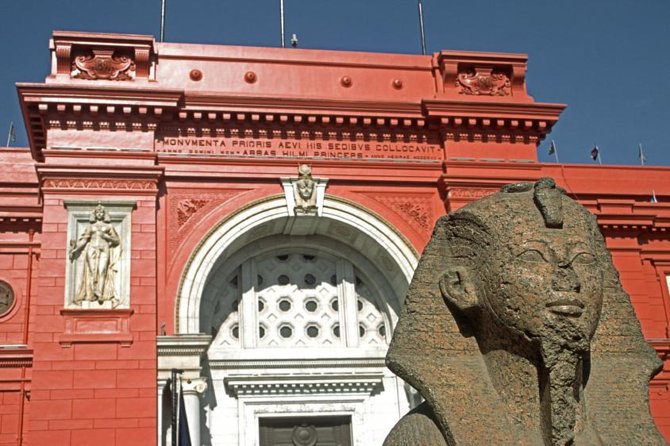
- Private Egyptologist guidance helps you read the museum fast, without getting lost in the noise of labels and crowds
- Tutankhamun highlights are the headline, including the gold death mask, coffins, and chariot
- Egyptian and Roman galleries get explained so you’re not just staring at objects
- Royal Mummies Room is optional and costs extra, but it’s a major “set piece” stop
- Hotel pickup and drop-off save time and reduce Cairo logistics stress
Entering The Egyptian Museum with a private Egyptologist
Cairo’s Egyptian Museum is the kind of place that can feel overwhelming even when you’re super motivated. There are more than 165,000 artifacts on display, and the collections range from pharaonic Egypt to the Roman era. Without help, you can end up walking a lot but understanding little.
That’s where a private Egyptologist earns their keep. Your guide helps you pick the smart path through the building, explains why specific objects mattered, and keeps the visit from turning into a random photo marathon. The difference is huge in places like the Tutankhamun halls, where the artifacts are famous, but the surrounding context is what makes the whole thing click.
On top of that, you start with a hotel pickup at 9:00 am and ride in an air-conditioned minivan. This is practical in two ways: you save time looking for transport, and you arrive less frazzled. Cairo traffic can be slow, and that can affect how much museum time you truly get.
You can also read our reviews of more private tours in Cairo


Your route: pickup, museum focus, and tailored pacing
The basic flow is straightforward. You’re collected from your hotel, transferred to the Museum of Egyptian Antiquities in central Cairo, and then guided through the main highlights. On the way, your Egyptologist gives you an intro so the museum doesn’t feel like a wall of unrelated rooms.
Once inside, you get to shape the visit a bit. If you want more time on Tutankhamun or you’d rather spend longer with mummies and funerary objects, you can tell your guide and adjust. You’ll also get free time after the main introductions to keep going at your own pace.
Here’s the practical catch: the museum is big and your time is limited. In past trips, some guides have moved quickly, and a few guests felt they didn’t see everything they wanted. So when you book, I’d treat “private” as a promise to advocate for your pace. Ask your guide to set a plan early: what must you see, and what can be optional.
Tutankhamun treasures: what to focus on
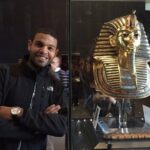
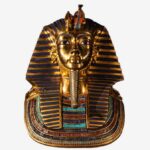
Tutankhamun is the star attraction for a reason. This museum’s Tutankhamun collection includes the dramatic, recognizable items people travel for, including his gold death mask, his gilded coffins, and a funerary chariot. Seeing these objects in person is one thing; seeing them with the right context is the moment when the museum stops being overwhelming.
Your guide will typically lead you through the key exhibits and explain what you’re looking at—how the objects connect to burial practices, how they were designed to protect and honor the king, and why Tutankhamun’s era became such a landmark story in modern Egyptology.
Even if you’ve watched documentaries before, don’t skip the “why.” A good guide helps you notice details you’d otherwise miss: proportions, materials, the role of gold in funerary symbolism, and how these items fit together as a burial system rather than isolated masterpieces.
Beyond the hype: Egyptian and Roman collections that actually make sense
After you’ve hit the Tutankhamun highlights, the rest of the museum can either feel like a blur—or it can feel like a guided “timeline in objects.” The Egyptian Museum doesn’t just show royal stuff. It also includes everyday items and funerary pieces across long stretches of history.
In your guided portion, you’ll get pointed to key categories such as:
- pharaonic sarcophagi and funerary furnishings
- objects from daily life—things that help you picture how people lived, not just how rulers were buried
- Roman-era funerary paintings, which add another layer to the story of how Egypt was remembered and reused
This is where a private guide turns the visit from sightseeing into understanding. When labels are small and the galleries are crowded, it’s easy to miss the story behind what you’re seeing. A guide can translate the “museum language” into plain meaning and help you keep your orientation.
If you want a practical tip: take photos sparingly at first. Stand, listen, and let the explanation point out what to look for. Then you can photograph with purpose.
The Royal Mummies Room: should you pay extra?
There’s an optional stop called the Royal Mummies Room, and it’s an additional cost. The room is climate-controlled, and it’s designed specifically for seeing the mummies of Egyptian rulers.
A highlight named in the experience is Ramses II, known for his connection to major temple building projects. Even without memorizing every historical detail, this room is powerful because it turns the museum from “objects on display” into “bodies from the past,” shown in a focused setting.
Is it worth the extra? If mummies are a must on your list, yes—this is the kind of room you’ll remember. If you’re more interested in inscriptions, tomb objects, or you want more time with Tutankhamun-related items, you might decide to skip it to avoid feeling rushed elsewhere.
Because your overall museum time is limited, I’d treat the Royal Mummies Room as a deliberate decision, not an automatic add-on.
You can also read our reviews of more museum experiences in Cairo





Optional Papyrus Institute stop: a useful souvenir with context
If your schedule allows, your tour can include a visit to a Papyrus Institute after the museum. This isn’t just for shopping. It’s an intro to papyrus writing and art—an ancient medium painted onto papyrus canvases.
You may have the chance to buy papyrus scenes as souvenirs (at your own expense). The value here is that you’ll understand what you’re looking at, instead of grabbing a postcard-like item and hoping it makes sense later.
If you’re the type of traveler who likes learning one craft and taking home something small and meaningful, this stop works well. If you’re trying to keep the day simple, you can skip it and just keep your attention inside the museum.
What the price buys you in real Cairo terms
At $99.18 per person, this is paying for three things that matter in Cairo: a private Egyptologist, air-conditioned hotel pickup and drop-off, and a guided path through one of the world’s most packed museum buildings.
Is it expensive? Not for what it covers, especially if you compare it to the cost of doing it solo with taxis plus the cost of wasted time wandering. The real value isn’t the route on a map. It’s the saved effort of not having to decide where to go inside a museum that can easily consume half your day.
Your best deal comes if you show up with clear priorities:
- Tutankhamun must-sees
- whether you want mummies emphasized
- whether you care about Roman-era pieces and everyday objects
- whether you want more time to slow down for photos and reading
When your guide understands your priorities early, you get the best “time-to-wonder” ratio.
Guide quality can make or break your pace
Private tours are only as good as the guide’s style, and this museum is unforgiving: there’s too much to see, and too little time to do it all. In practice, the strongest experiences tend to happen when your guide is patient, organized, and willing to steer you through the collection without rushing.
Some guides you may encounter include Mohammed, Fouad, Tariq, and Ahmed—names that have shown up with praise for turning disorganized rooms into clear stories. One guest also mentioned accessibility being carefully planned for a wheelchair user, which is a good reminder to communicate needs ahead of time rather than hoping things will work out on the spot.
What you can do to protect your experience:
- Ask your guide to start with the top exhibits and then confirm your pace
- If you have a must-see list, tell them at pickup
- If you’re seeing fatigue, ask for more structure and less wandering
If your guide moves fast and you want more depth, politely ask for an extra minute in each key room. In a museum this big, those small changes matter.
Timing realities: 3 hours sounds right, but it’s not unlimited
The tour is listed as about 3 hours. That typically means you’ll get a guided highlight loop, then some self-paced time. If everything goes smoothly, you’ll leave feeling like you got the core experience.
But here’s the reality: some people have found that a tight schedule can shrink museum time down to less than expected. That often comes down to timing on the day, how quickly the group moves, and how your guide manages the route.
Plan your expectations like this: you’re buying a “best-of” tour, not a full catalog scan. If you want to linger over every object and read every label, you’ll need either a longer visit or a second return trip.
Who should book this private Egyptian Museum tour?
This tour is a great fit if:
- you want Tutankhamun’s treasures without sorting out the museum on your own
- you’d rather learn as you go, especially in rooms that mix pharaonic and Roman material
- you value comfort and efficiency with hotel pickup and drop-off
- you like having your day shaped to your interests, with the option to add the Royal Mummies Room
It may be less ideal if:
- you prefer wandering freely with zero structure
- you need a lot of reading time and quiet stops, because the museum is huge and your allotted hours are limited
If you’re traveling with limited time in Cairo, this private format is a smart way to make the museum feel manageable.
Should you book it?
If you want the Egyptian Museum in Cairo to feel understandable and not just overwhelming, I’d book this private tour. The combination of expert Egyptologist guidance, a clear focus on Tutankhamun, and door-to-door transport is exactly what you want in a museum this large.
I’d especially book if you’re the kind of person who hates wasting time: you’ll get a plan, you’ll see the headline objects, and you’ll leave with context. Just go in knowing it’s a highlight visit, not an all-day museum marathon—and ask your guide early for a pace that matches what you actually care about.
FAQ
What time does the Egyptian Museum private tour start?
The tour starts at 9:00 am.
How long does the tour last?
It’s listed as approximately 3 hours.
Does the tour include hotel pickup and drop-off?
Yes. You get pickup from your hotel and a drop-off afterward, with transport by air-conditioned minivan.
What’s included in the tour price?
You get a private qualified Egyptologist guide and private transportation, plus a hotel pickup and drop-off. Lunch is included only if you select that option.
Is the Tutankhamun collection part of the tour?
Yes. The visit focuses on Tutankhamun’s treasures, including his gold death mask, coffins, and chariot.
Can I add the Royal Mummies Room?
Yes, you can visit the Royal Mummies Room, but it’s an additional cost.
Is the Papyrus Institute visit included?
It’s optional. If you choose it, you can learn about papyrus writing and art and you may buy souvenirs at your own expense.
Are other languages available besides English?
English is included in the pricing. For other languages, a 1000 L.E. supplement may apply.
What’s the cancellation policy?
Free cancellation is available up to 24 hours in advance of the start time for a full refund.