REVIEW · CAIRO
Private Tour: Egyptian Museum, Alabaster Mosque, Khan el-Khalili
Book on Viator →Operated by South Sinai Travel · Bookable on Viator
Three Cairo highlights, one focused day. This private route stitches together Egyptian Museum wonders, the Alabaster Mosque on the Citadel hill, and the maze of Khan el-Khalili for a change of pace from the Giza sights.
I especially like how the Egyptian Museum visit is structured around the headliners: King Tutankhamun’s death mask and the famous gold coffins. I also like that this is truly private, so your guide can slow down, answer questions, and you can choose how long you stay at each stop.
One consideration: the Khan el-Khalili portion can feel shop-heavy if you’re not in a shopping mood. And a few guests noted extra stops tied to sales, like a perfume shop—so you’ll want to steer time toward what you actually care about.
In This Review
- Key points worth knowing before you go
- How This Private Cairo Day Works (and why it beats bus chaos)
- Egyptian Museum: King Tut’s treasures with a smart guide-led flow
- Photography fees and rules to know
- How to get the most out of your time
- Mosque of Muhammad Ali: Alabaster details plus real context on Islam
- Visiting as a non-Muslim
- Don’t skip the views
- Khan el-Khalili: the souk maze, bargaining practice, and optional Papyrus craft
- What you’ll likely do in the bazaar
- Papyrus Institute option
- A word about shopping add-ons (perfume shop issue)
- Guides make or break the experience: who you’ll want to look for
- Price and value: does $158.34 make sense?
- Who this tour fits best (and who should choose another day)
- Practical tips so your day feels effortless
- Should you book this private Egypt Museum, Alabaster Mosque, and Khan el-Khalili tour?
- FAQ
- What sites are included in this private tour?
- How long is the tour?
- Is pickup included?
- What’s the starting time?
- Are admission tickets included?
- Is lunch included?
- Is an Egyptologist guide included?
- Are there extra costs for languages other than English?
- Do I need to pay for museum photography?
- What is the cancellation policy?
Key points worth knowing before you go
- King Tutankhamun highlights get prime attention at the Egyptian Museum, including the death mask and six gold coffins
- Mosque of Muhammad Ali is the main religious stop with a guide who explains Islam basics and translates common prayers
- Private pacing means you can trade time between the museum, mosque, and bazaar based on your interests
- Khan el-Khalili is a bargain test, with a classic souk layout that’s fun to wander even if you don’t buy much
- Optional Papyrus Institute visit can add an extra layer of craft history
- Expect central-Cairo traffic—pickup and arrival times can shift
How This Private Cairo Day Works (and why it beats bus chaos)
This tour runs from 9:00 am for about 6 hours, and it’s designed for people who have already done the big Giza sweep and want something else from central Cairo. You’ll get a private Egyptologist guide and, with the tour options listed, pickup is offered so you’re not trying to figure out meeting points in a very busy city.
Because it’s private, you’re not stuck in the fast-routine “see it, rush it, photo it, leave it” pattern. You can decide how much time goes to each site, which is a big deal at the Egyptian Museum where the building is enormous and easy to out-pace.
There’s one more practical reality to plan for: Cairo traffic. Some guests reported pickup being delayed due to congestion, but once you’re moving, the day feels tightly organized and easier than going it alone.
You can also read our reviews of more private tours in Cairo

Egyptian Museum: King Tut’s treasures with a smart guide-led flow
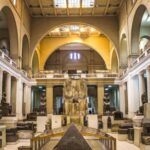
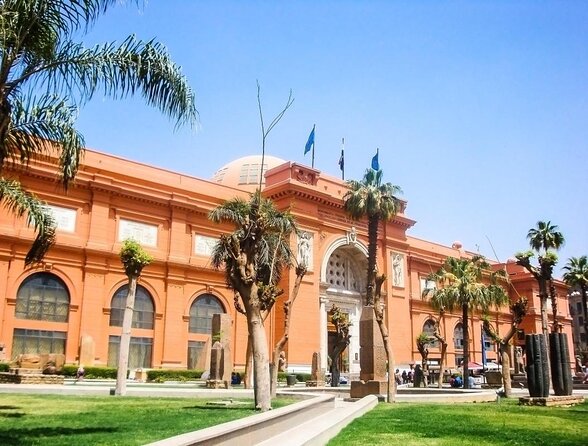
The Egyptian Museum visit is typically 2 hours and admission is included. The museum is famous for having an overwhelming amount of material—around 165,000 artifacts—so you’ll want a plan. That’s exactly where a good guide helps: instead of bouncing around randomly, you can focus on what matters most.
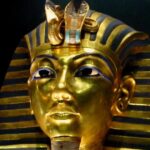
The main reason this stop is worth your time is the King Tutankhamun collection. Expect to see the death mask and the six gold gilded coffins that dominate the spotlight areas. These are the objects people come for, and your guide will point you to the most important pieces before you get free time to explore.
Photography fees and rules to know
A useful heads-up from real on-the-ground experiences: taking photos inside the museum may require paying a small fee and getting a photography ticket. Some rooms are stricter—one guest specifically noted that the death mask area does not allow photos, even with a photography pass. The takeaway: build in a little flexibility, and if photos are a priority, confirm the rules with your guide on arrival.
How to get the most out of your time
If you’re the kind of visitor who wants to actually read labels and not just snap and sprint, 2 hours can be perfect with the right pacing. If you’re a hardcore museum person, you may wish the museum time were longer, but this tour’s bigger value is that it prevents you from spending half the day figuring out where to go next.
Also, if your guide suggests extra rooms like the Royal Mummy room, remember those can involve additional fees inside the museum. Decide based on your interests; don’t feel pressured to say yes quickly.
Mosque of Muhammad Ali: Alabaster details plus real context on Islam
After the museum, the day shifts to the Mosque of Muhammad Ali (often called the Alabaster Mosque) inside the Citadel of Salah el-Din area. This stop lasts about 1 hour, and admission is included.
This mosque is special for two reasons. First, it’s still used as a place of worship today. Second, it’s architecturally distinctive: the lower portions are clad in alabaster, while the upper cladding uses limestone removed from the Pyramids of Giza. That connection is the kind of detail that makes the citadel feel less like a random viewpoint and more like a living layer in Cairo’s story.
Your guide should also make this stop intellectually useful, not just scenic. The tour description includes explanations of Islam’s basic beliefs, and your guide can translate common prayers. That kind of translation matters because it turns you from a passive observer into someone who understands what you’re seeing, even if you don’t know Arabic.
You can also read our reviews of more museum experiences in Cairo





Visiting as a non-Muslim
The mosque opens its doors to visitors of all faiths, so you’re not locked out. For your comfort, wear clothing that fits “modest” expectations, and bring a light layer if you tend to feel chilly in indoor spaces. Rules can vary, but dressing respectfully keeps things smooth.
Don’t skip the views
Because the mosque sits on a limestone hill overlooking Cairo, it’s one of those places where you should pause. Even if your main goal is culture and religion, the skyline views help you reset your brain after the museum’s indoor density.
Khan el-Khalili: the souk maze, bargaining practice, and optional Papyrus craft
Next comes Khan el-Khalili, usually around 1 hour 30 minutes, with no admission ticket required. This is where Cairo turns louder, smellier, and more interactive.
The bazaar is a maze of streets and small stalls. The tour also includes a bit of local lore—this market is claimed by some to have inspired Christopher Columbus’s search for America. Even if you treat that as a story more than a fact, it helps explain why the bazaar feels myth-friendly and tourist-famous.
What you’ll likely do in the bazaar
Your guide will give you an intro, then you’ll have time to wander. This is the part of the day where you can bargain, browse handmade crafts and paper items, and pick up small souvenirs without feeling like you’re stuck in a showroom.
A smart tactic: decide before you go whether you’re buying. If you are, set a rough budget and practice bargaining with the energy of someone who’s having fun, not someone chasing a deal at any cost. If you’re not buying, treat it like a walking museum of everyday Cairo—watch what people sell and how stalls are set up.
Papyrus Institute option
You can also opt to visit a Papyrus Institute to learn how papyrus artwork is crafted. Since that’s an activity tied to making something (not just selling it), it’s often the better use of time if you want to leave with a story, not just a bag of stuff.
A word about shopping add-ons (perfume shop issue)
One thing that came up in real experiences: some days include a perfume shop stop, and one person called it unnecessary and sale-focused. That doesn’t have to ruin your day, but it does mean you should be direct with your guide. If perfume isn’t your thing, you can ask to skip it and use the time in the museum or bazaar instead.
Guides make or break the experience: who you’ll want to look for
The best version of this tour is when your guide turns facts into connections—between artifacts, religion, and daily life in Cairo. Guests left strong praise for guides who were polite, patient, and able to explain things clearly without talking down to you.
Names that stood out from real tours include Mohamed Osama, Mohammed Atef, Sayed, Ossama, Morad, Ahmed, Hammad, and Henry. Different guides had different strengths, but a common thread was how well they handled questions. One guide (Mohamed Osama) was specifically praised for discussing Egypt’s culture and religion and welcoming discussion about differences. Another (Ossama) was praised for making the museum experience feel less overwhelming, including getting an early start so there was more breathing room.
If you’re traveling with kids or you want a slower, question-friendly day, pick the option that pairs you with an Egyptologist guide who can adapt to your pace. Private is only “private” if the guide actually uses that flexibility.
Price and value: does $158.34 make sense?
At $158.34 per person for a private tour, the value mostly comes from three things you’re unlikely to replicate smoothly on your own:
- Two key admissions included (Egyptian Museum and the Mosque of Muhammad Ali)
- A qualified Egyptologist guide to cut through the confusion
- Pickup and central routing that saves time and stress in Cairo traffic
This price starts to feel more worthwhile if you want the museum to be guided around King Tut’s highlights and you want the mosque stop to include explanation, not just sightseeing.
Where value can slip is if you end up feeling “sold to” during the bazaar phase. Some guests found parts of the day like a perfume shop to be focused on sales, and one person mentioned lunch being ok/good but overpriced. If you choose a lunch option, treat it as a convenience, not a bargain.
Also check your language needs. English is included in the pricing, but there’s a 1000 L.E supplement for languages other than English. If you’re booking in a different language, factor that into your real total cost.
Finally, if you’re coming from a farther pickup area, there can be a transfer supplement (round-trip car) depending on the region. That won’t change the tour quality, but it can change the overall “is it worth it?” math for you.
Who this tour fits best (and who should choose another day)
This private combo is a strong fit if:
- You’ve already seen the Great Pyramids of Giza and the Sphinx and want central Cairo next
- You like guided context, especially for religion and ancient artifacts
- You want to beat crowds with a private pace
- You’re curious about King Tutankhamun and want the museum managed well
It may be less ideal if:
- You hate shopping environments and would rather have a longer museum-only visit
- You feel annoyed by extra stops with a sales focus (like perfume)
- You want a full, unhurried museum marathon—2 hours may feel tight
Practical tips so your day feels effortless
- Start early mindset: arriving at the museum early helps a lot, and private touring makes those early minutes feel less chaotic.
- Plan around extra fees: photo tickets inside the museum and add-ons like certain rooms can involve additional charges. Keep small bills just in case.
- Use your private power: if you prefer more museum time, ask. If you want less bazaar, ask. This is one of the best perks of going private.
- Bring comfy shoes: you’ll walk through museum halls and a souk with uneven surfaces.
- Hydrate and move smart: Cairo heat can sneak up even in a “culture day,” so pace yourself and take short pauses.
Should you book this private Egypt Museum, Alabaster Mosque, and Khan el-Khalili tour?
I’d book it if you want an efficient, guided Cairo day that connects ancient Egypt, Islamic culture, and everyday city life—without forcing you to navigate public transport or dodge crowds on your own.
I’d hesitate if your ideal day is strictly museum-only or if you know you’ll dislike shopping stops. In that case, ask questions before you go: confirm whether any extra shopping stops (like a perfume shop) are part of your exact route, and tell the operator what you want to prioritize—more King Tut time, a longer mosque view, or more bazaar wandering.
If you’re flexible and you pick a guide who matches your style, this tour is one of the more practical ways to get a lot of meaning out of Cairo in a single afternoon.
FAQ
What sites are included in this private tour?
The tour includes the Egyptian Museum, the Mosque of Muhammad Ali (Alabaster Mosque at the Citadel of Salah el-Din), and Khan el-Khalili.
How long is the tour?
It runs for about 6 hours.
Is pickup included?
Pickup is offered (you may need to factor in transfer supplements based on your pickup region).
What’s the starting time?
The tour starts at 9:00 am.
Are admission tickets included?
Yes. Egyptian Museum admission is included, and the Mosque of Muhammad Ali admission is included. Khan el-Khalili has admission listed as free.
Is lunch included?
Lunch is included only if you select the lunch option.
Is an Egyptologist guide included?
Yes. The tour includes a private Egyptologist guide, with English included in the pricing.
Are there extra costs for languages other than English?
Yes. A supplement of 1000 L.E. applies to all languages except the English guide.
Do I need to pay for museum photography?
Inside the Egyptian Museum, you may need to pay a small fee and obtain a ticket to take photos. Some areas are stricter, such as the death mask area where photos may not be allowed.
What is the cancellation policy?
Free cancellation is available up to 24 hours in advance for a full refund. If you cancel less than 24 hours before the start time, the amount paid will not be refunded.