REVIEW · PRAGUE
Prague: Kafka Museum Entry Ticket
Book on GetYourGuide →Operated by Muchovo muzeum, s. r. o. · Bookable on GetYourGuide
Kafka’s Prague gets strange fast. The Kafka Museum ticket is your one-day pass into Franz Kafka’s world, set in the historic Hergetova Cihelna on the Lesser Town bank of the Vltava River. What makes it different is the museum’s symbolic journey design, backed by audiovisual installations that turn his ideas into something you can feel.
I especially like the chance to see rare manuscripts and first editions alongside diaries and personal correspondence. I also love that the museum uses music written exclusively for the Kafka Museum, so the atmosphere stays tied to Kafka’s mood instead of drifting off into generic background sound.
One drawback to consider: this is an entry ticket for self-paced exploration. There are no guided tours included, so if you want deep, spoken context, you may need to rely on your own reading and curiosity.
In This Review
- Key things I found most worth your attention
- Kafka Museum Ticket Review: Rare Manuscripts and a Prague That Feels Familiar, Then Wrong
- Where the museum fits in Prague: Hergetova Cihelna and the Vltava River
- What the symbolic journey actually does to your brain
- Rare manuscripts, diaries, and first editions: the “paper trail” part
- Photographs and drawings: Prague through Kafka’s lens
- Audiovisual installations and 3D exhibits: turning ideas into atmosphere
- Music composed exclusively for the museum: the sound of pressure
- The end of your visit: influence, struggles, and what to take home
- Value and price: Is $14 a smart use of your Prague day?
- Who should book this ticket, and who might skip it
- Should you book the Kafka Museum entry ticket?
- FAQ
- How long do I need for the Kafka Museum?
- What is included with the ticket?
- Is a guided tour included?
- Where is the Kafka Museum located in Prague?
- What kinds of exhibits will I see?
- Can I cancel after booking?
Key things I found most worth your attention
- Hergetova Cihelna, by the Vltava: a historic setting that already feels slightly off-kilter in the best way
- Rare documents up close: first editions, diaries, manuscripts, and personal correspondence
- Prague in Kafka’s time: photographs and drawings that frame the city through his eyes
- Audiovisual + 3D exhibits: not just glass cases, but multisensory storytelling
- Works that have never been displayed before: a reason to go even if you know Kafka already
- Music composed for the museum: sound that matches the themes of alienation and absurdity
Kafka Museum Ticket Review: Rare Manuscripts and a Prague That Feels Familiar, Then Wrong
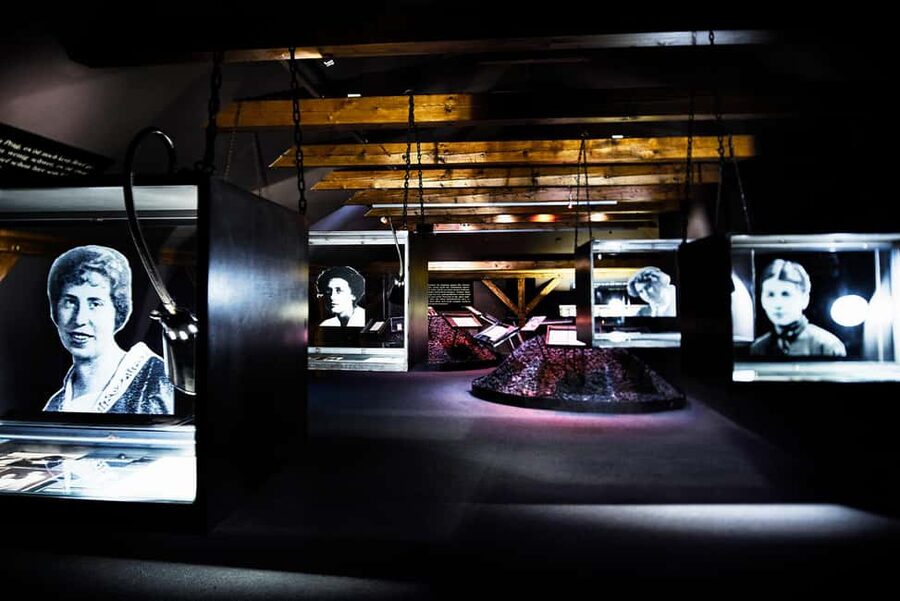
If you’re the kind of traveler who likes your museum time to have an edge, this ticket is for you. The Kafka Museum in Prague is not built like a normal timeline-and-objects display. It’s organized as a symbolic journey, with themes like existential anxiety, alienation, and absurdity guiding what you see and how you experience it.
It’s also located somewhere you’ll remember. The museum sits in the historic Hergetova Cihelna on the Lesser Town bank of the Vltava River. That matters more than it sounds. You’re not just stepping into a room. You’re stepping into a place with a real sense of Prague’s older river life, and then the exhibit shifts you toward Kafka’s inner world.
And yes, it’s one day. But it’s a full feeling day, not a checklist day.
A few more Prague tours and experiences worth a look


Where the museum fits in Prague: Hergetova Cihelna and the Vltava River
I like choosing museum stops that also help you see the city. This one does that. Before you even start reading labels, you’re already in Lesser Town territory, beside the Vltava River. That gives you an easy pre-visit walk and helps you connect the exhibit to place.
If you’re building a day around it, I’d plan for this to be a centerpiece. It’s not a quick stop squeezed between landmarks. The museum experience is designed to move you through Kafka’s world in a sequence, using audiovisual installations and three-dimensional exhibits to keep the pace from turning into a slow, uniform march.
A small practical note: since the ticket is valid for one day and you should check starting times, try to align it with your best energy window. You’ll enjoy it more when you’re not rushing, because the themes are about inner tension and attention.
What the symbolic journey actually does to your brain
The museum’s core idea is simple: Kafka’s writing isn’t just stories on paper. The museum treats it like a set of emotions and contradictions. As you move through, the exhibition uses those themes—existential anxiety, alienation, and absurdity—to structure the experience.
That approach is why the museum can feel both unsettling and oddly clarifying. You’re not only learning about Kafka. You’re being asked to think about how he saw systems, pressure, and human doubt. Even if you only know Kafka’s name, the experience nudges you toward understanding why his work hit so hard in 20th-century literature.
What I like about this style is the pacing. The museum doesn’t force you to read every label like a textbook. It layers interpretation through visuals, sound, and object displays. So if you’re a visitor who gets tired of long explanatory text, you still get something out of it.
Rare manuscripts, diaries, and first editions: the “paper trail” part
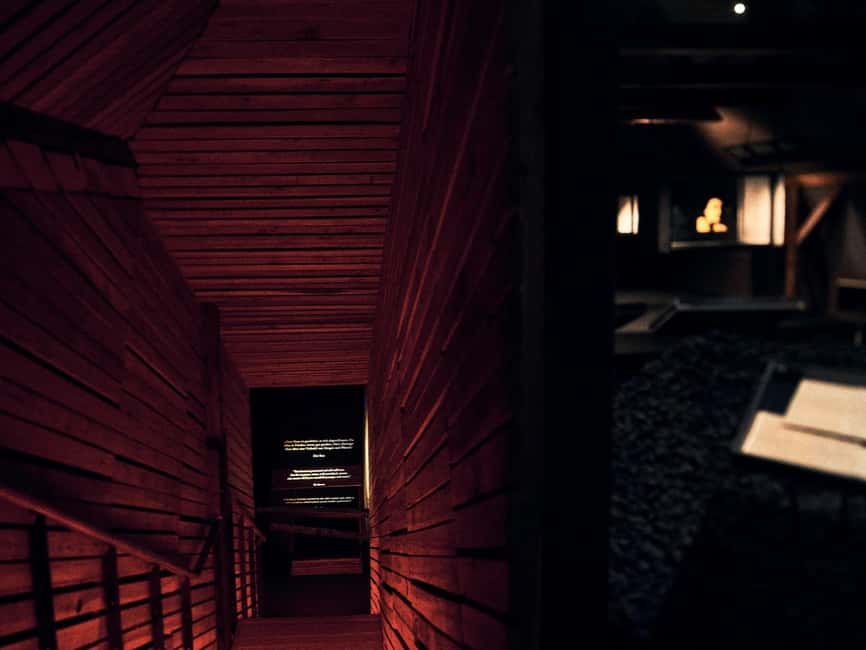
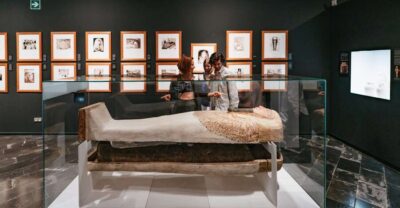
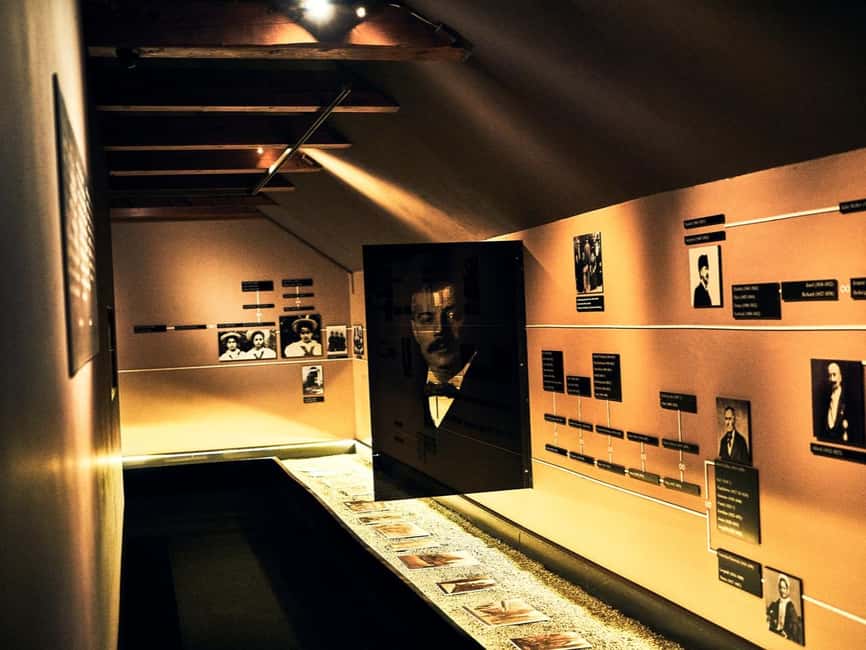
This is the section where the ticket earns its place. Kafka’s work is famous, but it becomes more real when you see the material artifacts behind it. The museum starts with a collection of rare historical documents, including first editions, personal correspondence, diaries, and manuscripts.
I like that the exhibit doesn’t just throw words at you. It shows you the handwriting trail and the personal context. When you see diaries and letters alongside his printed work, you get a clearer sense that his writing wasn’t floating in the abstract. It came from a life with pressure, routine, and private worry.
If you care about literary history, this part will reward you. It gives you a way to connect Kafka’s themes to actual pages, not just summaries of his plotlines. And since the museum also includes objects that are described as works that have never been displayed before, there’s a good chance you’ll see something you can’t easily get from standard references.
Photographs and drawings: Prague through Kafka’s lens
One of the most effective museum choices here is including photographs and drawings that capture Prague in Kafka’s time. That matters because Kafka’s work is tightly tied to a specific kind of city experience: rules, movement, corners, and the feeling that everyday life has invisible boundaries.
These visuals help you place his characters mentally. Even when a display is small or quiet, the images give your imagination something concrete to latch onto. You’re not just hearing that Kafka was shaped by Prague. You’re seeing the city’s atmosphere as the exhibit frames it.
I also think this is a strong point for visitors who want context but don’t want a full history lecture. The images act like shortcuts into the mood of the period, which makes the rest of the museum easier to follow.
You can also read our reviews of more museum experiences in Prague
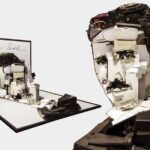

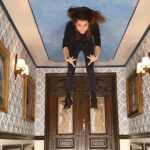
Audiovisual installations and 3D exhibits: turning ideas into atmosphere
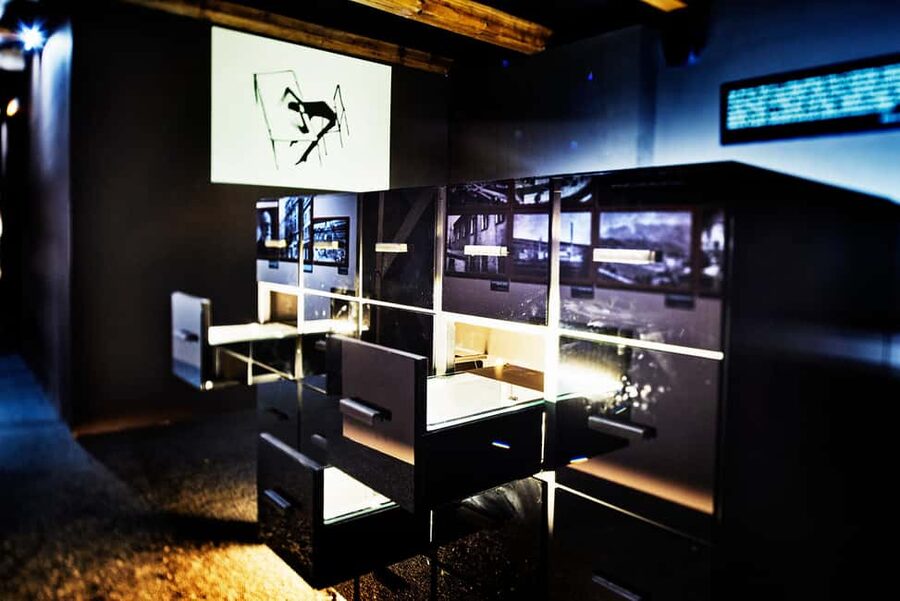
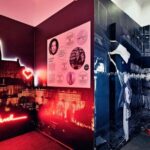
The Kafka Museum doesn’t rely only on reading. It uses audiovisual installations and three-dimensional exhibits to create a multisensory experience. This is where the museum can feel like a guided thought process without a guide.
The installations are built to reflect Kafka’s inner world and the early 20th-century atmosphere tied to his writing. That can be a relief if you’ve ever visited a museum and felt like everything was either too static or too crowded with words. Here, the design does some of the explaining through sound and visuals.
The 3D elements also help your eyes stay engaged. You’re less likely to drift into autopilot. Instead, you keep noticing how the exhibit moves you from one theme to another. The museum is essentially teaching you Kafka’s emotional logic: anxiety becomes structure, alienation becomes space, and absurdity becomes a feeling you can track.
Music composed exclusively for the museum: the sound of pressure
This is one of the highlights you’ll want to pay attention to. The museum includes music composed exclusively for the Kafka Museum, which means the sound design is part of the exhibit’s message, not just a neutral background.
Music can do powerful things in a museum. It can set pace, shift emotion, and change how you read what you’re seeing. In this case, the music ties to the museum’s themes—existential anxiety, alienation, and absurdity—so the emotional tone stays consistent as you move through rooms.
I’d treat the music as a cue. If you notice the sound changing, slow down. The exhibit is likely signaling a transition in the symbolic journey. Even if you don’t consciously identify the theme, your body will pick it up.
The end of your visit: influence, struggles, and what to take home
The museum closes with a deeper understanding of Kafka’s influence and his personal struggles with societal expectations and inner anxieties. That last part is important because it gives meaning to everything you’ve just experienced.
After you’ve seen documents, images, audiovisual scenes, and special music, the concluding message helps you connect the dots. You leave with a better sense of why Kafka still matters. His work isn’t only about weird situations. It’s about the emotional experience of feeling trapped, judged, or unable to control the systems around you.
If you’re the type who likes to summarize at the end of a museum, you can do it quickly. Ask yourself what theme you felt most. Then see if that matches the parts of Kafka’s writing you already know.
Value and price: Is $14 a smart use of your Prague day?
At $14 per person, this ticket isn’t the cheapest museum stop in Prague, but it also doesn’t pretend to be a budget bargain. The value comes from variety and specificity.
You’re paying for:
- access to audiovisual installations
- viewing of rare manuscripts and exhibits
- the chance to experience a symbolic, themed exhibition structure
- and that music composed exclusively for this museum
In other words, it’s not just a room of reading material. It’s a curated experience that mixes artifacts with atmosphere. If you like museums that use design choices to explain ideas, you’ll likely feel like $14 was a fair trade.
If you only want traditional artifact viewing with minimal sensory elements, you might find parts of the experience more “theatrical” than you expected. That’s not bad. It’s just a mismatch possibility.
Who should book this ticket, and who might skip it
I think this is a great match if:
- you love literature museums, especially those that show original-style documents
- you want Kafka-themed experiences tied to Prague’s visual identity
- you’re curious about existential themes and don’t need everything explained aloud
- you like audiovisual and multisensory museum design
You may want to skip or pair it with extra reading if:
- you prefer guided commentary and won’t enjoy self-paced interpretation
- you want a very light, carefree museum hour
- you don’t like experiences built around anxiety/alienation themes
Should you book the Kafka Museum entry ticket?
Yes, you probably should book it if you’re in Prague and want a museum that feels intentional and specific. The combination of rare manuscripts, Prague-in-Kafka visuals, audiovisual installations, and music composed for this site makes it more than a standard ticket.
Book it especially if you’re a self-driven museum visitor who likes to connect details into a bigger idea. The museum’s symbolic structure rewards that style.
If you’d rather have a guide walking you through context, don’t assume you’ll get that here. Since guided tours aren’t included, go in with at least a basic sense of who Kafka is. Then let the exhibit do the emotional work.
In short: for $14 and about a day of your time, this is a thoughtful, uneasy, and surprisingly memorable way to experience Prague through Kafka’s lens.
FAQ
How long do I need for the Kafka Museum?
The experience is listed as lasting 1 day, so plan a dedicated block rather than a quick stop.
What is included with the ticket?
Your ticket includes entry to the Kafka Museum, access to the audiovisual installations, and viewing of rare manuscripts and exhibits.
Is a guided tour included?
No. Guided tours are not included with this ticket.
Where is the Kafka Museum located in Prague?
It’s located in the historic Hergetova Cihelna on the Lesser Town bank of the Vltava River.
What kinds of exhibits will I see?
You can expect rare manuscripts and documents such as first editions, diaries, personal correspondence, and historical photographs and drawings, plus three-dimensional exhibits and audiovisual installations.
Can I cancel after booking?
You can cancel up to 24 hours in advance for a full refund.