REVIEW · BARCELONA
Big Fun Museum Barcelona – Interactive Fun Experience
Book on GetYourGuide →Operated by BIG FUN MUSEUM | Touristcheck · Bookable on GetYourGuide
A stop for silly photos and real fun. Big Fun Museum Barcelona turns a walk off Las Ramblas into a full-on photo playground with interactive illusion rooms. I especially like the variety—giant and mirror setups plus themed zones that keep you moving. One thing to consider: it’s light on instruction, so you’ll be figuring out angles yourself.
What makes it easy to love is how quickly you can get into the action, and how many different scenes you can try in one day. You’ll also get a solid “come back if you want” setup thanks to updated thematic rooms mentioned by the museum. The potential drawback is that one room is pretty dark in theme, so it’s not the same vibe as the sweet-and-cute areas.
At about $29 per person for general admission, it’s best thought of as an experience ticket, not a museum you’ll want to study for hours. You’ll likely leave with loads of photos, plus a “we actually spent the day doing something” feeling, which is exactly what a family-friendly stop should do in Barcelona.
In This Review
- Key things to know before you go
- Getting to Big Fun Museum: Rambla de Sant Josep meets “photo mode”
- Your day plan: how to structure a 1-day visit
- The 9 themed rooms: what each one feels like (and what photos work best)
- Giant’s House: you vs. scale
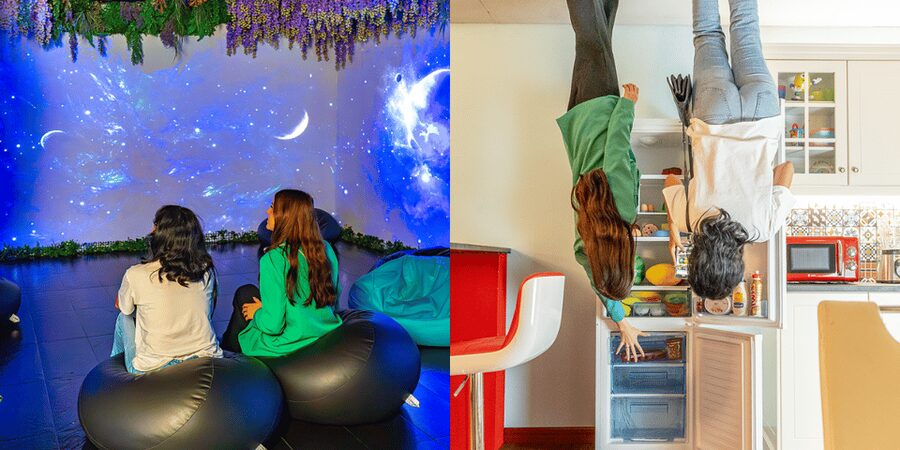
- Upside Down House: the room that makes gravity look optional
- Sweet Museum: colorful, playful, and easy for all ages
- Alice through the looking glass: mirrors and perspective games
- Believe it or not: wonders and Guinness-style records
- Food Art: famous works made with food
- Museum of Madness: when the theme turns darker
- Magic Room: digital scenes plus Barcelona views
- Museum of Illusions upgrade: 3D paintings that play with you
- Price and value: is $29 worth it?
- What I’d do on arrival: a practical game plan
- Best fit: who will love this, and who might want a different plan
- Holiday hours check: don’t assume regular timing
- So, should you book Big Fun Museum Barcelona?
- FAQ
- How much does Big Fun Museum Barcelona cost?
- How long is the experience?
- Where is the meeting point?
- What is included in the ticket?
- Is food or drinks included?
- How many themed rooms are there?
- Can I add the Museum of Illusions?
- Are the entrances for the two museums the same?
- Are there age rules for kids?
- Is it accessible for people with reduced mobility?
Key things to know before you go
- Off Las Ramblas and easy to reach from one of Barcelona’s most central boulevards
- 9 themed worlds that mix playful props, optical illusions, and themed rooms
- Big photo energy: upside-down, giant-scale, and 3D effect paintings
- Repeat-visit friendly concept with updated thematic rooms
- Optional upgrade to the Museum of Illusions with extra 3D spaces
- One darker-themed section (Museum of Madness) that may feel intense for some visitors
Getting to Big Fun Museum: Rambla de Sant Josep meets “photo mode”
Big Fun Museum Barcelona sits just off Las Ramblas, in a part of town that’s already full of walking, street life, and quick stops. The meeting point is at the museum entrance on Rambla de Sant Josep, 88–94 (08002 Barcelona). That’s handy if you want a low-effort plan: you can fit it between other central sights without a big detour.
The museum is built for grabbing your camera and moving through rooms quickly. You won’t need to learn a lot of context first—most of the fun is in physically stepping into the scene. If you’re traveling with kids, this kind of setup is gold because everyone can take a turn trying poses.
One practical tip: since the Museum of Illusions upgrade has a different entrance, be ready to follow signage and staff directions when you’re adding that extra part. It’s not hard, but it is one more step than a single building with one line.
Accessibility is listed as available for people with reduced mobility, so it’s not a “stairs-only” kind of experience. Still, because you’ll be walking through multiple themed rooms, I’d plan to go at a comfortable pace rather than racing for photos.
You can also read our reviews of more museum experiences in Barcelona


Your day plan: how to structure a 1-day visit
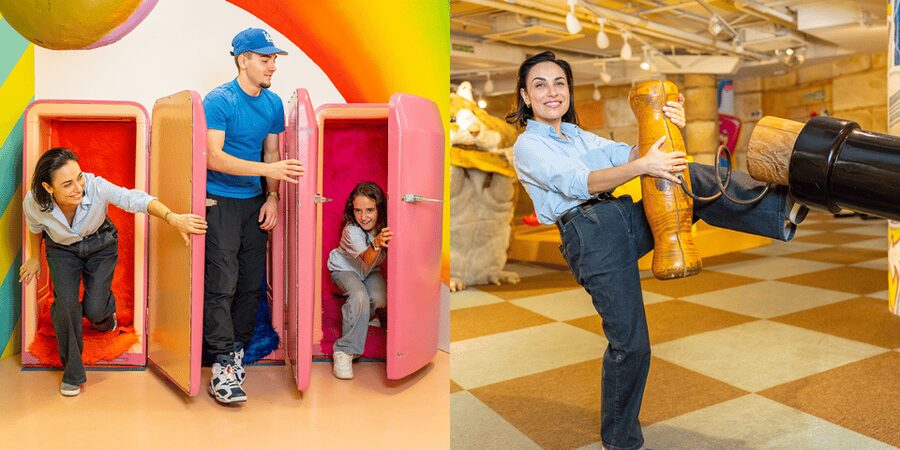
You’re looking at a 1-day ticket window, with starting times available via availability. That means you can pick a slot that fits your energy—go earlier if you want more time between rooms, or later if you’re already in the Las Ramblas flow.
A good mental model: treat it like a guided route without the guide. You’ll walk room to room, experiment with poses, and reset for the next scene. The museum’s own approach is that the themed rooms are interactive and designed to keep things moving, including their updated thematic rooms.
Also, plan around food. General admission includes the museum, but no food or drinks are included. The good news is you’re in central Barcelona, so you can pair this with a normal snack-and-sit-down break outside the museum instead of trying to do everything in one go.
And if you like flexibility: the highlights mention unlimited visits as rooms update. Realistically, that means it can work even if you don’t finish everything in one pass—just keep your schedule realistic and follow what staff says about how re-entry works for your ticket type.
The 9 themed rooms: what each one feels like (and what photos work best)
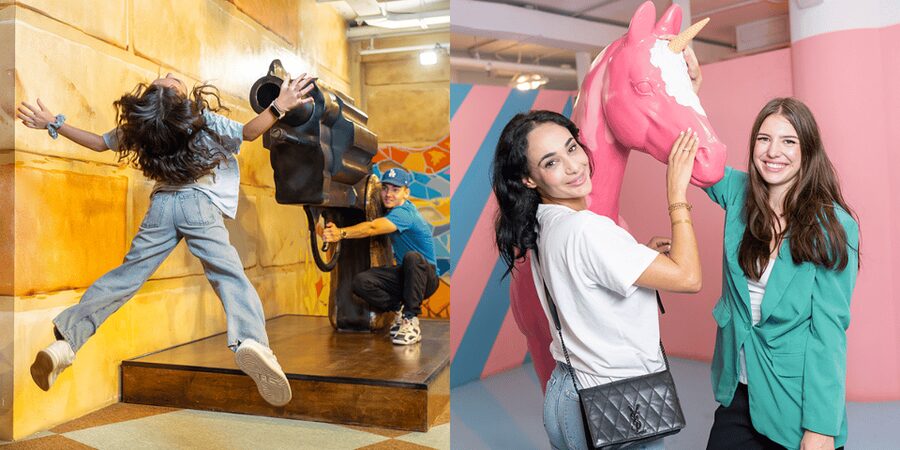
The museum experience is organized into nine themed worlds. Some are designed for big optical tricks, others for playful storytelling, and a couple are more intense in theme. You’ll move through them at your own pace, which helps if your group has different interests.
Here’s the best way to think about your route: start with the rooms that are easiest and fastest to photograph, then build toward the mirror and illusion spaces, and finally end with the digital or darker-themed rooms if your group still has energy.
Giant’s House: you vs. scale
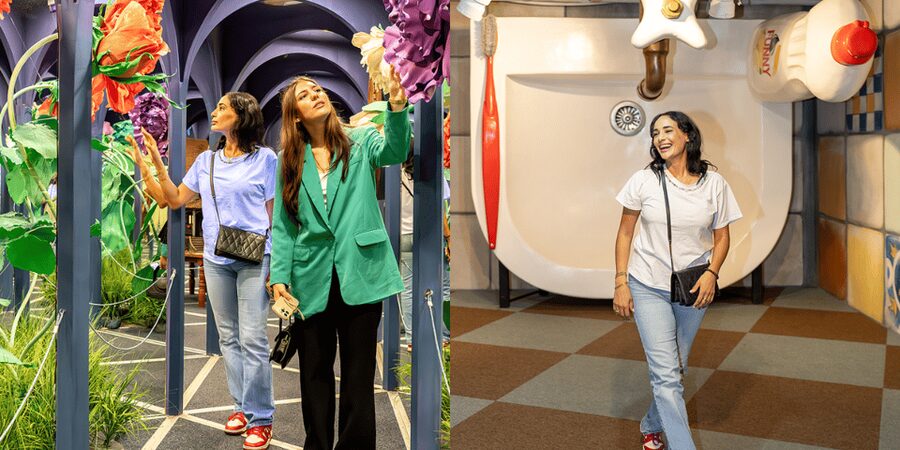
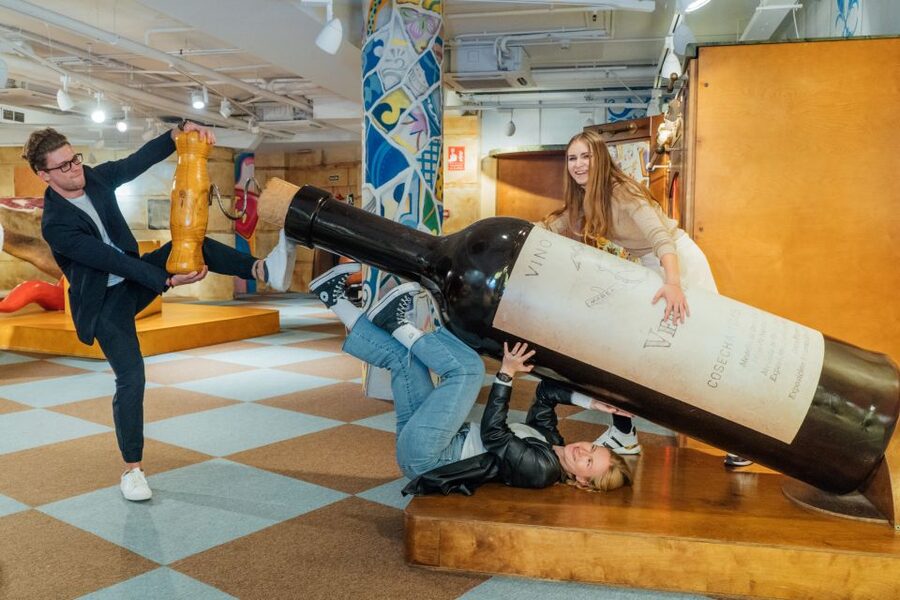
In Giant’s House, objects are made giant so you feel small. This is one of those sets where a single pose can turn into a whole photo story, because the size difference does the work for you. If you want fun without overthinking, this is usually a top early stop.
For best results, step back and then step forward within the room. That simple movement changes how “giant” everything looks in the frame. If your group is taking turns, you’ll also like that it doesn’t require any special skill—just good positioning.
Upside Down House: the room that makes gravity look optional
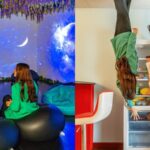
The Upside Down House is exactly what it sounds like: a whole house where everything is flipped. This is the kind of experience that turns normal tourists into actors, because your body position is half the illusion.
If you want pictures that look better than your usual holiday selfies, try a two-step photo routine: first, capture the full scene so the viewer understands the “upside down” trick, then take close-ups where your hands or feet interact with the set. The room is designed for that kind of play.

Sweet Museum: colorful, playful, and easy for all ages
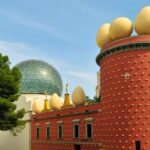
The Sweet Museum leans into adorable decorations—baubles, unicorns, and sweet-themed décor. This is your breath of fresh air after the darker or more intense scenes later in the day. For families, it often works as the room where kids feel most in control of the fun.
Photographically, look for repeated shapes and bright details. When you include them in the background, it makes your images look like you stepped into a candy-colored world, not just a photo in a museum room.
Alice through the looking glass: mirrors and perspective games
This room is inspired by Alice in Wonderland and focuses on mirrors. Expect lots of optical effects and a natural tendency for your camera to create “extra you” in the frame. It’s a fun stop if you like experimenting with angles.
The trick here is to let the room frame you rather than forcing the frame around everything else. Step slightly left, then slightly right. Small changes can create dramatic differences with mirrors.
Believe it or not: wonders and Guinness-style records
Believe it or not is described as a show of extraordinary wonders of the world and Guinness World Records, and the information presented is said to be true. This section is a nice change of pace because it gives you something to read and react to, not just pose.
If you have mixed ages in your group, this is where you’ll find an easier compromise. Some people can enjoy the curiosity side while others still get their photo moments nearby.
Food Art: famous works made with food
In Food Art, iconic works of art are recreated with food of all kinds. This is a clever concept for visitors who don’t want the same “prop room” feeling the whole time. It’s still photo-friendly, but there’s more to look at.
Go slowly enough to notice materials. Even if you only glance quickly, you’ll appreciate why this room gets attention—it’s a visual idea, and the “how did they do that” reaction is part of the fun.
Museum of Madness: when the theme turns darker
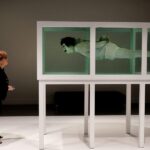
The Museum of Madness is a terrifying exhibition tied to brutal psychiatric treatments in history. That means it’s not just silly illusions.
If you’re going with kids, teens, or anyone who’s sensitive to heavy topics, this is the section where you should decide ahead of time what’s acceptable. You can still treat it like part of a museum visit, but go with open eyes and don’t push anyone through it faster than they want.
Magic Room: digital scenes plus Barcelona views
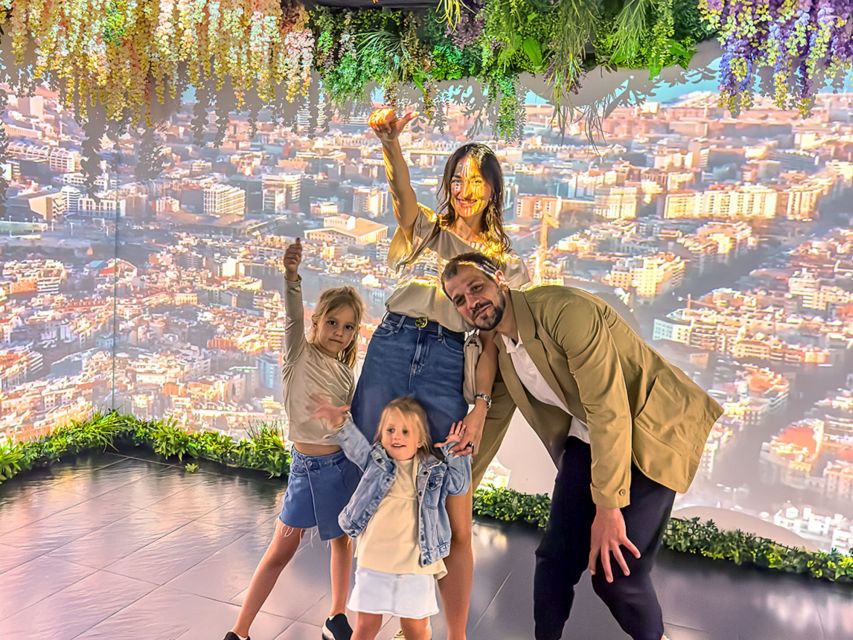
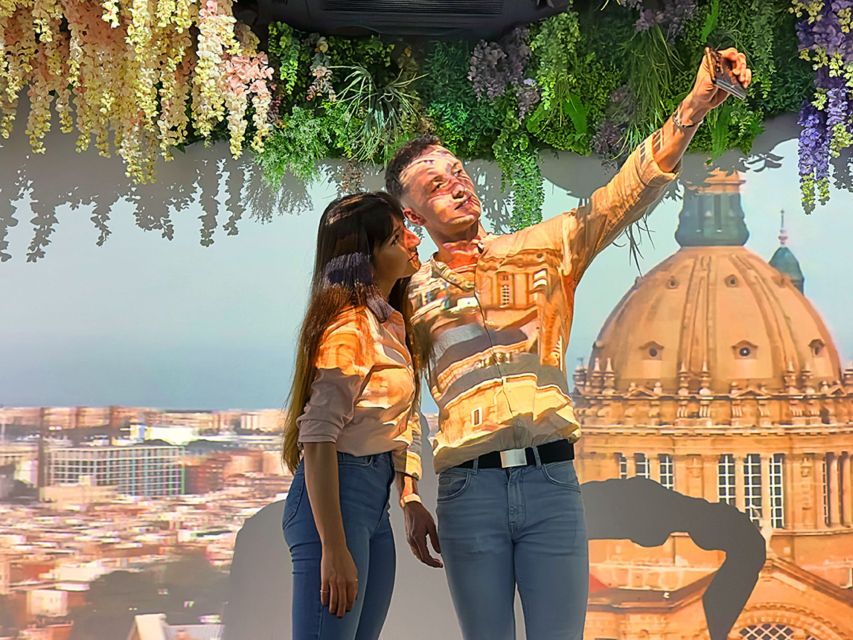
The Magic Room is a new digital experience that features a magical forest, stars, and incredible views of Barcelona in the same place. This room adds a “tech and atmosphere” angle to the day, which balances out the physical sets.
It’s also a good moment to slow down. Even if you’re still taking photos, the digital setting is more about the feeling and the view-like moments than squeezing your body into a weird pose.
Museum of Illusions upgrade: 3D paintings that play with you
You can upgrade your ticket to include the Museum of Illusions by selecting that option at checkout. This matters because the experience isn’t just more rooms—it’s a different type of illusion: 3D effect paintings where playing with perspective makes you look like you’re part of the scene.
The description includes fun interaction moments like trying to pet a dinosaur and leaning out on the Grand Cannon. If you like photos where you’re clearly interacting with the artwork, this is usually the “wow” upgrade part.
One important detail: the entrance for the Big Fun Museum is different from the entrance for the Museum of Illusions. Plan a few extra minutes for walking between them and following staff directions.
Price and value: is $29 worth it?
At about $29 per person for general admission, this museum is priced like an experience. You’re paying for time in multiple themed rooms that are designed for photos and interaction—so you should treat it like a paid activity, not like a typical art or history museum.
For value, the key question is simple: do you want your day in Barcelona to include a playful, low-stress, camera-friendly stop? If yes, the variety of themed rooms and the option to add the Museum of Illusions make it easier to justify the cost. You’ll also like that it’s centrally located off Las Ramblas, which lowers the “travel friction” cost of adding it to your day.
If you’re the type who hates crowds or hates anything that feels like a “set,” you might find it harder to feel satisfied. One booking note even pointed out there can be no clear instructions for photos, so you have to be willing to experiment.
My take: the $29 feels fair when you go in expecting fun and photos. If you’re expecting deep explanations and guided learning, it won’t match that mood.
What I’d do on arrival: a practical game plan
When you enter, don’t get stuck reading everything. Walk in, spot the room types, and decide your first “sure thing” photo stop. If you go straight for the upside-down and giant-scale rooms early, you’ll build momentum and reduce the chance you’ll start feeling rushed later.
Since the museum is designed for interactive rooms, pace yourself room by room. Each themed zone has its own “photo logic,” like scale in Giant’s House, body positioning in the Upside Down House, and perspective work in mirror and illusion spaces.
Also: the place is built for pictures. If you’re going with friends, assign turn-taking roles for each pose. That keeps things moving and helps everyone get what they want.
If you’re adding the Museum of Illusions upgrade, I’d treat that as a second phase. You’re basically stacking an extra set of 3D perspective moments onto your day, so plan a bit more time and don’t plan an immediate next stop the moment you walk out.
Best fit: who will love this, and who might want a different plan
This is a strong match for:
- Families with kids who want a lively, hands-on activity near Las Ramblas
- Adults who like optical tricks and photo-friendly setups
- Groups who want an easy Barcelona plan that doesn’t require tickets to multiple timed attractions
It may be less ideal if:
- You’re looking for a calm, serious museum with lots of contextual learning
- You strongly dislike themes that veer dark, like Museum of Madness
- You’re the kind of visitor who needs step-by-step guidance to enjoy photo spots
One more point: because you can take endless pictures, bring the mindset that not every photo will be perfect the first try. If you’re willing to play with angles, you’ll get more out of the experience.
Holiday hours check: don’t assume regular timing
The museum’s hours shift during the Christmas holiday season. For example, from December 19, 2025 to January 10, 2026, it’s listed as open 11:00 a.m. to 9:00 p.m. with additional shorter-day schedules on December 24, December 31, and January 1. If you’re traveling in late December, check the specific dates for that week so you don’t plan your day around the wrong hours.
So, should you book Big Fun Museum Barcelona?
Book it if you want a high-fun, photo-forward museum stop that’s easy to add to a central Barcelona day. The mix of themed worlds—especially the upside-down and giant-scale rooms—and the optional 3D illusions upgrade make it a good value when you’re traveling with kids or you simply want a break from constant sightseeing.
Skip it or reconsider if you’re expecting a traditional museum experience with guided learning and clear photo instructions. Also take extra care with Museum of Madness if anyone in your group doesn’t handle heavy topics well.
If you’re in the mood for playful illusions and you’ll actually use your camera, this is the kind of activity that turns a spare hour into a memorable moment—right off Las Ramblas.
FAQ
How much does Big Fun Museum Barcelona cost?
General admission is listed at about $29 per person.
How long is the experience?
It’s labeled as a 1-day activity.
Where is the meeting point?
The meeting point is at the museum entrance on Rambla de Sant Josep, 88, 94, 08002 Barcelona, Spain.
What is included in the ticket?
Your ticket includes general admission.
Is food or drinks included?
No. Food and drinks are not included.
How many themed rooms are there?
The museum experience includes 9 different themed museums/rooms.
Can I add the Museum of Illusions?
Yes, you can upgrade your tour to include entrance to the Museum of Illusions by selecting the option upon checkout.
Are the entrances for the two museums the same?
No. The entrance for Big Fun Museum is different from the entrance for Museum of Illusions.
Are there age rules for kids?
Children under 5 get in free, with no ticket required.
Is it accessible for people with reduced mobility?
Yes, it’s listed as accessible for people with reduced mobility.