REVIEW · PRAGUE
Prague: Museum of Senses Admission Ticket
Book on GetYourGuide →Operated by Museum of Senses, Prague · Bookable on GetYourGuide
You can leave Prague with photos you cannot explain. Right near Wenceslas Square, the Museum of Senses turns a walk into a hands-on puzzle of how you see and feel reality. It is built for both kids and adults, so you can act silly without feeling out of place.
My favorite part is the way the museum pushes you to interact at every turn, from a mirror maze to full-on sensory tricks like a vortex tunnel and a dramatic bed of nails. One thing to consider first: it is a small museum, so depending on how much you stop and reset for photos, you might be done in as little as about 30 minutes.
In This Review
- Key highlights worth aiming for
- Where to find the Museum of Senses (and what to notice right away)
- Your one-day ticket: what “valid 1 day” really means
- The route through illusions: mirror maze to spinning vortex
- Photo-first design: how to get the best shots without wasting time
- The tactile wow-factor: pin wall and bed of nails
- When the illusions feel real (and why that can be a plus)
- Staff help is part of the experience, not extra
- Timing and pacing: how long you’ll need inside
- Value for money: weighing the $18 ticket against your time
- Who this works best for (and who should think twice)
- Practical checklist: what to bring and what to skip
- Should you book the Museum of Senses ticket?
- FAQ
- How much does the Prague Museum of Senses ticket cost?
- How long is the Museum of Senses experience?
- Where is the museum located, and where should I enter?
- What exhibits should I plan for?
- What do I need to bring?
- Is Wi-Fi included?
- What items are not allowed inside?
- What time should I arrive if I want the full experience?
Key highlights worth aiming for
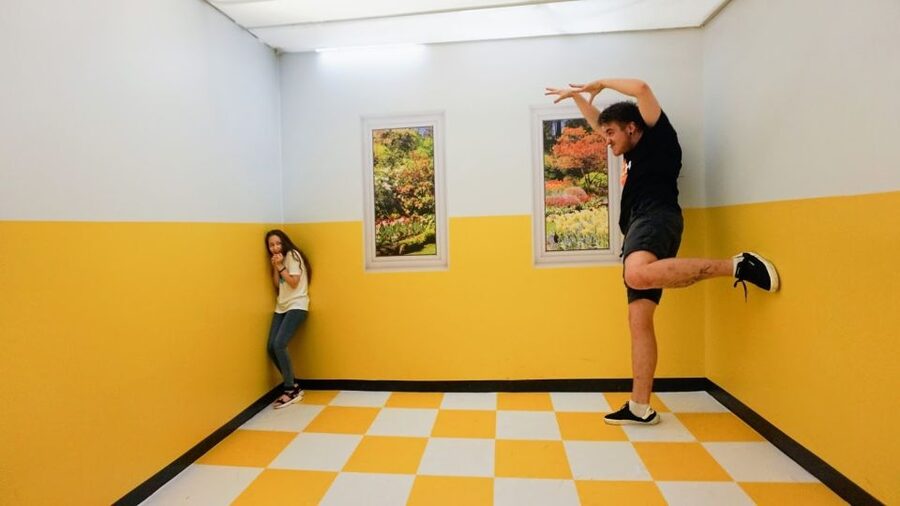
- Mirror maze start that sets the tone fast and makes great first photos
- Vortex spinning tunnel that messes with balance in a fun, controlled way
- Pin Wall and print moments for a souvenir-style memory you can actually make
- Bed of nails with over 3,500 nails for a memorable, if intense, stop
- Picture-friendly design that encourages lots of photos and live video sharing
- Staff who explain the illusions and can help you find the best photo angles
Where to find the Museum of Senses (and what to notice right away)

The Museum of Senses is in central Prague, at Jindřišská 20, and it is close to Wenceslas Square. Your first visual landmark is the entrance itself: you come through a giant green gate, then walk into the first wave of illusions.
If you like arriving with a plan, I’d treat this like a mini route with a finish line. You do not need to study maps for hours. Once you’re inside, the museum’s layout is designed to keep you moving from one interactive room to the next.
A few more Prague tours and experiences worth a look


Your one-day ticket: what “valid 1 day” really means
This is a 1-day experience, and your ticket is valid from the first activation. Practically, that means you can enjoy your visit in one clear block—especially if you’re pairing it with other nearby sights on the same day.
Most people do not spend all day inside. The exhibits are built for active, stop-and-play moments, so it tends to become an hour or two adventure, not a half-day commitment. That makes it a smart choice when your itinerary has a gap due to weather or energy levels.
The route through illusions: mirror maze to spinning vortex
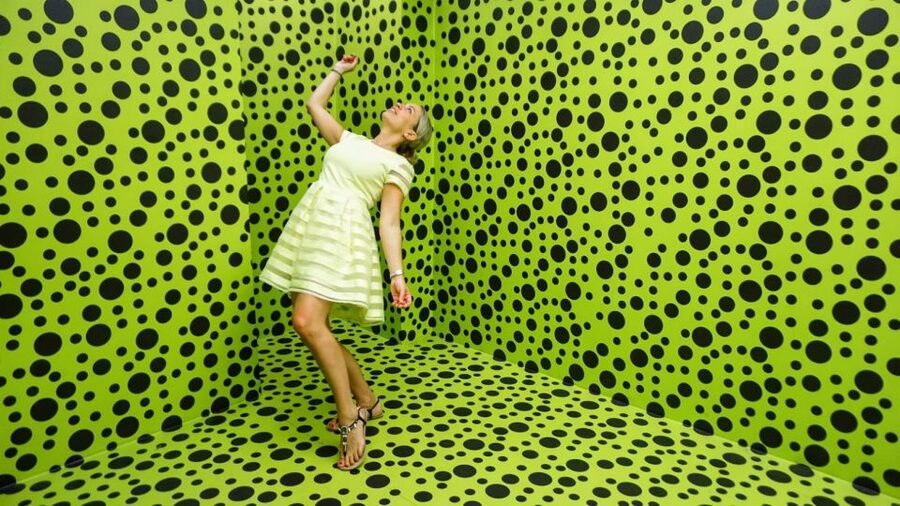
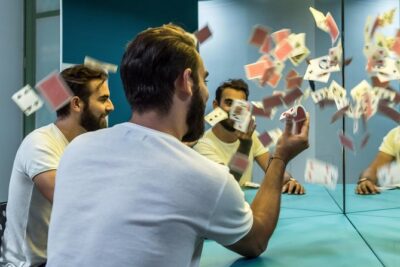
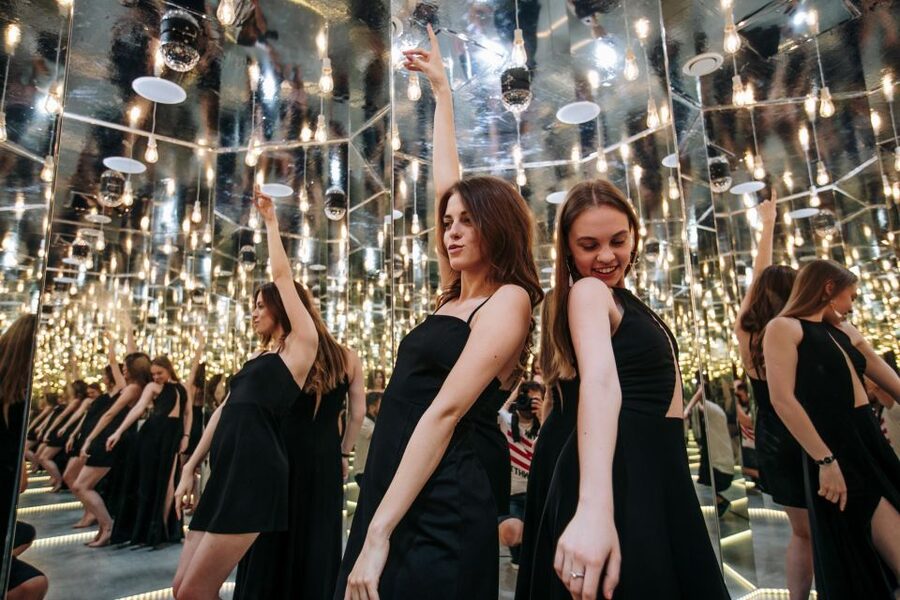
Your journey starts immediately after entry with a mirror maze. Expect the classic setup: you move, the reflections shift, and you realize how quickly your brain tries to fill in gaps. It is simple, but it works because it makes you self-conscious in a funny way—exactly what interactive museums should do.
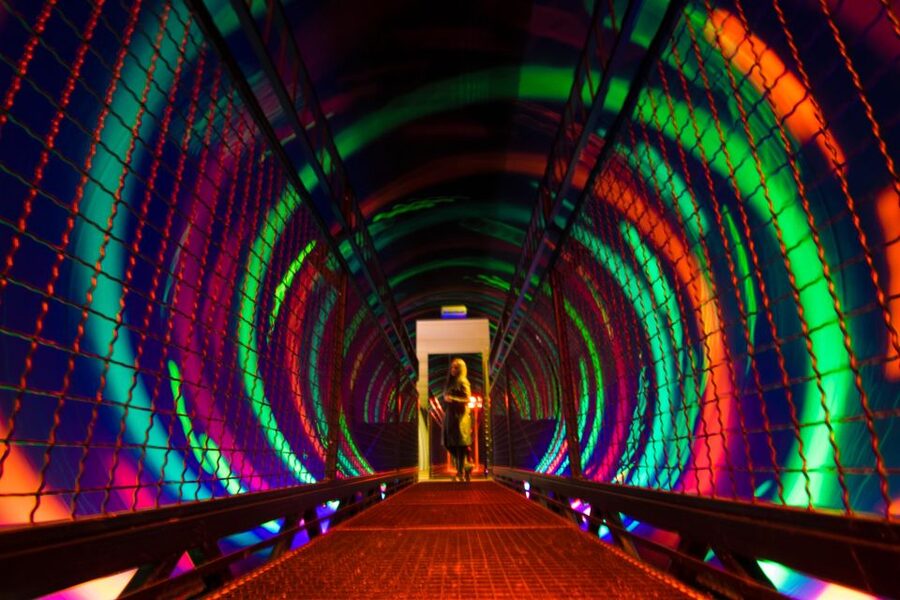
Next comes a highlight many people mention: the Vortex spinning tunnel. This is the kind of exhibit where you’ll want a quick moment to steady yourself, then go for it. The fun is not just the effect—it’s watching your own reactions as you try to judge motion and direction.
From there, the museum keeps feeding you moments you can participate in. You can add your own “mark” at things like the Pin Wall, and you’ll find photo opportunities built into the rooms so you can capture the illusion as it happens.
Photo-first design: how to get the best shots without wasting time

The museum is friendly to your phone camera. You’re encouraged to take as many pictures as you like. There’s also Wi‑Fi included, and the museum supports live video broadcasting so you can share the chaos instantly with friends back home.
Here’s how to use that to your advantage:
- Pick one or two exhibits you’ll shoot thoroughly, then treat the rest as quick hits.
- In each room, do one attempt where you focus on the illusion first, then do a second attempt that’s purely for photos.
- If you notice staff pointing out good angles, take their advice. Some exhibits have points that help you frame the effect better.
A lot of people loved that the experience feels like it has a “play along” vibe, not just look-but-don’t-touch rules. That matters because it keeps the place from feeling like a photo booth trap.
The tactile wow-factor: pin wall and bed of nails
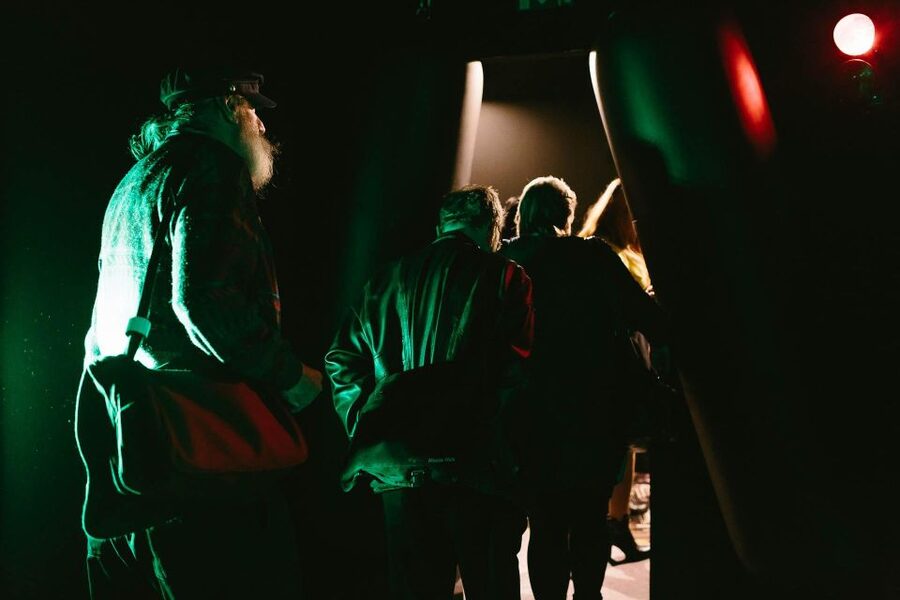
Not every illusion is visual. Some are about touch, sensation, and what your body expects to feel.
The Pin Wall is a good example of a hands-on souvenir idea. You leave a mark, and that gives the experience an ending you can bring home. It is also a nice breather if you feel like you’ve been walking and spinning for a while.
Then there’s the headline stop: the bed of nails, featuring over 3,500 nails. This is one of those exhibits that people remember even days later. If you have any hesitation about intense sensations, keep your expectations realistic. You can still have fun watching others—just know this isn’t a gentle, soft-edged illusion.
You can also read our reviews of more museum experiences in Prague






When the illusions feel real (and why that can be a plus)
Some exhibits are so convincing that they can make people feel queasy or oddly unsettled. That is not a drawback for everyone. If you like brain-teasing experiences—stuff that makes you question what your senses tell you—that reaction is part of the point.
I also like that the museum nudges you to think differently about perception without turning it into a lecture. You come in for fun, then you leave with a new awareness of how easily your mind fills in the blanks.
If you’re traveling with kids, this is a great place for them to see that science can be playful. For adults, it becomes a break from Prague’s more serious vibe—especially on rainy days or when you need something low-effort but memorable.
Staff help is part of the experience, not extra
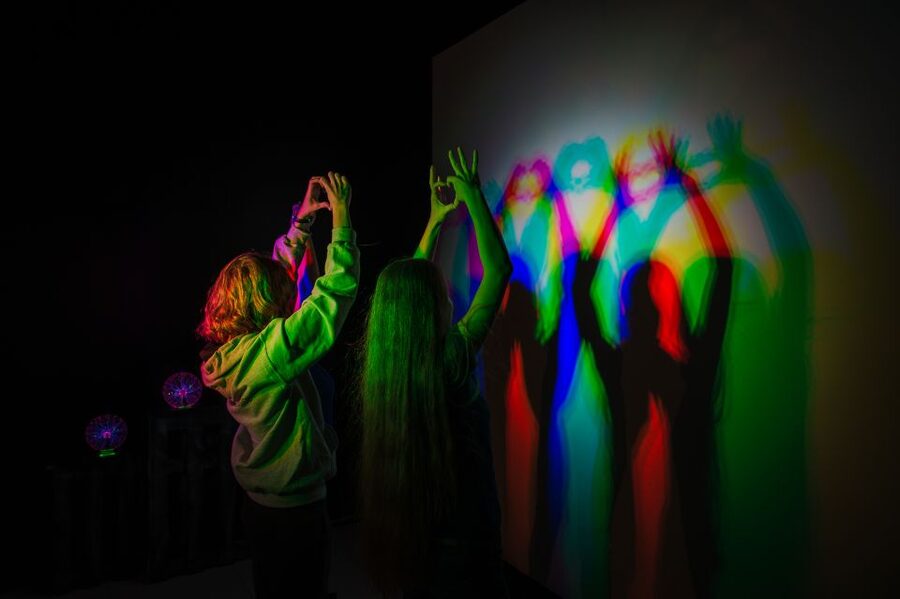
One of the most consistently praised parts is the staff. People describe them as friendly, welcoming, and happy to explain how the illusions work. In some cases, staff also help with practical details like where to stand for the best photo effects.
That matters because interactive museums can be hit-or-miss if you only half-understand what you’re looking at. When staff actually explain what’s going on, you get better results and more laughs. It also turns the museum from a random walk into a guided experience, even without a traditional tour route.
Some staff were even described as giving recommendations for the rest of your Prague day. If you’re the type who likes finishing strong, ask what to do nearby after you leave.
Timing and pacing: how long you’ll need inside
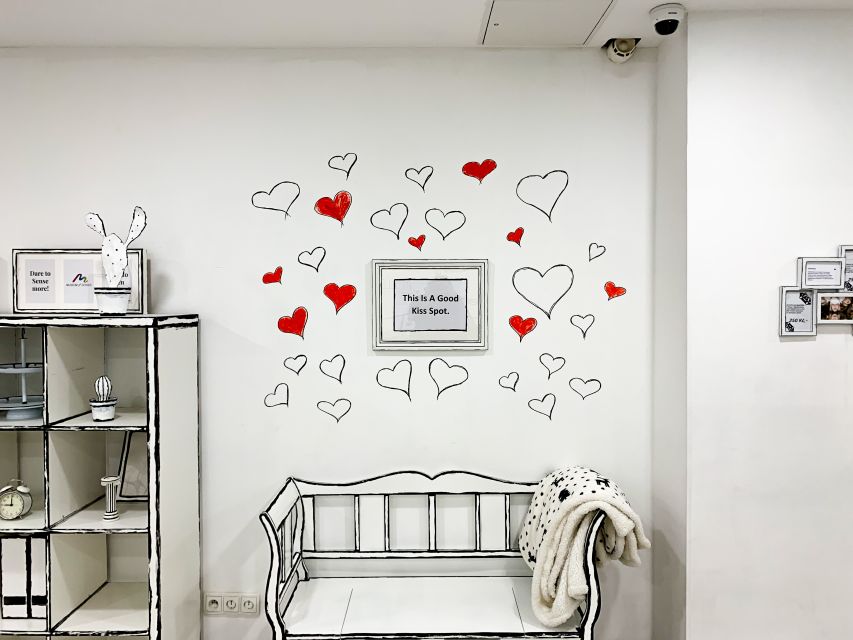
Plan for about an hour, with some people finishing closer to 30 minutes if they move quickly or take fewer photos. Others stretched it a bit longer, especially families who spaced out the rooms and re-did favorite exhibits for better shots.
The difference usually comes down to two things:
- How much you pause for photos and videos.
- Whether you want to re-try the motion-based exhibits.
Also consider crowd flow. A couple of comments noted that lines can build for certain attractions. If you want a smoother ride, aim earlier in the day rather than when foot traffic spikes.
Value for money: weighing the $18 ticket against your time
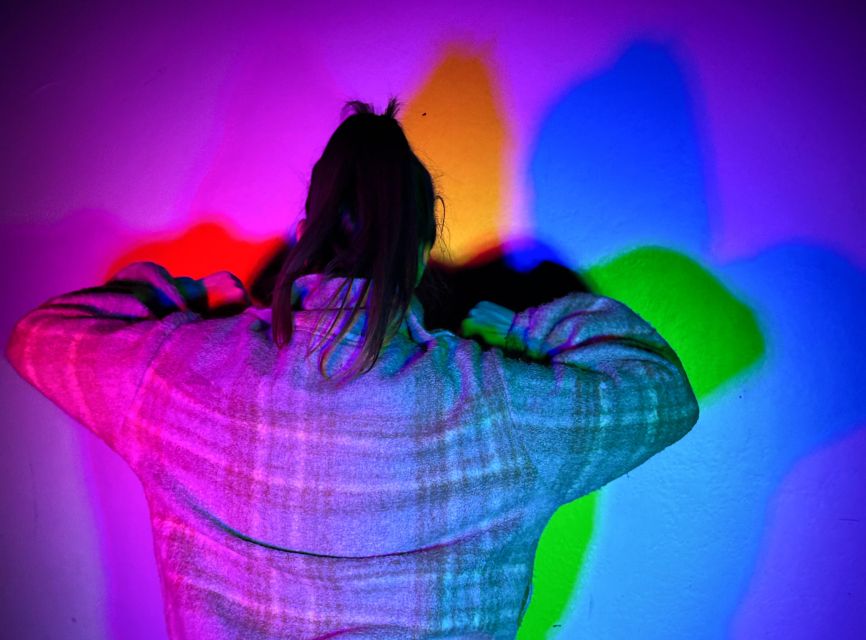
At $18 per person, the value comes down to expectations. If you expect a huge museum with hours of galleries, you might feel it is small for the price. If you want a fun, interactive break that costs less than a full afternoon activity and delivers photo-worthy moments, it feels fair.
The museum works best as a “useful filler.” Think of it as:
- a rainy-day plan
- a quick reset between major sights
- a playful activity for families
- an easy solo stop if you like hands-on weirdness
From the experience design—50+ exhibits, constant interaction, and strong photo focus—the ticket price starts making sense. You’re paying for moments you participate in, not just rooms you walk through.
Who this works best for (and who should think twice)
This is a strong fit if you:
- travel with kids (families reported plenty of entertainment for ages like 12–14)
- like interactive exhibits and messing with perception
- want a break from long walking days
- care about photo moments and sharing live video
It may not be your best choice if:
- you hate motion or intense tactile sensations like the bed of nails
- you expect a massive museum that takes most of your day
- you’re comparing it to other illusion-style venues you already did (some people felt it was not worth doing both)
One more practical note: at least one review mentioned it is not wheelchair accessible. If mobility is an issue, treat that as a key decision point and plan accordingly.
Practical checklist: what to bring and what to skip
Bring:
- A camera
- A charged smartphone (you’ll want it for photos and live video)
Don’t bring:
- Smoking
- Food and drinks (these are not allowed)
This is a small but important combo. If you arrive with a half-charged phone, you lose part of the experience because the museum is built around sharing and documenting.
Also note the timing rule: the last entrance is 45 minutes before closing time. Don’t show up late and assume you’ll still get the full run.
Should you book the Museum of Senses ticket?
I think you should book if you want a central Prague activity that is hands-on, photo-friendly, and genuinely fun for different ages. The staff support makes it better than a DIY photo stop, and the exhibits give you enough variety (visual, tactile, motion-based) to keep it from feeling repetitive.
Skip it—or at least go in with smaller expectations—if you need a long, museum-style day or you dislike intense sensations. Since it’s small, you’ll feel value most when you treat it like a focused hour or two, not a full afternoon promise.
If your day has flexibility and the weather is mixed, this is the kind of plan that turns a “what now?” moment into something you’ll remember.
FAQ
How much does the Prague Museum of Senses ticket cost?
The admission ticket is listed at $18 per person.
How long is the Museum of Senses experience?
The ticket is valid for 1 day, and your visit is generally a short, interactive outing (many people report an hour or two depending on how much you interact and photograph).
Where is the museum located, and where should I enter?
Enter at the Museum of Senses, Jindřišská 20, 110 00 Prague. The entrance doors are at the address listed by the activity.
What exhibits should I plan for?
You can expect more than 50 exhibits, including a mirror maze, a Vortex spinning tunnel, a Pin Wall, and a bed of nails with over 3,500 nails.
What do I need to bring?
Bring a camera and a charged smartphone so you can take photos and use the museum’s live video sharing features.
Is Wi-Fi included?
Yes. Wi‑Fi is included with the admission ticket.
What items are not allowed inside?
Smoking and food and drinks are not allowed.
What time should I arrive if I want the full experience?
The last entrance is 45 minutes before closing time, so plan to arrive with that in mind.