REVIEW · PRAGUE
Prague: Tickets for the Franz Kafka Museum
Book on GetYourGuide →Operated by Discover Prague Tours sro · Bookable on GetYourGuide
Kafka’s Prague feels personal, fast. This Franz Kafka Museum ticket gets you an outside briefing, then you walk the galleries on your own, seeing letters and manuscripts tied to his real life from 1883 to 1924.
I like that the guide gives you the right background before you start looking at artifacts. One catch: the museum is small and can feel crowded, so if you want to read everything slowly, plan a faster pace than you might hope for.
In This Review
- Key things to know before you go
- A Ticket That Starts Outside the Franz Kafka Museum
- Walking Through Kafka’s Life, 1883–1924
- Letters, Diaries, Manuscripts, Photos, and Drawings
- The 3-D Installations, Audiovisual Rooms, and Soundtrack
- The Value of That 20-Minute Intro (and Why It Matters)
- Timing, Crowd Feel, and How to Pace Yourself
- What You’re Paying for: Price Versus Experience
- Who This Ticket Suits Best (and Who Might Be Less Happy)
- Practical Tips for Making It Feel Personal
- Should You Book This Prague Kafka Museum Ticket?
- FAQ
- How long is this ticket valid?
- How much does the Prague Franz Kafka Museum ticket cost?
- What’s included with the ticket?
- Is there a guide inside the museum?
- Where do I meet the guide?
- What language is the host or guide?
- What exhibits will I see?
- Is the museum visit self-paced after the introduction?
- Can I cancel for a full refund?
- Can I book now and pay later?
Key things to know before you go
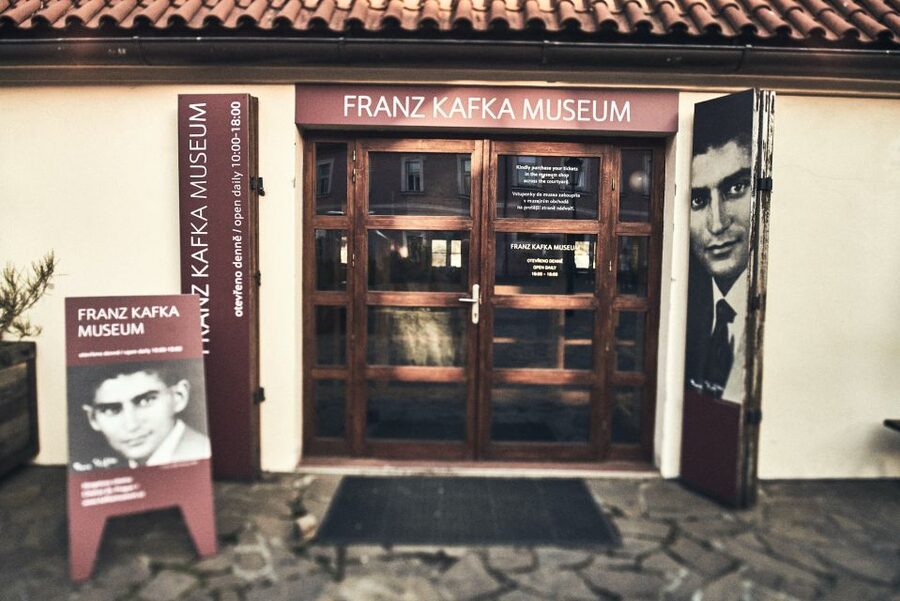
- A 20-minute outside briefing sets context so the exhibits make more sense right away
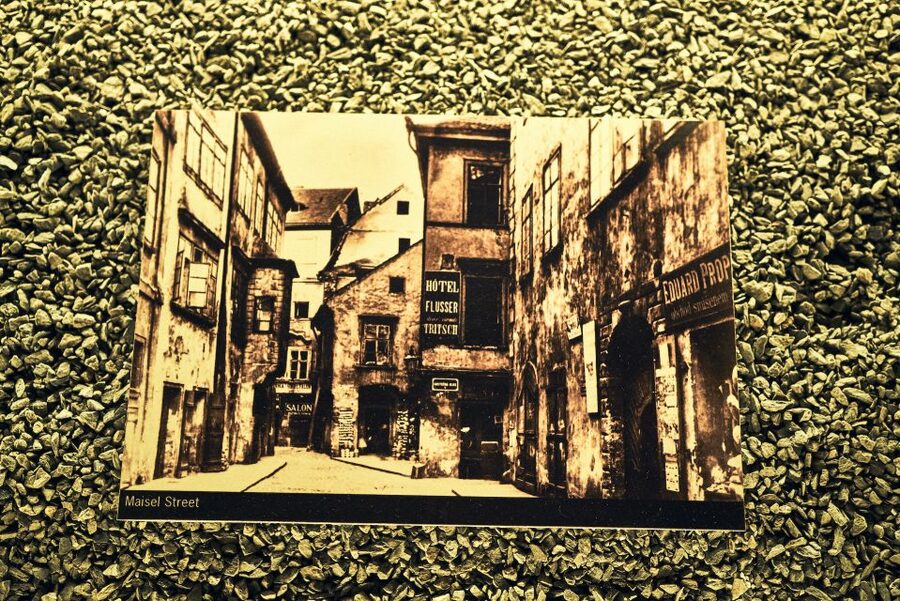
- Original-type materials: letters, diaries, manuscripts, photographs, and drawings
- First editions of Kafka’s works give you a sense of the moment they appeared
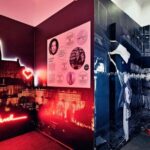
- 3-D installations plus audiovisual pieces make literature feel physical
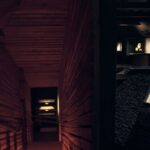
- A soundtrack created for the exhibit adds mood while you move through rooms
- Self-paced museum time means you can linger where you care most
A Ticket That Starts Outside the Franz Kafka Museum
This ticket is built around one smart idea: don’t dump you into a room full of documents without any framing. You meet a guide at the museum—look for the person holding a yellow umbrella—and you get about a 20-minute introduction outside first. It’s a quick setup that helps you connect the items on display to the man behind the writing.
Then you leave the guide behind and head inside on your own. That “guided start, self-paced rest” approach is great if you like control. You can spend extra time with the parts that hook you—documents, personal items, or the multimedia rooms—without feeling rushed by a group schedule.
A few more Prague tours and experiences worth a look


Walking Through Kafka’s Life, 1883–1924
Once you’re inside, the museum is essentially a time window: you’re looking at Kafka’s world while he was alive, from 1883 to 1924. He was born in Prague, and this is one of the reasons the museum works well in this city. Even if you know Kafka mainly through books, the museum ties the themes you’ve read to the reality of Prague life.
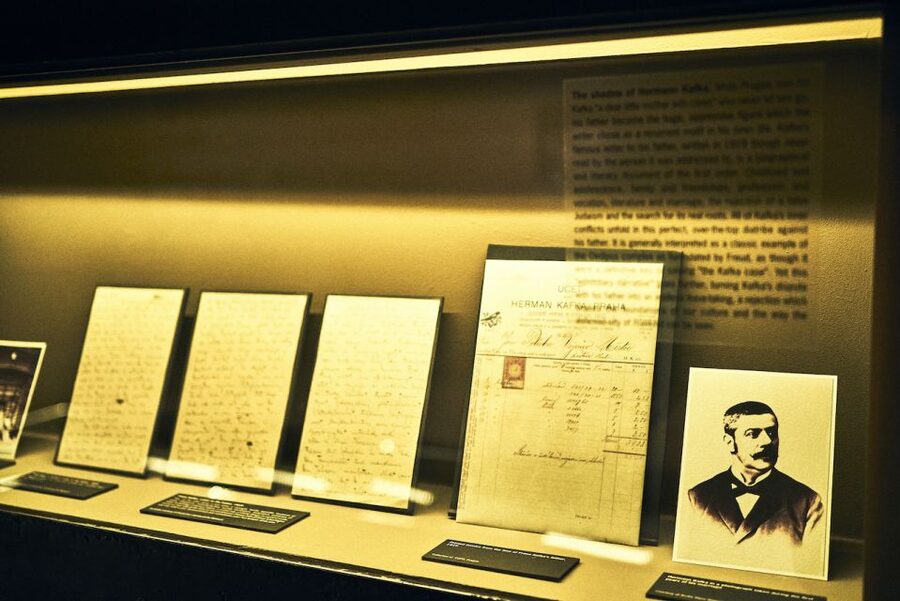
What you’ll be looking at is practical and specific: letters, diaries, manuscripts, photographs, and drawings. These aren’t just “Kafka vibes.” They’re the kinds of materials that make you realize how often he worked on ideas carefully, with real pages, real revisions, and real handwriting. If you’ve ever wondered what the act of writing looked like, this is the closest thing you’ll get without turning it into a study project.
The museum also highlights first editions of Kafka’s works. Seeing early versions can change how you read. You start thinking about timing, publication, and how the ideas traveled from private thinking to public pages.
Letters, Diaries, Manuscripts, Photos, and Drawings
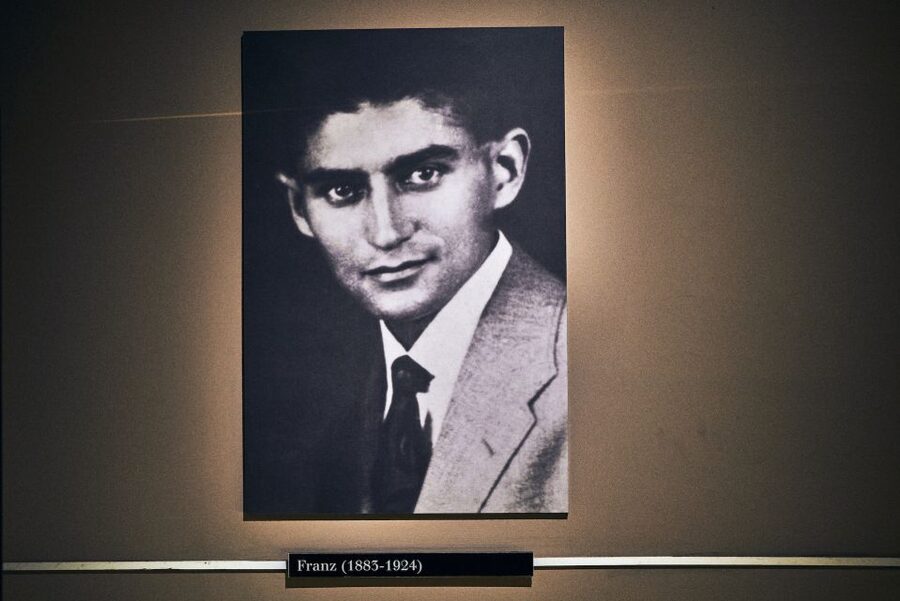
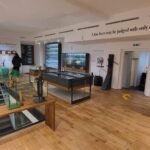
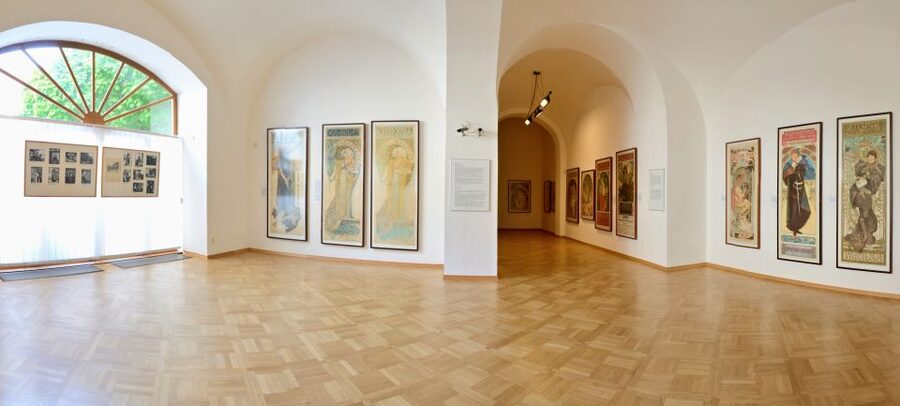
This museum’s strongest pull is the document side of Kafka: written words and visual artifacts. You’ll be able to admire items like letters and diaries, plus manuscripts and drawings. Even without a guide inside the museum, you can still follow the throughline because the objects are doing the work.
Still, here’s a real-world caution. The museum is compact, so you may feel a bit “packed in.” And some exhibits—especially certain photographs—may not come with a lot of explanation on the spot. That doesn’t ruin the experience, but it does mean you should treat labels as important. Read the smaller text. Take a quick look at the title/date each time. If you’re the type who needs full context for every item, lean on the outside briefing for questions you care about.
The 3-D Installations, Audiovisual Rooms, and Soundtrack
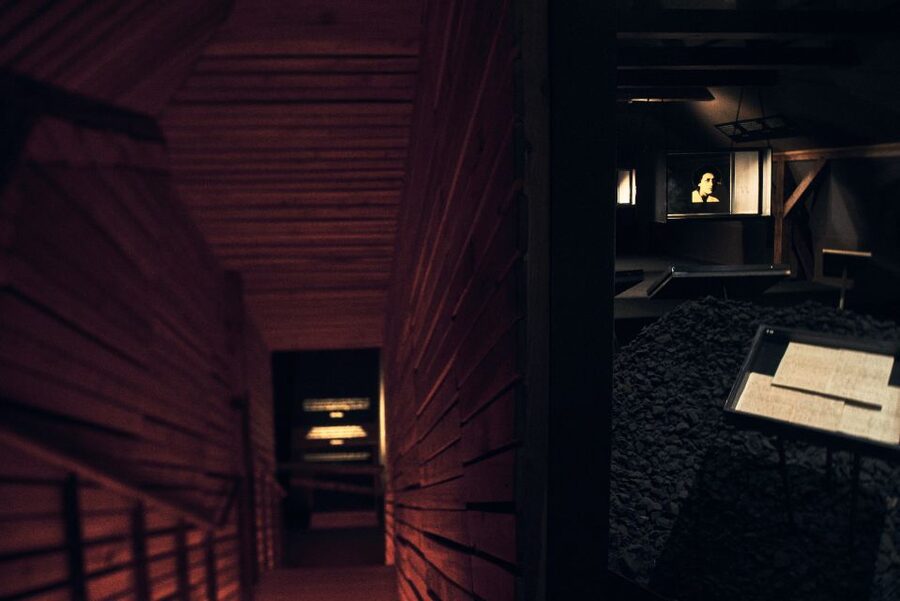
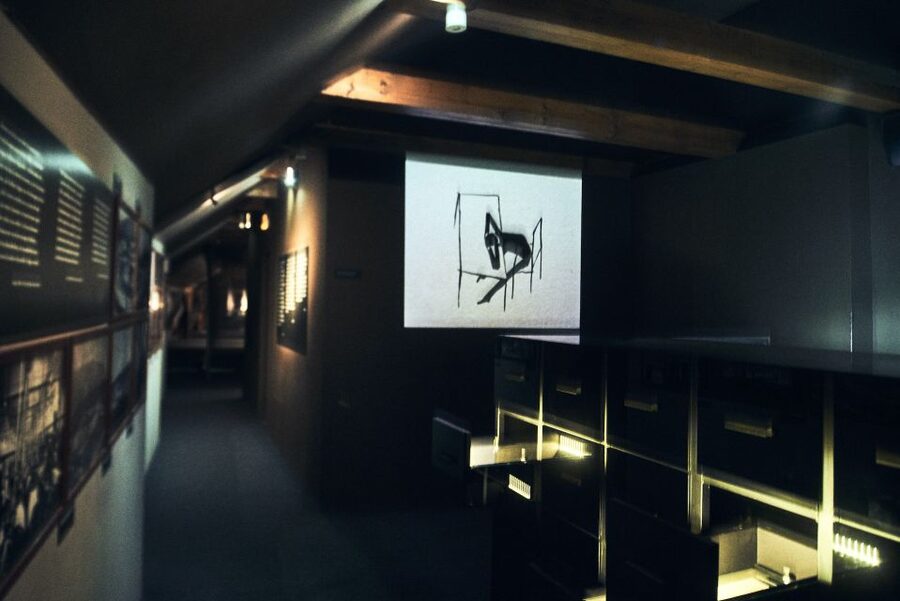
The museum isn’t only glass cases and paper. There are 3-D installations, audiovisual pieces, and a soundtrack created for the exhibition. This is where the museum tries to translate literature into atmosphere.
Here’s what that means for you. Instead of only reading or staring, you’re moving through rooms that use sound and visuals to shape how Kafka’s writing feels. If you’ve ever had trouble “feeling” literature while reading silently, multimedia can help. It gives your brain an emotional soundtrack to attach to the ideas.
Just don’t expect it to replace the documents. Think of the 3-D and audiovisual elements as a second layer. The documents help you understand the person. The multimedia helps you sense the mood and scale of the themes.
The Value of That 20-Minute Intro (and Why It Matters)
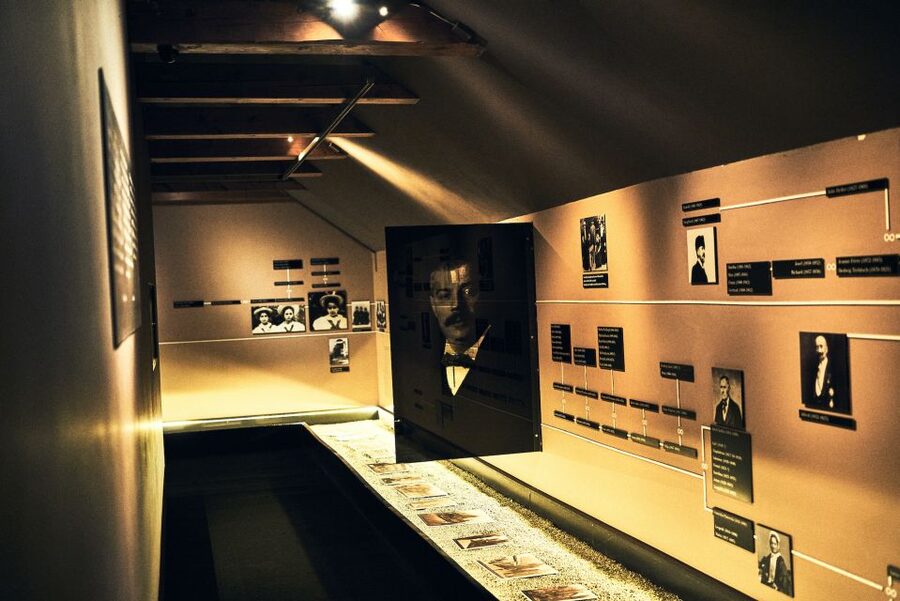
The biggest “value” component in this ticket is not the museum doors—it’s the setup. You get a short guided introduction outside the museum, and that briefing is meant to start you on the journey before you go in.
That matters because Kafka is not easy to summarize. If you only stroll in and read labels, you’ll still get the basics. But with a briefing first, you tend to notice more. You’re more likely to connect a letter or diary entry to the bigger picture—how Prague shaped him, how the writing matured, and why those artifacts are chosen.
It’s also useful because you don’t get a guide inside the museum. So the intro is your chance to orient yourself. I’d treat it like your museum map: you don’t need every detail, but you do need the right mental route.
You can also read our reviews of more museum experiences in Prague


Timing, Crowd Feel, and How to Pace Yourself
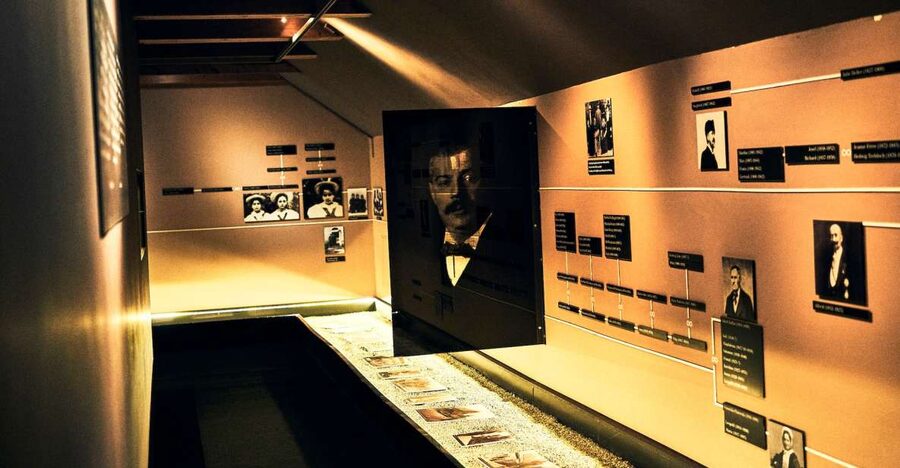
The museum can be busy in a way that’s hard to avoid in a small space. One review-style complaint that matches what you should prepare for: there may not be enough breathing room to see everything calmly. That’s not a dealbreaker, but it does affect how you should plan your expectations.
My practical advice: aim for a mindset of “choose your highlights.” If you try to see everything like it’s a slow library tour, the timing may get tight. If you do want a calmer visit, try to go at a less peak moment—when you can still move easily between rooms and read at least most labels without rushing.
Also, since the museum is self-paced after the intro, you’ll likely do better if you start with the documents you care most about. If letters and manuscripts grab you, hit those first. If you’re more into the multimedia interpretation, let the 3-D rooms be your mid-visit break.
What You’re Paying for: Price Versus Experience
At about $28 per person, this ticket feels like “worth it” if you care about Kafka beyond the name. The price includes entrance plus the 20-minute guided introduction outside. That intro is not a long guided tour, but it is a meaningful chunk of help—especially since there is no guide inside the museum.
If you’re visiting Prague with limited time, the value is that you get a structured start and then flexibility. You’re not stuck listening the whole time, and you’re not left completely on your own either. For me, that combo is practical: the briefing sets the stage, and the museum materials do the storytelling after.
If you’re the type who only wants one big guided tour with lots of talking inside, then this may feel a little more “read and watch at your own pace.” But if you’re comfortable exploring quietly and reading labels, the self-guided portion is a plus.
Who This Ticket Suits Best (and Who Might Be Less Happy)
This experience is a strong match if you:
- love primary materials—letters, diaries, manuscripts, and first editions
- want context about a major writer without committing to a full-length guided tour inside
- enjoy a mix of documents plus multimedia (3-D, audiovisual, and soundtrack)
It’s potentially less ideal if you:
- need a lot of commentary for every exhibit item, since the museum guide is not included inside
- dislike tight spaces when lots of people are around
- get frustrated when photographs or objects have light on-the-spot descriptions (it can happen with certain media)
In other words, it’s best for readers, curious minds, and people who like learning by looking closely. It’s not a “Kafka crash course with constant narration.”
Practical Tips for Making It Feel Personal
A few small choices can upgrade your visit fast:
- Use the outside briefing like a shortcut. If anything about Kafka’s Prague life matters to you—work, letters, publication—listen for what the guide emphasizes and mentally tag those themes for later.
- Pick a reading strategy. In a small museum, you can’t read everything forever. Decide whether you’ll focus on documents first, or multimedia first.
- Don’t skip the soundtrack rooms. The museum’s sound design is part of the experience, not decoration. Even if you’re more of a “read the papers” person, the audio can help you connect the writing to mood.
- Go label-first on photos and visuals. If you find an exhibit that doesn’t explain much right away, the label and nearby text matter more. Slow down there.
Should You Book This Prague Kafka Museum Ticket?
Yes—if you want a focused, high-signal visit to Prague’s Franz Kafka Museum and you’re comfortable exploring on your own after a short orientation. The price lines up with what you get: entrance plus a helpful 20-minute introduction, and then a chance to see letters, diaries, manuscripts, first editions, and the museum’s 3-D, audiovisual, and soundtrack elements.
Skip it only if you strongly prefer a full guided walkthrough inside the museum, or if crowds and tight quarters make you miserable. Otherwise, this is a solid way to understand Kafka as a real Prague person—not just a name on a book spine.
FAQ
How long is this ticket valid?
It’s valid for 1 day. Starting times depend on availability for that day.
How much does the Prague Franz Kafka Museum ticket cost?
The price is $28 per person.
What’s included with the ticket?
You get entrance to the museum and a 20-minute guided introduction outside the museum.
Is there a guide inside the museum?
No. The guided introduction is outside, and the museum visit is then self-paced.
Where do I meet the guide?
Meet your guide at the museum and look for the guide holding a yellow umbrella.
What language is the host or guide?
The host/greeter is English.
What exhibits will I see?
You can expect letters, diaries, manuscripts, photographs, drawings, and first editions of Kafka’s works, plus 3-D installations, audiovisual pieces, and a soundtrack created for the exhibition.
Is the museum visit self-paced after the introduction?
Yes. After the initial briefing, you go in and explore at your own pace.
Can I cancel for a full refund?
Yes. You can cancel up to 24 hours in advance for a full refund.
Can I book now and pay later?
Yes. There’s a reserve now & pay later option, so you can book your spot and pay nothing today.