REVIEW · LUXEMBOURG
Luxembourg: Combi-Ticket City Train & the 7 Museums Pass
Book on GetYourGuide →Operated by SIGHTSEEING.LU · Bookable on GetYourGuide
A city train and seven museums in one deal. I like how the City Train gives you an easy first look at Luxembourg City, and I also like the museum variety that covers art, history, and science. One thing to consider: if you’re the type who loves walking everywhere, you may find the train portion a bit repetitive.
You get to pick your museum stops at your own pace for 2 days, but your ticket is only valid for 48 hours from the first time you activate it. The included audio guide on the train runs in multiple languages, and the group is kept small (up to 10 people), which helps the ride feel more manageable than a huge bus tour.
At about $31 per person, this combo usually makes sense when you plan to do more than one museum during your stay. Just note that temporary exhibitions aren’t included, so if a particular special show is what you’re after, check that it’s part of the museum’s regular displays.
In This Review
- Key highlights at a glance
- City Train and 7 Museums: the value math in Luxembourg City
- Meeting point near Bock Casemates and choosing your train time
- The 48-hour museum window, plus the real-world closure calendar
- The City Train ride: orientation, audio guide, and when it helps (and when it doesn’t)
- Villa Vauban: Dutch masters and French scenery paintings in a historic park
- Casino Luxembourg-Forum d’Art Contemporain: international contemporary art, no extra planning
- Lëtzebuerg City Museum: old-town history you can follow
- Musée National d’Histoire et d’Art: 6,000 square meters and a lot of variety
- Musée National d’Histoire Naturelle: more than 160 years of nature-science energy
- Museum Dräi Eechele in Fort Thungen: territorial development and national identity
- Mudam (Park Draï Eechelen): modern art in an Ieoh Ming Pei building
- Who this combo suits best (and who might feel the train is unnecessary)
- Should you book the Combi-Ticket City Train & the 7 Museums Pass?
- FAQ
- How long is the ticket valid?
- Do I need to choose a time slot for the City Train ride?
- Which museums are included in the pass?
- Are temporary exhibitions included?
- What languages are available for the train audio guide?
- Where does the City Train ride depart?
- Is this activity suitable for wheelchair users or pets?
Key highlights at a glance
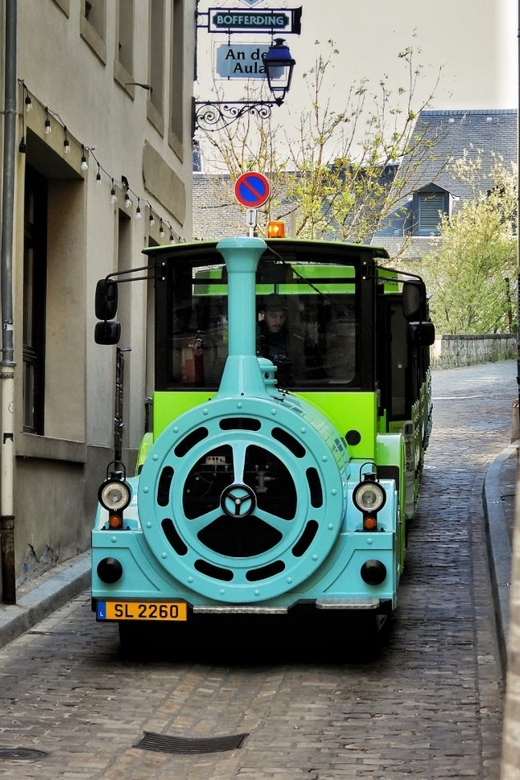
- City Train orientation starting near Bock Casemates so you can get your bearings fast
- 48-hour museum access that you can spread across two days at your own pace
- 7 museums, 7 themes from modern art (Mudam) to national identity (Dräi Eechele)
- Audio guide + free headphones in multiple languages during the ride
- Closures matter: several museums close on Mondays or Tuesdays, so plan your days
City Train and 7 Museums: the value math in Luxembourg City
This ticket is built for people who want both the “where am I?” basics and then real museum time, without over-planning every minute. Luxembourg City can be wonderfully walkable, but it also has viewpoints and districts that feel easier once you’ve seen the layout from a moving route. That’s where the City Train helps.
The other half of the value is the museum access. You’re not buying entry to one attraction; you’re buying entry to seven different institutions covering art, urban history, natural science, and national story. Even without knowing the exact ticket prices for each museum, the logic is simple: if you’re doing at least two or three museums anyway, this pass stops feeling like a gimmick and starts feeling practical.
One more value point: you can choose the order. Luxembourg City isn’t a place where everything is strictly timed minute-by-minute, and this ticket matches that vibe. You’re free to group museums by location and closure days.
A few more Luxembourg tours and experiences worth a look

Meeting point near Bock Casemates and choosing your train time
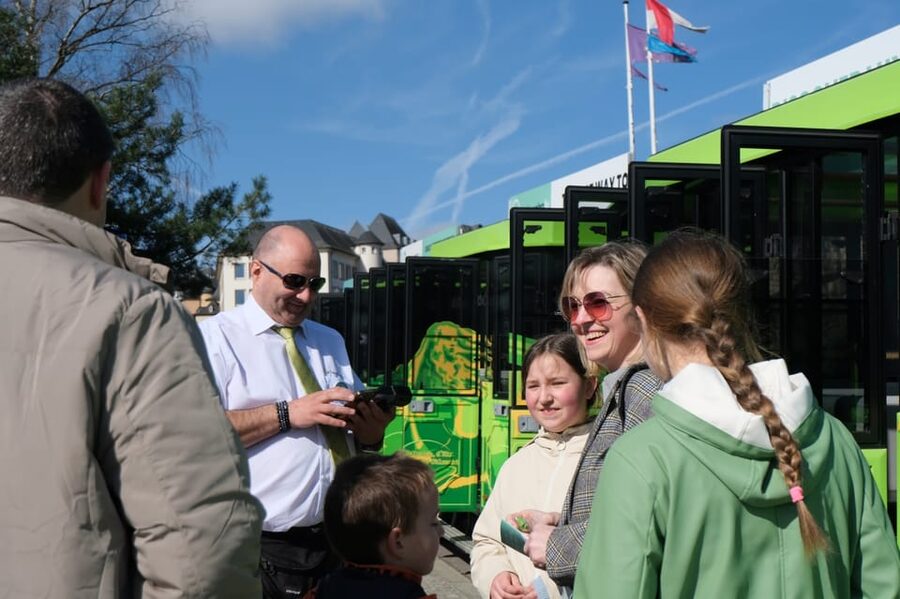
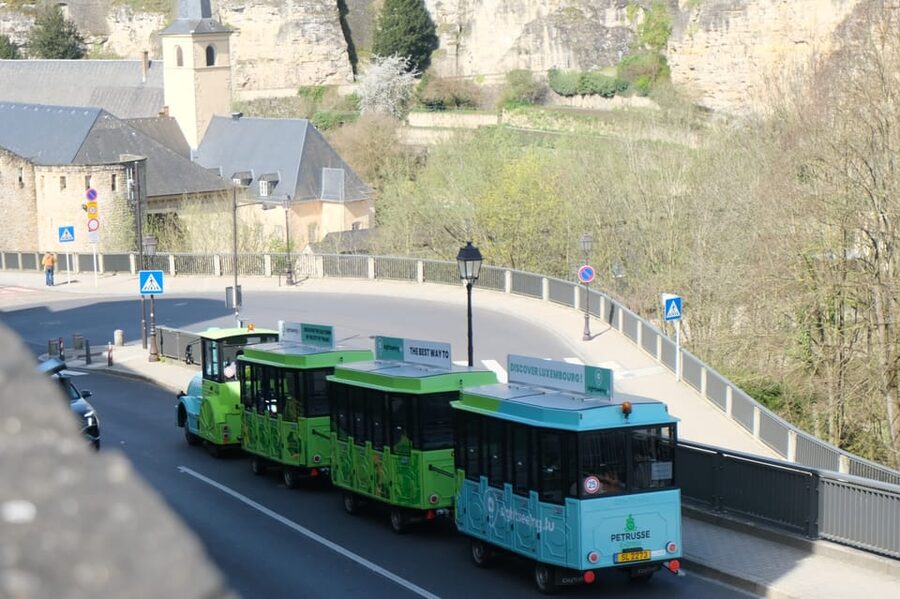
Your City Train ride starts at the meeting point near the entrance of the Bock Casemates. That area is one of those “instant Luxembourg” zones, so it’s a good place to begin your visit day.
When you book, make sure you reserve a time slot for your City Train ride. This matters because the museum window starts ticking based on when you first activate the ticket (so don’t activate it too early if you’re still deciding how you want to structure the day).
Tip: because the group is limited (up to 10 participants), you’ll likely have a calmer experience boarding than you’d get on a giant open-bus crowd. Still, plan to arrive a few minutes ahead so you’re not rushing right at departure time.
The 48-hour museum window, plus the real-world closure calendar
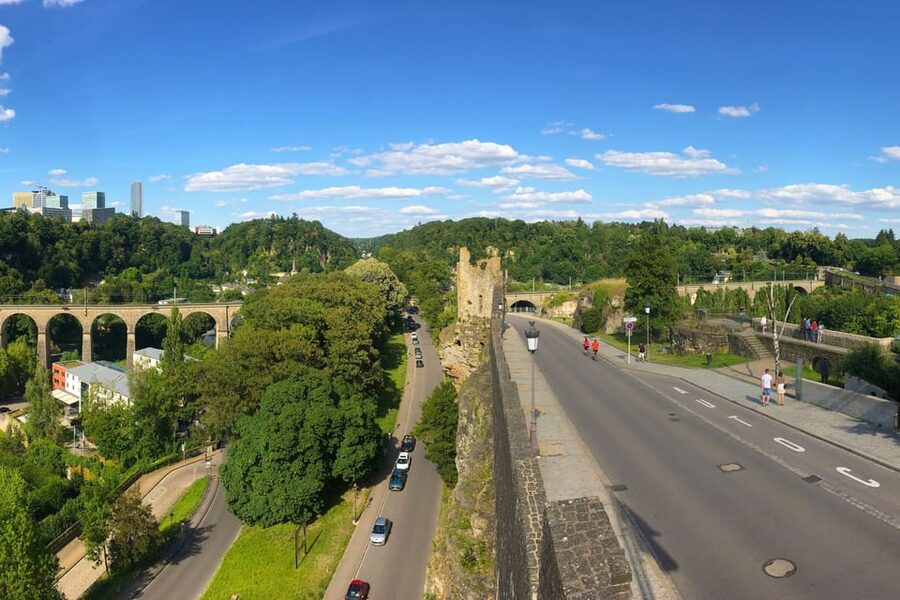
Your museum access is valid for 48 hours from first activation. That’s great for flexibility, but it means your plan should respect opening days. Several of the museums close on specific weekdays, so you’ll want to map your “Monday museums” and “Tuesday museums” first.
Here’s the closure pattern you should plan around:
- Closed Tuesday: Villa Vauban, Casino Luxembourg, Mudam
- Closed Monday: Lëtzebuerg City Museum, Musée National d’Histoire et d’Art, Musée National d’Histoire Naturelle, Museum Dräi Eechele
That pattern is why the pass works best for a two-day stay where you can split your museums across both days. If your trip is only one museum day, the closure calendar can shrink your options fast.
Also, temporary exhibitions aren’t included. The museums have permanent or core collections, and that’s what your ticket covers.
The City Train ride: orientation, audio guide, and when it helps (and when it doesn’t)
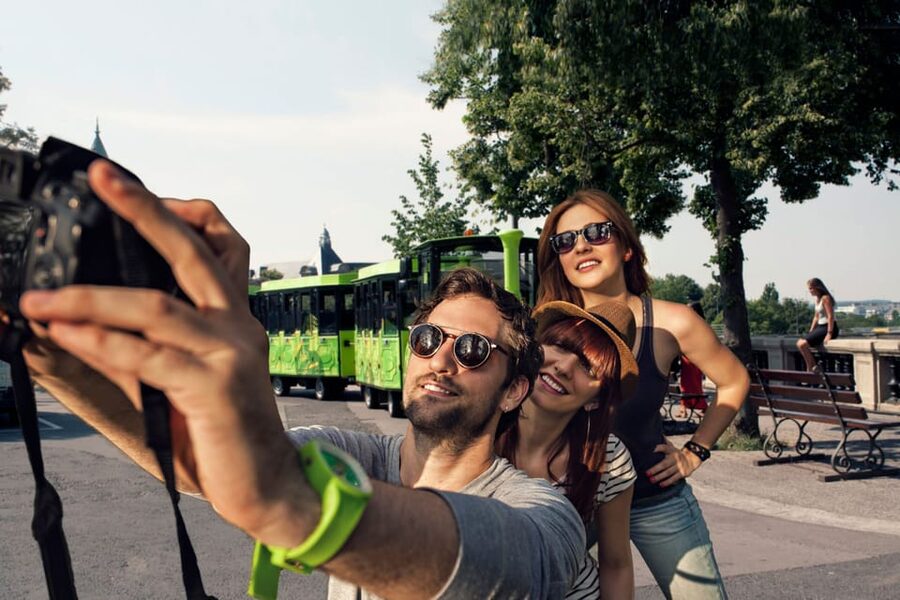
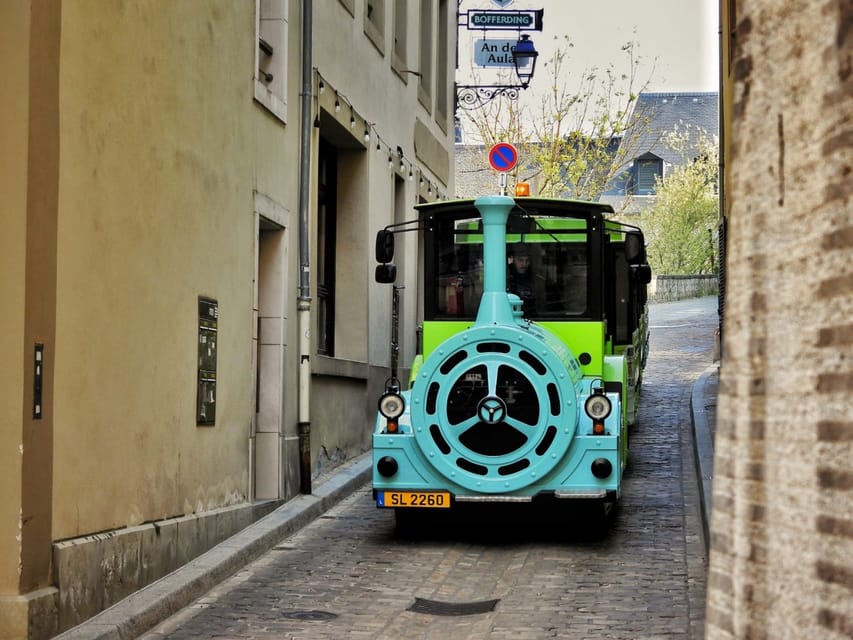
The City Train ride is included, with an audio guide in multiple languages and free headphones. The driver speaks English, Dutch, German, and French, and the audio guide is available in German, English, French, Dutch, Russian, and Spanish. That coverage is useful if you’re traveling with someone who doesn’t want to rely on translation apps.
What the ride is best at:
- Helping you understand how Luxembourg City is laid out
- Showing major sights without you spending half your day figuring out routes
- Giving you context before you step into museums
What the ride isn’t:
- A replacement for good walking views
One practical caution: the train can get pretty full at times, and it may feel slow if you’re itching to get out and explore immediately. If you’re a strong walker and you’re already comfortable with the city’s center, you might feel the train is a “nice add-on” rather than the main event.
But if you’re new to Luxembourg City, the ride can save energy. It’s like getting a quick map lesson with wheels.
Villa Vauban: Dutch masters and French scenery paintings in a historic park
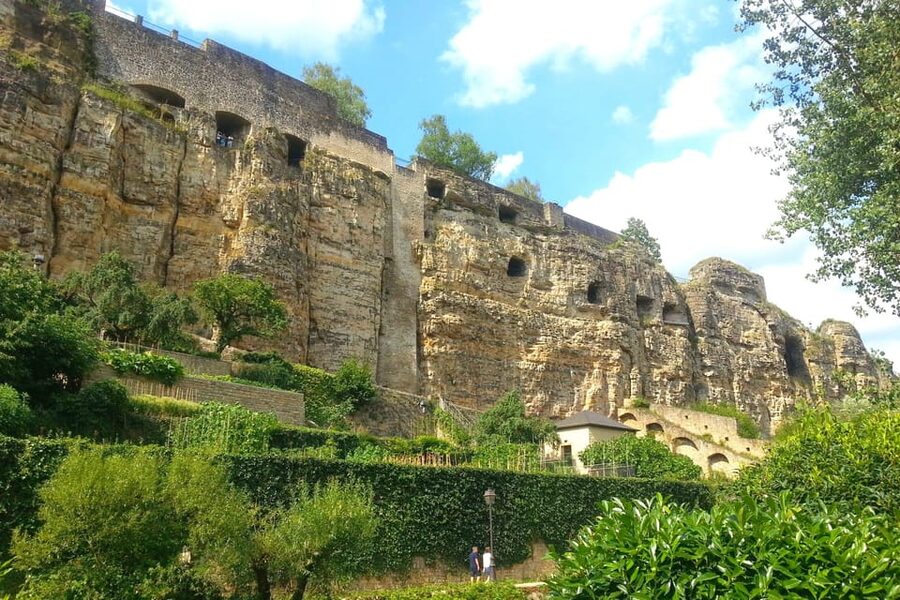
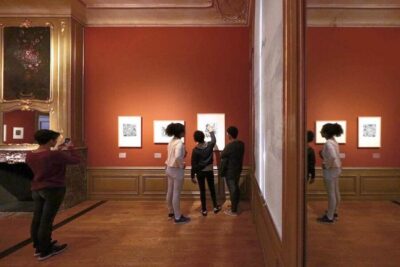
Villa Vauban is one of the most charming stops because it sits in the heart of Luxembourg City, inside a historic park. It’s included on your pass, and it closes on Tuesday—so treat it as your Monday-friendly museum if you can.
Inside, you’ll see exhibitions connected to:
- 17th-century Dutch works
- 19th-century French history and scenery paintings
Why this museum is worth your time: it’s not only about art; it’s also about the setting. The combination of a park location and strong painting collections makes it feel like a calm pause in your day, not just another room-to-room museum visit.
If you like art but don’t want to spend your whole trip on giant, overwhelming galleries, Villa Vauban can be a good “sweet spot” between shorter and longer museum experiences.
Casino Luxembourg-Forum d’Art Contemporain: international contemporary art, no extra planning
Casino Luxembourg is the contemporary-art option in this pass, and it closes on Tuesday. The focus here is on recent work by international artists, which makes it a nice counterbalance to the more traditional history and science museums.
If you’re the type who likes modern art but doesn’t want a deep research homework assignment, this can be a flexible stop. You can go when you want, spend as long as you feel like spending, and still check a completely different style off your list.
One practical tip: if you’re planning to do multiple museums in one day, Casino Luxembourg can work well as a “breather” because contemporary galleries often feel less dense than encyclopedic museum collections.
Lëtzebuerg City Museum: old-town history you can follow
Lëtzebuerg City Museum is based in the old-town district and is included in your pass. It closes on Monday, so plan it for Tuesday (or earlier) if you’re using both days.
This museum stands out because it uses:
- original objects
- topographical reconstructions
- a mobile application
That combo makes it easier to connect the physical place you’re standing in with the story of how Luxembourg City developed. Topographical reconstructions are especially useful when the city’s layout can feel confusing until you’ve seen how areas relate to each other.
Why I think this works well for most visitors: it’s a history museum that aims to make sense of the city itself. You’re not just learning dates; you’re learning what shaped the streets and neighborhoods.
Musée National d’Histoire et d’Art: 6,000 square meters and a lot of variety
If you want scale, this is it. The Musée National d’Histoire et d’Art offers about 6,000 square meters of exhibition space of encyclopedic collections, and it closes on Monday.
This museum is a strong choice when you want one big, “main museum” day stop where you can get lost in collections for a few hours. Because it’s described as encyclopedic, you should expect the museum to cover multiple disciplines and periods rather than staying in a single narrow theme.
One caution: bigger museums can make you feel time-pressed. If you tend to skim when you’re overwhelmed, go with a plan. Pick one or two sections you want to see first, then let the rest be bonus.
If your schedule is tight, this is also a museum where audio guide listening can help you avoid just walking past labels without fully absorbing what you’re seeing.
Musée National d’Histoire Naturelle: more than 160 years of nature-science energy
The Musée National d’Histoire Naturelle is included, with exhibits tied to more than 160 years of the Institute’s history. It closes on Monday.
Natural history museums can be hit-or-miss depending on your interests, but this one’s built around institutional history and the work of curators and collaborators. That suggests you’ll see both collections and the thinking behind them—how people have interpreted and presented nature over time.
If you like science, ecosystems, and the way museums explain evidence, this stop can give your trip a well-rounded feel. And because it’s different from the art-focused museums, it can break up back-to-back “culture days” with something more observational.
Museum Dräi Eechele in Fort Thungen: territorial development and national identity
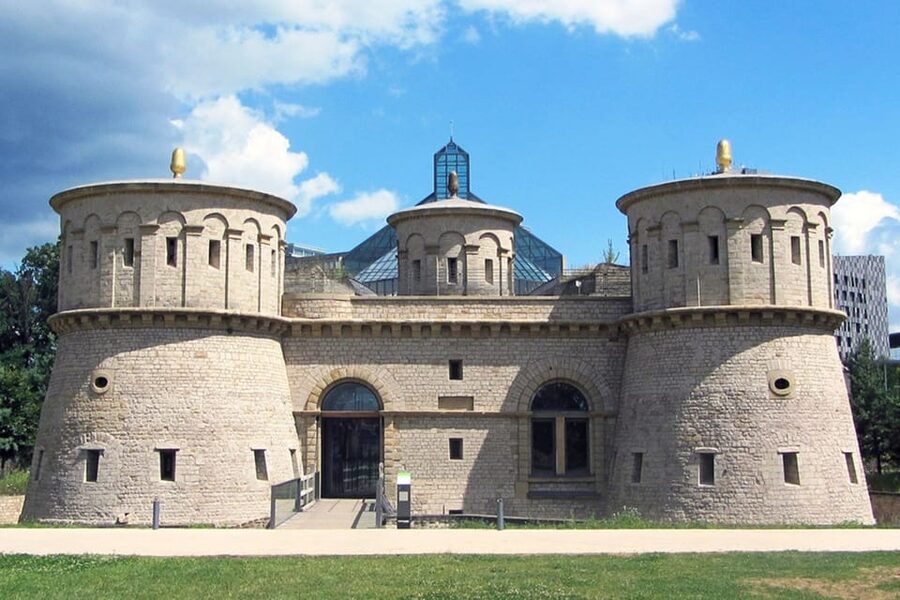
This museum is located in the restored Fort Thungen and focuses on territorial development and Luxembourg’s history, with a special emphasis on national identity. It’s included and closes on Monday.
Fort Thungen adds atmosphere. You’re not just in a museum building—you’re in a place that already carries military and territorial meaning. That makes it easier to grasp why geography, boundaries, and control mattered in Luxembourg’s story.
Why it’s a smart pick: it connects place to identity. Even if you don’t think of yourself as a history person, the setting and focus can make the subject easier to understand than a standard textbook-style history exhibit.
Mudam (Park Draï Eechelen): modern art in an Ieoh Ming Pei building
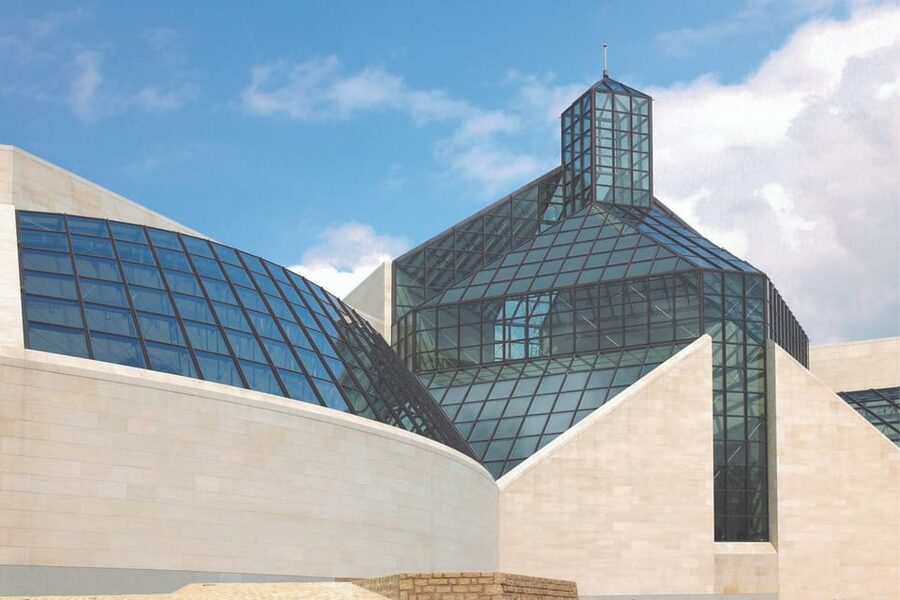
Mudam is the modern-art anchor of the pass. It’s in Park Draï Eechelen, it was opened in 2006, and the building was designed by Ieoh Ming Pei. Mudam is included but closes on Tuesday.
What I like about Mudam on a pass like this is that it changes the mood. The museum is purpose-built, so it feels like a planned experience rather than a repurposed space. Plus, modern art often works best when you’re not rushing. Give yourself time here if you can.
It houses works by modern and contemporary artists. If you’re balancing a day of history museums, Mudam can reset your eyes and your brain.
Who this combo suits best (and who might feel the train is unnecessary)
This pass is ideal if you:
- want a quick orientation via the City Train
- plan to visit multiple museums, not just one
- like mixing art, history, and science rather than committing to a single genre
- enjoy the idea of choosing stops based on closures and opening days
You might feel less satisfied if you:
- love walking and hate sitting on rides
- only want one museum and a short day
- prefer to chase specific temporary exhibitions (since those aren’t included)
Also, it’s not suitable for wheelchair users, and pets aren’t allowed (assistance dogs are allowed). Keep that in mind when you’re planning.
If you’re going with a group of different interests, this ticket is a good peace treaty. One person can spend time with art, another can focus on city history, and you still share the same ticket value.
Should you book the Combi-Ticket City Train & the 7 Museums Pass?
I’d book it if you’re spending two days in Luxembourg City and you want museum time without playing pricing games. For the money, you’re getting a City Train orientation plus seven museum entrances spread across themes, and you can shape the order based on Monday/Tuesday closures.
I wouldn’t book it if you’re sure you’ll only do one museum, or if your trip hinges on temporary exhibitions that you really can’t miss. And if you already know the city well and you’d rather walk for views and photos, treat the train as optional energy use rather than a must-do.
If your goal is “see Luxembourg City properly, then see it through museums,” this pass is an efficient way to do it.
FAQ
How long is the ticket valid?
Your ticket is valid for 48 hours from the moment it was first activated, even though the overall experience is listed as 2 days.
Do I need to choose a time slot for the City Train ride?
Yes. When you book, you need to book a time slot for your ride on the City Train.
Which museums are included in the pass?
You get access to Villa Vauban, Casino Luxembourg-Forum d’Art Contemporain, Lëtzebuerg City Museum, Musée National d’Histoire et d’Art, Musée National d’Histoire Naturelle, Museum Dräi Eechele, and Mudam – Museum of Modern Art.
Are temporary exhibitions included?
No. Temporary exhibitions in the museums are not included in this ticket.
What languages are available for the train audio guide?
The train audio guide is included in German, English, French, Dutch, Russian, and Spanish.
Where does the City Train ride depart?
The stop is near the entrance of the Bock Casemates.
Is this activity suitable for wheelchair users or pets?
It is not suitable for wheelchair users. Pets aren’t allowed, but assistance dogs are allowed.
If you want, tell me what days you’ll be in Luxembourg City (Monday or Tuesday?), and I’ll suggest a smart museum order that matches the closures.