REVIEW · MEMPHIS
Memphis Rock ‘n’ Soul Museum Admission
Book on Viator →Operated by Memphis Rock 'n' Soul Museum · Bookable on Viator
The story of Memphis music hits fast. This museum uses audio headsets and real artifacts to trace how rock and soul grew from Mississippi Delta roots into a world-changing sound centered on Memphis. I especially like the way it keeps you moving at your own pace while staying focused on what matters.
My favorite part is the listening setup: you get more than five hours of audio and around 100 songs, plus music snippets you can play while you read the exhibits. One thing to keep in mind: some rooms show continuous videos, and that extra sound can clash with your audio if you’re sensitive to background noise.
In This Review
- Key highlights worth knowing
- Memphis Rock ’n’ Soul Museum: what you’re really paying for
- The audio guide setup: headsets, songs, and pacing that feels right
- Stop 1: The Complete Memphis Music Story inside the museum
- From Delta roots to rock ’n’ soul studios
- What to look for on your way through (so you don’t miss the best parts)
- Stop 2: Beale Street right after the museum
- Timing and pacing: how long should you give yourself?
- Who should book this admission (and who might not love it)
- Practical tips for a smooth visit
- Value check: why the audio guide makes this worth it
- Should you book Memphis Rock ’n’ Soul Museum admission?
- FAQ
- How long should I plan for the Memphis Rock ’n’ Soul Museum?
- What’s included with the admission?
- Is the audio guide available in English?
- Where is the museum located?
- What can I expect to see inside?
- Do I need to buy separate tickets for Beale Street?
- Is food or drinks included?
- Are flash photos allowed?
- Are service animals allowed?
- What are the opening hours?
- Do I get a refund if the experience is canceled?
Key highlights worth knowing
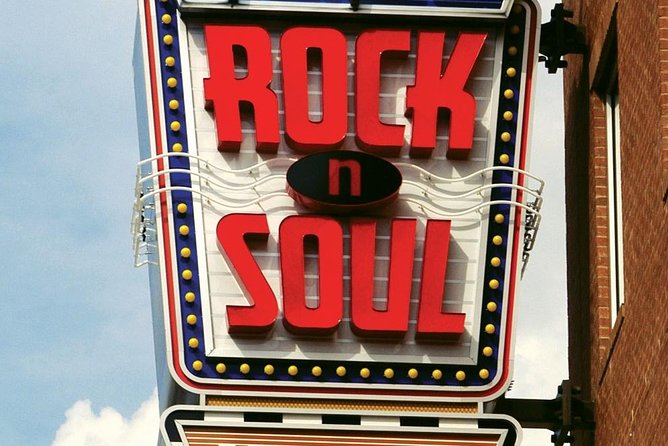
- 5+ hours of audio with about 100 songs so you can control the pace and repeat what you love
- Headsets and a cassette-player style setup that make it feel like you’re collecting the soundtrack, not just reading text
- Artifacts that go beyond posters: costumes, instruments, photographs, and studio-related items
- Studio names that connect the dots: Sun Studio, Stax, and Hi Records
- Artist storytelling you can actually follow through icons like BB King, Muddy Waters, Elvis Presley, Memphis Minnie, and Louis Armstrong
- Beale Street tie-in after the museum so you can connect the exhibits to the music landmarks outside
Memphis Rock ’n’ Soul Museum: what you’re really paying for
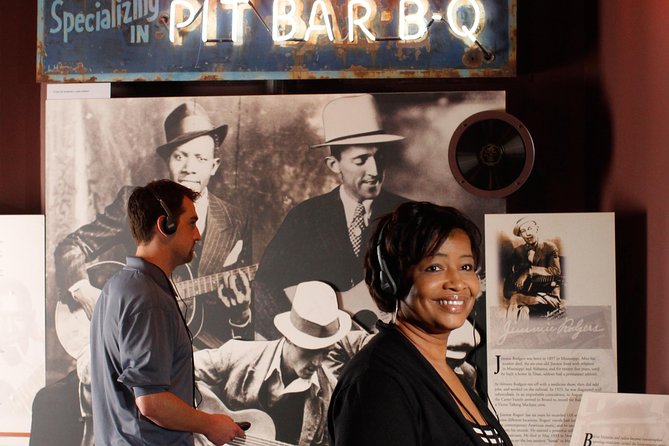
This admission is built for music fans who want context, not just band names on a wall. You’re not only looking at display cases; you’re listening while you move through the exhibits, which makes the history easier to remember.
You get an audio guide with 5+ hours of information plus roughly 100 songs. That matters because the museum covers a long span—from the roots of American music to Memphis’s role in rock and soul—so the audio helps you keep the timeline straight without rushing.
As for value, the price is hard to judge without a number here, but the format is clear: you’re paying for time, sound, and guided storytelling. If you enjoy blues, soul, and the way studios shaped popular music, this is the kind of ticket that pays back quickly.
The audio guide setup: headsets, songs, and pacing that feels right

The museum’s design is built around listening stations. The headset-style audio guide (and the cassette-player approach mentioned by visitors) makes it easy to stop at an exhibit, press play, and stay focused on one story at a time.
I like that the audio guide gives you more control than most museum tours. You can linger near performances, jump ahead if a section grabs you, and revisit tracks when you want the sound to match what you’re reading.
There’s also something practical here: the exhibits include juke boxes or music playback areas. That means you’re not only learning about the music—you’re hearing clips while you connect them to the artifacts. If you’re traveling with someone who reads more slowly, this setup helps keep both of you engaged without forcing a “follow the guide” pace.
One caution: some rooms show movies continuously. If your headset audio feels like it gets drowned out, plan for short breaks, or step closer to the exhibit you’re focused on before you hit play.
Stop 1: The Complete Memphis Music Story inside the museum
Plan on about 1 to 2 hours total for this stop, with around 1 hour as a realistic baseline if you move steadily. If you’re a serious music nerd—or you love listening to multiple clips—stretch it closer to the upper end.
Inside, the museum walks you through the evolution of Memphis music with an emphasis on the people and the hardware that shaped the sound. You’ll see things tied to performers and recordings: costumes, instruments, photographs, and studio-related materials.
What makes this museum work is the mix of themes:
- Roots in the Mississippi Delta, where rural music styles influenced what came next
- The shift to Memphis city life, where the sound gained structure, audiences, and industry
- The studio era, where places like Sun Studio, Stax, and Hi Records helped turn local talent into national hits
The exhibits are also labeled with stories that connect cultural change to music. The audio guide even points you toward themes you can listen for, like social changes and how musical styles formed over time.
From Delta roots to rock ’n’ soul studios
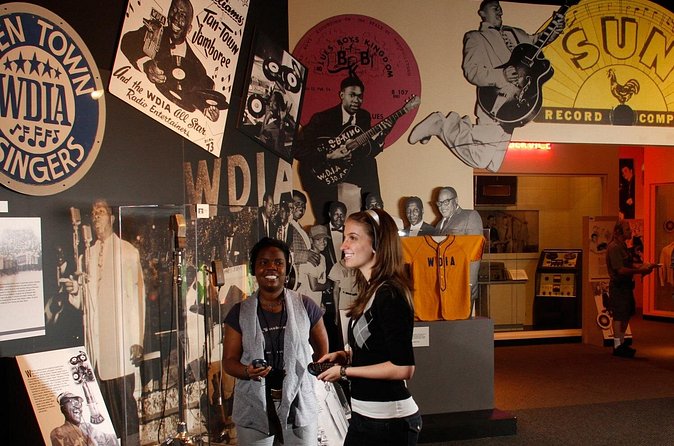
Memphis isn’t just famous because famous artists lived there. The museum makes a case that the city became a music powerhouse for reasons you can see: studios, recording culture, and the way people built audiences around new sounds.
The studio section is especially useful if you’ve visited other music stops in the area and want the “why” behind them. Seeing Sun Studio, Stax, and Hi Records in the same narrative helps you understand that this wasn’t one lucky moment—it was an ecosystem.
You’ll also get artist context tied to the city’s sound. The museum includes major names such as BB King and Muddy Waters, and it also brings in connections to Elvis Presley. That blend matters because rock and soul don’t grow in isolation; Memphis is shown as a meeting point where different strands fed each other.
And if you’re into classic performers you might associate with specific genres, you’ll see how that genre identity formed. Names like Memphis Minnie and Louis Armstrong come up as part of the broader Memphis nightlife and performance history, helping explain why the city’s sound spread.
What to look for on your way through (so you don’t miss the best parts)
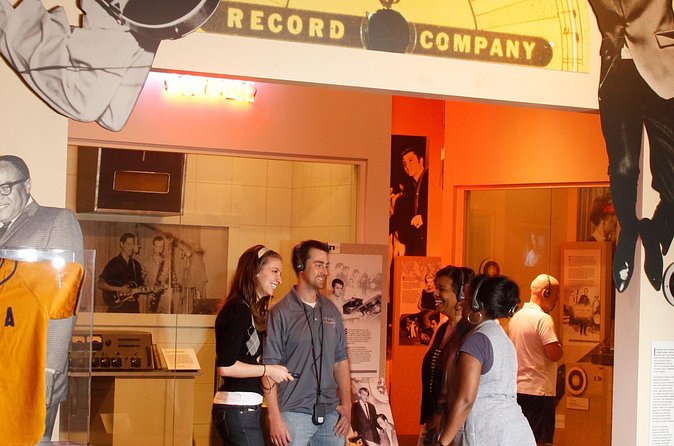
You don’t need to read every line perfectly. Instead, use the audio guide like a tool: pick the exhibits that match your interests and let the sound do the heavy lifting.
Here’s how to make the most of your time:
- Follow the audio’s prompts when it points you to a theme, not just a single performer
- When you reach an artist or era, listen to a song clip right then so your brain ties sound to story
- Spend extra time near display items like instruments and costumes, because those objects help the museum feel real
The museum also helps you connect the jump from performance to recording. Studios don’t feel abstract here; you can connect them to the music you’re hearing in your headset.
If you’re short on time, aim for the studio and artist sections first. That’s where the museum turns from “information” into “you can hear the significance.”
Stop 2: Beale Street right after the museum
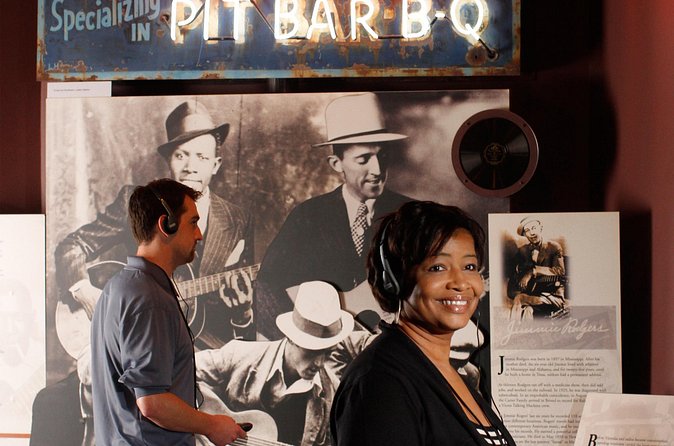
After you finish inside, head out with a different kind of radar. Beale Street is famous for live music landmarks, but the museum adds extra meaning by linking the street to major cultural moments.
You’ll walk out with a better sense of why this area mattered—not just for entertainment, but for the broader story of civil rights history and nightlife. The museum frames Beale Street as a place where music venues helped define eras.
And you’ll recognize names from the museum outside, too. The history ties icons such as BB King, Muddy Waters, Memphis Minnie, and Louis Armstrong to the nightclubs of earlier decades, showing how the sounds you heard in the museum had a real stage-life.
If you want a practical way to enjoy Beale Street after, keep it simple: use it as a “check your understanding” walk. Stop when something feels familiar from the museum audio, and let that connection guide you.
Timing and pacing: how long should you give yourself?
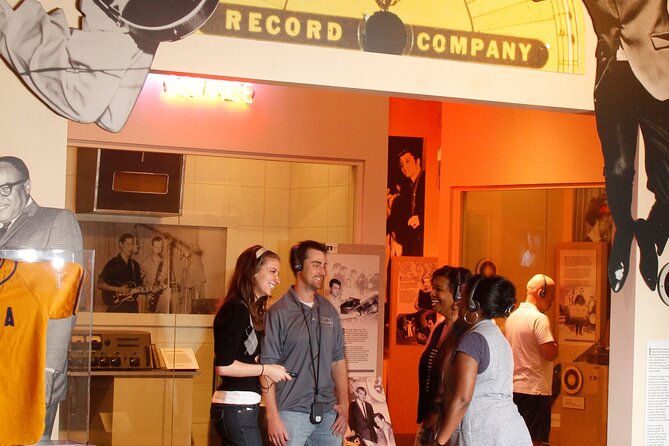
For most people, 60 to 90 minutes covers the main story without rushing. If you’re into the music playback sections—especially if you want to hear multiple songs tied to the exhibits—give yourself closer to 2 hours.
I’d also avoid stacking this with back-to-back tours that require constant movement. The museum works best when you can pause. The whole experience is designed around stopping at exhibits and listening, so stress-time planning hurts.
A simple strategy:
- Start strong: listen to the early audio segments so the timeline clicks
- Midway through, slow down around studio-and-artist sections
- Finish with the exhibits that match your favorite performers or genres, even if that means skipping a few text-heavy displays
Who should book this admission (and who might not love it)
This museum admission fits well if you:
- Like blues and soul, and you want the “how it formed” story
- Enjoy audio guides and music clips more than long lectures
- Want a strong introduction to Memphis without needing to split your day between multiple venues
It may feel less ideal if you:
- Are highly sensitive to background sound in rooms with continuous video
- Prefer guided group tours with a live storyteller, rather than self-paced audio
Also, it’s set up so most people can participate, and the museum is near public transportation, which helps if you’d rather not figure out parking.
Practical tips for a smooth visit
A few small things can make a big difference.
First, check the entry rules listed for the experience. You may see temperature checks, face masks required, and social distancing procedures noted for entry. Plan for that and you’ll feel less rushed when you arrive.
Second, photography rules matter. Flash photography isn’t allowed, so if you’re the type who takes lots of quick shots, plan for normal-light photos only or focus on memory instead.
Third, the museum has some essentials you should expect to plan around. Food and drinks aren’t included, so bring water if you want it on hand (and save meals for before or after).
Finally, Beale Street is walkable, but you’ll enjoy it more if you plan a little breathing room after the museum. The best payoff is when you can connect what you just heard to what you see outside.
Value check: why the audio guide makes this worth it
A lot of music museums end up being “read and hope you remember.” This one leans hard into sound and pacing, which makes the learning stick.
The reason the audio guide feels like value isn’t just the length. It’s the pairing of audio with objects and song clips, which turns the museum into a listening lesson you can shape. If you love hearing how songs connect to the people, costumes, instruments, and studio culture, that’s exactly what this ticket is built for.
The payoff shows up fast: you’ll leave knowing why Memphis mattered, not just that it mattered. And since Beale Street is right there, you get a quick chance to turn knowledge into a real-world walk.
Should you book Memphis Rock ’n’ Soul Museum admission?
If you’re planning a Memphis trip and you want a clear, music-first introduction, I’d book this admission. It’s set up for self-paced learning, it includes a long audio guide with song playback, and it connects the dots between performers, studios, and the city’s bigger cultural story.
I’d especially book it if you’re short on time but still want the essentials: Memphis’s role in rock and soul, key names like BB King and Muddy Waters, and the studio triangle of Sun Studio, Stax, and Hi Records.
Skip it only if you strongly dislike museums where continuous room sound is part of the setup, or if you prefer a live guide over headsets. Otherwise, this is a smart use of an afternoon—and a good way to make Beale Street more than just a place to walk.
FAQ
How long should I plan for the Memphis Rock ’n’ Soul Museum?
Plan about 1 to 2 hours. A good baseline is around 1 hour if you move steadily, and closer to 2 hours if you want to spend more time on the music playback and exhibits.
What’s included with the admission?
Your admission includes an audio guide. It features more than 5 hours of information and about 100 songs.
Is the audio guide available in English?
Yes, the experience is offered in English.
Where is the museum located?
The museum is on Beale Street in Memphis.
What can I expect to see inside?
You can expect exhibits with instruments, stage costumes, photographs, and items tied to Memphis musicians and recording studios.
Do I need to buy separate tickets for Beale Street?
The plan includes time on Beale Street, and no separate museum-style ticket is listed for that portion. You’ll use your time to explore the music landmarks and history outside.
Is food or drinks included?
No. Food and drinks are not included with the admission.
Are flash photos allowed?
No. Flash photography isn’t allowed.
Are service animals allowed?
Yes, service animals are allowed.
What are the opening hours?
The museum is listed as open 10:00 AM to 5:00 PM, Monday through Sunday.
Do I get a refund if the experience is canceled?
You can cancel for a full refund up to 24 hours in advance. If it’s canceled due to poor weather, you’ll be offered a different date or a full refund.