
REVIEW · AMSTERDAM
Our Lord in the Attic Museum Entrance Ticket in Amsterdam
Book on Viator →Operated by Museum Ons' Lieve Heer op Solder · Bookable on Viator
Amsterdam hides churches in the strangest places. Our Lord in the Attic Museum (Museum Ons’ Lieve Heer op Solder) turns a narrow canal home into a real 17th-century time capsule, with the most surprising twist right at the top: a Catholic church tucked into an attic. It’s history you can walk through, not just read.
I love the well-preserved rooms—living spaces, kitchens, and bedrooms—so you get a feel for daily life, not just religious architecture. I also love how the visit connects the building to a bigger story about Dutch religious tolerance, including the era tied to Willem of Orange.
One big heads-up: you’ll climb narrow staircases and lots of steps, and on hot days it can feel very warm in the upper floors.
In This Review
- Key things to know before you go
- Our Lord in the Attic: why this museum feels different
- Entering on a central canal: location matters more than you think
- Tickets, timing, and what $21.78 really buys
- How the audio guide turns rooms into a story
- Walking the 17th-century rooms: where “life in Amsterdam” becomes real
- The main event: the Catholic church in the attic
- The extension building: new wing plus an underground passage
- Stairs, heat, and how to pace yourself
- Bags, lockers, and what to wear so you enjoy it
- Is it worth it for your itinerary?
- Quick decision: book this or skip it?
- FAQ
- How long does the visit usually take?
- Is the museum self-guided?
- Do I need to prebook my ticket?
- Is the experience available in English?
- What’s included with admission?
- Are food and drinks included?
- Are there restrictions on bags?
- Is the visit difficult for people with mobility issues?
- FAQ
- What’s the cancellation and refund policy?
Key things to know before you go
- Book ahead so your entry time isn’t a guessing game
- 17th-century house rooms show daily life, not just exhibits
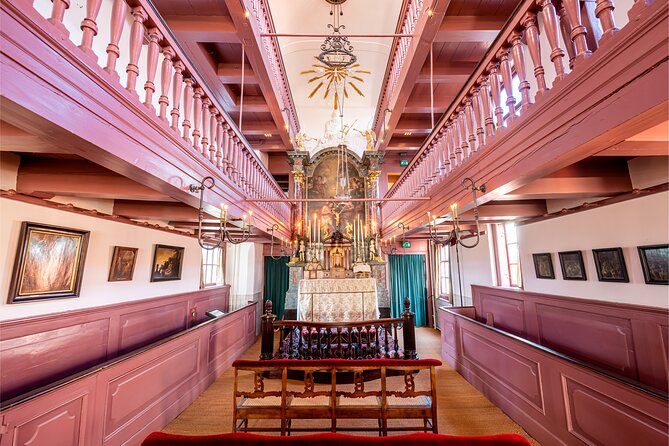
- Attic Catholic church is the main wow moment, and it’s very intact
- Audio guide in English helps you understand what you’re seeing
- Underground passage links to the newer museum wing next door
- Bag limits apply (A4 hand-bags only), with lockers available
Our Lord in the Attic: why this museum feels different
This isn’t a museum that politely sits behind glass. Museum Ons’ Lieve Heer op Solder is inside a real historic canal house and its connected building, preserved because the place itself mattered. Dating to 1663, it’s often described as a time capsule of 17th-century Amsterdam, and you can see why once you start walking floor to floor.
What makes the experience feel extra personal is the building layout. You move through rooms meant for real people, then you climb into the attic space where worship was carried out when Catholic mass was prohibited. The result is a quiet kind of awe: you’re looking at objects and spaces that were built for normal routines, and then repurposed for faith under pressure.
And it’s not just about persecution. The museum’s story centers on Dutch religious tolerance, tied to the 16th-century policies associated with Willem of Orange. That theme isn’t floating around on a poster—it’s built into the reason the church could exist where it was hidden.
A few more Amsterdam tours and experiences worth a look



Entering on a central canal: location matters more than you think
You’ll find the museum in central Amsterdam on a historic canal, in a part of town where walking routes can be tight and stop-start depending on crowds. The upside is simple: it’s easy to fit into a day without long transit rides.
Plan to arrive close to your reserved time. The museum notes that they can usually accommodate you if you’re late, but they strongly encourage you to stay near your time slot because they don’t know how busy a given day will be. That matters here because the visit moves you through a fixed set of spaces with staircases—so your timing affects how comfortably you can pace yourself.
If you’re using public transport, you’re in luck: it’s near transit. In practice, that means you can pair it with other central sights without burning half your day on logistics.
Tickets, timing, and what $21.78 really buys
The ticket price is $21.78 per person, and the visit typically takes 30 minutes to 2 hours. That range is wide because you control your pace with the audio guide and because climbing the stairs slows the experience for some people.
For value, this ticket does two important things. First, it gives you access to a whole historic canal-house museum plus the separate building wing. Second, it includes an audio guide, which is key because the museum’s charm comes from details—furnishings, room functions, and how the attic church was arranged.
Also, this museum gets booked. On average, people reserve about 22 days in advance, which tells you it’s not a “walk in whenever” kind of stop, especially in peak seasons. If you want a stress-free plan, prebooking is the move.
How the audio guide turns rooms into a story
Your admission includes the audio guide, and the experience is offered in English. That matters because this place is all about context: what the rooms were for, what was risky at the time, and how daily life functioned inside constraints.
I like that the route isn’t just one hallway. You’re led from living areas toward more private spaces, then up to the attic chapel. The audio guide helps you read the building like a map, so you’re not just staring at old walls and hoping you guess the purpose correctly.
The pacing is also easy. It’s not a guided group that tells you when to turn. You can linger at artifacts and furnishings, and that makes it work well if you enjoy examining details up close.
One practical note: the museum has an unguarded cloakroom and free lockers. Bags and backpacks can’t go into the museum, and hand-bags must be A4 format. If you travel with a medium or larger daypack, plan on using the locker early so you aren’t stuck near the entrance trying to sort your belongings while others are moving.
Walking the 17th-century rooms: where “life in Amsterdam” becomes real
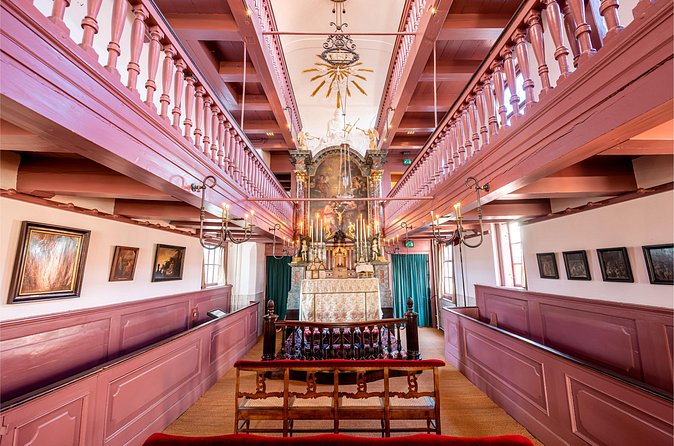
The early floors are where the museum earns its keep. Instead of starting with the church, you work your way through a set of refurbished rooms: living spaces, kitchens, and bedrooms. This is where the museum goes beyond architecture and into the feel of everyday life.
The rooms are decorated with historic furnishings, which changes how you look at them. You’ll notice how objects are placed, how rooms likely functioned, and how tight housing could be in a canal home. It’s the sort of realism that helps you connect the building to people, not just dates.
And there’s a nice emotional rhythm to the route. You start with “normal house” energy—domestic spaces that make sense—then the story gradually tilts toward the hidden religious purpose of the upper attic. By the time you reach the chapel, it doesn’t feel random. It feels like the final piece of a living solution.
You can also read our reviews of more museum experiences in Amsterdam






The main event: the Catholic church in the attic
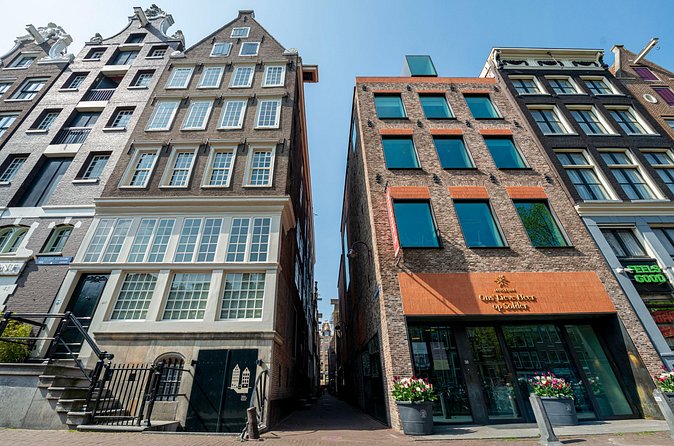
The attic church is the headline for a reason. It’s a complete Catholic church located up narrow staircases, and it was used during a period when it was prohibited to celebrate mass openly.
The museum’s framing is smart: it doesn’t just present the church as a secret room. It links the existence of this hidden worship space to Dutch religious tolerance, including the atmosphere that grew out of the 16th century under Willem of Orange. That context helps you understand why authorities might have turned a blind eye, rather than treating the building as a mystery that has no explanation.
Design-wise, the attic church is phenomenal because it shows how faith adapted to the physical limits of a house. You’re literally looking at a sacred space that had to fit into a home’s footprint, which is a very different experience from visiting a cathedral built for public worship.
There’s also a clear payoff to going slow here. When you reach the top floors, take your time. The space feels tighter, the angles change, and the details become more important. You’ll get the most out of it if you’re ready for stairs and a bit of tight vertical movement.
The extension building: new wing plus an underground passage
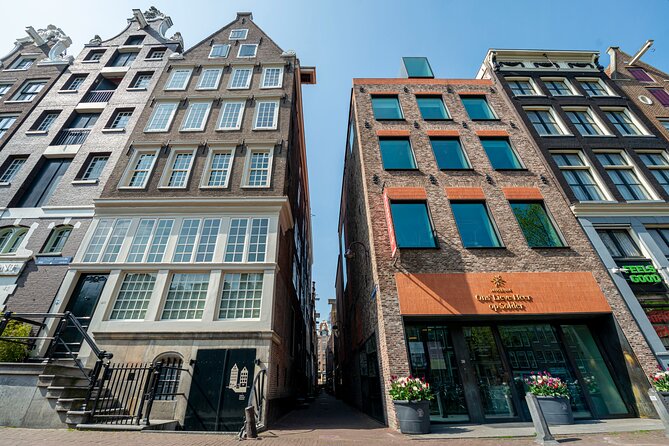
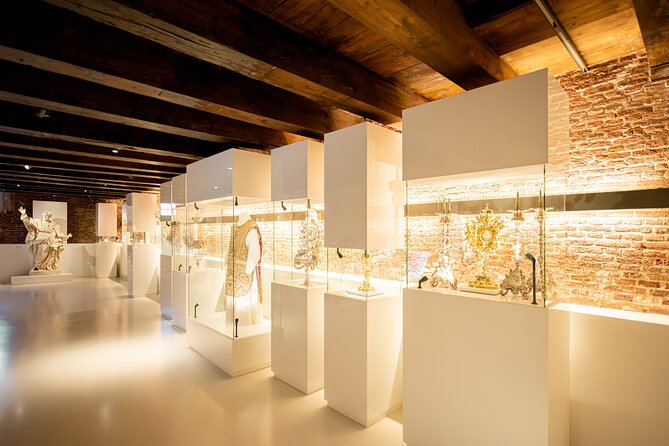
Your ticket also includes access to a newer museum wing built in a neighboring house at Oudezijds Voorburgwal 38. The two buildings are connected by an underground passage, so the museum doesn’t feel like one standalone structure. It feels like a connected site that grew over time.
This part matters because it expands the visit beyond the attic church. You continue exploring Dutch history through exhibits and displays, which helps you shift from the building-as-living-space story into broader context.
The underground passage is also a nice reset. After climbing, descending underground briefly gives you a different sense of the space—almost like the museum is guiding you between eras and themes.
Stairs, heat, and how to pace yourself
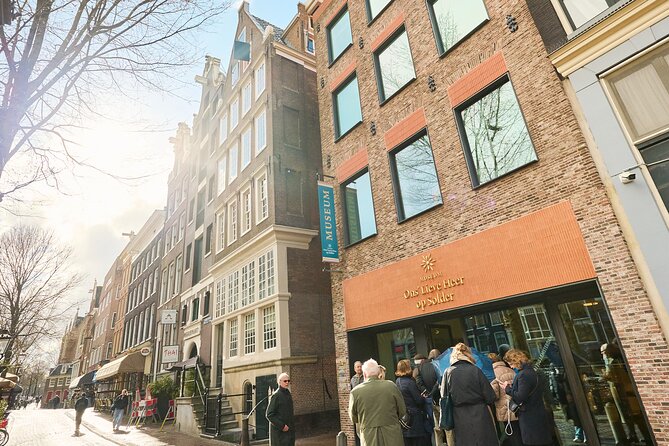
Plan your body and your day for stairs. Multiple people highlight how many steps there are, and because the church is on the top floors—literally in an attic—mobility can become the limiting factor.
If you’re sensitive to heat, note that it can get warm in the upper floors on hot days. One practical tip: start earlier in the day when possible, and take short breaks as you move up. Audio guide or not, you’ll move at a pace that matches the stairs.
I’d also think about this museum as a “slow hour and change” option rather than a quick checklist stop. Even if you can do it in 30 minutes, the best experience tends to come from taking time to understand the rooms and the attic church layout.
Bags, lockers, and what to wear so you enjoy it
Here’s the practical stuff that can make or break your comfort.
- Lockers are free, and there’s a cloakroom area. Use it.
- No backpacks into the museum, and hand-bags need to fit A4 format.
- Wear shoes that work well on stairs and turns inside a historic building.
If you bring a larger bag, don’t wait until the last second. Get your items stored so you can focus on the exhibits, not on squeezing things through tight spaces.
For the route: you may pass through the area associated with Amsterdam’s Red Light District depending on where you’re coming from. That doesn’t mean the museum is in the middle of anything dramatic once you arrive—it just means your walking approach might include that kind of street scene.
Is it worth it for your itinerary?
This museum fits best when you want something hands-on and unusual. If your Amsterdam day is already packed with big landmarks, Our Lord in the Attic is a strong counterbalance. You’ll trade broad views for close-up rooms, real objects, and a story tied to religious tolerance and daily life.
It’s also great if you like architecture that tells human stories. A canal house can be just a pretty facade—here, it’s a functional document of how people lived and adapted.
Who should go:
- History-minded travelers who like buildings you can walk through
- People who want a less mainstream Amsterdam stop with a clear narrative
- Anyone who enjoys audio-guided self-paced visits
Who might struggle:
- Anyone with mobility limits or difficulty with stairs and narrow staircases
- Travelers who hate tight, warm upper spaces on hot days
Quick decision: book this or skip it?
I’d book this. The price is fair for what you get: admission to a full historic house museum plus the connected wing, with an English audio guide. More importantly, it’s a rare kind of experience where the building itself is the exhibit—especially once you reach the attic church.
If you’re comfortable with stairs and you like learning through real spaces, this is one of those Amsterdam experiences you’ll remember for the physical feeling of it: narrow steps, old rooms, and the surprise of a church that shouldn’t be where it is.
If you have mobility issues, you’ll need to judge carefully. Since the experience can involve many steps and hot top-floor spaces, you might find it tough even with patience.
FAQ
How long does the visit usually take?
Plan for 30 minutes to 2 hours. Your pace depends on how much time you spend in rooms and how often you pause for the audio guide.
Is the museum self-guided?
You get an audio guide, and the visit is designed for you to explore at your own pace through the rooms and exhibits.
Do I need to prebook my ticket?
Prebooking is strongly recommended. It helps you avoid missing entry, and the museum is commonly booked in advance on many days.
Is the experience available in English?
Yes. The experience is offered in English.
What’s included with admission?
Your ticket includes admission to the museum and an audio guide.
Are food and drinks included?
No. Food and drinks are not included with the admission ticket.
Are there restrictions on bags?
Yes. The museum has lockers and a cloakroom, but bags and backpacks can’t be taken into the museum. The size limit for hand-bags is A4 format.
Is the visit difficult for people with mobility issues?
It can be. The museum involves many stairs and the main church is on the upper floors in an attic. While most people can participate, mobility issues may make it harder.
FAQ
What’s the cancellation and refund policy?
You can cancel for a full refund if you cancel at least 24 hours in advance. If you cancel later than that, the amount paid won’t be refunded.