REVIEW · AMSTERDAM
Amsterdam: Canal House Museum ‘Willet-Holthuysen’ Ticket
Book on GetYourGuide →Operated by Museum Willet-Holthuysen · Bookable on GetYourGuide
The Willet-Holthuysen house feels like stepping into a real time capsule. You get a grand canal-house interior you can actually walk through, plus an audio guide that helps you make sense of the art and rooms. I especially like how the visit explains daily life, from the ballroom and salons down to the kitchen and pantry in the basement. One thing to consider: the building isn’t set up for wheelchair users, so plan around stairs and narrow spaces.
In This Review
- Key Takeaways Before You Go
- Entering the Willet-Holthuysen Canal House on Herengracht 605
- The Museum’s Core Story: Mrs. Willet, Abraham, and How the Home Was Used
- The Louis XVI Ballroom: The Room That Explains the Mood
- Dining Room and Salons: Living Like the Lord and Lady
- The Willets’ Art and Furnishings: Where the Objects Belong
- The Town Garden Oasis: French-Style Calm in the Middle of Amsterdam
- Kitchen and Pantry in the Basement: What Wealth Looked Like Behind the Scenes
- Audio Guide: The Best Way to Control Your Pace
- Price and Value: Does $18 Buy Something Real?
- Helpful Practical Stuff That Makes the Visit Easier
- Who Should Book Museum Willet-Holthuysen?
- Should You Book This Ticket?
- FAQ
- What is the meeting point for Museum Willet-Holthuysen?
- How long is the experience?
- What does the ticket include?
- Are meals and drinks included?
- Which languages are available for the audio guide?
- Is the museum suitable for wheelchair users?
- Are lockers available?
- Are toilets available?
- What’s the cancellation policy?
- Can I reserve and pay later?
Key Takeaways Before You Go
- 17th-century double canal house: You start in a grand setting and keep moving through the home.
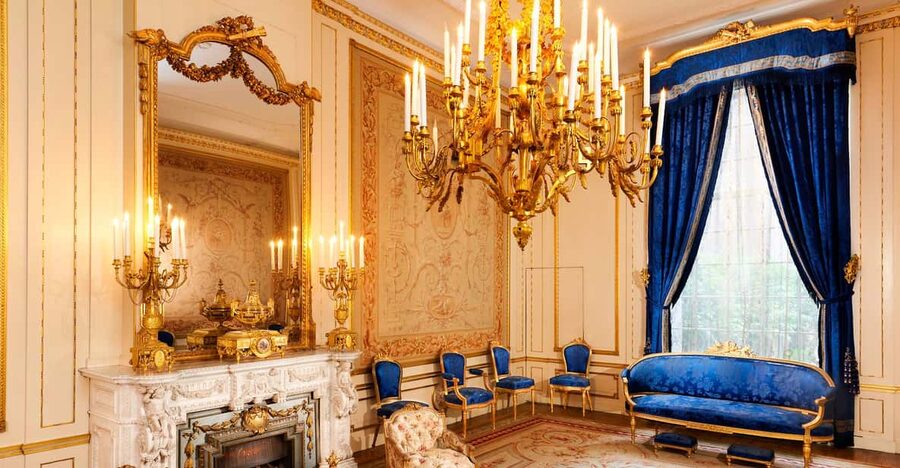
- Louis XVI style ballroom: A showpiece room that sets the tone fast.
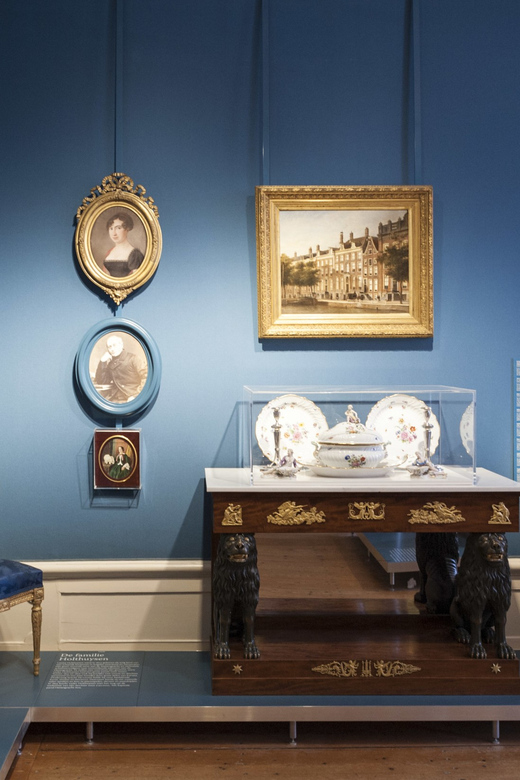
- Art and objects in situ: Paintings, furniture, silver, ceramics, sculptures, and photos are shown where they belonged.
- A French-style town garden: A green oasis laid out in an 18th-century look.
- Servants’ spaces included: The basement kitchen and pantry show daily routines, not just glamour.
- Audio guide = self-paced choices: You can focus on stops that interest you most, and several languages are available.
Entering the Willet-Holthuysen Canal House on Herengracht 605
I like canal-house museums when they do one thing well: they show you how the rooms actually work. At Museum Willet-Holthuysen, the address is simple—Herengracht 605—and the entrance leads you into a grand double canal house dating to the 17th century.
This museum centers on how a wealthy couple lived in 19th-century Amsterdam. In 1895, Mrs. Willet left her opulent home to the city, including the impressive collection from her deceased husband, Abraham Willet. That story matters, because the house isn’t presented like a generic exhibit. It’s presented as a home first, art second.
The museum staff include a Dutch and English host or greeter, which helps if you need quick guidance at the start. And yes, the experience is designed so you can move at your own pace without feeling rushed.
A few more Amsterdam tours and experiences worth a look



The Museum’s Core Story: Mrs. Willet, Abraham, and How the Home Was Used
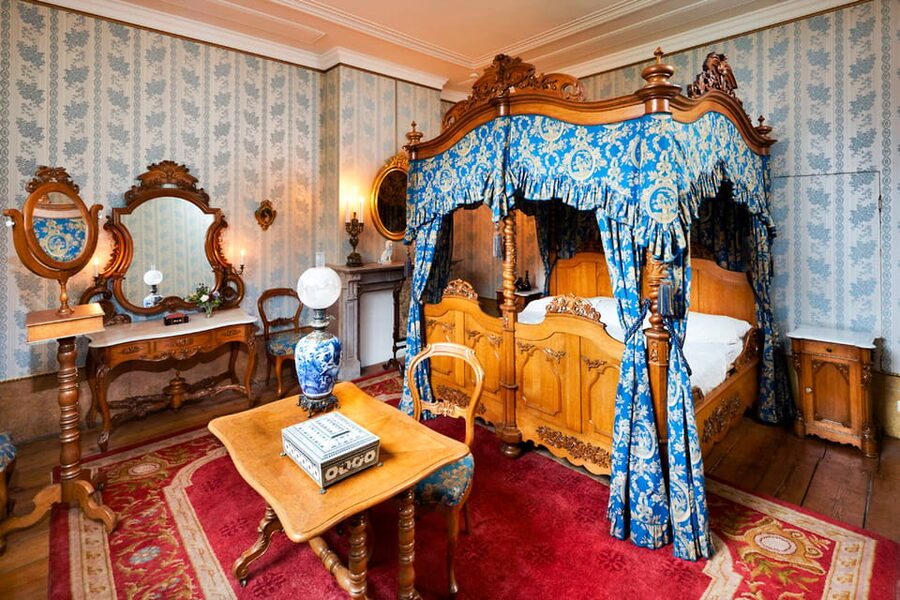
You’ll see the Willet story unfold through rooms and objects, not just wall labels. The collection includes antique furniture, silver, ceramics, sculptures, paintings, and photographs—the kind of mix that makes you think about taste, wealth, and what counted as normal daily living.
Starting the visit on the first floor gives you that big, sweeping feeling right away. You move from formal spaces to more lived-in rooms, and the layout keeps telling the same message: this wasn’t just display. It was a working household where different rooms served different roles.
What I like most is the balance between prestige and practicality. You get the glamour of the public-facing rooms, then the museum brings you back down to earth with the basement spaces where servants would have handled daily tasks.
The Louis XVI Ballroom: The Room That Explains the Mood
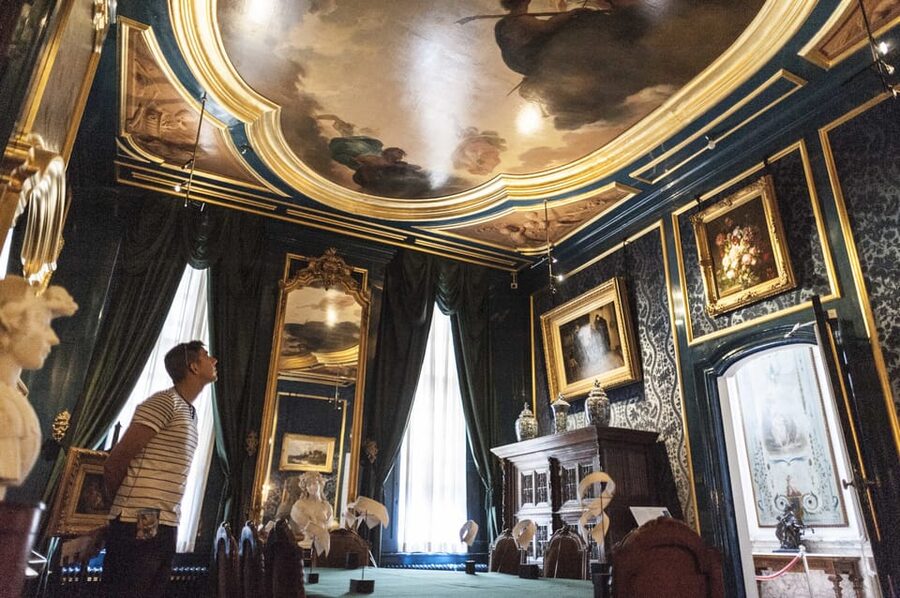
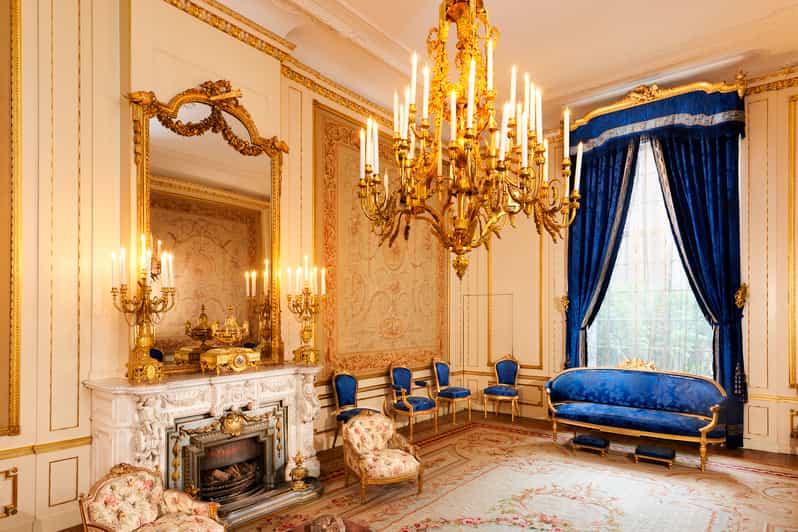
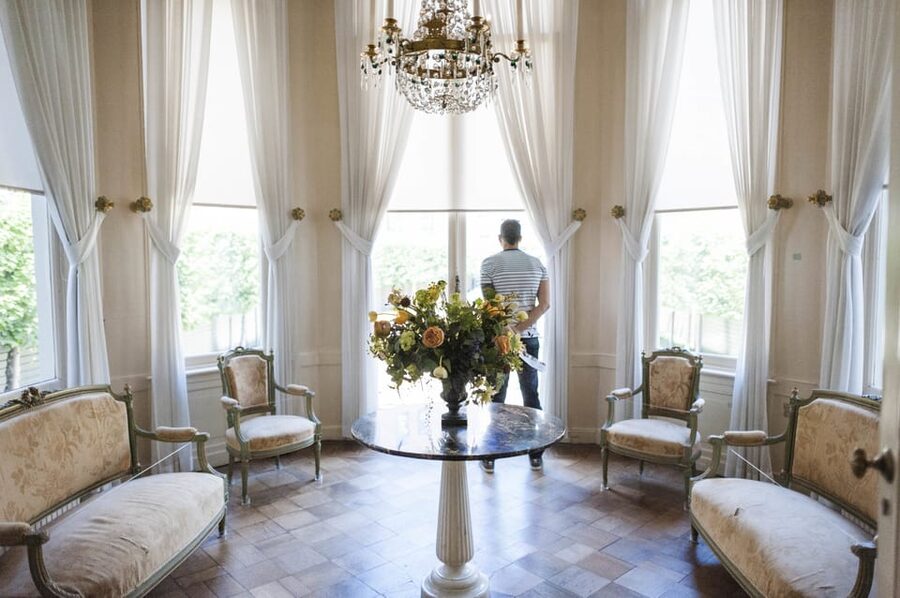
The first major stop is the impressive ballroom done in Louis XVI style. This is where the house’s “main character” energy shows up. Expect a room that looks designed for performance—more formal, more decorative, and made to impress guests.
If you’ve ever wondered why Amsterdam canal houses feel so refined inside, this room gives you the answer. It’s not just big windows and good brickwork outside. Inside, the interior styling is meant to signal status and refined taste.
It’s also a useful anchor point for the rest of your visit. After seeing the ballroom, the dining room and salons start making more sense, because you understand what level of formality the household expected.
Dining Room and Salons: Living Like the Lord and Lady

After the ballroom, you’ll head toward the dining room and the salons of the lord and lady of the house. These spaces help you picture how wealth played out in daily routines: who hosted, what conversations probably happened where, and how the household moved between rooms.
This part feels less like browsing and more like walking through a sequence. You’re not just seeing furniture; you’re seeing how the rooms relate to each other.
One practical tip: go slower in the salons than you think you need to. The art and decorative elements can take a minute to register, especially once you’ve already seen the ballroom’s strong visuals.
The Willets’ Art and Furnishings: Where the Objects Belong
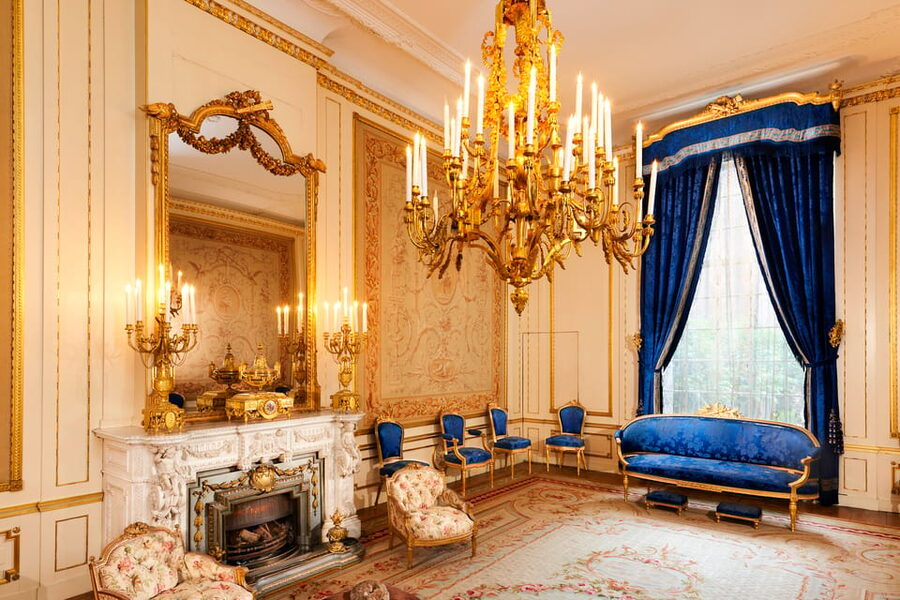
The museum doesn’t treat the collection like random treasures dumped into rooms. The paintings and ornate furniture are shown in a way that helps you understand the original atmosphere—objects that were meant to be part of everyday sightlines.
You’ll also encounter silver, ceramics, sculptures, and photographs as part of the household narrative. That mix is useful because it shows how collecting worked in that era. It wasn’t only about one type of art. It was about assembling a whole visual world.
A key value here is that you’re seeing things in situ. Instead of viewing an object in isolation, you’re seeing it against the backdrop of the room where it likely made sense. For me, that’s why a canal house museum is worth your time: context changes everything.
You can also read our reviews of more museum experiences in Amsterdam






The Town Garden Oasis: French-Style Calm in the Middle of Amsterdam
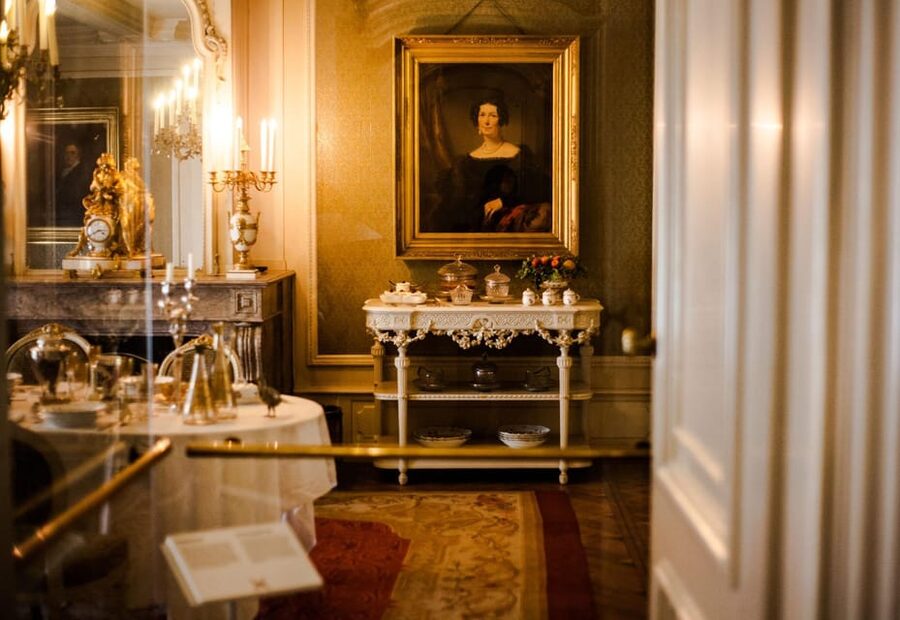
Then comes the reset. The garden offers an 18th-century French-style layout, turning the museum into something more than an indoor walking route. This is the part you’ll feel in your body—less “museum room,” more “quiet break.”
The museum also highlights how they managed to fill the space with historic trees and plants. That matters because it makes the garden feel intentional rather than decorative. It reads as a continuation of the household’s taste, just pushed into outdoor space.
If you’re visiting on a busy day in Amsterdam, this garden can be a relief. Even if you’re not a garden person, you’ll likely appreciate the shift in light, sound, and pace.
Kitchen and Pantry in the Basement: What Wealth Looked Like Behind the Scenes
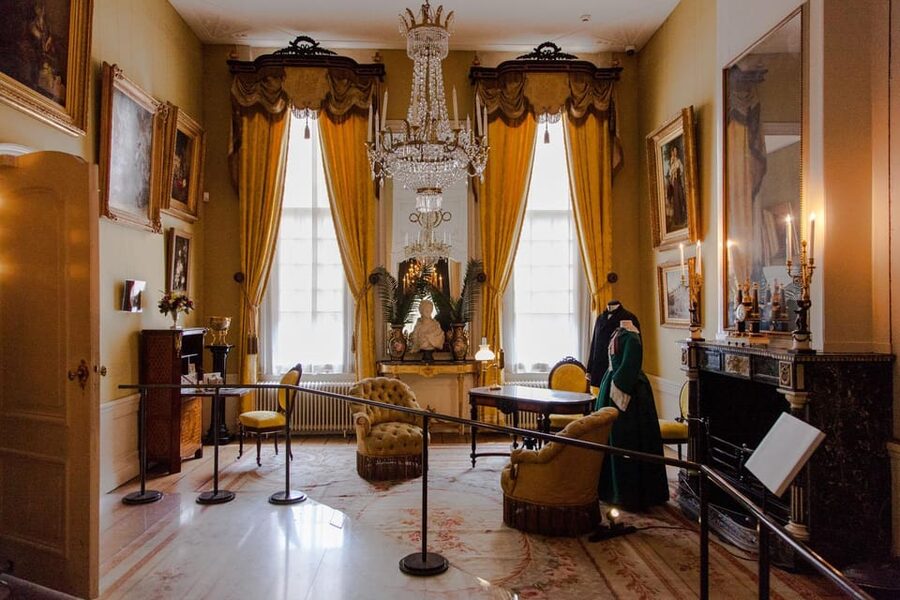
One of the best parts of the museum is that it doesn’t stop at glamour. The kitchen and pantry in the basement clue you in on daily life for servants.
You see how the household ran beyond the public rooms. That contrast is important because it prevents the visit from becoming a one-note story about taste and money. It adds texture—how things were stored, prepared, and managed to keep the household functioning.
The drawback here is also practical: basement spaces can mean more stairs and tighter routes. If you’re sensitive to uneven or narrow areas, take your time and keep your footing in mind.
Audio Guide: The Best Way to Control Your Pace
The museum includes an audio guide, and it’s one of the main reasons this experience lands well with repeat visitors. Languages available include Spanish, English, Dutch, French, German, Italian, and Russian.
What I like is that the audio guide supports a self-guided approach. One visitor noted you can choose which stops you want to learn more about, which is perfect if you don’t want to hear every topic equally.
Also, the audio experience seems to work as intended. Reviews mention that you can actually hear the guide and that the tour has audio stops you can focus on. That’s not guaranteed in every museum—so it’s worth calling out.
Two things to consider:
- A temporary art installation can sometimes affect how easy it is to hear your audio guide, depending on volume and placement.
- If you’re sensitive to loud sound sources, you may want to pause and adjust your route if that part of the exhibition is active.
Price and Value: Does $18 Buy Something Real?
At $18 per person, this isn’t a huge splurge. The value comes from what you’re actually getting: entrance to a historic home plus an audio guide for context.
You’re not just paying for a building. You’re paying for interpretation of a specific family and collection—furniture, art, and household objects shown where they belong. If you care about interiors, decorative arts, or the way wealth shaped everyday life, that makes the ticket feel fair.
If you only want broad museum themes or only want modern displays, the experience might feel slower. But if you like walking room to room and letting the details build your understanding, you’ll likely feel like you got your money’s worth.
Helpful Practical Stuff That Makes the Visit Easier
Small details matter on a walking visit, and the museum seems to handle basics well. Reviews mention locker storage with the ticket and clean toilets, which sounds boring until you’ve spent a day on the canals.
You’re also allowed to take your time. One review highlighted that the tour lets you move at your pace and hear the guide clearly. That pacing is a real benefit in Amsterdam, where you can end up on sensory overload fast.
One more rule to note: smoking is not allowed anywhere during the visit. If you’re budgeting time for breaks, plan your stops outside the museum space.
Who Should Book Museum Willet-Holthuysen?
I think this museum suits people who like real interiors, not just famous names. If you’re into decorative arts, household history, or you enjoy seeing collections presented in their original environment, you’ll probably love it.
You’ll also enjoy it if you like structure but not pressure. The audio guide and the room-to-room flow make it easy to pick what you want to focus on, and you aren’t locked into one rigid path.
If you’re traveling with someone who wants action-packed highlights, you might have to negotiate your pace. This is a slow, detailed house experience, not a quick stop-and-snap photo ride.
Should You Book This Ticket?
Book it if you want a high-quality canal house interior with an audio guide that helps you understand what you’re looking at. The combination of ballroom grandeur, room-by-room household storytelling, and the garden break makes this a strong use of one day in Amsterdam.
Skip or rethink if mobility is an issue, because it’s not suitable for wheelchair users and the basement areas can mean more awkward movement. Also consider your comfort with sound if a temporary installation is running, since that can sometimes make audio-guide listening tougher.
Overall, if you like the idea of walking through how wealthy Amsterdam lived—then seeing what kept that lifestyle running—this ticket is a solid, worthwhile pick.
FAQ
What is the meeting point for Museum Willet-Holthuysen?
The meeting point is Herengracht 605.
How long is the experience?
The duration is listed as 1 day.
What does the ticket include?
The ticket includes an entrance ticket and an audio guide.
Are meals and drinks included?
No, meals and drinks are not included.
Which languages are available for the audio guide?
The audio guide is available in Spanish, English, Dutch, French, German, Italian, and Russian.
Is the museum suitable for wheelchair users?
No. It is not suitable for wheelchair users.
Are lockers available?
A review notes that locker storage is included with the ticket.
Are toilets available?
Reviews mention nice clean toilets.
What’s the cancellation policy?
You can cancel up to 24 hours in advance for a full refund.
Can I reserve and pay later?
Yes. The listing offers reserve now & pay later, so you can book and pay nothing today.