REVIEW · ARCHAEOLOGICAL SITE OF OLYMPIA
Olympia’s Ancient Site and Museum Private Walking Tour
Book on GetYourGuide →Operated by Guide me in Greece Tours · Bookable on GetYourGuide
Olympia’s ruins have a way of feeling personal. This private walking tour pairs skip-the-line entry with a guide who helps you read the grounds like a story, not a pile of stones. I especially like two things: the chance to stand in the world’s first stadium and picture the athletes training and competing, and the guided museum time where masterpieces like Hermes of Praxiteles make ancient art feel startlingly modern.
The main trade-off is time. At just 2 hours, you’ll move at a comfortable pace, but you won’t have hours to wander on your own afterward. If you want a slow, do-nothing museum browse, plan extra time.
In This Review
- Key things I’d watch for on this Olympia tour
- Why Olympia still hits in a 2-hour tour
- Starting at the Archaeological Museum of Olympia (and why it matters)
- The 1-hour guided walk through Olympia’s stadium and sacred grounds
- The stadium: where you can picture the first athletes
- Temple of Zeus and the Seven Wonders link
- Athletes, sacrifices, and the day-to-day rhythm
- Returning to the museum for the big art payoff
- Why the museum time is better in a guided format
- Private group benefits: when the price actually makes sense
- Guide quality you can look for
- Practical tips so your photos and questions land
- Who this tour fits best (and who might want more time)
- Should you book this Olympia private walking tour?
Key things I’d watch for on this Olympia tour
- Skip-the-line, two locations: You get direct access to both the archaeological site and the museum.
- Stadium plus sacred Olympia: You’re guided through the training and competition setting, not just viewpoints.
- Temple of Zeus context: You’ll connect the site to the Seven Wonders of the Ancient World.
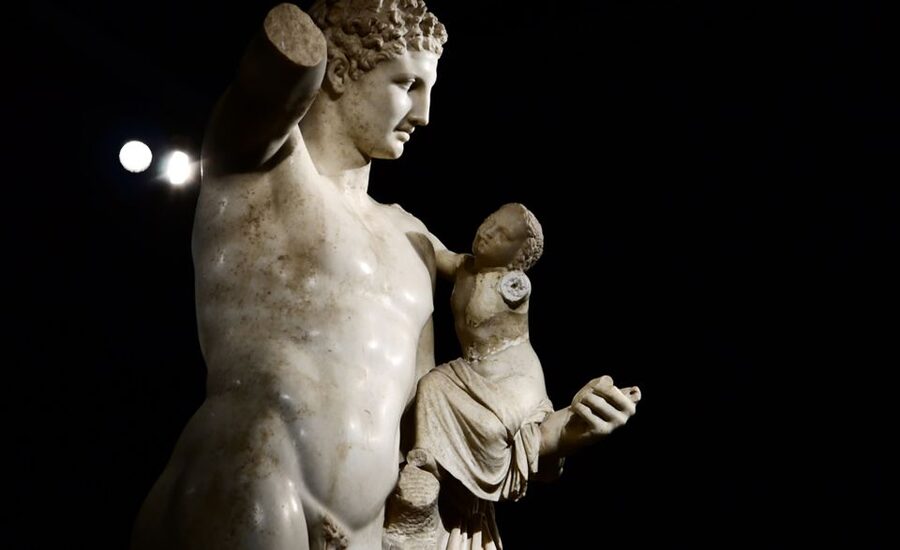
- Museum highlights that land: Hermes of Praxiteles is a big focus, with major sculpture treasures like Nike also highlighted.
- Private group, English live guide: You can ask questions and keep the pace to your group.
- Guide quality shows up in feedback: Names like Maria and Georgio come up with praise for clear English and patient, helpful explanations.
Why Olympia still hits in a 2-hour tour
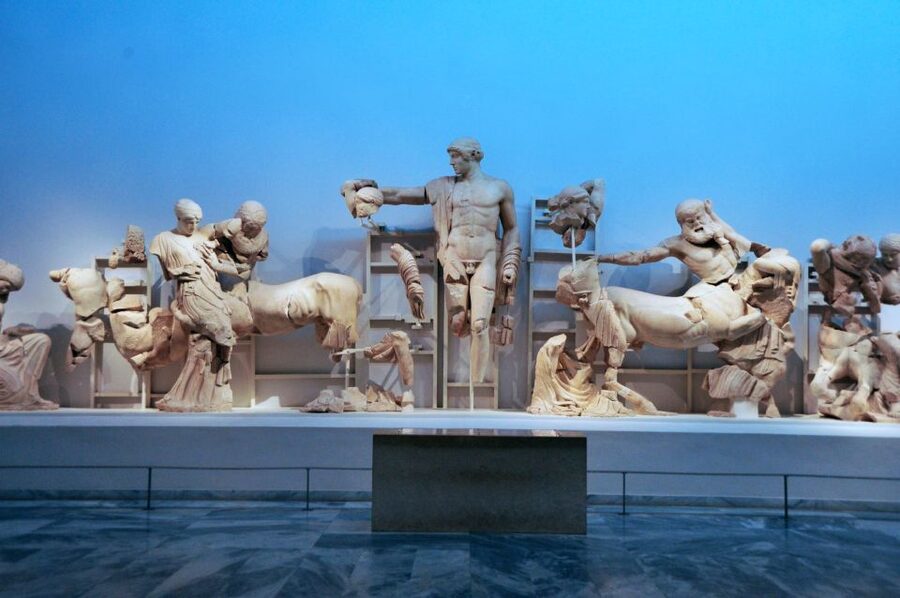
Olympia is where the Olympics began, and you can feel that in the layout. In a short visit, you’re basically doing two jobs: seeing the places where athletes lived and trained, and then standing in the museum where the art and objects from those same places finally make sense. That structure is the real value here. You don’t just look at ruins; you learn what they were for.
I also like that the guide links the ancient world to modern tradition. You’ll hear about where the Olympic flame is ignited every four years for the modern Olympic Games. That detail doesn’t make the ruins less old. It makes them feel connected to something you already know.
One more thing: the tour is private, up to five people. That means you’re not stuck watching the back of someone else’s camera. In Olympia, where the best moments often come from understanding what you’re looking at, a smaller group helps a lot.
You can also read our reviews of more tours and experiences in Archaeological Site Of Olympia.

Starting at the Archaeological Museum of Olympia (and why it matters)
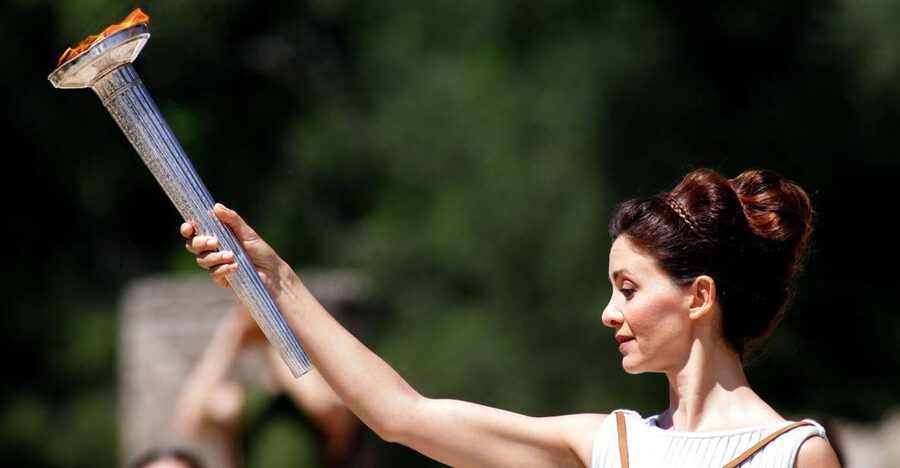
You meet at the main entrance of the Archaeological Museum of Olympia, and that’s a smart place to begin. The museum sets your mental “key” before you step into the site. Even if you’ve read about Olympia, seeing artifacts first helps you recognize what the ruins were built to support: rituals, athletes, and the kind of competition that was serious enough to be tied to religion.
This tour’s museum component is guided and focused. That matters because Olympia’s collections can overwhelm you if you arrive cold. Here, you’re pointed toward standouts from the site, including notable sculpture treasures like statues associated with Hermes and Nike, and especially Hermes of Praxiteles. The guide’s job is to explain why these works mattered in the first place, and that’s what turns “nice sculpture” into “I get it.”
Practical note: the tour ends back at the meeting point. So you don’t have to think about logistics mid-day. You’re not coordinating transport after the site visit; the flow stays simple.
The 1-hour guided walk through Olympia’s stadium and sacred grounds
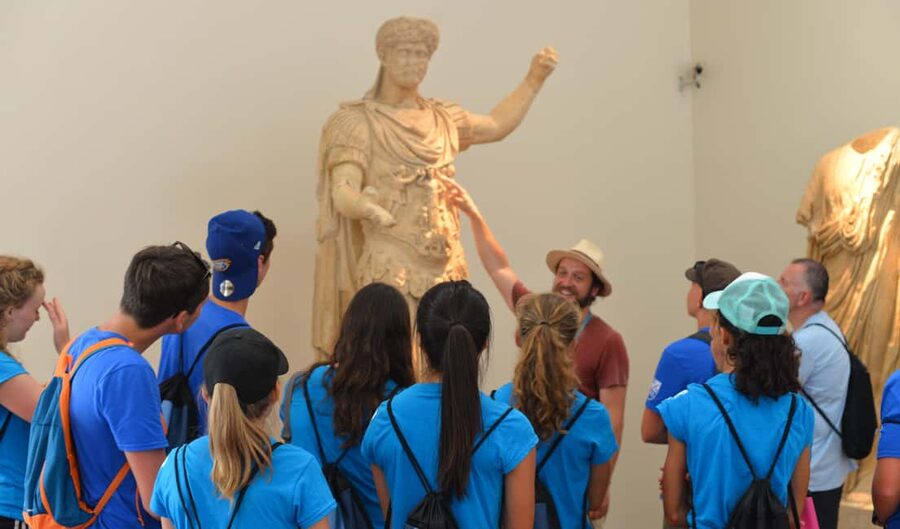
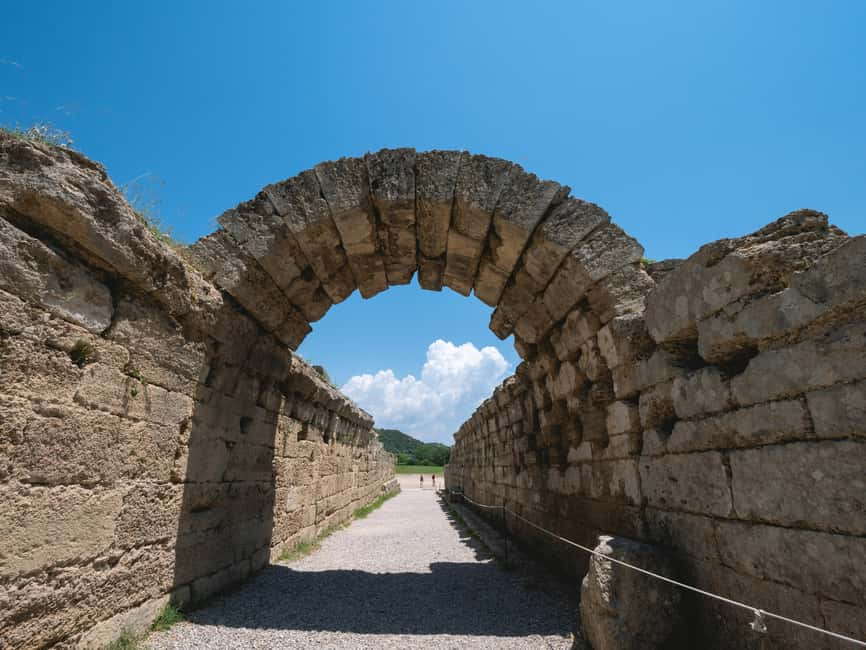
The heart of the experience is the guided visit to the Archaeological Site of Olympia for one hour. This is where the past becomes physical: training grounds, competition space, and the religious framework that surrounded the events.
The stadium: where you can picture the first athletes
Olympia is famous for the stadium, often described as the world’s first. Your guide helps you understand what that means in real terms. You’re not just seeing stone bleachers; you’re learning how the stadium shaped the competition. And yes, you’ll be in position to take your own photos on the marble starting line, which still exists. That’s the kind of moment that makes the tour worth it even if you’ve visited other ancient sites.
Temple of Zeus and the Seven Wonders link
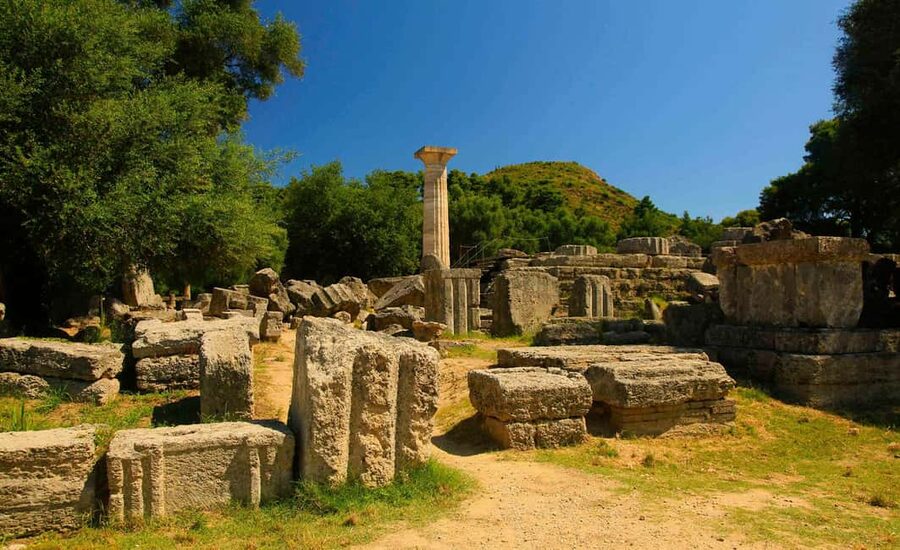
Another highlight is the temple of Zeus, tied to the Seven Wonders of the Ancient World. The guide doesn’t treat this as trivia. Instead, you’ll connect the scale and importance of the temple to why Olympia mattered so much. When you understand Olympia’s religious and cultural role, the ruins stop feeling random.
Athletes, sacrifices, and the day-to-day rhythm
One of the most useful ways a guide can help is by translating “ancient history” into routines. Here, you’re guided through the spaces where athletes lived, trained, offered sacrifices to the gods, and competed. If you’ve ever felt that museum labels don’t show you how daily life worked, this part of the tour is designed to fix that.
Returning to the museum for the big art payoff
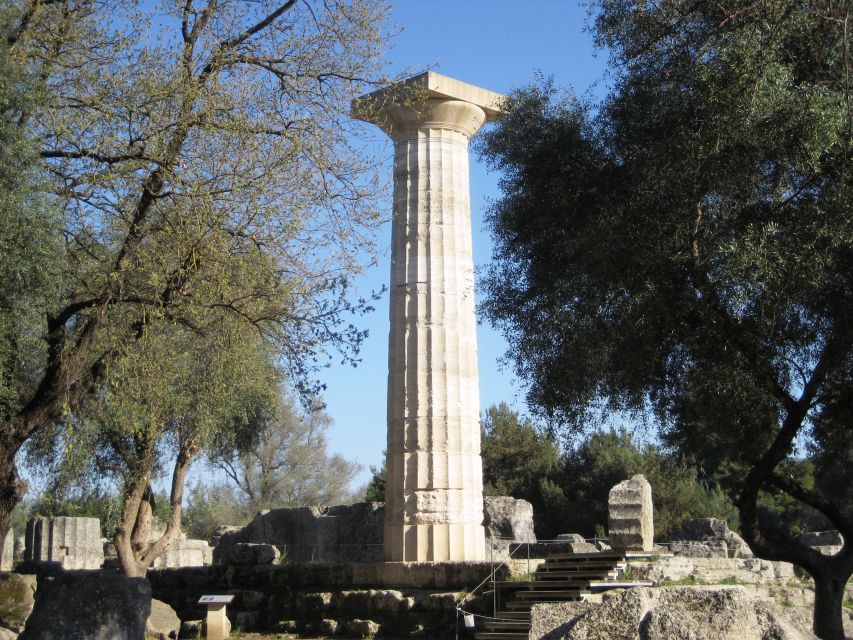
After the site, the tour continues in the Archaeological Museum of Olympia with another guided hour. This is where Olympia often clicks for first-timers, because your eyes finally get a clear match between what you saw outside and what’s preserved inside.
The tour’s museum focus includes major artifacts linked to the archaeological site, with particular emphasis on sculpture like Hermes of Praxiteles. That statue isn’t just famous; it’s famous because it represents a high point of ancient Greek art. Having a guide point out what to look for helps you avoid the common mistake of rushing past it like it’s just another piece of stone.
And Nike enters the conversation too. Even if you don’t know the details before you arrive, your guide helps you see how these sculptures fit into a world of competition, victory, and worship. In other words: the museum doesn’t feel like a separate thing from the ruins. It feels like the same story, just told with different evidence.
Why the museum time is better in a guided format
You could technically visit Olympia on your own with a guidebook. But museum time is where people usually lose their thread. A good live guide brings order fast: what the object is, where it likely fits in the Olympia world, and why it mattered.
This tour also includes skip-the-line entrance, which keeps the day from turning into paperwork and waiting. With only 2 hours total, that efficiency matters.
Private group benefits: when the price actually makes sense
This tour costs $1,151 per group (up to 5 people) for about 2 hours. That sounds steep until you do the math and the comparison.
If you fill all five spots, you’re roughly looking at about $230 per person. If you have fewer people, it’s higher per person. So the best value is when you travel as a small group that wants real guidance, not just access.
What you’re paying for is not only entry. You’re paying for:
- a professional live English guide,
- skip-the-line admission to both the site and the museum,
- and a tight itinerary that connects ruins to artifacts.
That combination is especially helpful at Olympia, where the grounds are spread out and easy to misunderstand if you’re guessing.
Guide quality you can look for
Two guide names come up strongly in the feedback you have here: Maria and Georgio. Maria is described as awesome and helpful in getting the most from a Greece visit, and Georgio is praised as extremely knowledgeable, very tuned into conversation, patient, and kind, with excellent English. That’s the kind of description that matters because Olympia rewards attention, not speed.
Practical tips so your photos and questions land
This is a walking tour, and you’ll spend real time looking at outdoor ruins plus museum objects. A few small choices make the difference between a tour that feels like a checklist and one that feels like you understand what you’re seeing.
First, bring your phone or camera and plan for the marble starting line moment. The tour specifically gives you time to take your own photos there. That’s not the kind of spot where you want to stop and hunt for the perfect angle while everyone else waits.
Second, wear comfortable footwear. Olympia’s surfaces can be uneven and you’ll be moving between the archaeological site and the museum area as the day unfolds.
Third, come with at least one question. If you’ve ever wondered how ancient athletes trained, how sacrifices worked, or why Zeus mattered here, a guide is exactly the right person to ask. The private format makes that easier than in a larger group.
Who this tour fits best (and who might want more time)
This Olympia private tour is a great fit if you:
- care about the Olympics’ origin story and want the context in plain language,
- like guided attention more than independent wandering,
- want to see both the archaeological site and museum without the hassle of managing timing,
- travel with a small group and can split the cost.
It’s less ideal if you want a long, slow visit with lots of free time. With only 2 hours, you’ll be guided through key highlights, but you won’t have time to do a second museum sweep or re-walk the site at your own rhythm.
If you’re unsure, think about how you handle museums. If you enjoy short, pointed stops with interpretation, this will suit you. If you prefer to drift freely for 2–3 hours, consider adding extra self-guided time before or after.
Should you book this Olympia private walking tour?
I’d book it if you want Olympia to make sense fast. The skip-the-line entry removes friction, and the structure connects the stadium and Temple of Zeus to the artifacts back in the museum. In a place where it’s easy to look at ruins without fully grasping them, having a live English guide changes the whole experience.
Also, the private group format matters here. Up to five people is small enough for questions, and feedback about guides like Maria and Georgio suggests you’re likely to get clear explanations and a calm, patient pace.
If you have limited time in the Peloponnese and you want the strongest highlights in one go, this is a solid, efficient choice. If you want to linger, budget extra hours around it.