REVIEW · DENVER
Denver: Museum of Illusions Entry Ticket
Book on GetYourGuide →Operated by Museum of Illusions Denver · Bookable on GetYourGuide
A day of illusion-proof glasses? Not needed. The Museum of Illusions on Denver’s renovated 16th Street Mall turns sight and brain into your main event, with 50+ interactive exhibits that make you question what you just saw. It’s bright, playful, and built for group fun right in the middle of downtown.
I especially like the way the museum mixes big “wow” set pieces (like vortex and room-scale tricks) with hands-on, sensory challenges where your eyes have to do the thinking. I also appreciate the staff presence, since several exhibits are easier when you can get quick guidance from someone nearby, and a staff member named Glenn stood out in one recent visit.
One watch-out: it can feel short for the ticket price. Some people report a visit around 10–20 minutes, and when it’s crowded a timed ticket may not guarantee breathing room to take everything in.
In This Review
- Key things to know before you go
- Why this Denver illusion museum works on 16th Street Mall
- Getting oriented at the 16th St. Mall entrance (and starting well)
- The illusion rooms: where your eyes start arguing with your brain
- Holograms, kaleidoscope moments, and the photo-friendly brain tricks
- Timing, crowd control, and why your visit length may vary
- Price and value: is $30 worth it for what you’ll actually do?
- Who this works best for (and who should reconsider)
- Practical tips to make your $30 feel like a better deal
- Should you book Museum of Illusions Denver?
- FAQ
- How much is the Museum of Illusions Denver entry ticket?
- How long should I plan for?
- Where is it located?
- Do I need to choose a time?
- Is the attraction wheelchair accessible?
- Is the ticket refundable?
- What’s included with the ticket?
- How many exhibits are there?
- What should I do if some exhibits aren’t working?
Key things to know before you go

- 16th Street Mall location: easy to combine with a meal, hotel stay, or a short walk downtown.
- 50+ interactive exhibits: you’re not just looking; you’re physically engaging with optical effects.
- Holograms and illusion rooms: expect visual tricks built for photos, but also for actual brain science.
- Vortex tunnel: a highlight that’s often described as extreme and genuinely wild.
- Some exhibits may be out of action: plan to enjoy what’s working and ask staff if you’re unsure.
- Crowds can change the experience fast: your pace depends on how busy it is when you arrive.
Why this Denver illusion museum works on 16th Street Mall
The location is part of the magic. The Museum of Illusions sits right at 951 16th St. Mall, with building access on the corner of 16th St. and Curtis. That means you’re not schlepping to an out-of-the-way attraction. You can tack it onto a day that already includes restaurants, parking, and downtown transport.
What makes it fun is the focus. This isn’t a dusty gallery of static displays. The whole place is designed to mess with your perception, then explain why your brain falls for it. You get classic optical illusion moments, but also more “body and space” style effects that make you react in real time.
The reviews back up the core vibe: people like that it’s cool even if the building is relatively small. It’s also well-suited to groups, because the museum is built around shared reactions—point, step in, laugh when your brain argues with your eyes.
And yes, the ticket price can feel steep for some visitors. If you want a long museum day, I’d treat this as a focused, high-energy stop rather than a whole-day museum marathon.
A few more Denver tours and experiences worth a look

Getting oriented at the 16th St. Mall entrance (and starting well)
You’ll walk in through the entrance at 16th St. and Curtis, inside the 16th Street Mall area. First tip: don’t rush your first few rooms. The museum is short enough that early momentum matters. If you sprint at the start, you’ll miss the chance to slow down and notice how each exhibit uses a slightly different trick.
Your ticket is valid for 1 day, and you’ll want to check availability to see starting times. Even if you booked a specific time, be realistic: on busier days, it may still feel crowded once you’re inside. The key is to plan your expectations around timing, not around empty exhibition space.
A good way to start is to do a quick scan of what looks most “hands-on” and “room-based,” then come back for any that you skipped. Some exhibits can be a little tricky to understand without help, so if you see staff nearby early on, ask how to get the most out of the trick you’re standing in front of.
Also, keep an eye out for what’s actively operating. One downside noted is that a few exhibits weren’t working during a visit. If something looks powered down, don’t waste too long trying to force it. Move on, enjoy what’s live, and ask staff if a particular one is down or if there’s a workaround.
The illusion rooms: where your eyes start arguing with your brain

This is the heart of the experience. The museum’s illusion rooms and installations are built to create “impossible” effects that you experience with your whole body—then watch your brain try to rationalize it.
A highlight that shows up in the feedback is the vortex tunnel. People describe it as totally wild and extreme, which is exactly what you want if you’re chasing that full sensory reaction. If you’re sensitive to visual intensity or movement-like effects, pace yourself. Stand where you can see the full illusion, and don’t overthink it—let your senses take the hit first.
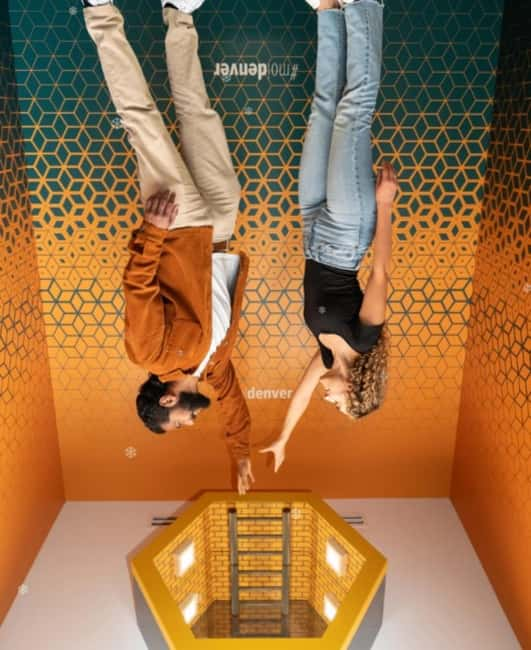
Another kind of room experience involves tricks like defying gravity and shifting your sense of scale. The museum describes examples like growing and shrinking your body and other perception changes that depend on your position, angle, and timing. Those effects work best when you actually follow the exhibit’s “rules,” like where to stand or how to line up your body.
I also like that this part of the museum feels playful rather than academic. Yes, it’s educational, but you’re not taking a lecture. You’re testing an idea with your own eyes, and the learning happens because your brain shows its shortcuts.
If you go with kids or a group, do one exhibit together, then trade spots. The museum turns into a game: who notices the detail first, who steps in with the right angle, who gets the biggest surprise.
Holograms, kaleidoscope moments, and the photo-friendly brain tricks
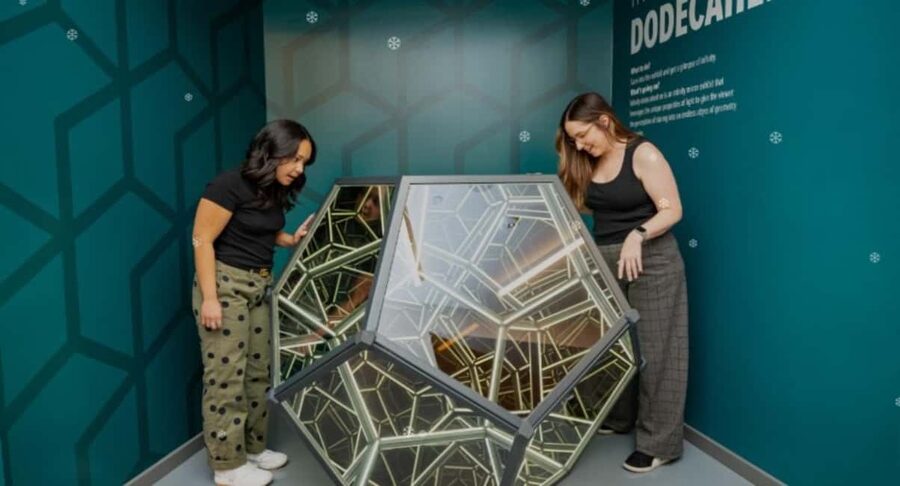
Beyond the illusion rooms, you’ll find visual tech-style effects like holograms and installations that mess with scale and geometry. These exhibits tend to be popular because they give strong visual results even for people who don’t want to read instructions.
One described moment is walking into a life-size kaleidoscope effect. That’s the kind of exhibit that changes your sense of depth and shape, and it’s ideal for photos because your body becomes part of the illusion. If you’re planning to take pictures, do it intentionally: pause, reset your position, and try the angle that creates the cleanest symmetry.
The “brain science” angle matters here because it changes how you experience the tricks. Instead of thinking, wow, that’s fake, you start thinking: why did my brain interpret that the way it did? The museum’s goal is to show how perception can be deceived—then you can leave with the fun knowledge that your mind is doing a lot more interpretation than you usually realize.
Practical advice: some exhibits are harder to understand without help. If a machine has motion cues or a specific viewpoint, ask a staff member rather than guessing for too long. When staff are attentive, the whole place becomes smoother, and you spend more time having fun and less time wondering what the exhibit wants from you.
Timing, crowd control, and why your visit length may vary
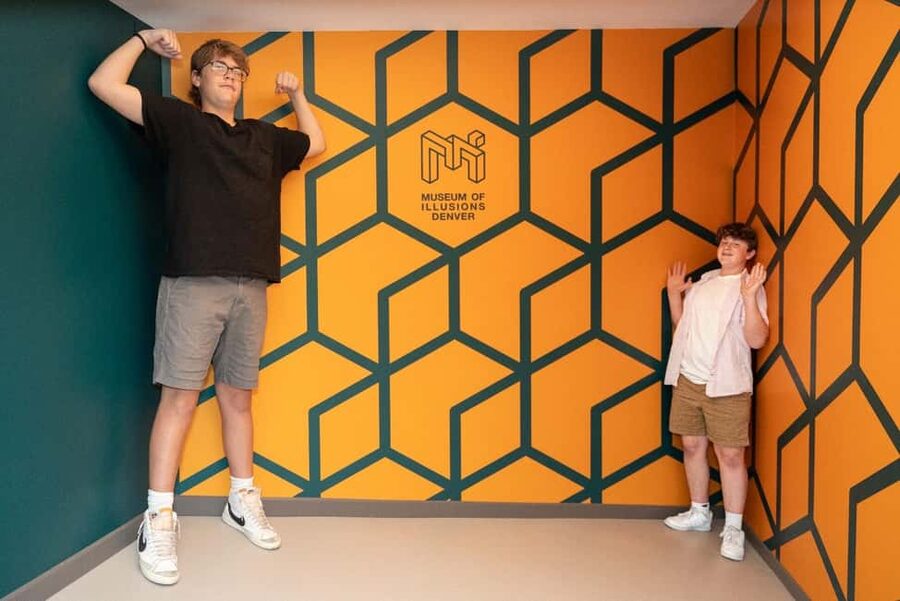
The museum is described as a one-day experience, but the actual time can vary a lot based on how you pace. Some feedback suggests the overall visit may be around 20 minutes, and other notes mention even shorter experiences. That doesn’t mean the museum is “bad.” It means you’re buying a focused hit of illusions, not a long-day institution.
When it’s busy, you may not get to linger. One concern raised is that a booked time didn’t prevent crowding, making it harder to enjoy everything fully. I’d plan for that possibility. If your schedule is tight, pick an earlier time slot when you can. If you’re flexible, aim for a period when you expect fewer people, since crowding changes everything from your photo options to your ability to follow instructions.
What I recommend: treat it like a curated sequence even without an actual guided route. Start with the big room effects, then go for the holograms and scale/body tricks, and end with anything you want to repeat. If you rush through every station, the experience can feel expensive for what you got. If you slow down just a bit, it feels more complete.
Also, if you encounter exhibits that aren’t working, don’t let that derail your mood. Move on and come back near the end if anything changes. The museum is small enough that a second pass is realistic.
You can also read our reviews of more museum experiences in Denver

Price and value: is $30 worth it for what you’ll actually do?
At $30 per person, you’re paying for a concentrated, interactive experience. Whether that’s worth it depends on your expectations.
Here’s the reality check I’d use to decide:
- If you come for a quick thrill, take a few photos, try the headline exhibits, and leave, the value can feel fair.
- If you expect an all-day museum-style visit with lots of free time at each station, some reports suggest it may feel too short for the price.
The best value usually comes from participation. This isn’t the kind of attraction where you stroll at your own pace for hours. It works when you step in, do the trick, and react. So if you’re the type who enjoys interactive stops and group “turn-taking,” you’ll likely feel the ticket is justified.
To stretch value, go with a plan: pick your “must-dos” (the vortex tunnel and the room-scale illusions), then fill in the rest based on what looks most accessible. If staff can help with understanding exhibits, you’ll also get more out of the ones that might otherwise feel confusing.
One more factor: the museum’s downtown convenience matters. If it saves you time and transport effort, that has real value. It’s easy to add to a day already in Denver’s center, and that kind of convenience can offset price feelings.
Who this works best for (and who should reconsider)
This place is a strong match for:
- Families with kids who love hands-on surprises and photo ops
- Friend groups looking for a shared activity that’s funny and visual
- Date nights where you want something light but memorable
A 10-year-old enjoying the museum was mentioned in feedback, which tracks with the fact that many exhibits are designed to be “grab your attention first, explain later.” It’s also good for adults who like playful science.
Where I’d reconsider is if you’re looking for a long, quiet, traditional museum experience. The size and reported visit length mean you should treat it as a short adventure with high sensory impact.
Also, if you’re going to be there during peak crowding, it may reduce the quality of interaction. Some exhibits are harder to interpret on your own, and a crowd can make everything feel more rushed.
Practical tips to make your $30 feel like a better deal
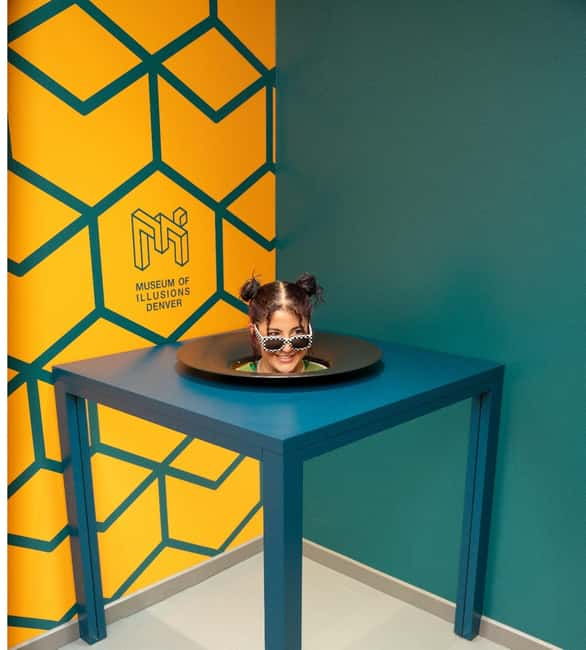
First, give yourself room in your schedule. Even if you think you can do it fast, build in a cushion for a couple minutes of figuring out each exhibit. You’re paying for entry, so don’t lose value to confusion.
Second, ask staff when something feels unclear. Feedback included that some exhibits were hard to understand without help, and additional helpers would make a difference. So if you see staff nearby, ask quickly. You’ll move through faster and enjoy the effect more.
Third, take advantage of the fact that it’s wheelchair accessible. The museum notes wheelchair accessibility, so you can plan confidently for mobility needs.
Fourth, think about the crowd effect on photos and pacing. If you want clear shots in front of holograms or room effects, crowded conditions will limit your best angles. That’s not a deal-breaker, but it should shape when you go.
Finally, if Glenn is working when you visit, say hi. One recent mention praised Glenn’s help, which suggests staff interaction can noticeably improve how smoothly you experience the exhibits.
Should you book Museum of Illusions Denver?
Book it if you want a short, fun, downtown activity that plays with how your brain sees the world. At 50+ interactive exhibits in a compact space, it’s built for groups, laughs, and that feeling of wow-what-just-happened.
Hold off or adjust expectations if you’re sensitive to intense visual effects like the vortex tunnel, or if you need a long museum-style outing for the money. Based on real feedback, your visit length might land closer to 10–20 minutes unless you slow down, repeat highlights, and get help when you need it.
My rule: if you’re in Denver’s downtown area anyway and you’re ready for playful perception testing, this is a great add-on. If you’re trying to fill a whole day, pair it with something else nearby so you’re not disappointed by how focused the museum experience can feel.
FAQ
How much is the Museum of Illusions Denver entry ticket?
The entry ticket price is listed at $30 per person.
How long should I plan for?
The experience is described as a 1-day ticket experience, but the time you spend inside can vary depending on pace and crowding.
Where is it located?
It’s at 951 16th St. Mall in downtown Denver. Building access is at the corner of 16th St. and Curtis.
Do I need to choose a time?
You can check availability to see starting times, and entry is valid for 1 day.
Is the attraction wheelchair accessible?
Yes, the museum is wheelchair accessible.
Is the ticket refundable?
No. The activity is non-refundable.
What’s included with the ticket?
Your ticket includes entry to the Museum of Illusions Denver.
How many exhibits are there?
The museum offers over 50 immersive, hands-on exhibits, including illusion rooms, installations, and holograms.
What should I do if some exhibits aren’t working?
If you see an exhibit that isn’t functioning, move on to the other displays and consider asking staff for help on what’s available.