REVIEW · ROME
Rome: Capuchin Crypts and Museum Ticket and Tour
Book on GetYourGuide →Operated by C.I.S. Tours. · Bookable on GetYourGuide
The Capuchin Crypts turn Rome upside down. This tour takes you into underground chambers and catacombs where religious art, bones, and odd legends mix into one unforgettable visit. I like that it’s short and focused, with reserved entry so you’re not stuck playing ticket-waiting games.
I also like the way the route is explained: you’re guided through long corridors and specific crypt rooms, with a guide tying what you see to Christian symbolism and historical context. One thing to keep in mind: this is a closed, underground experience, so if you’re claustrophobic or have respiratory issues, it’s not the right fit.
Key points before you go
- Reserved tickets help you enter without line stress at the Capuchin Crypts
- A guided tour or audio guide keeps the story clear in about 50 minutes
- Expect a 30-meter corridor with rooms branching off on both sides
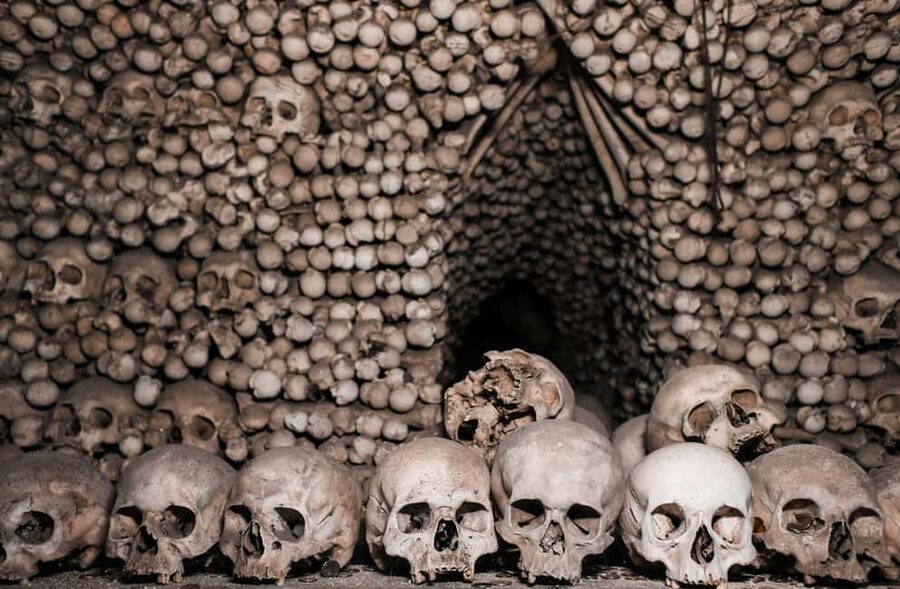
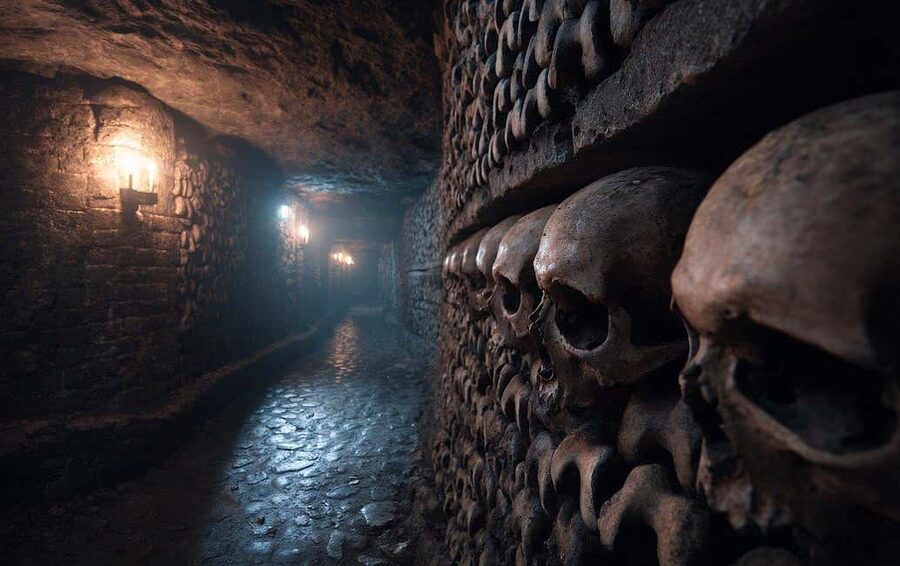
- You’ll see the crypts with bones arranged by type: skulls, pelvis, tibiae and femurs
- Dress for a religious site: shoulders and knees covered to avoid access problems
In This Review
- Entering the Museo e Cripta dei Frati Cappuccini
- Tickets and timing: why the $25 price can feel fair
- Your underground route: what happens during the tour
- The story of refuge and the building of the crypts
- Four crypts you’ll see, and what each one is about
- Crypt of the Three Skeletons
- Crypt of the Tibiae and Femurs
- Crypt of the Pelvis
- Crypt of the Skulls
- The museum portion: quick context that pays off
- Guide or audio guide: which experience option fits you
- Photo stops, comfort, and what to wear
- Who should book and who should skip it
- After the crypts: the nearby church moment
- Should you book the Capuchin Crypts tour with C.I.S. Tours?
- FAQ
- How long is the Capuchin Crypts and museum tour?
- Where do I meet for the tour?
- What ticket options are included?
- Does the tour include an audio guide in multiple languages?
- What should I wear to make sure I can enter?
- Is this tour suitable for people with claustrophobia?
- What items are not allowed during the visit?
Entering the Museo e Cripta dei Frati Cappuccini
The experience starts at Museo e Cripta dei Frati Cappuccini, right by the Capuchin Crypts entrance. Meet in front of the entrance and look for staff holding a C.I.S. Tours sign. This matters more than you’d think. When an underground site has timed entry, finding the right group quickly saves time and keeps you from rushing in the wrong direction.
Once you’re sorted, the staff gives you a rundown of what’s coming. That orientation is useful because the setting can feel unusual fast: you go from Rome street life into corridors and crypt spaces designed for reflection, not sightseeing comfort. Having the basic layout explained before you step underground helps you stay oriented as the tour moves deeper.
Tickets and timing: why the $25 price can feel fair
At about $25 per person for a tour that runs 50 minutes to 1 hour, you’re paying for three things: reserved entry, guided interpretation (if you choose that option), and a timed visit that keeps the group moving.
Here’s how I think about the value. If you show up without the right ticket plan, the time you spend waiting can feel like money out the window. With reserved entry, you’re paying to convert your time into actual minutes underground. Add a guided explanation of the crypts’ symbolism and you get a lot more meaning than you’d likely get wandering in on your own.
Also, this isn’t a half-day production. If you’re trying to fit a surprising Rome stop into a busy day, the short duration is a big plus. It’s exactly the type of add-on that works when you want something unusual without burning your whole afternoon.
A few more Rome tours and experiences worth a look

Your underground route: what happens during the tour
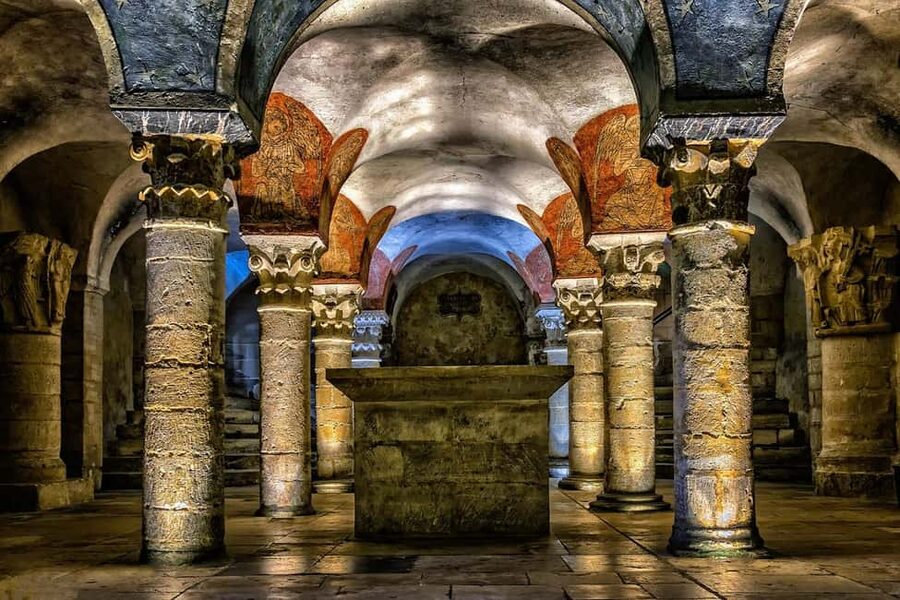
After you meet the group, you’ll head into the museum and underground chambers as either a live guided tour (English) or an audio-guided option (other languages available). Either way, the pacing is designed to keep you moving through the highlights without dragging.
The route includes:
- A photo stop during the early phase of the visit
- Time for walking and sightseeing through the underground spaces
- A long corridor about 30 meters long, flanked by six rooms
- Multiple crypt rooms featuring different bone arrangements and religious references
The underground setting is part of the “point.” You’re not just looking at objects; you’re moving through the same kind of narrow, turning spaces that help explain why this place has such a strong reputation. Even if you’re not chasing macabre attractions, the physical experience changes how you process the symbolism.
One practical thing: the tour is focused on the main experience of the crypts and catacombs. That means you won’t get a drawn-out, museum-style marathon. If you like your sites to be quick, controlled, and story-led, this fits.
The story of refuge and the building of the crypts
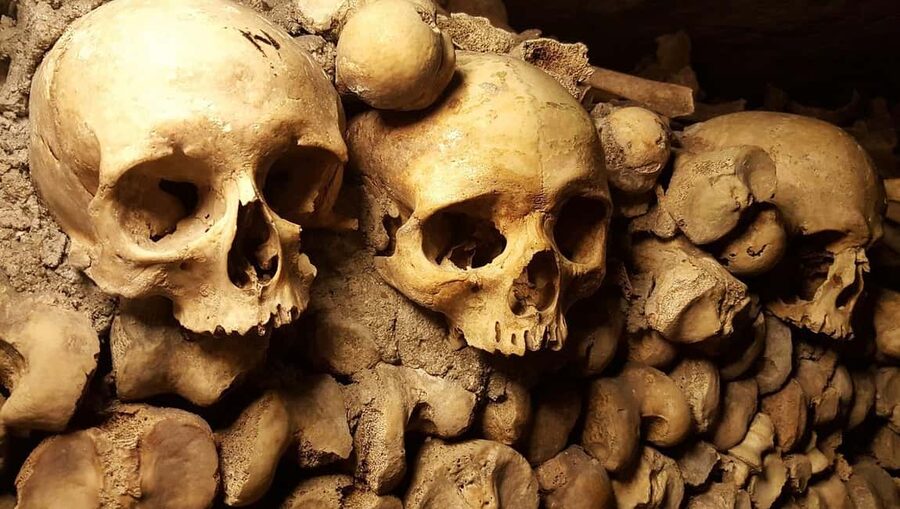
One of the more interesting elements is the legend tied to the Capuchin friars. During your visit, your guide explains how, according to legend, the friars took refuge in Rome and created this special site.
That backstory helps frame what you’re about to see. The crypts are not presented as random horror scenery. They’re shown as an intentional funerary monument tied to ideas about life, death, and eternity. Even if you’re not religious yourself, it’s still worth listening for what the guide connects: the way bones are arranged, labeled, and interpreted.
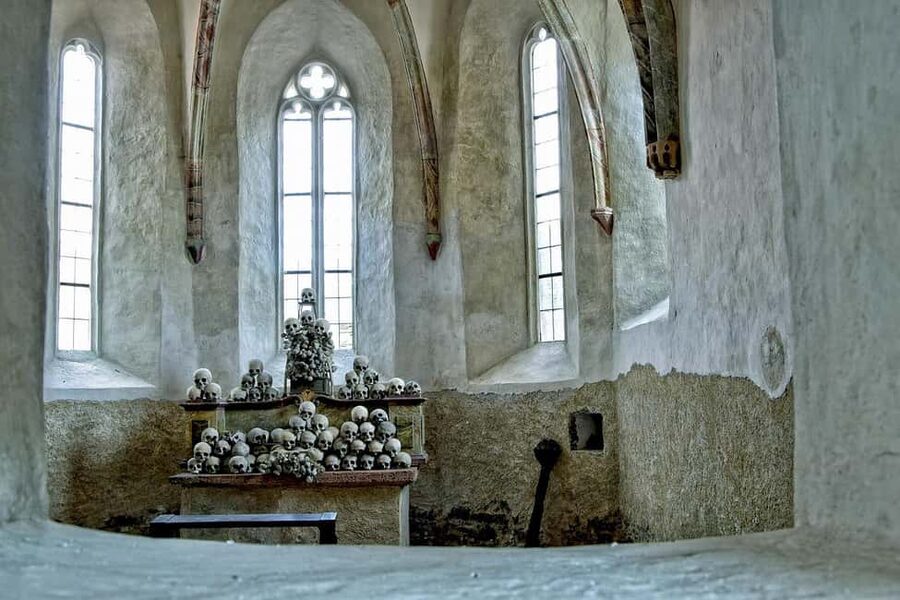
You’ll also hear the detail about the remains. The site includes the collected remains of about 3,700 Capuchin friars. And there’s a further legend about the earth being transported from Palestine and likely Jerusalem. These facts and legends work together to explain why the space feels so deliberately crafted rather than simply “decorated.”
Four crypts you’ll see, and what each one is about
This is where the tour really earns its keep. Instead of one generic “bone room,” you move through distinct crypts, each with a different arrangement and theme. Here’s the key breakdown you can expect to encounter.
Crypt of the Three Skeletons
One room is known for the Three Skeletons, where three juvenile skeletons are kept. This is emotionally striking, because the theme shifts from symbolic architecture to human scale and vulnerability. If you go in thinking it’ll be all spooky spectacle, this corner changes the tone quickly.
You can also read our reviews of more museum experiences in Rome

Crypt of the Tibiae and Femurs
Another area is the Crypt of the Tibiae and Femurs, featuring vaults decorated with bones and skulls. It’s specific and technical in how it’s presented, which makes it easier to understand what you’re looking at instead of guessing. You get names and categories, and suddenly the visuals feel organized rather than chaotic.
Crypt of the Pelvis
Next is the Crypt of the Pelvis, with a vault decorated using bands of vertebrae and long bones. This one leans into pattern and structure. You’re not only seeing remains; you’re seeing how the design repeats, frames, and directs attention.
Crypt of the Skulls
Finally, the Crypt of the Skulls brings the focus back to head forms and the stark clarity of skulls as symbols. By the time you reach this room, you’ve already seen enough different bone groupings to notice the differences in mood and emphasis.
As you move room to room, the guide’s job is to connect these visuals to religious meaning and to the broader idea of Christian reflection on death. If you love religious art that doesn’t behave like traditional church décor, this section is the heart of the visit.
The museum portion: quick context that pays off
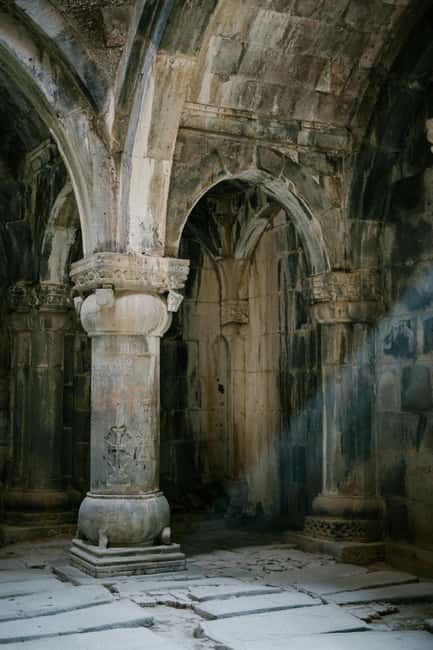
Along with the crypt spaces, the ticket includes the Capuchin Crypt and museum portion. That museum time matters because it gives you interpretive handles before you face the rooms themselves.
Even if you’re coming for the crypts, the museum component helps you understand why the site looks the way it does. Instead of treating it like a set of strange artifacts, you can see it as a designed monument where the symbolism has a purpose.
Also, there’s a practical bonus here: one of the nice things about the way the experience is set up is that you can take your time with the indoor museum area before the main crypt route begins. That matters if you’re sensitive to crowds and prefer a calmer start.
Guide or audio guide: which experience option fits you
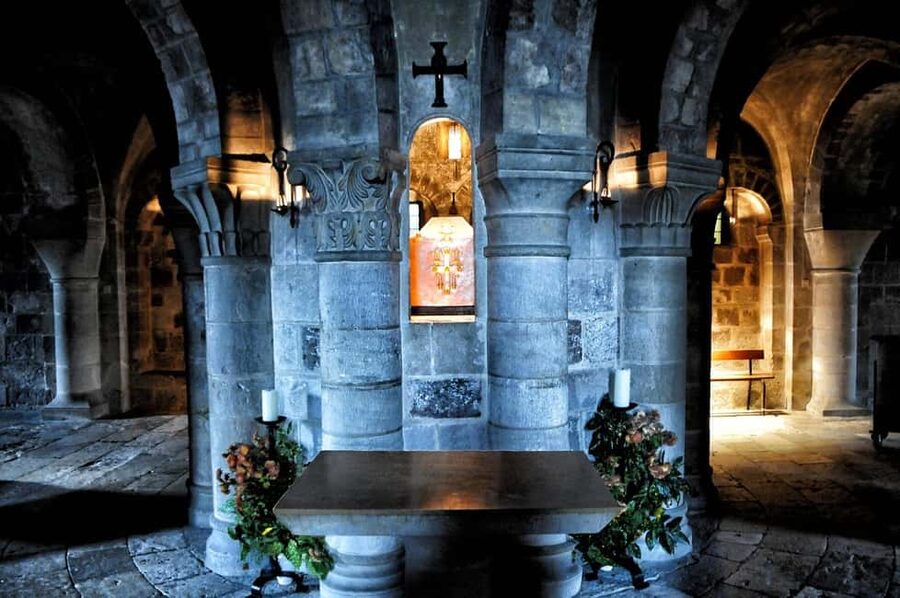
You can do the tour with an English live guide or choose an audio guide option in multiple languages, including Chinese, Arabic, French, German, Italian, Japanese, Korean, Polish, Portuguese, Russian, and Spanish.
Here’s the practical way to decide:
- Choose the live English guide if you want your questions answered and you like a human voice shaping your attention.
- Choose the audio guide if you prefer moving at your own pace while still getting story guidance.
In terms of quality, the feedback you’ll see points to the audio being straightforward and easy to use, with a style that feels like a conversation between a monk and a visitor. That format helps you avoid getting lost in translation or reading small labels while you’re still trying to process the rooms.
That said, audio will always be different from a human guide. Some people find it great, others find it merely fine. If you’re the type who wants nuance and flexibility, I’d lean toward the live guide option.
Photo stops, comfort, and what to wear
This is one of those Rome experiences where your clothing can affect access. Because it’s a religious place, you need appropriate dress: shoulders and knees must be covered, or access may not be guaranteed.
Plan on:
- Comfortable shoes for walking
- A light jacket because underground spaces can feel cooler
- Clothing that covers up to meet the site’s expectations
Also note what’s not allowed: shorts, short skirts, sleeveless shirts, glass objects, and large bags or luggage. The list of restrictions can feel strict, but it’s meant to keep the underground route safe and manageable.
If you’re wearing something borderline like a strapless top or very short skirt, don’t risk it. Pack a layer. It’s not about fashion; it’s about getting in.
Who should book and who should skip it
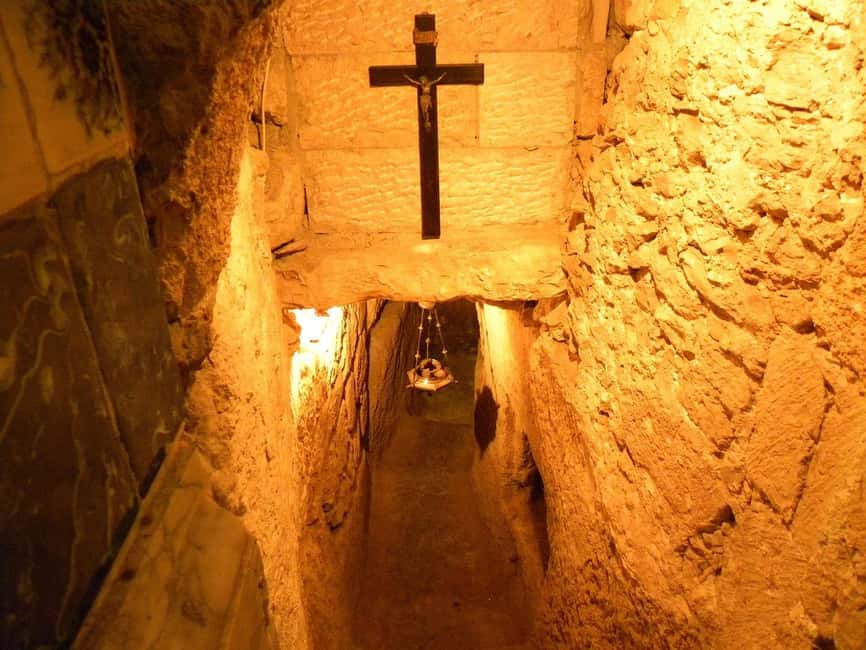
This tour is built for people who like the thoughtful side of unusual places. If you enjoy religion tied to art and symbolism, and you can handle a guided explanation of death-themed design, you’ll likely find it fascinating.
It’s also a good choice if you want a Rome stop that doesn’t turn into a long, exhausting schedule. The tour is short, the story is clear, and the underground route is concentrated.
But skip it if any of the following applies:
- Claustrophobia or you’re uncomfortable in confined spaces
- Wheelchair users and people with mobility impairments
- People with respiratory issues
- Anyone traveling with restrictions like unaccompanied minors, based on the activity rules
This is important. The underground environment isn’t optional here. You’re walking through tunnels and rooms beneath the city streets.
After the crypts: the nearby church moment
One practical detail I think is worth planning for: there’s a church next door you can visit after the main crypt experience. That makes the whole outing feel more complete, because you can connect the underground funerary space with the church context nearby.
If you’re the type who likes to see how religious sites relate to each other, this “two-step” can be a nice payoff.
Should you book the Capuchin Crypts tour with C.I.S. Tours?
If your goal is to see one of Rome’s most unusual sites with reserved entry and a story-led visit, I’d say yes. For the price, you get more than entry. You get an organized route through distinct crypt rooms, with explanations that turn what could be just bones into a meaningful experience about life, death, and eternity.
Book it if:
- You want a short, focused underground stop
- You like interpretation (live guide or audio)
- You can dress appropriately and handle enclosed spaces
Skip it if:
- You might struggle with claustrophobic feelings
- You need accessibility support beyond what this activity allows
- You’re looking for a standard museum only, with wide open galleries and lots of breathing room
If you’re deciding between options, my advice is simple: don’t overthink it. Choose the guided option if you want the most context, choose audio if you prefer control over pace. Either way, go prepared with covered clothing and comfortable shoes, and treat it like a reflective site, not a quick selfie stop.
FAQ
How long is the Capuchin Crypts and museum tour?
The tour runs about 50 minutes to 1 hour, depending on the starting time and flow of the visit.
Where do I meet for the tour?
Meet in front of the Capuchin Crypts entrance at Museo e Cripta dei Frati Cappuccini. Look for the staff holding a C.I.S. Tours sign.
What ticket options are included?
The price includes a skip-the-line ticket for the Capuchin Crypt and museum, plus taxes and fees. You also get an English guided tour if you select that option, or an audio guide if you choose the audio option.
Does the tour include an audio guide in multiple languages?
Yes. The audio guide is available in several languages, including Chinese, Arabic, French, German, Italian, Japanese, Korean, Polish, Portuguese, Russian, and Spanish.
What should I wear to make sure I can enter?
Because it’s a religious site, you’ll need clothing that covers shoulders and knees. The tour notes that access may not be guaranteed if you don’t meet the requirement.
Is this tour suitable for people with claustrophobia?
No. It is not recommended for people who suffer from claustrophobia or are uncomfortable in confined spaces.
What items are not allowed during the visit?
The rules say pets are not allowed, and you also can’t bring shorts, short skirts, sleeveless shirts, glass objects, luggage or large bags, and you can’t use baby strollers or non-folding strollers.